character-design
(7)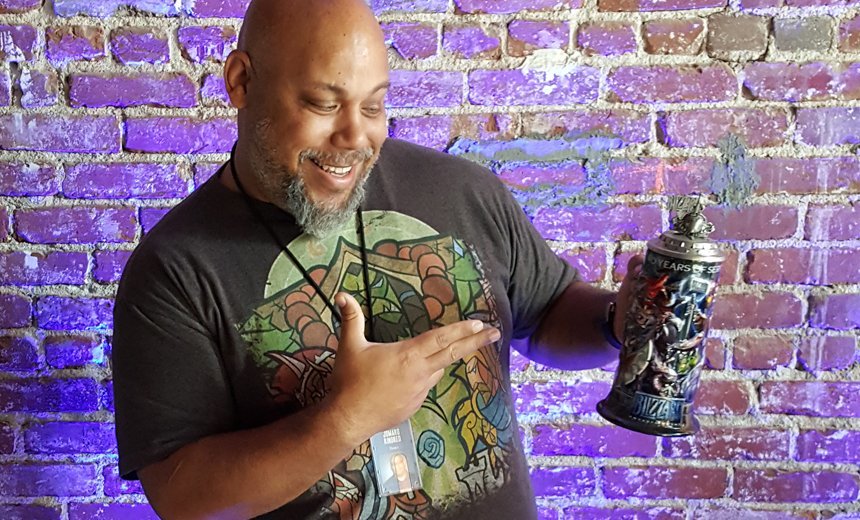
Jomaro Kindred Drew a Wider World Into the Cards
A laundromat sketch opened the door. Decades later, the Second Dinner co-founder is making sure Black heroes arrive on screen with their power, texture and humanity intact.
System Studios builds worlds, right down to the gloves
From dwarven armour to MARVEL SNAP illustrations, System Studios supplies the details that make other people’s game worlds convincing. Its portfolio is a lesson in looking past the box art.

Ladybird's big idea: let the pictures do the talking
A blue hippo, a rolling hedgehog, and a kingdom of fools: Ladybird Entertainment's catalog reveals how an Iranian animation studio thinks about children, comedy, and stories that travel.
9B Collective Is Drawing Hollywood’s Next Cast of Creators
The Black-owned concept art studio helped imagine Blue Beetle’s world. Its bigger project is changing who gets hired to imagine the next one.
Mana Animation Studio Gives Familiar Worlds a Different Kind of Motion
From Deadpool’s hand-drawn antics to Shohei Ohtani’s anime alter ego, Mana builds animation around the character of the job. Its project breakdowns reveal the craft, coordination and occasional three-week sprint behind the pictures.

OpenArt AI
OpenArt AI is a San Francisco-based AI creative platform founded in 2022 by former Google engineers Coco Mao and John Qiao. The platform aggregates 100+ AI models - including DALL-E 3, Stable Diffusion, Google Veo 3, Kling, and Sora - under a single interface, letting creators generate images, videos, music, and 3D environments without switching tools. From hobbyists making tabletop RPG art to agencies building brand-consistent content at scale, OpenArt serves roughly 8 million monthly active users. The company reached $70M+ ARR in 2025 with a 20-person team, then closed a $30M Series A led by Canaan Partners in January 2026.
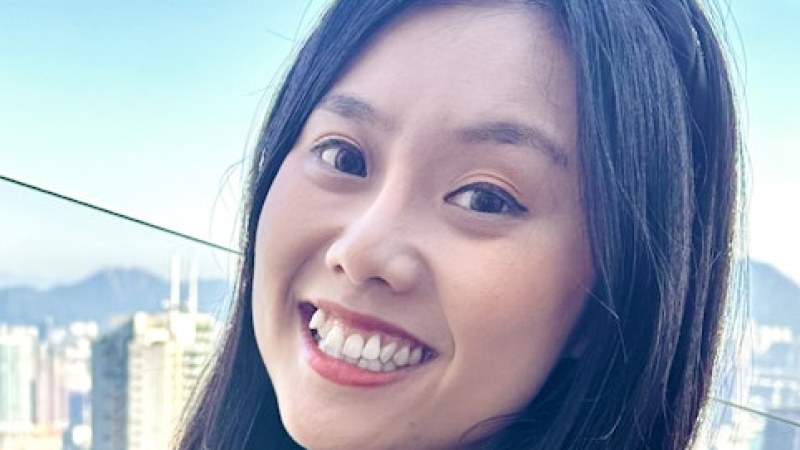
Coco Mao
Coco Mao is the CEO and co-founder of OpenArt AI, the creative platform that grew from a viral Hacker News post about AI image prompts to $70M+ ARR with just 20 people. A Carnegie Mellon computer scientist who spent seven years at Google building search products and the Tangi short-form video app, she left in 2022 to co-found OpenArt with CTO John Qiao. Under her leadership, OpenArt scaled 7x in 2025, reached 8 million monthly active users, raised a $30M Series A from Canaan Partners, and launched One-Click Story — a feature that lets anyone turn a single sentence into a complete video with persistent characters.