cancer-diagnostics
(12)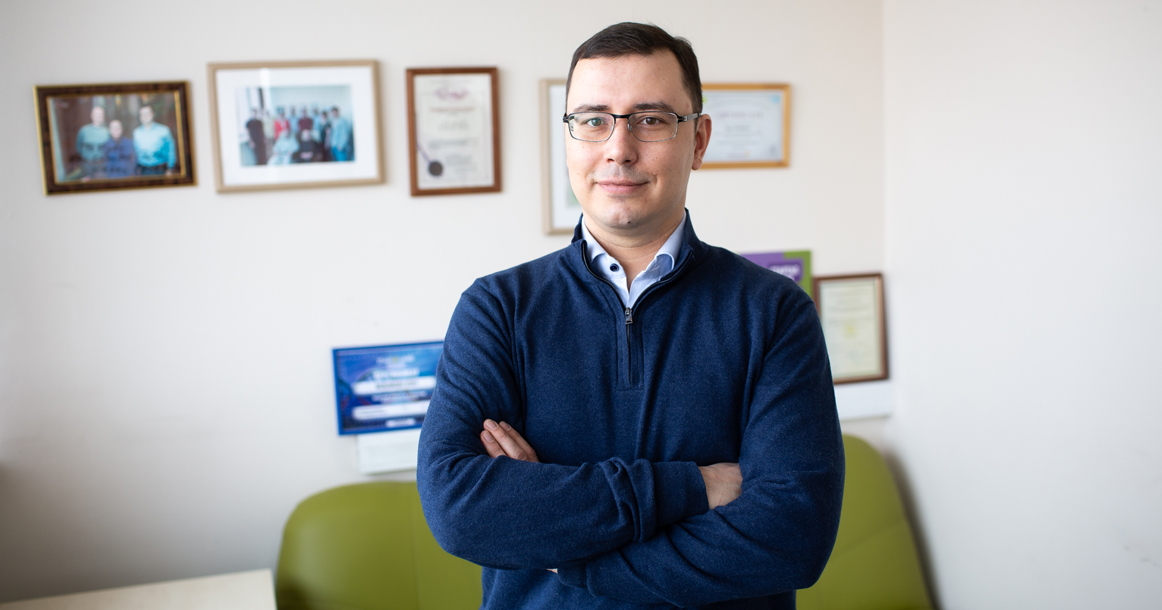
Egor Melnikov Bet a Founder’s Life on a Family Idea
An economist from a Russian science town turned his father’s unfinished research into a decade-long biotech company. The useful lesson is not romance. It is his stubborn method: narrow the question, protect the idea, and keep earning the next experiment.

Brian Slingerland's Long Game Started With a Craigslist Ad
A finance graduate answered a housing problem with a classified ad and found a scientist instead. Two decades later, Brian Slingerland is still building companies where business discipline meets difficult biology.

Christian Apfel Is Betting on the Tumor, Not the Spreadsheet
The physician-scientist behind SageMedic built his career turning clinical uncertainty into compact decisions. Now he is applying the same habit to functional precision oncology, angel investing and the slow work of changing a standard.

Chris Apfel Is Building a Second Opinion for the Tumor Itself
The physician-scientist behind a globally used clinical score is now betting that live tumor evidence can make cancer treatment decisions less abstract, one microtumor at a time.
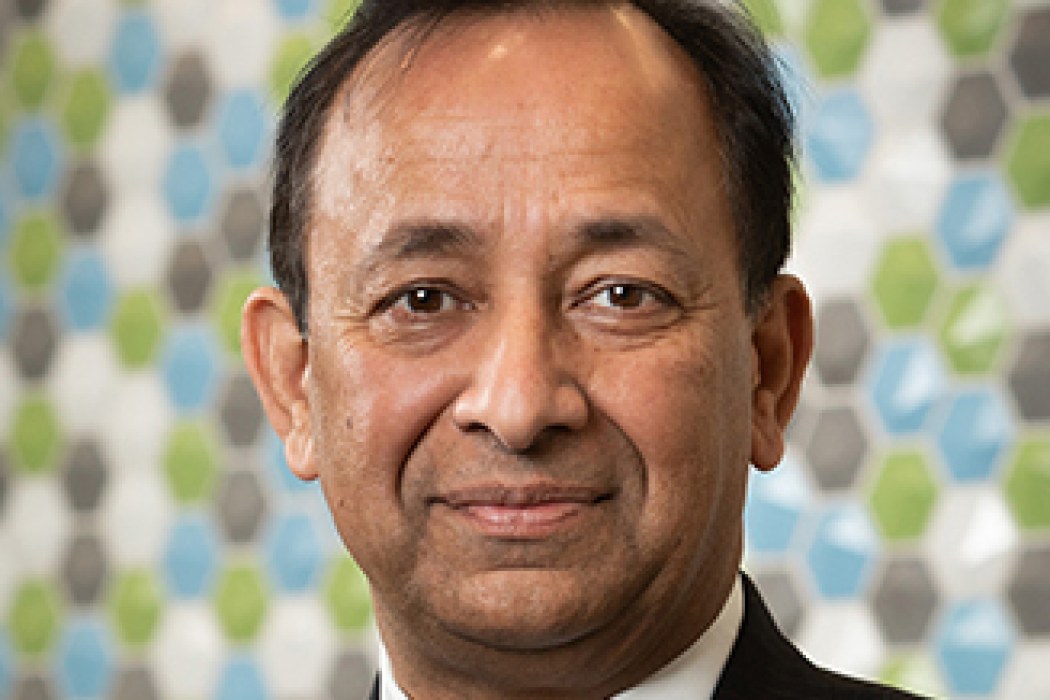
Sanjeev Saxena
Sanjeev Saxena is a serial medical-device entrepreneur and engineer who has spent more than 30 years trying to move cancer screening out of expensive central labs and into villages, clinics and pop-up sites. He is founder, CEO and CTO of Harae Dx Corp., a Pleasanton, California startup building a low-cost, portable, automated cancer detection system based on lab-on-a-disc microfluidics. Earlier he founded POC Medical Systems, whose MammoAlert and Pandora CDx platforms brought portable breast-cancer screening to emerging markets, and he co-founded Scanis, Actis Biologics and Telesto Diagnostics. He has raised more than $70 million across his ventures and sits on the board of the Texas Tech Research Park.
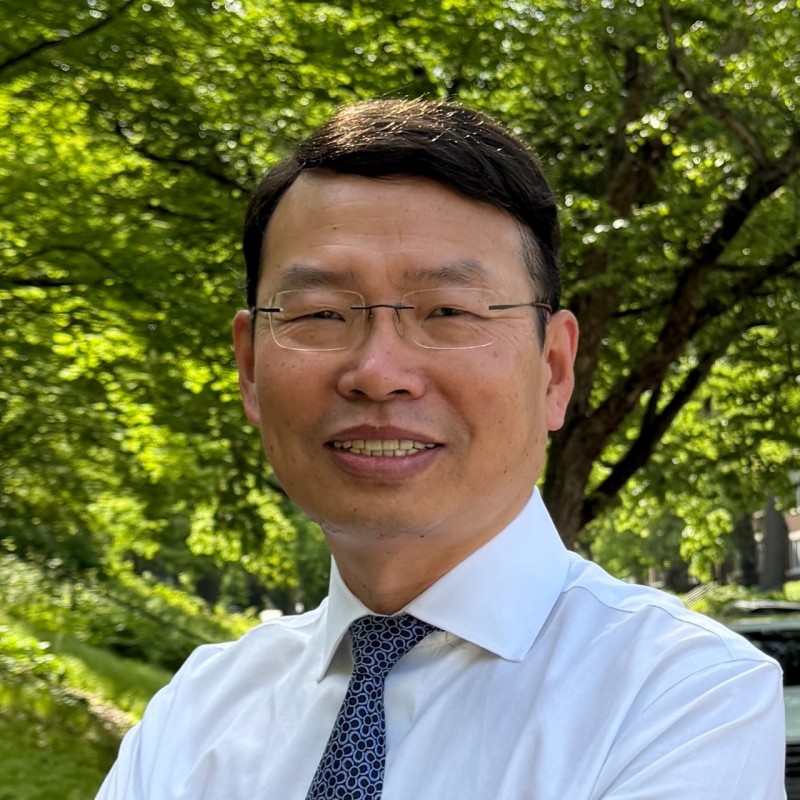
Shidong Jia
Shidong Jia, MD, PhD, is the founder and global CEO of Predicine, a Silicon Valley precision-oncology company building multi-omic liquid biopsy tests that read cancer from blood and urine. Trained as a physician-scientist at Harbin Medical University, Peking Union Medical College, Dana-Farber and Harvard, he ran oncology biomarker strategy at Genentech before leaving to start Predicine in 2015. His pitch is simple: precision diagnostics to enable precision medicine, built 'From Pharma, For Pharma.'
Rohit Hiwale
Rohit Hiwale is the co-founder and CEO of Morphle Labs, a Y Combinator W20 deep-tech company building robotic microtomes and high-throughput whole slide scanners for digital pathology. An IIT Kharagpur computer science graduate and second-time founder with prior engineering stints at Yahoo, WalmartLabs and Rippling, he is trying to automate the physical and imaging bottlenecks at the core of cancer diagnostics.
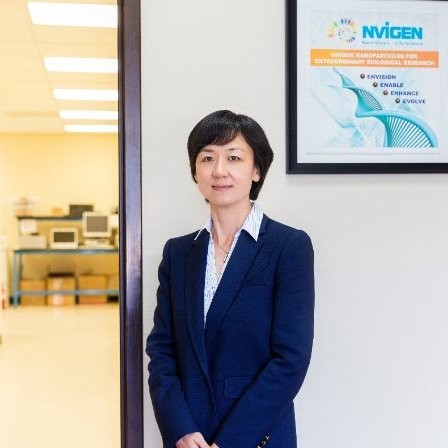
Aihua Fu
Aihua Fu is a nanobiotechnologist and the co-founder, President and CEO of NVIGEN Inc., a San Jose nanobiotechnology company building molecularly engineered magnetic and fluorescent nanoparticles for cancer detection and personalized medicine. Trained as a chemist under Nobel-track nanoscience pioneer A. Paul Alivisatos at UC Berkeley and as a postdoc at Stanford, she turned quantum-dot and magnetic-bead research into commercial tools for liquid biopsy, cfDNA extraction, single-cell sequencing and circulating tumor cell capture. Her flagship NVIGEN X and NERNST-Seq platforms aim to read DNA, RNA, protein and cell signals together to predict cancer recurrence early and guide therapy.

Michael Milburn
Michael V. Milburn is the CEO and President of GeneCentric Therapeutics, a Durham, North Carolina biotech building RNA-based liquid biopsy tools that read a tumor's behavior from a single tube of blood. A structural biologist by training, he helped solve the first crystal structures of the Ras cancer protein at Berkeley in the late 1980s, then spent decades building research engines at Sirtris, Plexxikon, and Metabolon before taking the top job at GeneCentric in 2019. His current bet: that the fragments of DNA shed by tumors carry enough information to infer gene expression, not just mutations, turning a blood draw into a near-complete molecular portrait of cancer.
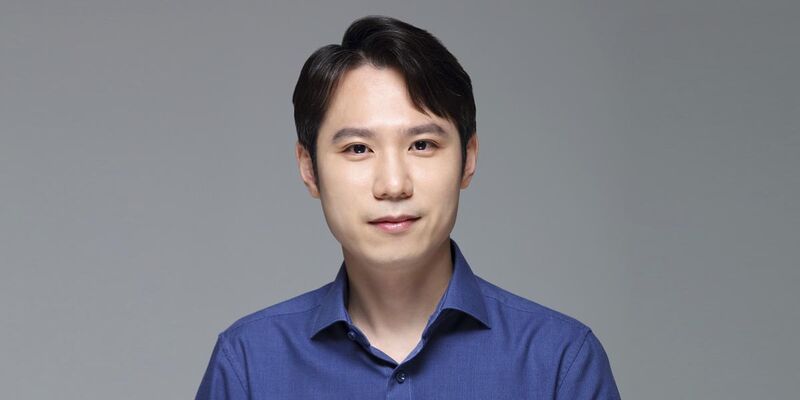
Sungwon Lim
Dr. Sungwon Lim is the CEO and Co-Founder of ImpriMed, Inc., a Palo Alto-based precision oncology company that combines live cancer cell testing with AI to predict which drugs will work best for an individual patient's cancer - before treatment begins. Having raised $23M in Series A funding led by SoftBank Ventures Asia, ImpriMed has helped treat over 6,500 dogs with blood cancers across 130+ specialty hospitals in the US, Canada, England, and France, while publishing clinical data showing AI predictions tripled survival rates in relapsed B-cell lymphoma. A Stanford-trained bioengineer inspired by the potential of one powerful medicine to save millions, Lim pioneered a pivot into veterinary oncology as a proving ground before expanding the platform to human cancer treatment.
Anirudh Joshi
Anirudh Joshi is the co-founder and CEO of Valar Labs, a Palo Alto-based AI oncology company building tools that let doctors predict whether a specific cancer treatment will work before a patient wastes months on the wrong one. A biomedical engineer trained at Georgia Tech and Stanford, he previously built AI at Microsoft, PathAI, and Curai before co-founding Valar in 2021 with teammates from Stanford's AI in Medicine group. Valar raised $26M total, landing a $22M Series A from Andreessen Horowitz and DCVC in 2024, and its flagship test Vesta — predicting BCG therapy response in bladder cancer — is now live at 20 U.S. hospitals. Named to Forbes 30 Under 30 Healthcare 2025.
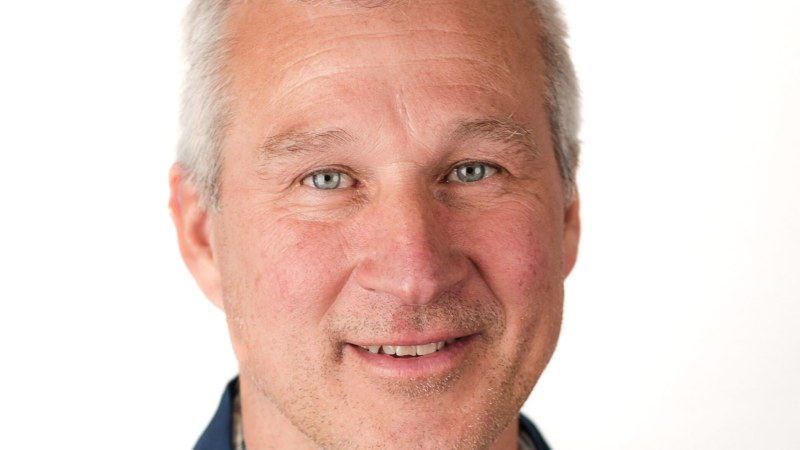
Tom Willis
Tom Willis, PhD, is a genomics entrepreneur with more than 20 years of company-building experience who became CEO of Arima Genomics in June 2025. A Yale and Stanford physicist turned biotech serial founder, he co-invented Molecular Inversion Probe technology, built two genomics companies from the ground up - ParAllele BioScience (acquired by Affymetrix) and Sequenta (whose ClonoSEQ assay became NCCN-standard for leukemia and lymphoma residual disease testing) - then spent a decade as Venture Partner at Illumina Ventures before stepping in to lead Arima, a company pioneering 3D genomics for cancer diagnostics.