brain-mapping
(4)
LVIS and the Brain’s Waiting Room
Recording a brain is one thing. Finding the right person to read it is another. LVIS is betting that the most useful frontier in neurotechnology lies between the two.
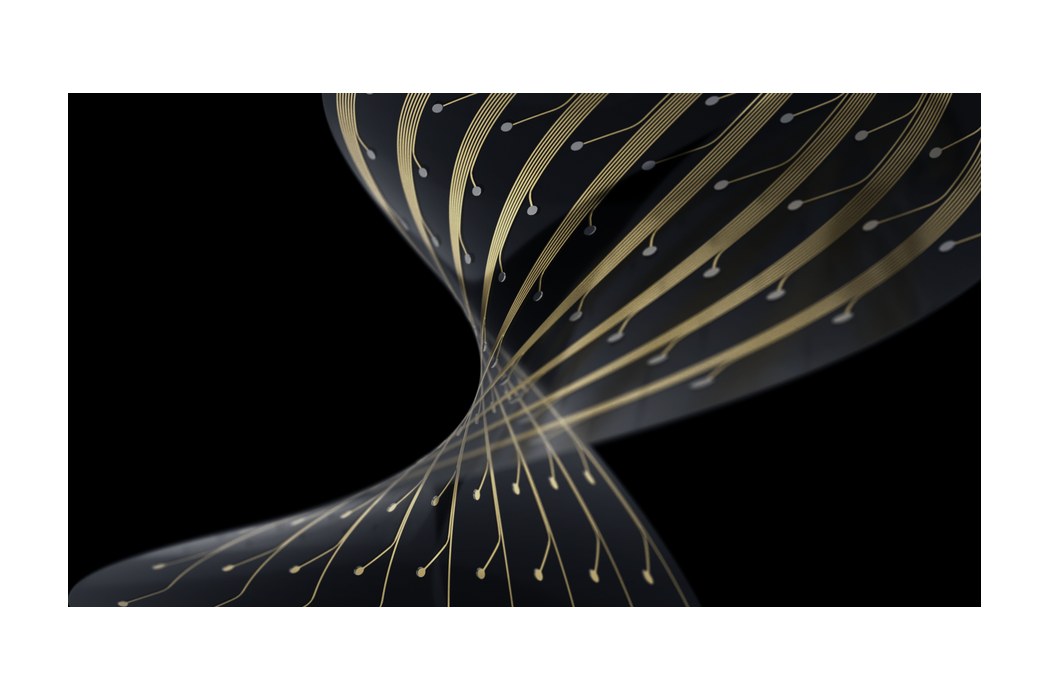
How Neurosoft Plans to Read Your Brain Without Cutting Into It
Neurosoft Bioelectronics built a stretchable brain interface up to 100,000 times softer than the metal grids surgeons use today - and put a 64-channel version on the cortex of epilepsy patients. Here is how an EPFL lab experiment became a $20 million bet on reading the brain without carving into it.
Omniscient Neurotechnology (o8t)
Omniscient Neurotechnology (o8t) is a Sydney-based brain-mapping company that uses AI and machine learning to turn ordinary MRI scans into detailed maps of the brain's electrical networks, or connectomes. Its flagship FDA-cleared platform, Quicktome, gives neurosurgeons a patient-specific view of the pathways responsible for speech, movement and cognition before they operate, while its research platform, Infinitome, helps scientists study how diseases like Alzheimer's, epilepsy and schizophrenia disrupt brain connectivity. Founded in 2019 and led by CEO Stephen Scheeler, the company has raised roughly US$124 million to date and is expanding connectomics into stroke, movement disorders and brain-computer interfaces.
Neural Galaxy
Neural Galaxy (also operating as Galaxy Brain Scientific) is a Beijing-based brain science company building a precision, non-invasive neuromodulation platform. Its proprietary personalized Brain Functional Sectors (pBFS) technology maps over 200 functional regions of an individual brain, then guides targeted transcranial magnetic stimulation with millimeter accuracy. Founded in 2019 by Harvard and MIT neuroscientists with serial entrepreneur Coach Wei, the company is running clinical and registration trials across depression, Parkinson's, Alzheimer's, autism and aphasia, and has raised roughly $93M to date.