berkshire-hathaway
(11)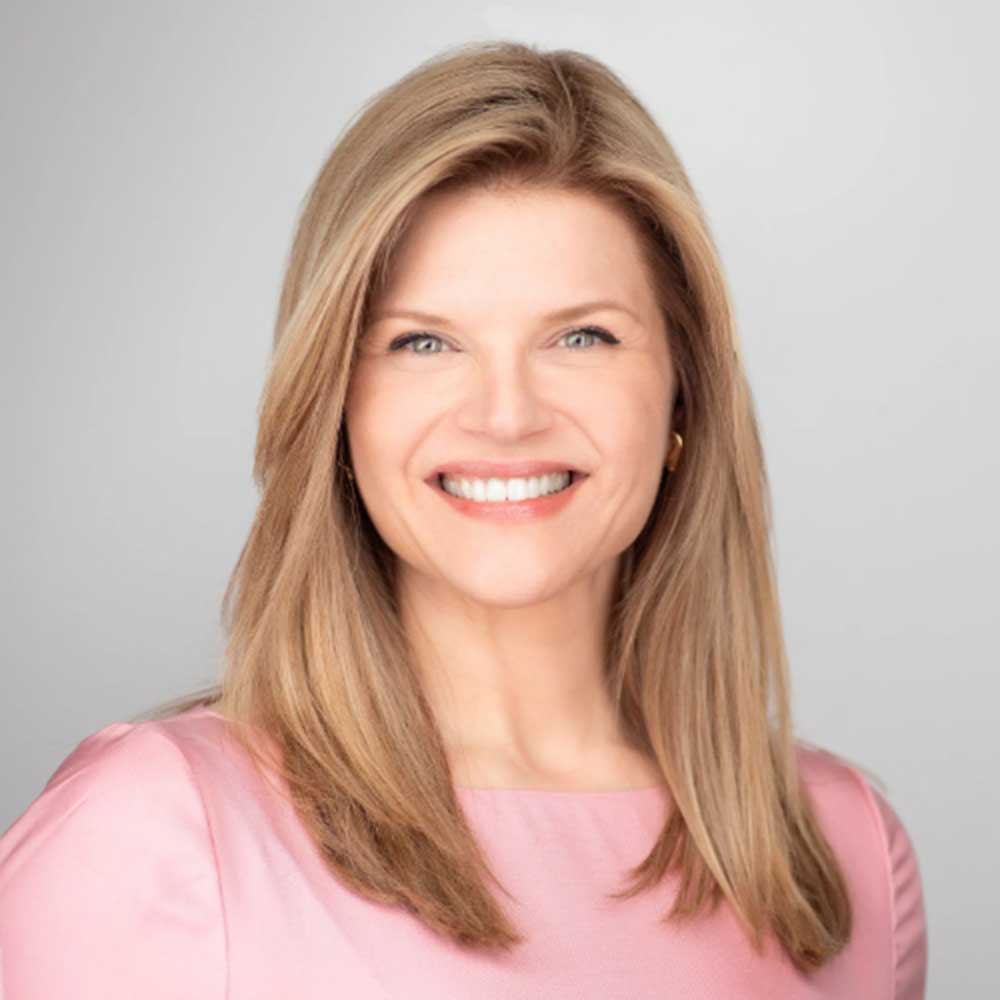
Nevena Srebreva and the art of getting people to try
From Avon to Thermomix USA to Pampered Chef, Nevena Srebreva has built a career around the demonstration. Now the CEO is helping a business built on cooking parties find its next audience, one screen and one kitchen at a time.
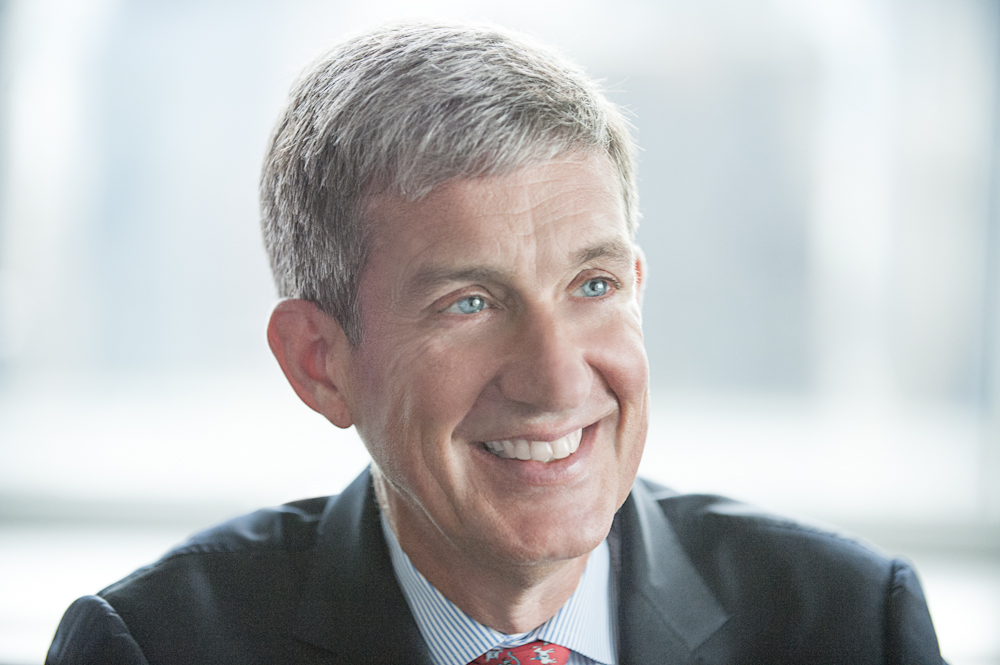
Bobby Le Blanc and the business of staying put
After seven years at Berkshire Hathaway and more than two decades at Onex, Bobby Le Blanc took the CEO chair. His next chapter asks a deceptively simple question: what if a good investment is worth keeping?
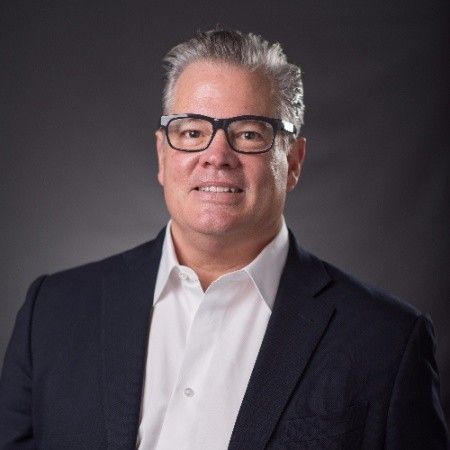
Geff Scott and the business of getting the news there
An accountant became the CEO of Business Wire. Geff Scott’s route from audits to a global news network offers a view of the careful work behind a public announcement.
The Most Important Newsroom You Never Visit
Business Wire sells something stranger than publicity: a controlled first appearance. For $475 and up, a company can put its own words into the pipes that feed newsrooms, markets, search engines, and now machines.
The Tiny Steel Plate Behind MiTek’s $1.68 Billion Bet on Building Faster
MiTek began with a palm-sized connector that made wood trusses practical. Seventy years later, it is trying to fix construction’s bigger problem: too many people making expensive decisions too late.
NetJets Turned the Private Jet Into a Subscription Before Subscriptions Were Cool
The Columbus company does not merely sell flights. It sells relief from owning an entire aircraft - then uses a vast fleet, specialized crews and a 24-hour operations machine to make that promise hold up.
See's Candies
A century after Mary See's face first went on the box, the California chocolatier remains Warren Buffett's favorite lesson in what a brand is worth.
GEICO
The company that skipped the insurance agent, hired a British-accented lizard, and turned '15 minutes' into one of the most repeated sentences in American advertising.
Brooks Running
Brooks Running is a Seattle-based company that designs and sells performance running shoes, apparel, and accessories, and does nothing else. A subsidiary of Berkshire Hathaway, it narrowed its focus to running in 2001 and turned a near-bankrupt shoe maker into a category leader, closing 2025 with roughly $1.5 billion in revenue and its ninth straight year of growth. Its core franchises - the Ghost, Glycerin, and Adrenaline GTS - anchor the No. 1 position in U.S. specialty running retail, built on cushioning and support technologies like DNA LOFT, BioMoGo DNA, and GuideRails.
Ann Winblad
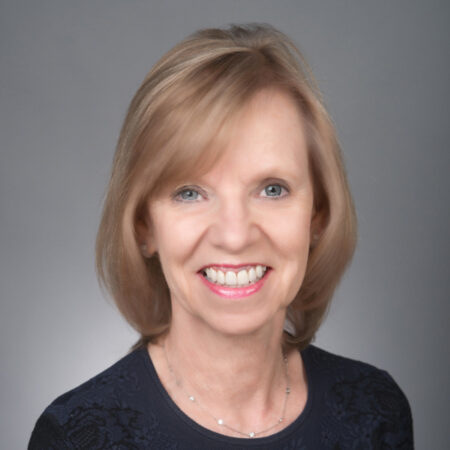
Ann Winblad is a Silicon Valley legend who bootstrapped her first software company with $500 borrowed from her brother, sold it for $15 million, then co-founded the world's first venture capital firm exclusively dedicated to software in 1989. Over 30+ years at Hummer Winblad Venture Partners, she backed 160+ enterprise software companies - including first-institutional-investor bets on MuleSoft (acquired by Salesforce for $6.5B) and Omniture (acquired by Adobe for $1.8B) - while becoming the most influential female venture capitalist of her generation.
Andrew Wilkinson
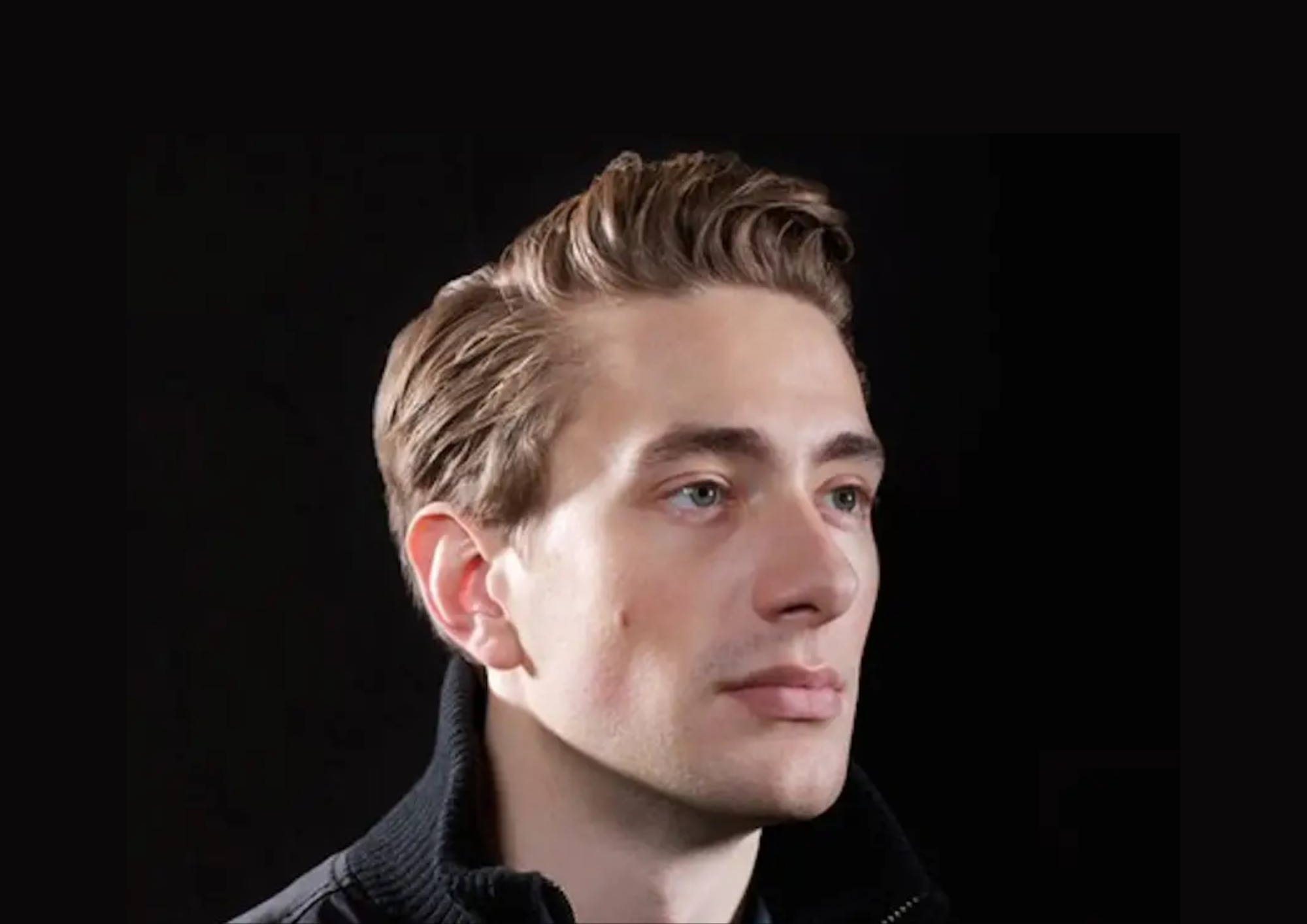
Andrew Wilkinson is a Canadian entrepreneur, investor, and author who built Tiny - a publicly traded holding company (TSX: TINY) often called 'the Berkshire Hathaway of the internet' - from a one-man design agency he started with $200 at age 20. Having dropped out of university after less than a year, he transformed a $6.50/hour barista gig into a billion-dollar empire of 32+ internet businesses including Dribbble, AeroPress, Letterboxd, and Serato. His 2024 memoir 'Never Enough: From Barista to Billionaire' became a USA Today bestseller and candidly explores why wealth didn't bring happiness, his ADHD diagnosis, and his commitment to giving away most of his fortune through the Giving Pledge.