behavioral-economics
(12)
The Little Agency With a Very Long Reach
Sandoval Creative built a national-capable advertising shop in Tucson by putting research before aesthetics and keeping the messy middle - strategy, production, placement, and measurement - under one roof.

Angela Winegar Learned to Market AI by Thinking Like an Investor
The Invisible Technologies CMO has moved from consulting to commerce, from Harvard policy research to venture capital, and from Carta to enterprise AI. Across every turn, she has kept one useful habit: treating marketing as a portfolio of bets, with judgment reserved for the moments machines cannot settle.
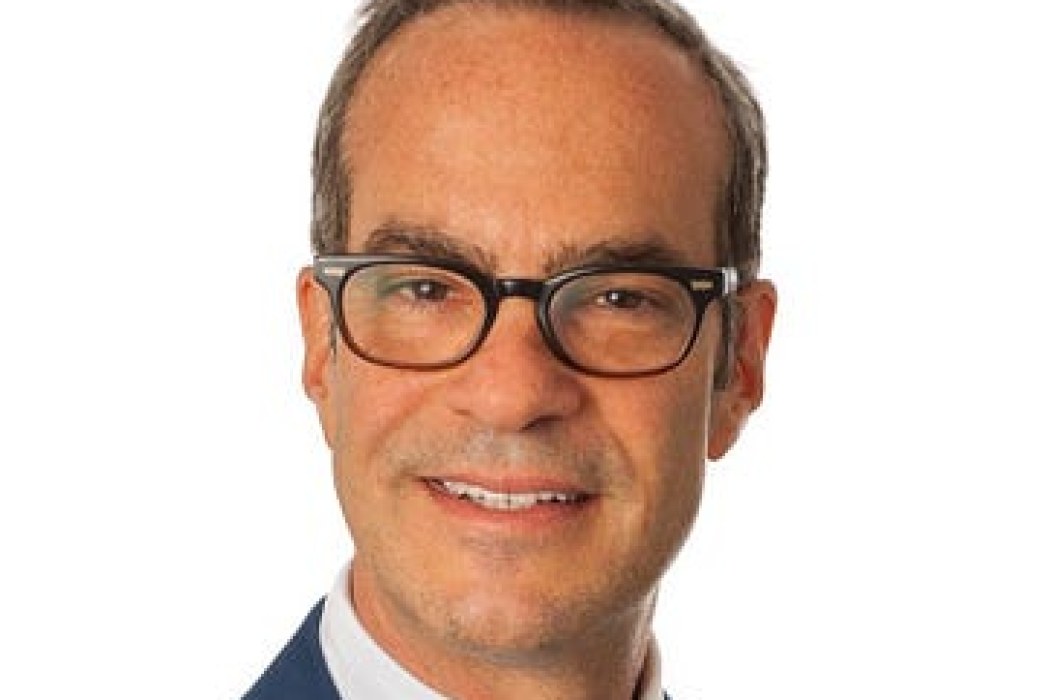
David J. Katz
David J. Katz is Executive Vice President, Chief Marketing Officer and self-styled 'Alchemist in Residence' at Randa Apparel & Accessories, one of the world's largest apparel and accessories companies, home to brands like Levi's, Calvin Klein, Tommy Hilfiger, Haggar and Dickies. He blends data, neuroscience, behavioral economics and storytelling to understand and influence consumer behavior across roughly 1,200 employees and more than 20,000 retail touchpoints worldwide. A LinkedIn Top Voice, co-author of the best-selling 'Design for Response,' and a frequent speaker at Shoptalk and NRF, he is a widely cited voice on retail, marketing and the arrival of AI in the store.
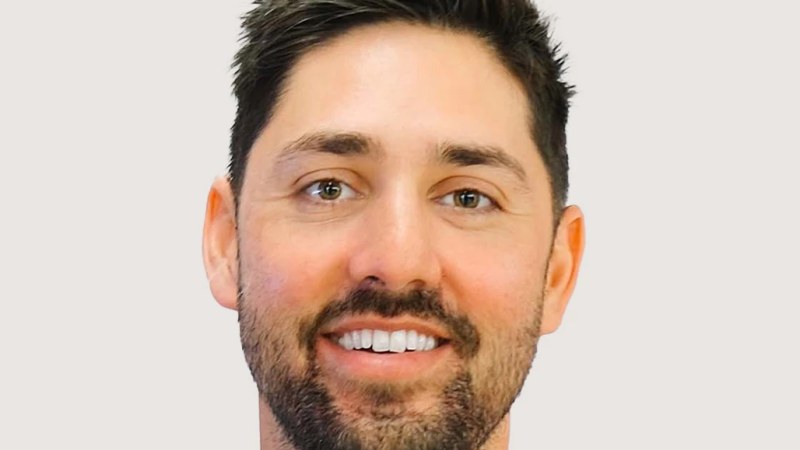
Matthew Loper
Matthew Loper is the co-founder and CEO of Wellth, a Los Angeles digital-health company that pays people small cash rewards for sticking to their care plans. A biological engineer from MIT turned healthcare banker and investor, he built Wellth around behavioral economics rather than technology - the idea that immediate, tangible incentives change what people actually do about their chronic conditions. Under his leadership Wellth has raised more than $73 million, including an oversubscribed $36 million Series C in 2025, and reports steep drops in hospital and emergency-room use among the high-need Medicare and Medicaid populations it serves.

Daniel Wexler
Daniel Wexler is the co-founder and CEO of EatWell, a Boston public-benefit startup that turns dinner into a doctor's prescription. He maps food deserts the way logistics planners map warehouses, then ships affordable one-pot meal kits into the neighborhoods that grocery chains forgot. Trained in public health and behavioral economics at the Harvard T.H. Chan School of Public Health, Wexler reframed groceries as a 'Food is Medicine' tool that health insurers can prescribe to fight food insecurity and prevent diet-related disease while lowering healthcare spend.

Wellth
Wellth is a Los Angeles-based digital health company that uses behavioral economics and small financial incentives to help high-risk patients build daily healthy habits - taking medications, checking vitals, and showing up to appointments. Through a consumer-grade smartphone app built around daily photo check-ins, Wellth works with Medicare Advantage, Medicaid, D-SNP, ACA and employer plans to improve care plan adherence, lift Star Ratings, and lower costly hospital admissions.

SparkPlug
SparkPlug is a San Francisco-based incentive management platform that turns frontline retail and restaurant employees into a brand's most effective sales force. By integrating directly with point-of-sale systems, it automates sales contests, goals, and commissions - often funded by the brands and vendors whose products those employees sell - and pays rewards out automatically. The company works with thousands of retail locations and hundreds of brand partners, betting that the people closest to the customer are the most underused influence in physical commerce.
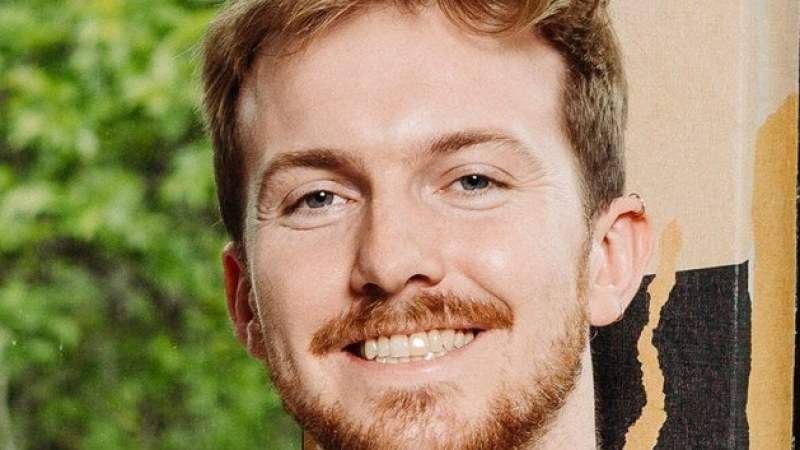
Andrew Duffy
Andrew Duffy is the co-founder and CEO of SparkPlug, a San Francisco software company that pays frontline retail and restaurant workers cash bonuses for the sales they actually drive. A behavioral-science nerd from Harvard who put in time at Bridgewater Associates and built a luxury whole-leaf tea brand before this, Duffy turned a teenage hot streak selling margaritas into a venture-backed platform that has routed millions of dollars in supplemental income to hourly employees and raised $11.5 million to keep going.

Bryan Caplan
Bryan Caplan is a professor of economics at George Mason University who turns provocative ideas into bestselling books and graphic novels. He coined 'rational irrationality' to explain why democracies pick bad policies, argues education is mostly signaling, champions open borders and housing deregulation, and keeps a perfect public betting record on his predictions. He writes the Substack 'Bet On It' and has built a career out of cheerfully defending unpopular positions with data.

Tom Orbach
Tom Orbach is an Israeli growth marketer, newsletter creator, and viral-campaign architect best known for building the LinkedIn Viral Post Generator (1.7M users, acquired in one week), leading Wiz's brand from obscurity to a $32B Google acquisition, and publishing the Marketing Ideas newsletter to 85,000+ subscribers. He operates at the intersection of behavioral economics, humor, and B2B marketing - turning 'boring' industries into viral moments.
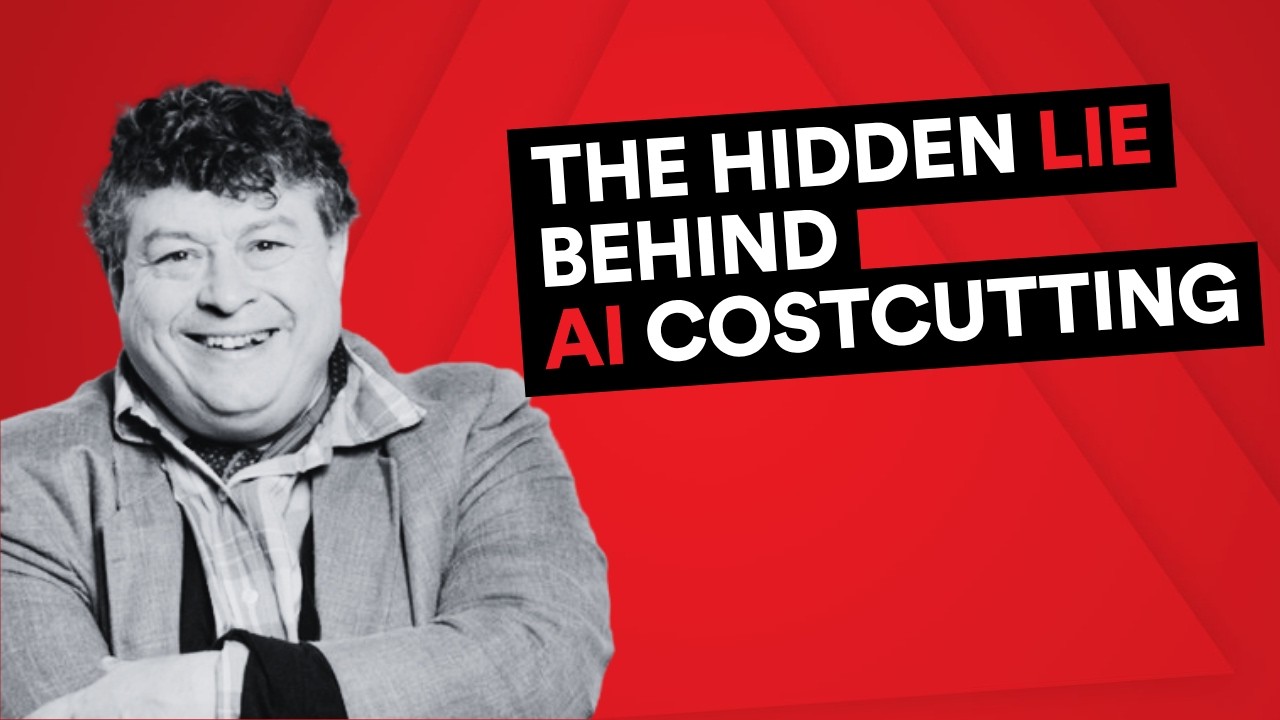
Rory Sutherland's Pessimistic (and Brilliant) Predictions for 2026
Rory Sutherland, Vice Chairman of Ogilvy UK and behavioral economics provocateur, delivers a characteristically contrarian set of predictions for 2026. He argues that AI will initially be weaponized by tech companies and consultants as a cost-reduction tool — what he calls the 'doorman fallacy' — stripping out human value while claiming efficiency wins. Drawing on the Austrian vs. Chicago schools of economics, the history of the electric motor, and a devastating critique of self-checkout tills, Sutherland maps out three phases of AI adoption and ends with a rallying cry to marketers: stop selling what you do, and start selling how you think.
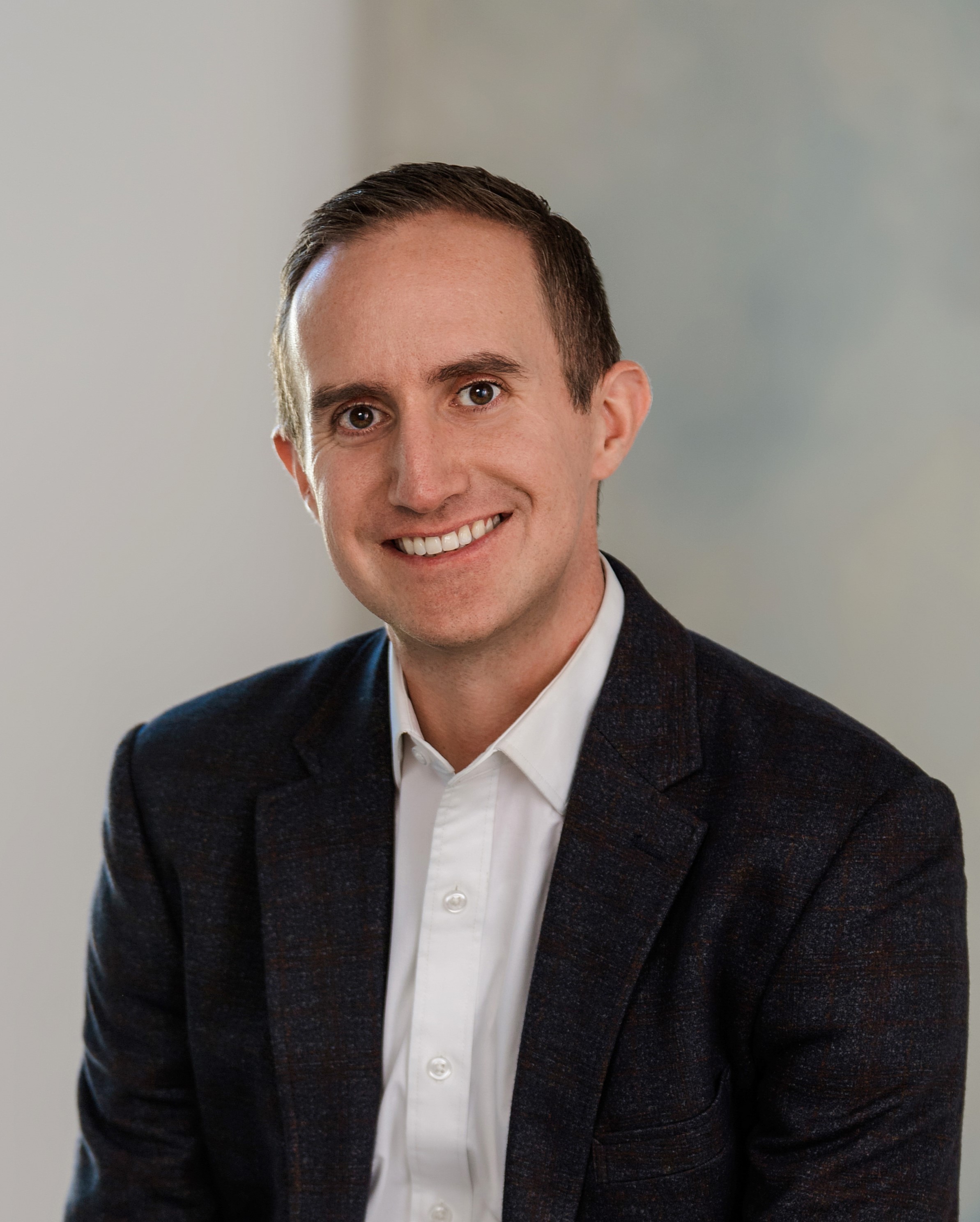
Morgan Housel
Morgan Housel is a partner at Collaborative Fund and bestselling author of 'The Psychology of Money' (2020) and 'Same As Ever' (2023), with over 11 million copies sold globally across 60+ languages. A former Wall Street Journal contributor and two-time Best in Business award winner, he writes about the intersection of human behavior and money, arguing that financial success is less about intelligence and more about temperament. Housel sits on the board of Markel Corporation and is widely regarded as one of the most influential voices in behavioral finance today.