ai-robotics
(8)
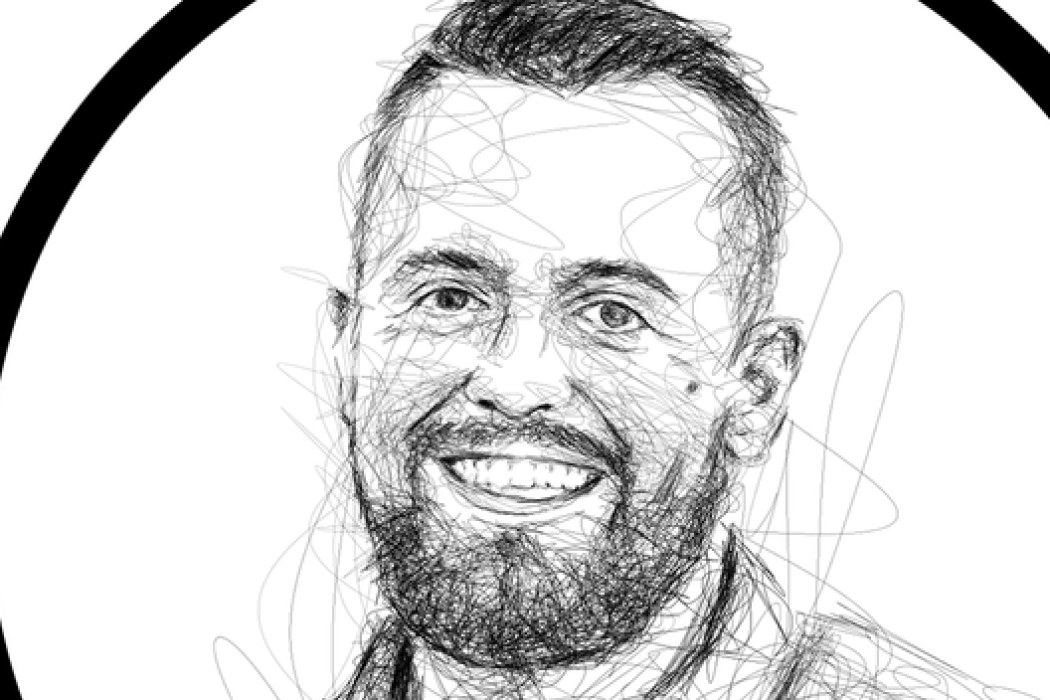
Vikram Pavate
Vikram Pavate is the CEO and co-founder of Tacta Systems, a Palo Alto robotics company building 'Dextrous Intelligence' - a fusion of AI, software and tactile hardware meant to give robots human-like touch, spatial awareness and manipulation skills. A hard-tech operator with roughly three decades in advanced materials and hardware, he trained as a ceramic and materials engineer, earned an MBA from Wharton, and holds dozens of patents. Before Tacta he co-founded and ran the sensing and location startup Locix, and led business development at LuxVue Technology, the micro-LED display pioneer acquired by Apple in 2014. In June 2025 Tacta emerged from stealth with $75 million in funding to bring physical dexterity to machines.
Joel Anderson
Joel Anderson is the founder and CEO of ZeroMark, a New York defense-technology startup building an AI-and-robotics fire control system that turns ordinary infantry rifles into auto-aiming counter-drone weapons. A U.S. Navy veteran who went on to help scale MongoDB from a small team to a public company as a senior technical and security leader, Anderson founded ZeroMark in 2022 after an 'epiphany' driving his Tesla to a shooting range: consumer machines could aim and track better than a soldier could. Backed by Andreessen Horowitz's American Dynamism fund and Ground Up Ventures, ZeroMark markets what it calls a 'handheld Iron Dome' - a motorized buttstock and sensor pod that make hitting a small drone at 200 yards, in Anderson's words, 'as easy as hitting a 60-foot-diameter circle.'
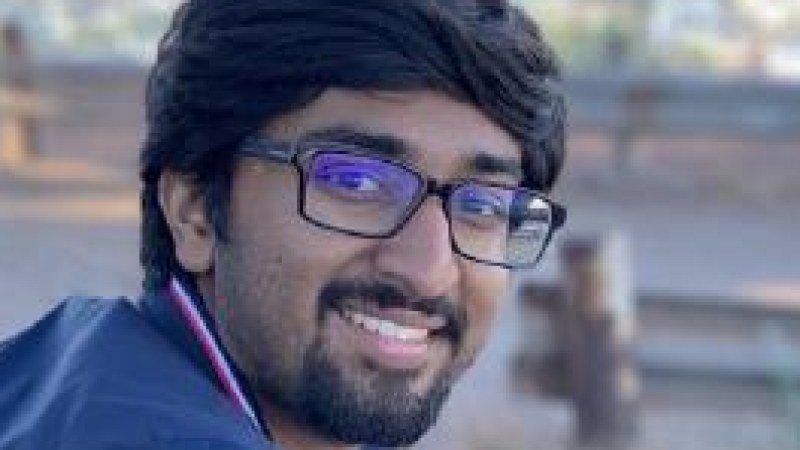
Adarsh Kulkarni
Adarsh Kulkarni is the founder and CEO of Foundry Robotics, a San Francisco startup building what it calls the 'Everything Factory' - an AI-and-robotics-first, assembly-focused, dual-use contract manufacturer aimed at rebuilding American manufacturing capacity. A Penn GRASP Lab robotics engineer, he cut his teeth deploying legged robots underground for the DARPA Subterranean Challenge, was an early autonomy engineer at Ghost Robotics (acquired for $400M), built ML infrastructure at self-driving truck company TuSimple, and rose to Head of Robotics at Scale AI before striking out on his own. Foundry uses Vision-Language-Action foundation models to let a single factory assemble many different products without traditional retooling, and raised a seed round in early 2026 backed by Garuda Ventures and Khosla Ventures.
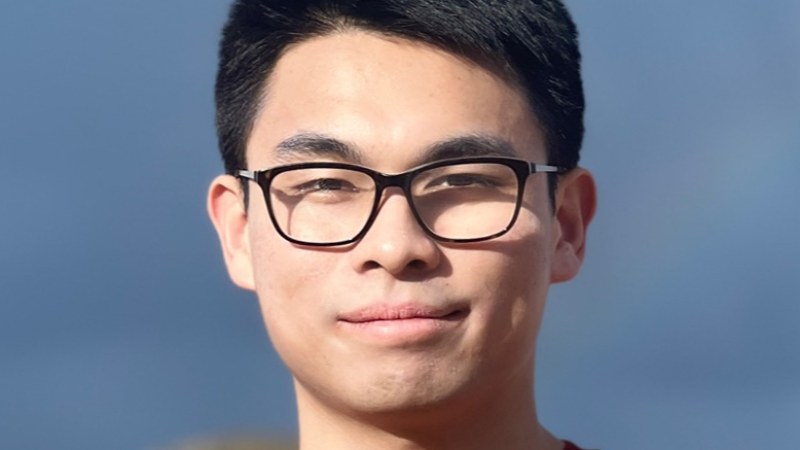
Tao Chen
Tao Chen is the co-founder and CEO of Dexmate, a Santa Clara robotics startup building general-purpose mobile humanoid robots with genuinely dexterous hands. An MIT CSAIL PhD whose research on in-hand object reorientation won the CoRL 2021 Best Paper Award and landed in Science Robotics, Chen left academia to chase a single conviction: that robots will only matter when their hands can do the small, fiddly, human things. Dexmate's first product, Vega, a folding dual-armed robot built in under six months, is his bet that the moment has finally arrived.
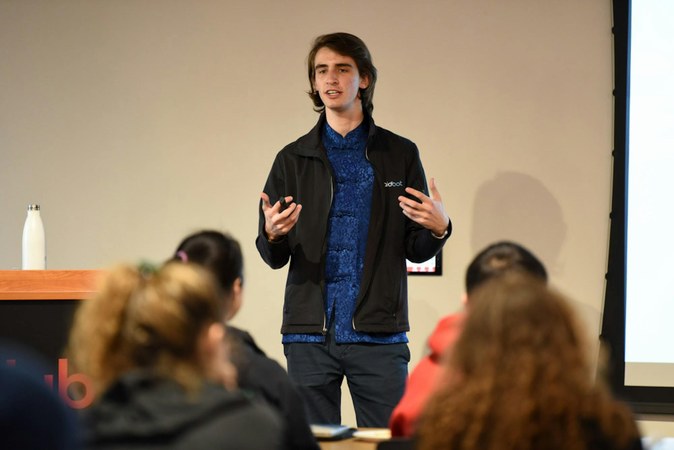
Micah Green
Micah Estis Green is the founder, president, and CEO of Tailos, the Austin robotics company behind Rosie, an AI-powered commercial robot vacuum that cleans the floors of hotels, senior-living communities, and multifamily buildings. He started the company (originally Maidbot) in a Cornell dorm room in 2015 after a class assignment put him to work as a hotel room attendant, and built it into a fleet deployed across 12 countries. A 2017 Thiel Fellow and 2018 Forbes 30 Under 30 honoree, he has been assembling robots from kits since age five.
Rajat Bhageria
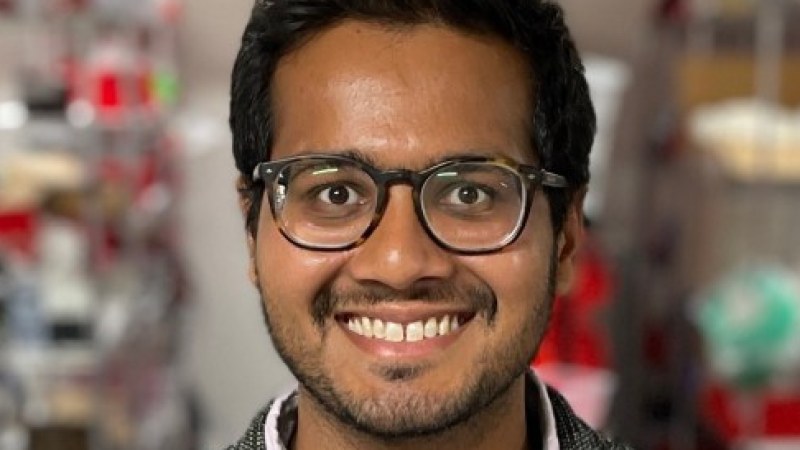
Rajat Bhageria is the founder and CEO of Chef Robotics, a San Francisco-based company building AI-enabled robotic systems for flexible food assembly automation. After founding accessibility tech startup ThirdEye (acquired 2017) and co-founding pre-seed VC fund Prototype Capital, Bhageria launched Chef Robotics in 2019 to tackle the labor crisis in food manufacturing. The company has deployed robots across 12+ facilities in the US, Canada, and Europe, completing over 100 million food servings as of April 2026, backed by $72.7M in total funding. A Forbes 30 Under 30 honoree (2022), Bhageria is also a published scientist, author, and prolific writer with bylines in Forbes, TechCrunch, and HuffPost.
Fred Parietti
Fred Parietti (Federico) is the Co-Founder and CEO of Multiply Labs, a San Francisco-based robotics company building automated biomanufacturing infrastructure for next-generation pharmaceuticals. Armed with a PhD in robotics from MIT and a childhood passion for Legos, he bet his career on a contrarian thesis: that the highest-value application for advanced robotics wasn't pizza delivery or self-driving cars, but cell therapy manufacturing — where a single batch is worth $400K to $2 million and still made by hand. Multiply Labs has raised over $25 million and announced an $85 million partnership with Retro Biosciences, positioning itself to slash cell therapy costs by 70% and bring life-saving treatments to millions instead of thousands.
Laurence Allen
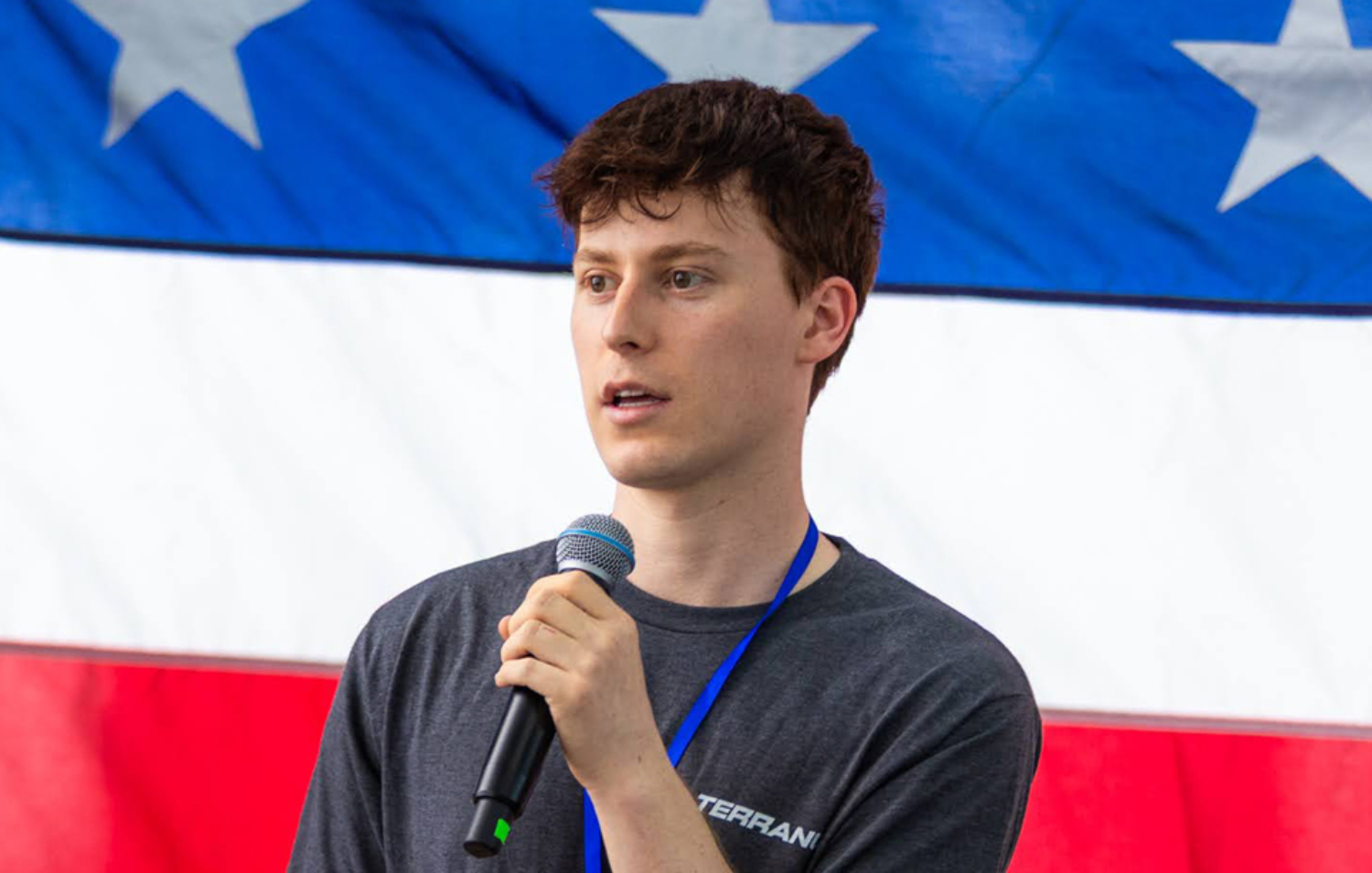
Laurence Allen is the co-founder and CEO of Terranova, a Berkeley-based startup building autonomous terraforming robots that lift flood-prone land out of harm's way by injecting wood waste slurry deep underground. A UC Berkeley Mechanical Engineering graduate (2024) who conceived the idea during a 2021 SpaceX internship, Allen launched the company — originally called Levitree — to save his own hometown of San Rafael, California, which floods to waist depth several times a decade. Terranova closed a $7M seed round in late 2025 at a $25.1M valuation led by Congruent Ventures and Outlander, and can lift one acre of land by one foot per day at a fraction of the cost of traditional seawalls. Allen was named to the 2026 Forbes 30 Under 30 list in Energy & Green Tech, took a leave from his Stanford master's program to scale Terranova full-time, and entered 2026 actively pursuing commercial elevation projects across the Bay Area for flood prevention, development, and wetland restoration.