The boat is hanging in the air, which is not where boats belong. A helicopter carries it over a Mexican lake while cameras wait below. This is a product demonstration for Minn Kota and Humminbird, though it has been disguised as the opening scene of a reality competition. The technology is real. The anglers are real. The arrangement is delightfully unreasonable.
It is also a tidy explanation of Swanson Russell. The Lincoln, Nebraska, advertising agency is not famous for selling soda, sneakers or phones. Its territory is narrower and muddier: trolling motors, turf chemicals, compact track loaders, cattle-industry communications and the stubborn pride of people who know how equipment should feel in their hands. The agency's trick is to know these people well enough to earn the right to do something strange.
The conventional agency introduces itself with a parade of capabilities. Swanson Russell has those too - strategy, creative, media, public relations, websites, social, research, customer experience. But capabilities are easy to list and hard to distinguish. Its more consequential choice was subtraction. On its own approach page, the company says, plainly, “We are not all things to all people.” It concentrates on outdoor recreation, agribusiness, construction and the green industry.
In a business that usually sells breadth, Swanson Russell made chosen limits the product.
The outdoors is not a backdrop
Gus Swanson, an avid outdoorsman, began pursuing hunting and fishing accounts after co-founding the agency with Steve Russell in 1962. Russell later turned that instinct into a strategy: specialize by industry, and a regional shop might compete for national work. Sixty-four years later, the agency still operates from Lincoln and Omaha. The names on the client reel - Minn Kota, Humminbird, Bushnell, Exmark, SiteOne, Nufarm, Takeuchi, Arctic Cat and Cattlemen's Beef Board - explain how far that narrow idea traveled.
Specialization here does not mean putting a trout in an ad and calling it authenticity. It means knowing the status systems inside a market. A seasoned equipment operator does not necessarily want a machine described as easy; “easy” may sound as if mastery no longer matters. For Takeuchi's TL11R3, Swanson Russell instead framed new controls as a machine keeping pace with the operator's instinct. The technology helped the craft rather than insulting it.
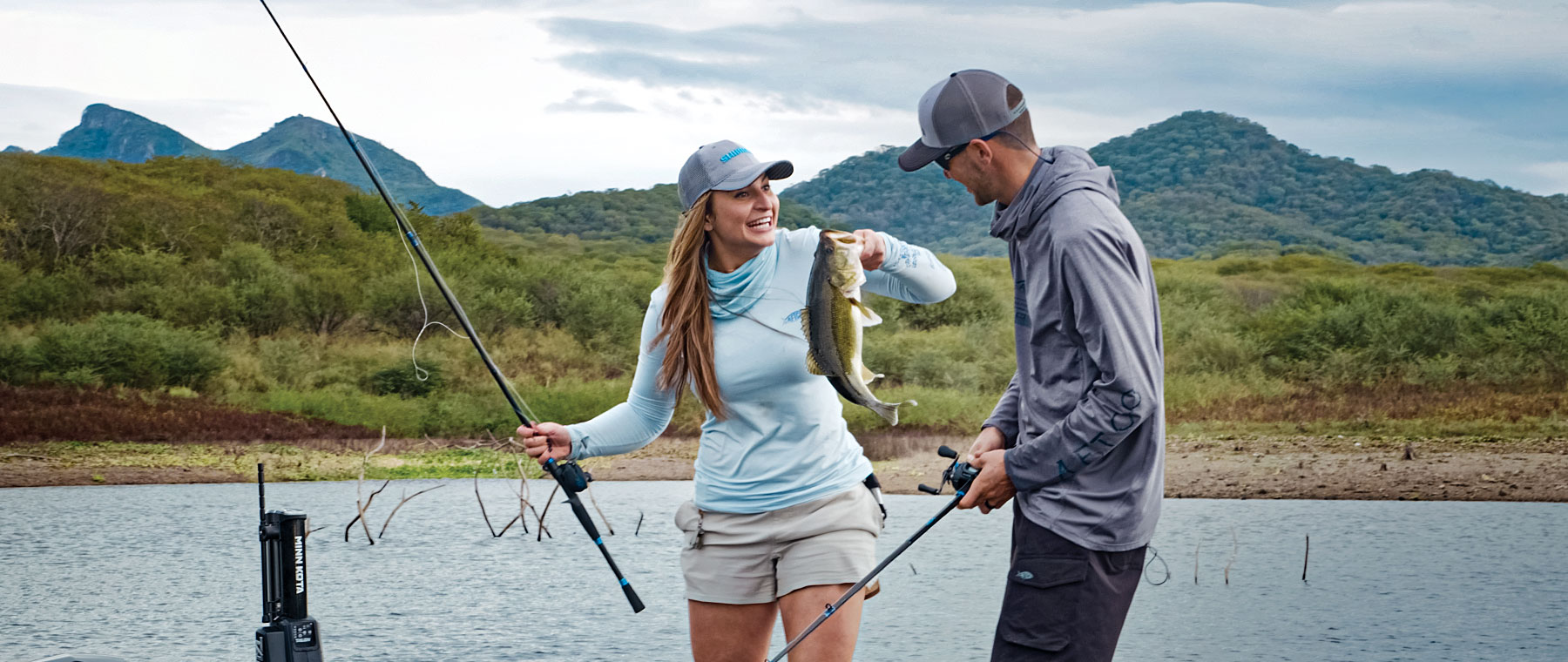
That distinction is the agency's market position. A generalist can learn the feature list. A specialist is supposed to notice what the feature threatens, flatters or proves. Swanson Russell sells that judgment to brands whose buyers can detect an impostor quickly - farmers, contractors, landscape professionals, hunters and anglers who often know more about the product category than the person writing the advertisement.
The repeatable move
- Find the identity.
What does the audience believe about itself? - Name the tension.
What does the category keep getting wrong? - Make proof travel.
Turn product truth into media people choose to carry.
What failed first was the ordinary answer
Consider Walls Outdoor Goods. The company made durable workwear in a category full of companies making durable workwear. Its unaided awareness was stuck in single digits. The ordinary answer - another portrait of a tough man wearing a tough jacket - had already been claimed by deeper-pocketed competitors. Swanson Russell's research found a more useful enemy. Outdoor tradespeople did not merely endure weather; many of them preferred life outside. So the campaign made fluorescent lights, cubicles and stale indoor air the villain. “Anti-Indoor” turned a product category into a declaration of temperament.
The same reversal appeared when John Deere Landscapes lost the right to use the Deere name after an acquisition. Brand recognition, the asset everyone would have protected, was the one thing unavailable. Research shifted attention from the missing name to the branches themselves. Landscape contractors treated them like the first stop of the workday - part supply house, part neighborhood tavern. Swanson Russell named the business SiteOne, built the line “Stronger Together,” and helped change signs and merchandising at more than 400 locations within two months.
In each case, the mind changed because observation beat inheritance. Walls stopped borrowing the category's tough-guy language. SiteOne stopped mourning a borrowed name. Minn Kota and Humminbird stopped treating a launch as a recital of specifications and made a four-episode competition instead. The creative leap looks dramatic only after the quiet research has made it safe.
The full-service shop with a narrow front door
Once inside that door, clients buy a broad agency. Swanson Russell plans brands, develops campaigns, purchases media, manages public relations, builds sites, produces video, runs social programs and measures response. It earns fees for projects and continuing account work. One dated but revealing public example comes from a 2019 bid to the Nebraska Corn Board: a discounted rate of $135 an hour, increasing modestly each year, plus 100 unbilled hours to learn the organization. It was not charity. It was a wager that early understanding would make the later hours better.
A historical window, not a current rate card. The 2019 public bid also offered 100 hours of unbilled immersion. The copyable idea is the allocation: put real time against learning before asking creative work to perform.
The agency remains privately held. Public procurement records from 2018 described Dave Hansen and Brian Boesche as majority owners, with Brent Schott, Greg Wiley and Joe Maguire holding minority interests then. Schott's own route through the company is unusually instructive. He arrived in 1990 as a computer graphic designer, then worked in design, copywriting, database marketing and account service before becoming president in 2020 and later CEO. A full-service business is easier to run when its leader has lived in several of the services.
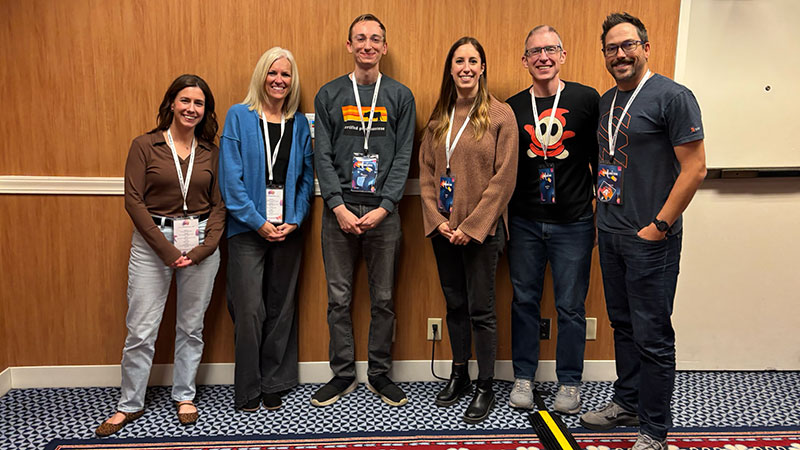
Culture supports the pitch. The company describes “big ideas, without big egos” and says its average client relationship lasts twice the industry standard. Its staff pages are full of archery, horses, volunteer shifts, trade events and outdoor hobbies. Some of this is employer branding, naturally. But it also solves a commercial problem: if the agency promises fluency in enthusiast and professional cultures, it needs people willing to inhabit them between assignments.
Old instinct, new machinery
Swanson Russell has not treated specialization as nostalgia. In 2025 it described a behavioral AI system that lets synthetic personas move through emotional states and revisit a decision under different messages. In 2026 it added answer-engine visibility work: auditing where a brand appears in AI answers, building evidence-rich content, earning third-party signals and monitoring citations. The tools are new. The question underneath them is the agency's oldest one: what would make this particular person believe?
There is evidence that the model produces durable work. In 2022, the agency said revenue had grown 34 percent across five years. It had added 12,000 square feet to its Lincoln office, won five consecutive AAF Nebraska Best of Show awards and collected an AMA corporate marketer honor. In 2025, it won 14 more state advertising awards. A Takeuchi public-relations launch that year produced 52 trade placements, more than 2.3 million impressions, four times the prior coverage and a 10 percent lift in share of voice.
The numbers are useful, but the more portable lesson is smaller. Pick an audience whose details reward patience. Learn the rituals, the insults and the sources of pride. Find the category language everyone else repeats because nobody remembers choosing it. Then make the product prove that it belongs.
Where the method loses traction
- When the client wants instant category fluency but will not fund or permit immersion.
- When specialization becomes a costume and the people making the work never meet the audience.
- When a product lacks credible performance evidence and identity must carry the entire campaign.
- When a company needs one global consumer idea more than several precise subculture truths.
That is less glamorous than dangling a boat from a helicopter. It is also the reason someone eventually lets you dangle the boat.