A short flight has a peculiar enemy: everything surrounding it. The drive to the airport. The wait. The connection that sends you somewhere else before you reach the place you meant to go. Surf Air began with an appealing proposition for people making the same California trip repeatedly: turn flying into a membership.
- Book scheduled regional flights or arrange a private charter.
- Sell the software behind sourcing, scheduling and operations.
- Bring partner-built electric aircraft into existing routes.
By October 2026, that proposition had grown into something stranger and more interesting. The wider Surf Air Mobility group ran commuter airlines, arranged private charters and sold aviation software. It also had an electric-aircraft order. The connective tissue was an idea: operating flights might teach you how to build tools that other aviation businesses would pay to use.
The airport was only half the problem
Brothers Wade and David Eyerly founded the original airline, which began California membership flights in June 2013. The appeal was repetition: a customer who kept making the same journey could value predictable access and less airport friction.
A membership can simplify purchasing. Behind each departure, however, somebody still has to match an aircraft, a crew, a customer and a usable schedule. Today’s company has widened its attention to that machinery. Its contemporary story includes a different set of co-founders at parent-company level, including Sudhin Shahani and Liam Fayed, and a much broader operating business.
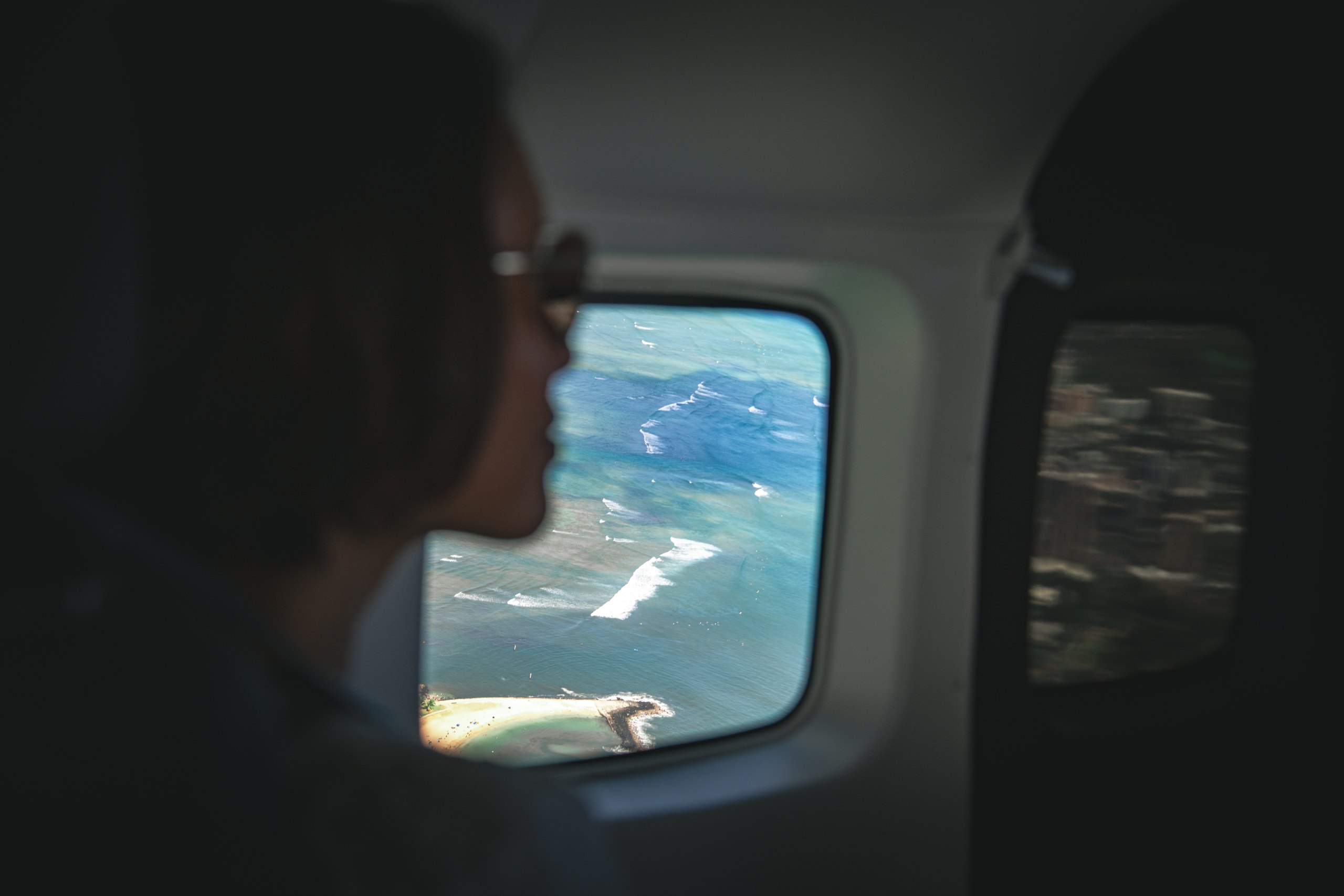
Three businesses, one messy journey
Start with the passenger. Southern Airways Express and Mokulele Airlines provide scheduled flights; Mokulele serves Hawaii’s interisland market. Southern’s work includes Essential Air Service routes supported by government contracts. These customers include residents and visitors who need regional connections, alongside travelers connecting into wider airline networks.
Then there is Surf On Demand, which arranges private passenger and cargo charters. Its website offers access to more than 100 aircraft types. Customers can request an itinerary, compare suitable aircraft and work with the team on changes. Surf On Demand itself is not an air carrier; independent carriers perform the flights.
The third customer sits behind a desk. SurfOS, developed with Palantir, is a software family: BrokerOS for charter sourcing and sales; OperatorOS for flight operations; OwnerOS for aircraft owners. The commercial opportunity is to bring scattered work into a connected system. A quicker quote matters only if the aircraft and people behind it can deliver.
It enters a market with existing software specialists, including FL3XX and Avianis, which also connect flight-management tasks. Surf Air’s particular pitch draws on running its own airline and charter businesses. That experience gives it a place to test ideas before asking an outside operator to reorganize around them. Buyers still have to judge the integrations, implementation work and economics against their existing tools.
One journey. Several businesses behind it.
The overlap produces a delightful wrinkle: a travel alternative can become a software customer. In June 2026, Wheels Up became Enterprise BrokerOS’s launch customer. Its agreement has an initial two-year term and an optional third year, with up to $12 million in expected subscription fees. Surf Air can earn money helping another company arrange flights.
The detours were expensive
This was no tidy march from clever idea to inevitable expansion. The original Eyerly founders departed in 2014. In 2022, plans to acquire hybrid-electric developer Ampaire were dropped; later that year, the proposed Tuscan Holdings II SPAC combination was mutually terminated. Surf Air Mobility eventually reached the public market through a July 2023 direct listing, alongside its Southern Airways combination.
The financial distinction matters. An abandoned transaction value is not money spent. Nor is an improved airline operation the same as a profitable parent company. In 2025, Surf Air Mobility reported $106.6 million in revenue and a $110.5 million net loss. Its 2026 second quarter brought $29.5 million in revenue and a $28.1 million net loss.
The operational work is specific: reconciling fuel records with vendor invoices and calculating reserve-crew needs by base. In October, the company attributed a 6% year-to-date decline in direct operating cost per block hour partly to SurfOS. That is a company-reported result, rather than independent proof of what every customer will save.
Management has also changed what it intends to fund. On the March 2026 earnings call, it said it no longer planned to invest the projected $50 million to $100 million in the Caravan electrification program. The stated reasoning was capital allocation: concentrate on software and partner-led electric aviation. That range described prospective investment, not a disclosed bill already paid.
Hawaii makes the experiment concrete
The alternative arrived through BETA Technologies: 25 firm ALIA aircraft orders, with options for up to 75 more. The plan starts with cargo and moves toward passenger service after certification. Hawaii supplies an existing interisland network and demand, rather than requiring the company to invent a reason for people to travel.
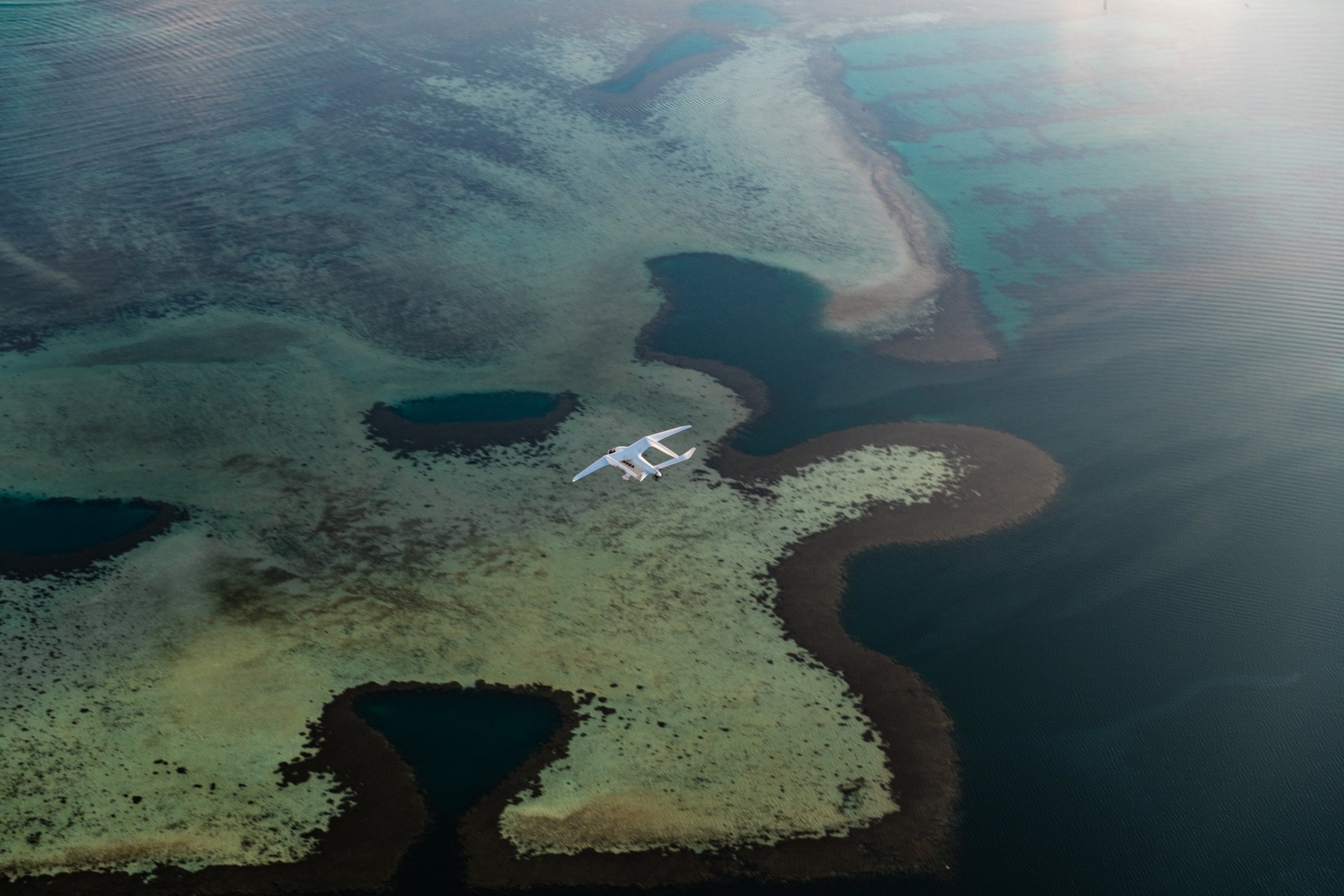
Electric aircraft also require decidedly earthbound work: charging, trained maintenance teams, regulatory approvals and reliable operations. Surf Air and BETA plan local support infrastructure, including a proposed factory-authorized Hawaii service center subject to requirements. Until the pieces are ready, the electric passenger proposition remains a deployment plan. Short routes alone cannot settle the equation. Charging time must fit the schedule, maintenance must keep aircraft available, and the operator needs enough paying demand to make each service worthwhile.
Sell the solution you have had to use
The useful lesson is visible in OperatorOS. It ran inside Surf Air’s airlines before the company signed outside customers. On October 15, Flying Zebra became its fifth signed commercial OperatorOS agreement, with Surf Air earning a percentage of revenue on trips managed through the software. Signed contracts and completed deployments remain separate milestones.
“We are pivoting to growth.”Deanna White, CEO / March 2026
That sequence is worth copying: solve a recurring operational problem, use the tool yourself, then ask whether others share the problem. It requires usable data and customers willing to change workflows. Aircraft must still be available, routes must make economic sense, and software must justify its cost. Surf Air’s next test is whether its experience can travel beyond its own fleet.