The problem with the wipes test was the price tag. Clorox was testing in 50 stores when shelf photographs exposed incorrect pricing. According to Storesight’s account, the team corrected the problem within two weeks, before conventional reporting would have flagged it. A test meant to measure demand could otherwise have measured a mistake. The spreadsheet would still have looked perfectly respectable.
- The job: show consumer brands what shoppers actually encounter.
- The machinery: shopper photographs, quality checks, and AI image analysis.
- The payoff: evidence for fixing prices, placement, availability, and displays.
The test had a price problem
That little pricing error explains Storesight better than a procession of AI buzzwords. Sales data records the transaction. A shelf photo can reveal the conditions around it: the wrong label, the competitor next door, the product marooned near the floor. For a category manager trying to explain disappointing results, those details change the next question.
Storesight sells that closer look. Its customers are consumer packaged goods companies, the businesses behind the food, cleaning products, and toiletries moving through retail. Sales and category teams use its software to inspect stores from their desks, compare competitors, and verify whether a launch or promotion arrived as intended.
“It’s our eyes on the shelf.”
Ginger Macfarlan / The Clorox Company
The shopper was already there
The idea began with a device people were carrying anyway. Field Agent launched in 2010, founded by Rick West, Henry Ho, and Kelly Miller. West and Ho brought Procter & Gamble experience; Miller supplied the app development. The smartphone’s camera and location capabilities suggested a practical business: pay ordinary people to gather information where they already shopped.
There was a useful access problem behind the idea. West described suppliers struggling to enter stores during busy periods, including the holidays. Customers, meanwhile, continued walking through the doors. A shopper with a phone could check a price or photograph a display without turning every question into a company road trip.
In June 2024, Field Agent acquired Toronto-based Shelfgram, founded in 2020 by Bram Warshafsky. Shelfgram brought software for organizing and analyzing retail photographs. The companies’ capabilities fit together: collecting images creates an archive; making that archive searchable makes it useful repeatedly. In July 2025, they introduced the unified Storesight identity.

A search engine for the aisle
The platform starts with shopper-captured images. Storesight describes quality assurance by its Data Services team and AI that reads text, identifies prices, and assesses stock conditions. Users filter photographs by retailer, location, category, brand, and date. The important unit is a specific observation that another person can inspect.
Its tools make those observations easier to compare. Price Checks can expose regional differences and export results to Excel. Planogram views stitch section shots into an aisle view. Time Travel retrieves historical photographs, giving teams a way to examine how the same section changed. Attention heatmaps estimate where eyes might go; they should be read as modeled attention.
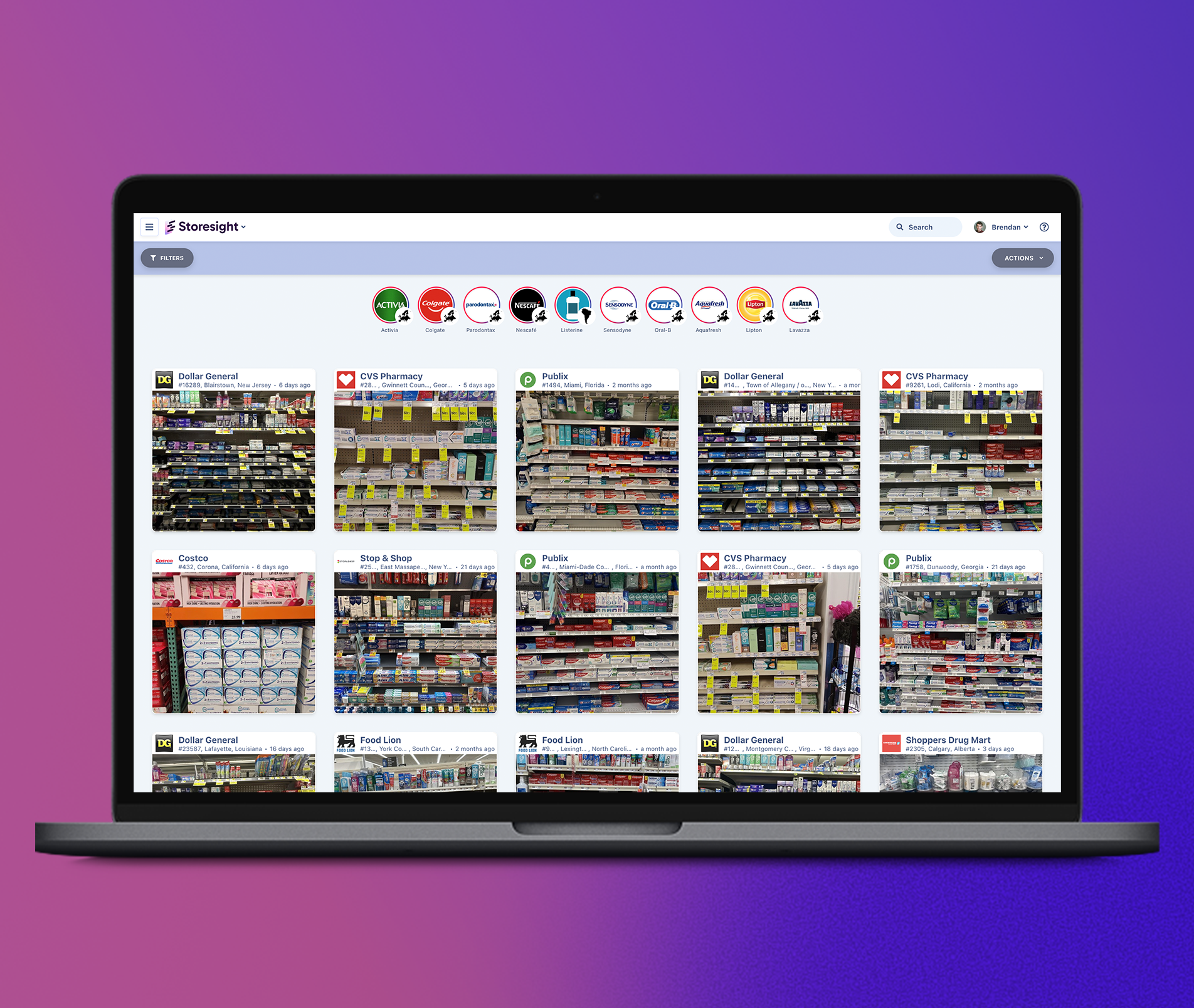
February 2026 brought Share of Shelf, a product for measuring facings and shelf presence continuously. At launch, Storesight reported coverage exceeding 80% of All-Commodity Volume across more than 480 categories and 5,000 brands. ACV describes sales-weighted market coverage. It does not mean every store or every shelf is photographed continuously.
Space is a different measure from sales.
This is where Storesight sits in the market: between field research and enterprise retail analytics. Manual visits offer a direct look but take staff time. POS feeds provide transaction histories but leave physical context unexplained. Storesight combines a distributed capture network with software for repeatedly interrogating the resulting imagery.
The upload screen had to go
The revealing engineering story is refreshingly ordinary. Shelfgram’s February 2025 changelog describes a capture process that required individual photo uploads. Users then waited on a locked upload screen. A system intended to speed store checks was making its contributors stand still.
The fix batched photographs and moved uploading into the background. Later updates refined brand highlighting that had picked up common category words. These are modest details with large implications: collecting more pictures depends on reducing friction, and searching them depends on distinguishing the relevant package from the surrounding noise.
- 01 / CaptureShopper photographs the shelf.
- 02 / InspectQuality checks and AI organize the evidence.
- 03 / ActBrand team assigns a retail follow-up.
Who pays for a better look?
Published customer stories include PepsiCo, Barilla, Kenvue, and Church & Dwight. The latter describes investigating “phantom inventory”: products recorded in retailer systems but absent from shelves. A photo gives the brand and retailer something concrete to investigate together.
The business combines software subscriptions with paid data services. Store Audits handle targeted questions; Premium Dashboards package reporting; an API feeds enterprise systems. Ratings & Reviews mobilizes product trial and honest feedback, with on-demand and subscription options. Enterprise access includes unlimited seats, making it easier to bring field partners into the same investigation.
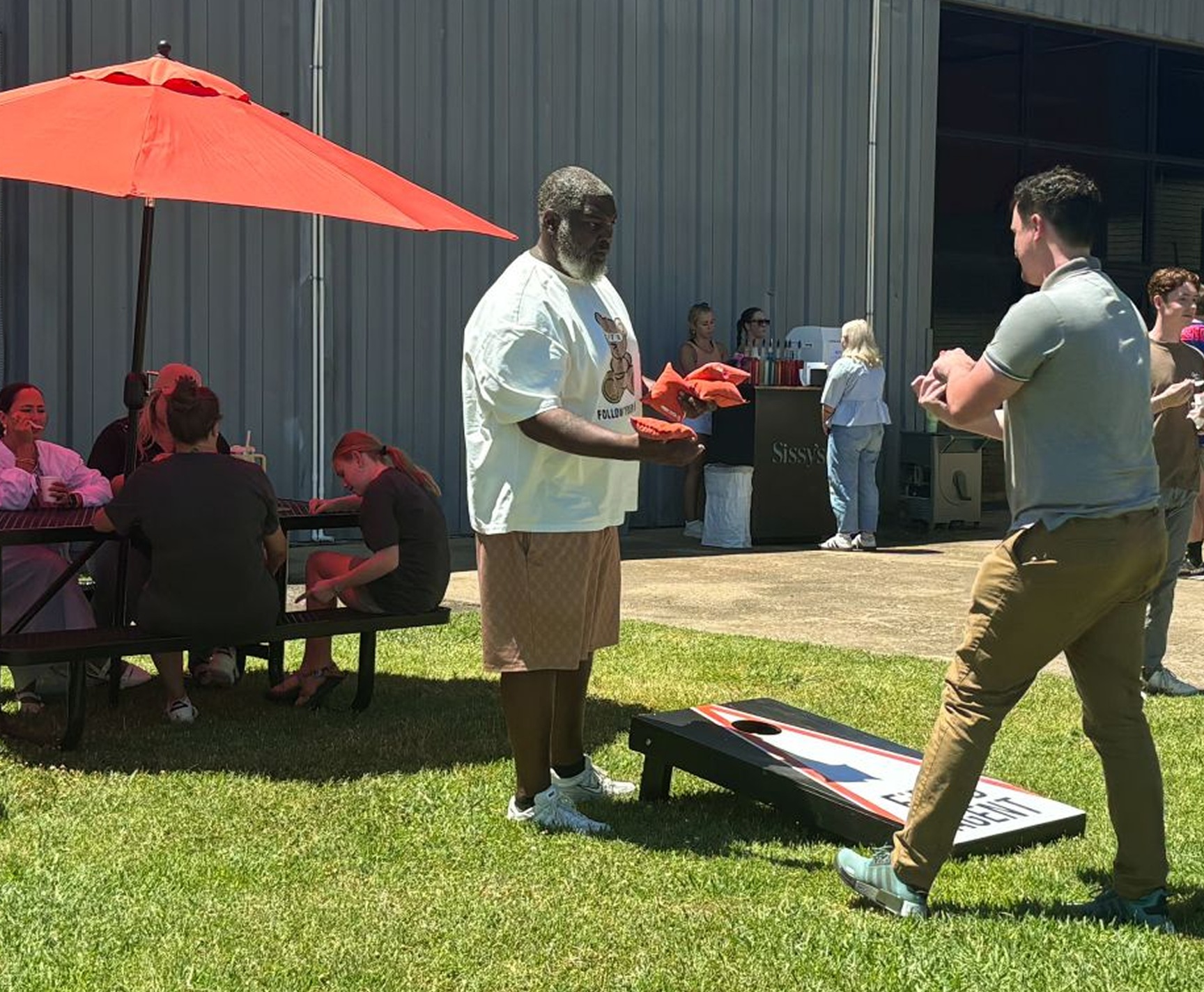
Capital followed the combination. Five Elms led a strategic growth investment in September 2024 to support product development and market expansion. Current CEO Ty Kasperbauer leads a team whose public culture materials emphasize workshops, lunches, and volunteer days. The company’s own photographs include a less analytical pursuit: cornhole.
Give the photograph a job
The useful habit to copy is straightforward: verify execution before explaining performance. Choose a question, a retailer, a time window, and a person responsible for the response. Storesight’s own guidance recommends sharing evidence with partners, specifying the desired change, and checking back. A photo becomes more valuable when someone has agreed what to do about it.
The method depends on suitable coverage, recent images, readable labels, and people who can intervene. A photograph records a moment; it cannot replenish a shelf. For a team prepared to follow through, though, it offers a satisfying starting point: before debating what the numbers mean, look at what the shopper saw.