In July 2023, a piece of caster-shear equipment at Steel Dynamics’ Sinton mill developed a problem. The hot mill stopped. The electric arc furnace was idled. Management expected the interruption to cost 50,000 to 70,000 tons of shipments. For a company whose business depends on keeping metal moving, the episode exposed an awkward fact: the economics of a very large plant can turn on one troublesome machine.
- Own more of the journey: scrap, steel, finished building components.
- Sell useful specifications and dependable supply, alongside the metal.
- New capacity earns its keep only when it runs reliably.
Steel Dynamics is easy to file under steelmaking. That description misses the interesting part. This is a company that has spent decades connecting businesses usually encountered on separate invoices. A scrapyard. A furnace. A coating line. A manufacturer of roof decking. Each offers a different way to solve the same problem: getting the right metal to the right customer at a workable cost.
01 Build the demand. Then secure the supply.
The company began in 1993 with three steel veterans: Keith Busse, Mark Millett, and Richard Teets. Its 2003 annual report says the team raised more than $385 million in private capital to build its first mini-mill. The word “mini” deserves a moment here. It describes a steelmaking approach; the financing was anything but miniature.
Production started in Butler, Indiana, in 1996, the year the company went public. In 2000 came a revealing move: a joist-and-deck plant. It made building components, but it also created an outlet for the company’s flat rolled steel. Steel Dynamics could participate further along the route from raw material to construction project.
Then it moved in the other direction. The 2007 acquisition of OmniSource brought scrap collection and processing into the business. The logic was practical. An electric furnace needs suitable metallic inputs. Owning a recycler gives the steelmaker more control over procurement and preparation, while the recycler still sells to outside customers.
A simplified steel pathway. Each business also serves external customers.
02 A catalog hiding in plain sight
Consider what a buyer actually needs. A car manufacturer needs steel with particular strength, surface, and forming characteristics. A pipe maker needs material suited to its process. A construction customer needs components that fit an engineered design. “Steel” is the beginning of the conversation.
Steel Dynamics sells hot rolled, cold rolled, coated, and painted sheet. Its long-products range includes beams, rail, engineered bars, and reinforcing bar. New Millennium supplies joists, girders, trusses, and decking. OmniSource buys and processes ferrous and nonferrous scrap, with transportation, brokerage, and scrap-management services attached.
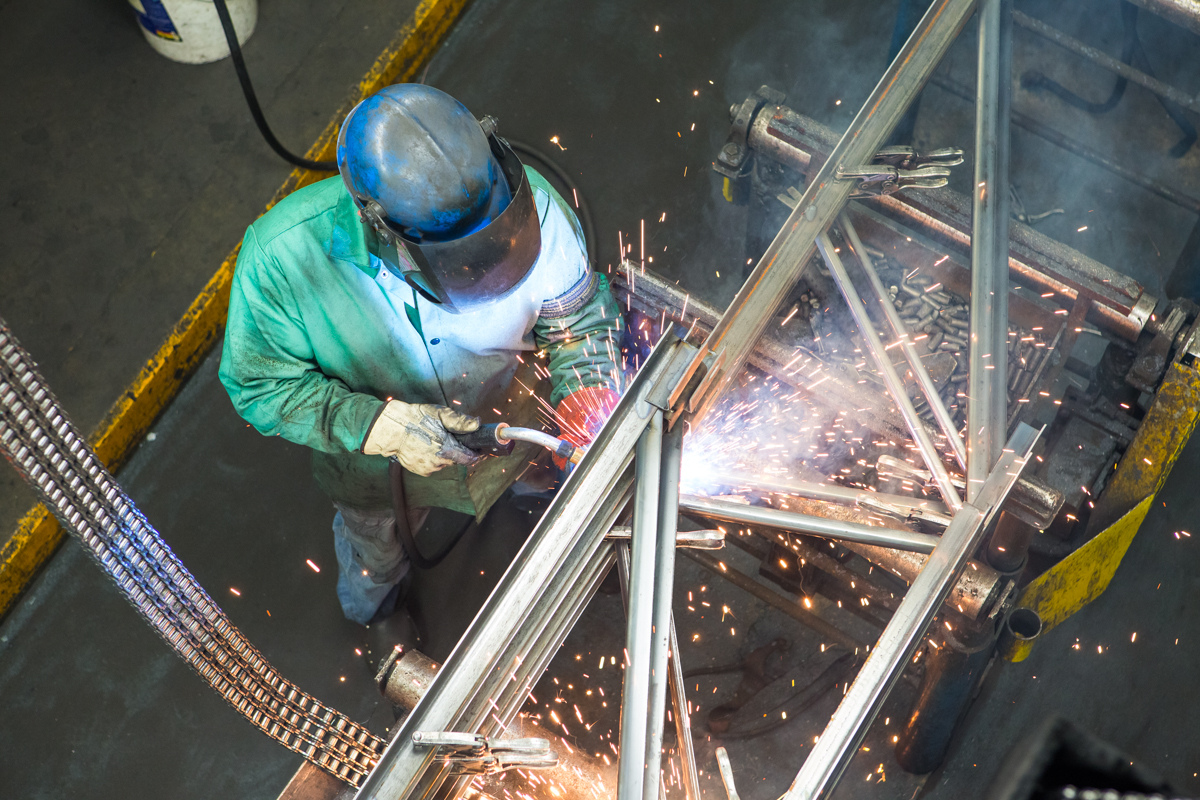
The customer list therefore stretches across service centers, manufacturers, railroads, contractors, and other mills. This is a business selling to businesses, earning money from processing, manufacturing, and finishing metal. The important margin lies between what those products fetch and the materials, energy, labor, and equipment required to make them.
03 The furnace is only half the argument
An electric arc furnace uses electricity to melt metallic inputs, principally recycled ferrous scrap in Steel Dynamics’ model. That differs from the ore-and-coke route associated with blast furnaces. It also creates a commercial reason to care about the scrap stream: yesterday’s discarded metal becomes today’s raw-material supply.
The technology alone cannot explain the company’s position. Nucor also operates electric furnaces. Buyers can choose competing mills and imported products. Steel Dynamics must compete through its particular combination of grades, finishing capabilities, service, logistics, and price. A furnace does not deliver a coil to a customer. An operating system does.
Its newer EDGE and BIOEDGE offerings add another purchasing consideration: embodied carbon. Both match EAF steel with renewable or nuclear energy certificates. BIOEDGE also replaces anthracite with renewable biocarbon from the Aymium joint venture. These are specific production and accounting choices. Their usefulness depends on the buyer’s specifications and emissions-reporting requirements.
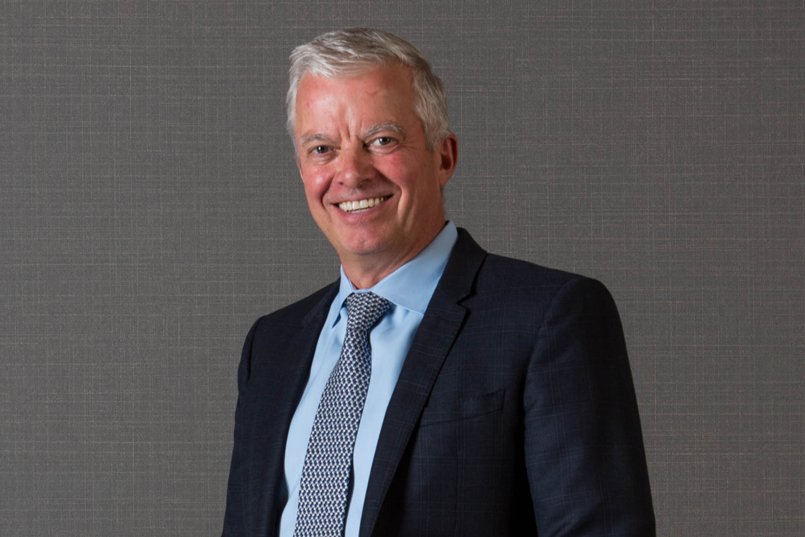
The passion of our teams compels us to the highest standard of excellence.Mark D. Millett • Co-founder, chairman and CEO
The organizational machinery matters, too. Steel Dynamics describes decentralized decisions and performance-based compensation. Its 2025 filing records $123 million in profit-sharing expense. The relevant idea is straightforward: give operating teams responsibility, then connect their financial rewards to performance. Safety, maintenance, and quality still have to hold as production pressure rises.
04 The aluminum experiment
In 2022, Steel Dynamics authorized an aluminum sheet mill and two supporting slab centers, announcing an estimated $2.2 billion investment. That was the original project budget. The expansion followed an existing relationship: many steel customers also consume aluminum. The company could bring recycling expertise and established buyer conversations to a different metal.
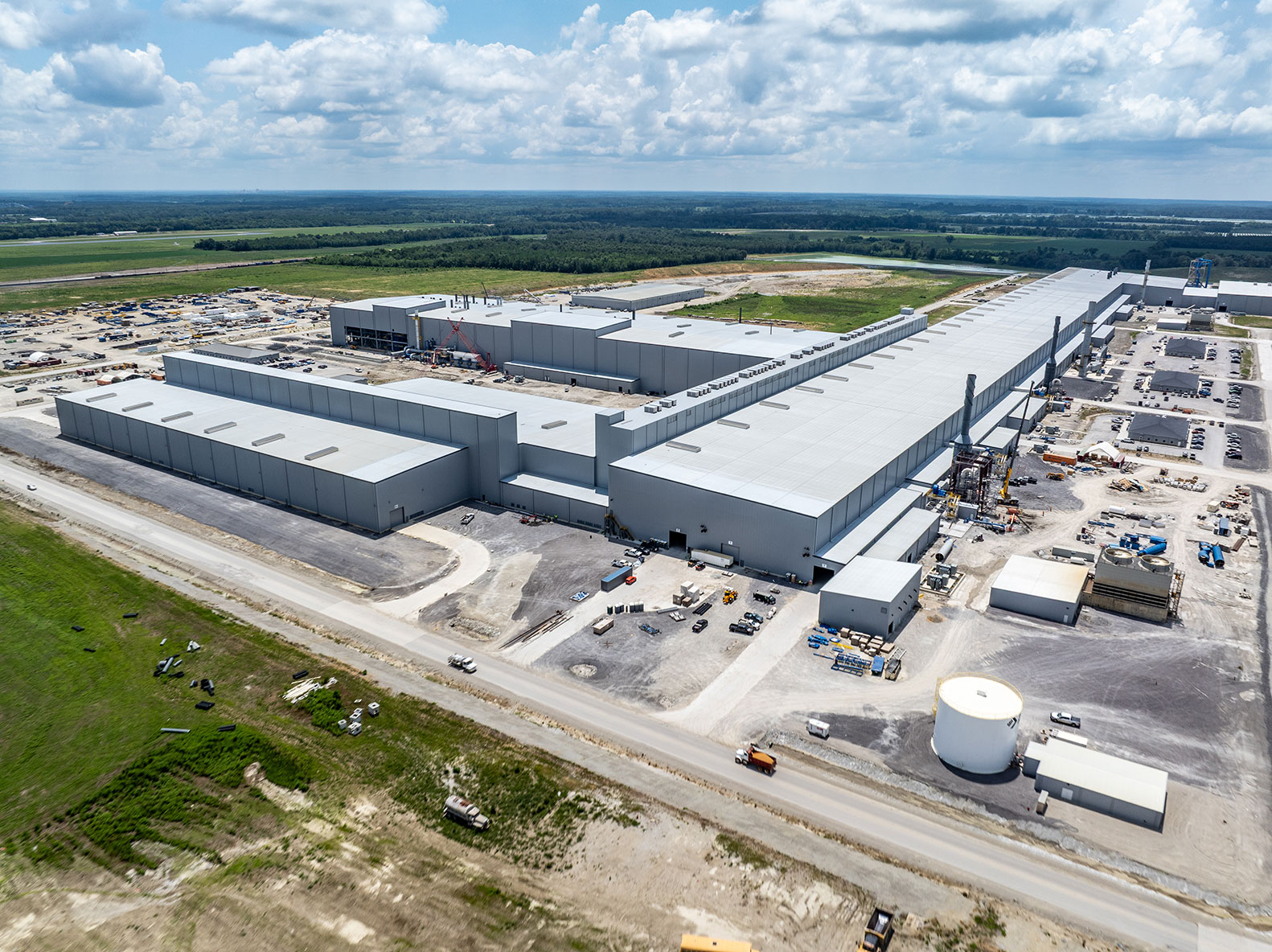
Execution has required adjustments. In 2026, the company decided to move its planned second satellite slab center from Arizona to Columbus, Mississippi, recording a $16 million noncash impairment. By October, it also reported changing rolling coolant after quality problems reduced aluminum yields at higher speeds. The larger strategy remained; particulars changed when operations supplied fresh evidence.
Steel shipped in 2025, a company annual record.
05 What travels beyond the mill
There is a useful lesson here for smaller businesses: examine the handoffs. Which supplier determines your quality? Which finishing step makes your product valuable? Which customer problem could an adjacent operation solve? Steel Dynamics’ history suggests that expansion works best when the connection can be explained in the customer’s terms.
The conditions matter. This model needs capital, suitable scrap, affordable energy, qualified buyers, and enough demand to keep expensive equipment busy. Commodity prices can compress margins. A malfunction can erase expected volume. The Sinton episode is a reminder that owning more of a chain also means maintaining more of it.
The transferable idea is the discipline of following a material through every step that changes its value. Sometimes the opportunity sits beside the furnace. Sometimes it sits in the scrapyard. And sometimes the next improvement starts with understanding why one machine stopped.