The black vest has become part of football’s visual vocabulary: a shirt comes off, and underneath sits what looks like an unusually serious crop top. The useful part is tucked behind the player, between the shoulder blades. A small tracker records the running that spectators cheer, coaches demand and players may remember rather generously.
STATSports built a business around that difference between watching effort and measuring it. Its wearables and software turn movement into records that teams can examine during training or afterwards. Distance, speed and workload become something a coach can discuss with a player, rather than an argument conducted entirely through adjectives.
In October 2025, Sony acquired a majority stake. Its announcement named more than 800 elite team customers, including Liverpool, Arsenal, Paris Saint-Germain, the All Blacks and the Los Angeles Dodgers. The appeal extends beyond famous shirts: Sony wants wearable measurements alongside the optical tracking capabilities already in its sports portfolio.
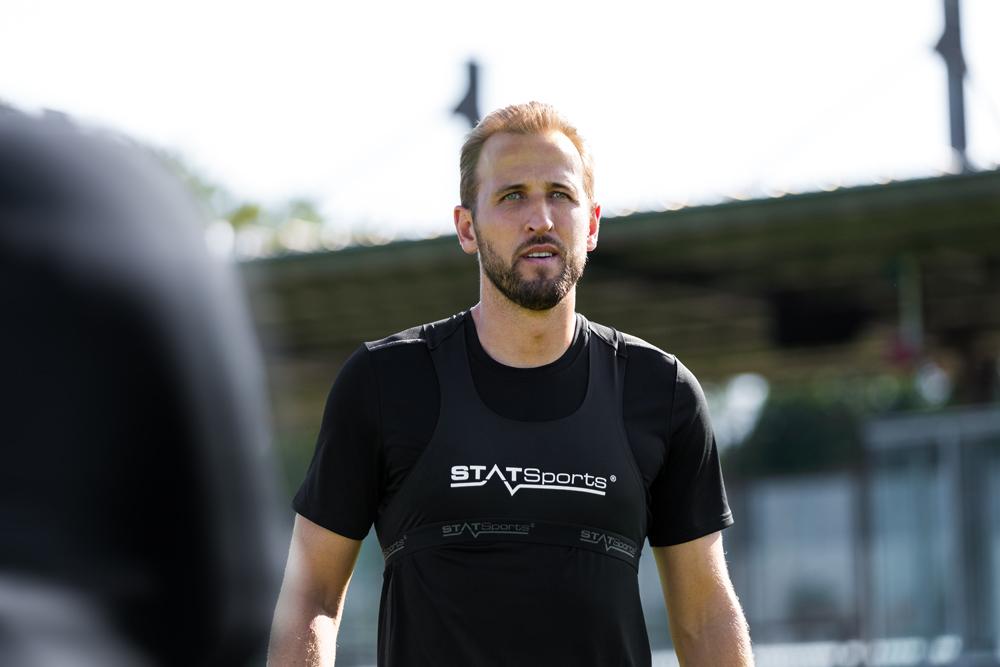
The borrowed kit stopped being enough
Alan Clarke and Sean O’Connor founded STATSports in 2008. Their early proposition was broader sports science support, with amateur sport among the intended customers. The Irish Independent’s account places Leinster Rugby among the first clients. Professional demand soon gave the young business a different set of possibilities.
They initially used other manufacturers’ hardware. That let them work with teams before committing to designing a complete system. It also exposed a limitation: coaches wanted detail and capabilities the supplied equipment did not give them. Owning the technology would let the founders control what they could build and offer.
Development of their own hardware and software began in 2011; Viper arrived in 2012. Sports Business Journal later described growth through recommendations and the move from Irish teams into English rugby and football. Selling the equipment had provided an education in the work surrounding it.
“The rugby teams got us noticed and then we started with English rugby and that got us into football.”
Alan Clarke / Sports Business Journal, 2016
There is a practical lesson in that sequence. The founders got close enough to customers to hear the same dissatisfaction repeatedly. Then they took on the expense and responsibility of making the product. The revealing early setback was a ceiling on what borrowed technology could deliver, rather than a cinematic account of a company near collapse.
Three products, three kinds of responsibility
Today’s range divides the task by who is doing the analysis. Sonra is the professional system: Apex 2.0 trackers, live monitoring apps, analysis software, cloud access and supporting equipment. Its account managers are qualified sports scientists. A club buys into a working process that includes people who can help explain the measurements.
Sonra Lite serves semi-professional and amateur teams. Its most revealing distinction is administrative. In the coach-led version, staff manage the trackers and central syncing. In the player-led version, athletes upload through their phones. One approach concentrates responsibility; the other distributes it across the squad.
That sounds mundane until somebody has to assemble Tuesday’s session. A volunteer coach and a full-time performance department have different amounts of time. Giving them identical equipment without adapting the surrounding chores would leave a large part of the problem untouched.
Sonra
Professional teams
Live analysis + specialist support
Sonra Lite
Club squads
Coach or player manages the sync
Academy
Individual athletes
Tracker + app + training content
Academy is the individual offer. On September 7, 2026, the company’s page listed a US$320 base package with a tracker, vest and app, without a subscription. It advertised 24 metrics and more than 200 video drills, alongside strength, recovery and nutrition content. Heart-rate measurements require an additional monitor.
This is a different commercial conversation from selling to a club. A player or parent can weigh a stated purchase price against the appeal of a training record and guided practice. There is no need to imagine being on a professional scouting shortlist to understand that proposition.
The consumer business has been developing for years. Apex Athlete Series launched in 2018. A January 2020 app update added a calendar dashboard, personal bests, benchmarks and ways for coaches to see squad data. Those features made a stream of measurements easier to revisit, compare and share.
The work between the workout and the answer
A tracker earns its keep only if the information arrives in time to influence something. STATSports’ current hardware pitch devotes considerable space to that interval. Apex 2.0 processes more than 70 live metrics on the device. Its supporting dock can download 24 units, with two docks connected for 48.
Those specifications point to an everyday bottleneck. A squad leaves the pitch, the devices come back, and someone needs to prepare the next conversation. Reducing the number of cables, waits and repeated tasks matters because the training day continues while the analyst is working.
- RecordWear the tracker
- ReviewInspect the session
- DiscussAdd the context
- AdjustPlan the next session
Sonra Lite’s player-led offer now includes AI Trends and a conversational AI Assistant. The stated purpose is to help coaches see patterns and understand team data. The sensible test for such tools is whether their explanations make a session easier to interpret. An answer written in fluent sentences still needs to fit what happened on the field.
STATSports has serious company in this market. Catapult’s Vector range also combines wearable monitoring, software and support. Its newer Vector 8 markets live analysis, faster uploads and video integration. These are overlapping ambitions, which makes choosing a supplier more involved than counting the measurements on a brochure.
For a club, a useful comparison would include a normal working day: how the kit is assigned, how sessions are split, who can access the records and how quickly staff can prepare a discussion. The best fit depends on the people and facilities using it. A demonstration should make those dependencies visible.
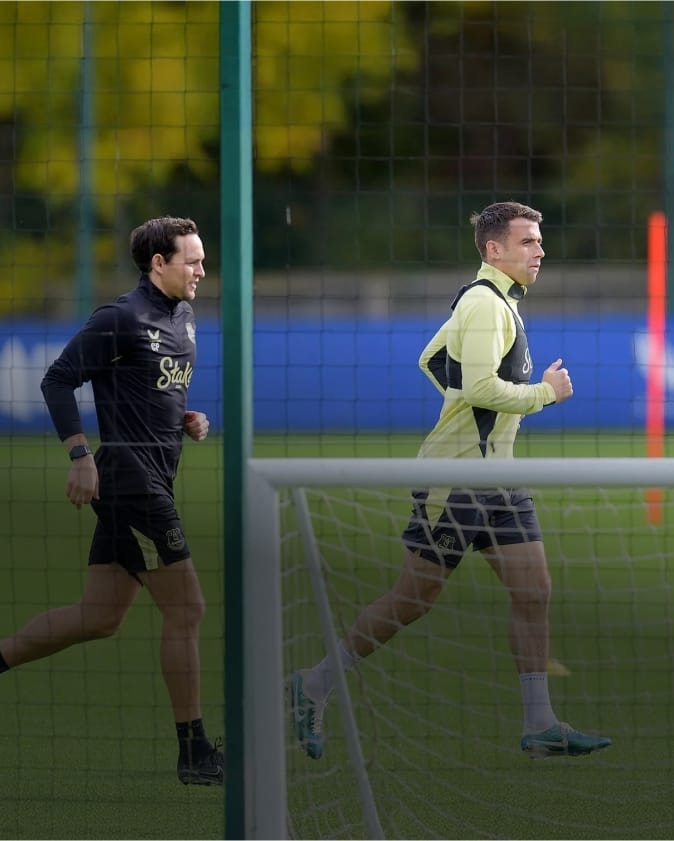
Profits first, footballers next, Sony later
The financing history supplies a useful counterpoint to the celebrity customers. In 2018, The Irish Times reported that STATSports had funded growth internally, reinvesting profits in research and development without bank debt or outside investment. Its report put 2017 pretax profit at €1.4 million.
The following year brought outside money from people who knew the product’s setting. Raheem Sterling and Alex Oxlade-Chamberlain each invested more than £1 million, according to the newspaper. The round valued STATSports at more than £200 million. That was a reported valuation in 2019, six years before Sony’s purchase.
The route is more interesting than any single number: a service-oriented beginning, proprietary technology, a consumer launch, then footballer investors. Each stage widened what the company could sell and whom it could reach. Hardware sales, team software and support, and consumer accessories now sit within the same business.
Sony’s rationale is a combination of views. Wearables follow the athlete; its optical businesses observe sport through cameras. Connecting those records could give performance staff more context. Sony also identified potential applications in officiating and fan engagement. Those are announced opportunities, rather than proof that every proposed integration has already arrived.
A company delivered by people
For all the attention paid to the device, STATSports has long treated service as part of the product. In a 2016 interview, O’Connor warned that expanding everywhere immediately could have overwhelmed the company’s ability to serve customers. The limit was partly how much work its people could support.
The current careers page reports more than 170 employees and describes role-dependent flexible working, health support and a short working-abroad allowance. Alongside that sits an annual bake-off. It is a pleasant detail in a business normally discussed through sprint speeds: the staff have other ways to compete.
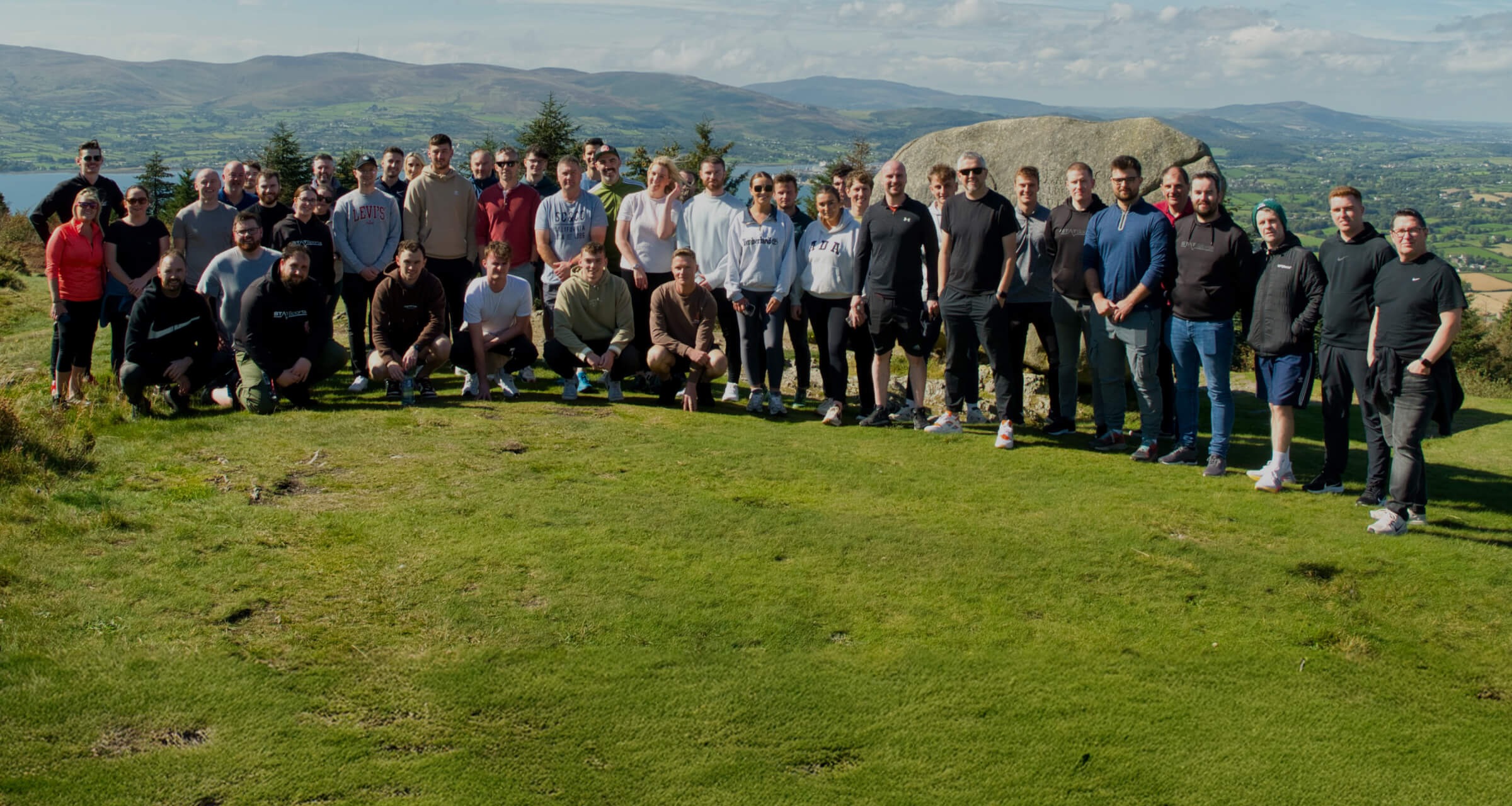
Its 2026 newsroom continues to put practitioners close to the story. An August case study follows a sports scientist during Parma Calcio’s preseason. March product announcements concerned a pod startup scheduler and a training-ground system. Both the people and the product updates point towards the practical work around each session.
A useful number earns its place
For an individual player, the most transferable habit is modest: record comparable sessions, inspect a small set of relevant measures, and discuss a pattern before changing the plan. A personal best is satisfying. A record that helps explain several weeks of training can support a more useful conversation.
That approach depends on consistency. Missing uploads weaken the record. Comparing different types of session can confuse the interpretation. And movement alone cannot explain every tactical choice. A player may cover less ground because the role changed; a larger distance is not automatically a better performance.
STATSports’ opportunity is to make those conversations easier, from an amateur squad to a professional training ground. Sony gives the company a route to connect its measurements with other views of sport. The final measure of usefulness remains close to where the business began: a coach, a player and a decision about what happens next.
Keep exploring
STATSports website · Sonra · Academy · Newsroom · The Locker
LinkedIn · X · Instagram · Facebook
Watch the kit at work
Southampton’s Laura Bowen demonstrates live monitoring (2017) ↗
Crystal Palace explains the GPS vest (2017) ↗
STATSports YouTube channel ↗