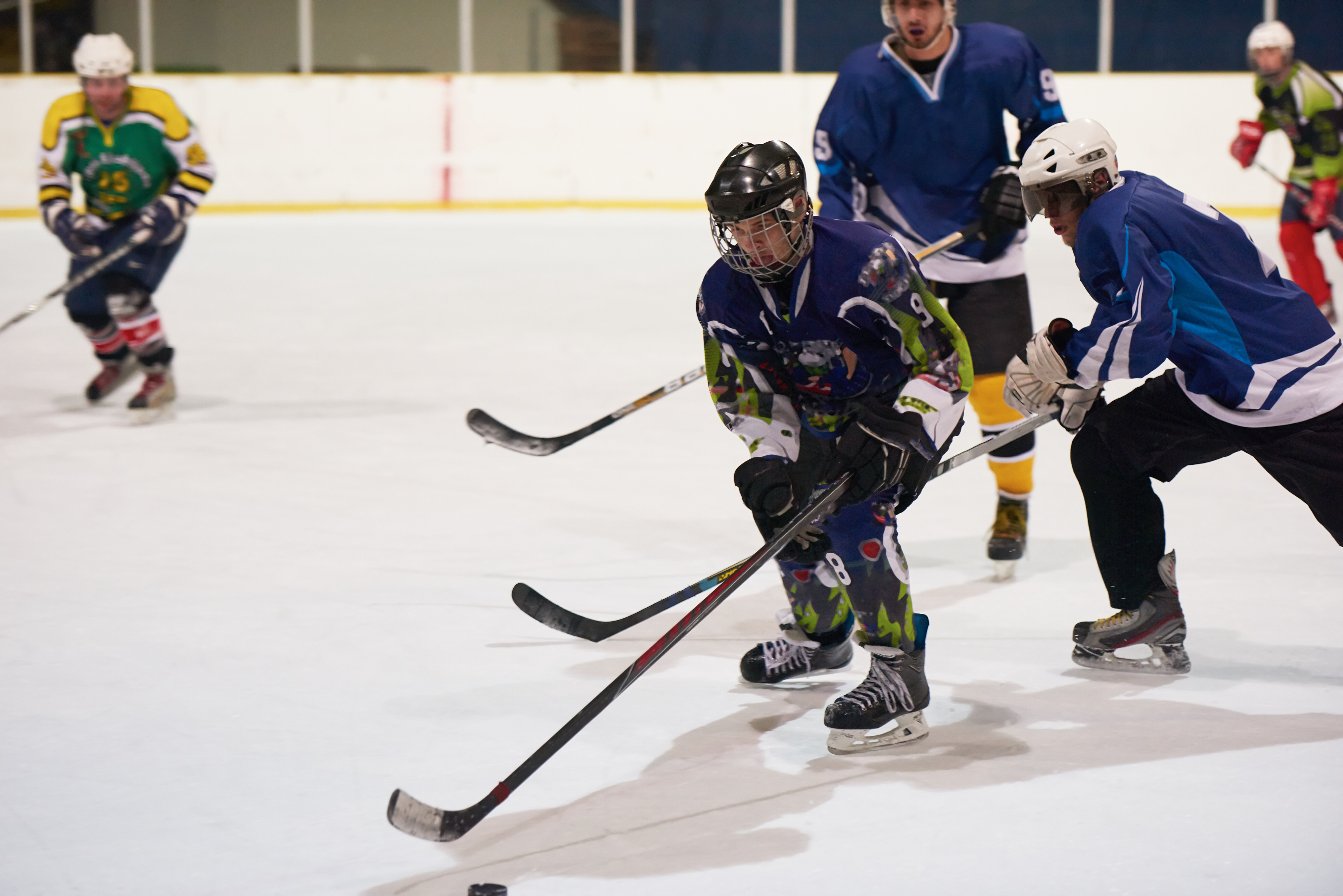
The trouble was the timing. Ben Reynolds and Michael Prendergast were calling sports games from their flat in New Zealand, using free internet radio software. Thousands of listeners joined them. But the commentary could arrive two minutes after the pictures. By then, a goal had become history. A perfectly respectable observation had become a spoiler in reverse.
- Spalk adds remote commentary to a broadcaster’s existing live feed.
- Its marketplace supplies professional voices by sport and language.
- Engineers, testing and distribution turn the browser studio into a working broadcast operation.
The founders had discovered something useful: people wanted another voice on the same game. They had also discovered why wanting it was insufficient. Audio needed to meet video at precisely the right moment. In their 2017 account, Spalk’s first version synchronized remote voices with YouTube Live; later, it inserted them into broadcasters’ streams. The nuisance became the product.
A camcorder, a cricket field, a different customer
Early experiments required more than software. Reynolds told The Spinoff that Auckland Cricket became an early partner, with the team following play through a camcorder and streaming to YouTube. Commentators joined from around New Zealand, then Australia and London. Swimming and squash followed. They were helping sports get online so someone could talk about them.
Commercial television changed the stakes. Whakaata Māori became the first commercial customer, according to Reynolds’ later university interview. Its content chief, Mike Rehu, eventually joined Spalk’s board. The business moved toward selling broadcasters a production capability. Friends’ opinions had revealed demand; a broadcaster’s workflow revealed who could pay for it.
Even the pitch needed translation. In a 2019 interview, Reynolds described European buyers responding to multilingual feeds. North American conversations leaned toward engagement: athletes, influencers, younger audiences and different commentary lineups. The same equipment could solve different editorial problems. A useful product still needs a locally intelligible reason to buy.

The booth becomes a browser tab
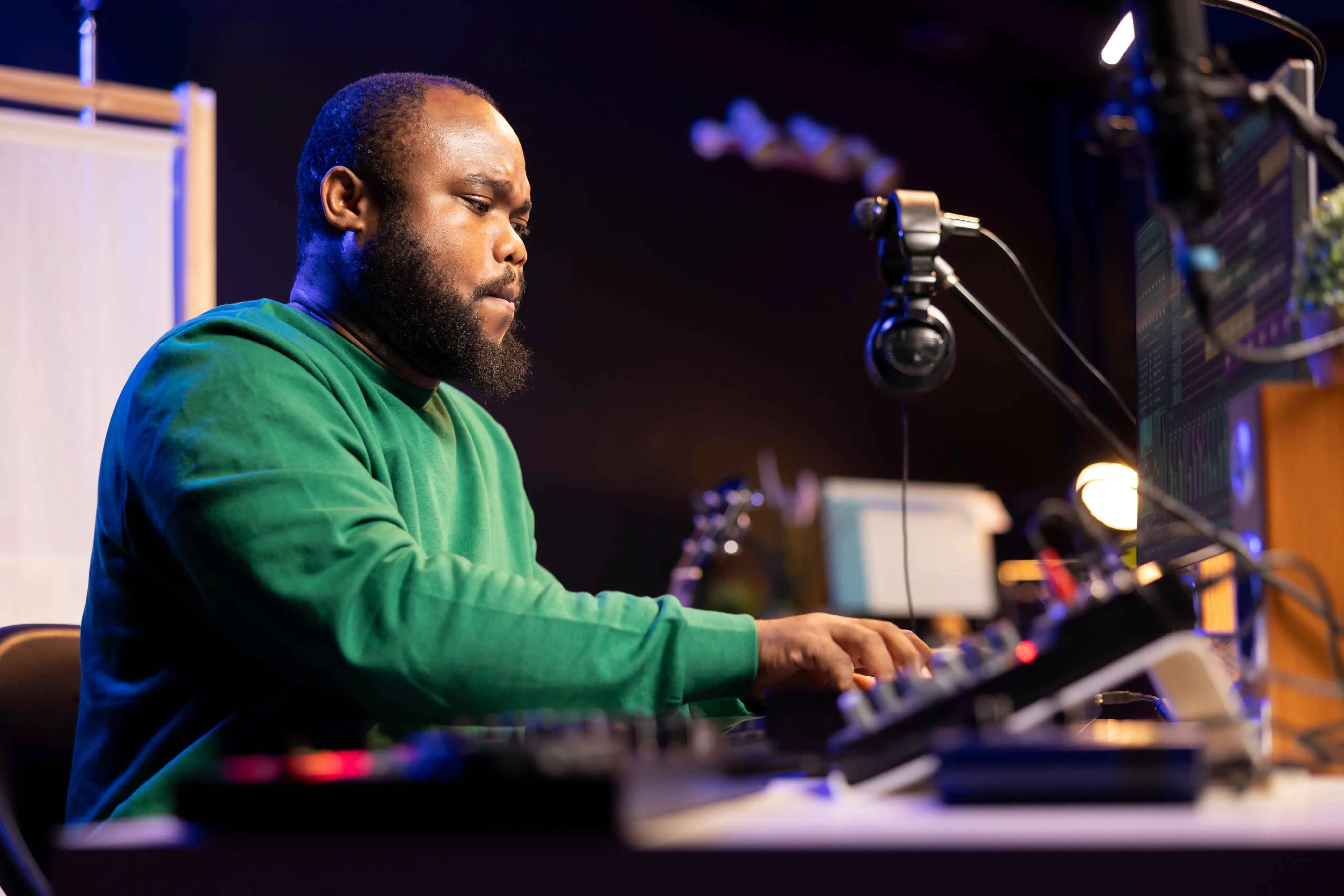
Today, Spalk’s Virtual Commentary Studio sits between an existing video feed and its audiences. Commentators work remotely; producers schedule events, assign teams and control audio. Separate language tracks can leave the same production. Talkback lets the producer speak to talent without putting the conversation on air. The glamorous bit is the goal call. The routing makes it possible.
Software alone cannot supply someone who knows the third-choice goalkeeper. Spalk’s Talent Marketplace lets buyers search by language, sport and experience, listen to samples, then handle contracts and payments. Its website advertises more than 5,500 commentators. Regional knowledge matters alongside pronunciation: the right voice understands what an audience already knows and what it needs explained.
There is also a services business around the software. Spalk offers round-the-clock broadcast engineering, home-studio checks and live signal monitoring. Its wider platform includes transport, captions, graphics and distribution, with services available separately. Buyers are paying for production infrastructure and operational help; the marketplace also gathers freelance administration into one workflow.
Fifteen voices, and a lesson in stream keys
The 2020 FIBA Esports Open offers a particularly useful glimpse behind the promise. Spalk’s case study records nine commentary teams and 15 commentators. The Spalk portion was prepared in less than nine days, with some national federations arriving only 48 hours before the event. Preparation took roughly three hours per federation, covering workflows, training and stream setup.
The revealing detail is in the lessons. First-time users struggled with social-platform stream keys and settings; incorrect configuration could stop a stream playing properly. Close contact with FIBA helped communicate delayed starts. Moving production online had removed travel, but it had created a need for clear instructions and coordination. Someone still had to mind the clock.
FIBA Esports Open, 2020 case study. Preparation figures describe this event.
The pattern continues in larger customer arrangements. Infront’s published case study describes 10 sports properties and over 1,000 events delivered annually, integrated with its Milan master control operation. Distribution follows each property’s rights arrangements. A language feed is commercially useful only when it reaches the destinations entitled to carry it.
Sky Switzerland adds another wrinkle. French, German and Italian football commentary required rigorous testing of signal compatibility and audio-channel mapping. Spalk reports latency below one second in that implementation. In 2026, the relationship extended into localized graphics and sponsor integrations. Once a broadcast speaks locally, its on-screen commercial furniture can follow.
The airfare is optional. The homework persists.
Spalk says customers have achieved savings of up to 85% against on-site or studio productions. That is a reported upper bound, rather than a promise for every fixture. The company’s logic is easy to follow: remote commentators avoid flights and venue logistics. But talent, engineering and preparation still cost money. Removing a journey does not remove a profession.
“Commentary is hard. It’s a real skill, right?”Ben Reynolds, Front Office Sports, 2019
TVU Remote Commentator and Grabyo also offer remote broadcasting capabilities. Spalk’s case rests on assembling commentary infrastructure, multilingual talent and managed support. A buyer should compare the complete job: finding voices, testing their connections, matching audio to pictures and delivering the right feeds. A browser login is the beginning of that comparison.
Greg Norman’s company led Spalk’s $3 million Series A in July 2021, joined by venture investors and athletes including Steven Adams and Mitchell Evans. The announcement said Spalk had become profitable earlier that year. The funding supported sales and marketing. This was a bet on making an existing broadcast reach more people at a manageable production cost.
A voice has an owner
Spalk’s current AI offering translates source commentary using voice models. Its published terms of operation require commentators to opt in, allow withdrawal of consent and link commercial use to payments. The company advertises earnings of up to $0.50 per minute for voice-model use. That figure describes potential talent compensation, rather than a broadcaster’s price.
The practical lesson is to choose the audience, secure the rights, audition the voice and rehearse the delivery before expanding coverage. Remote production depends on usable connectivity, a suitable recording environment and compatible feeds. Spalk’s original two-minute delay remains a good reminder: a voice can travel anywhere, provided it arrives while the game is still happening.