In September 2024, a tennis tournament in Guadalajara acquired a peculiar extra spectator: an artificial intelligence system listening to English commentary and turning it into Spanish for viewers in Spain. The players did not change. Neither did the camera positions. What changed was who could follow the conversation around the match.
Tennis Channel called the experiment a beta test. It worked with Lingopal and cloud playout provider Amagi, and told viewers when they were hearing AI-translated content. This was a modestly bounded proposition: take an existing production, give it another language, and ask the audience what it thought.
- Lingopal translates live and recorded speech into audio, captions and subtitles.
- Its practical advantage is fitting additional languages into existing production workflows.
- Broadcast pilots and long-form lectures reveal more than a language-count boast.
A match travels further than its commentary
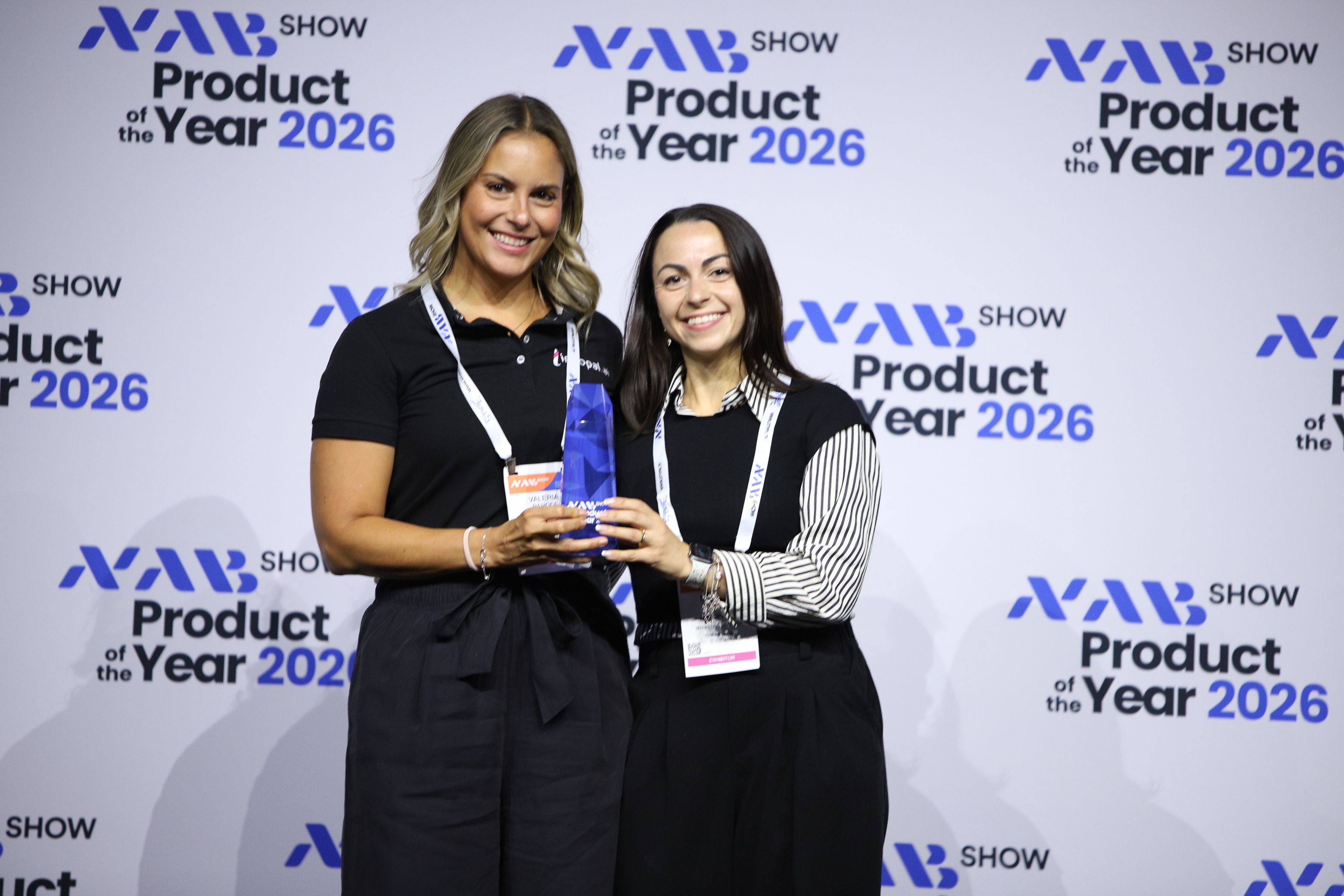
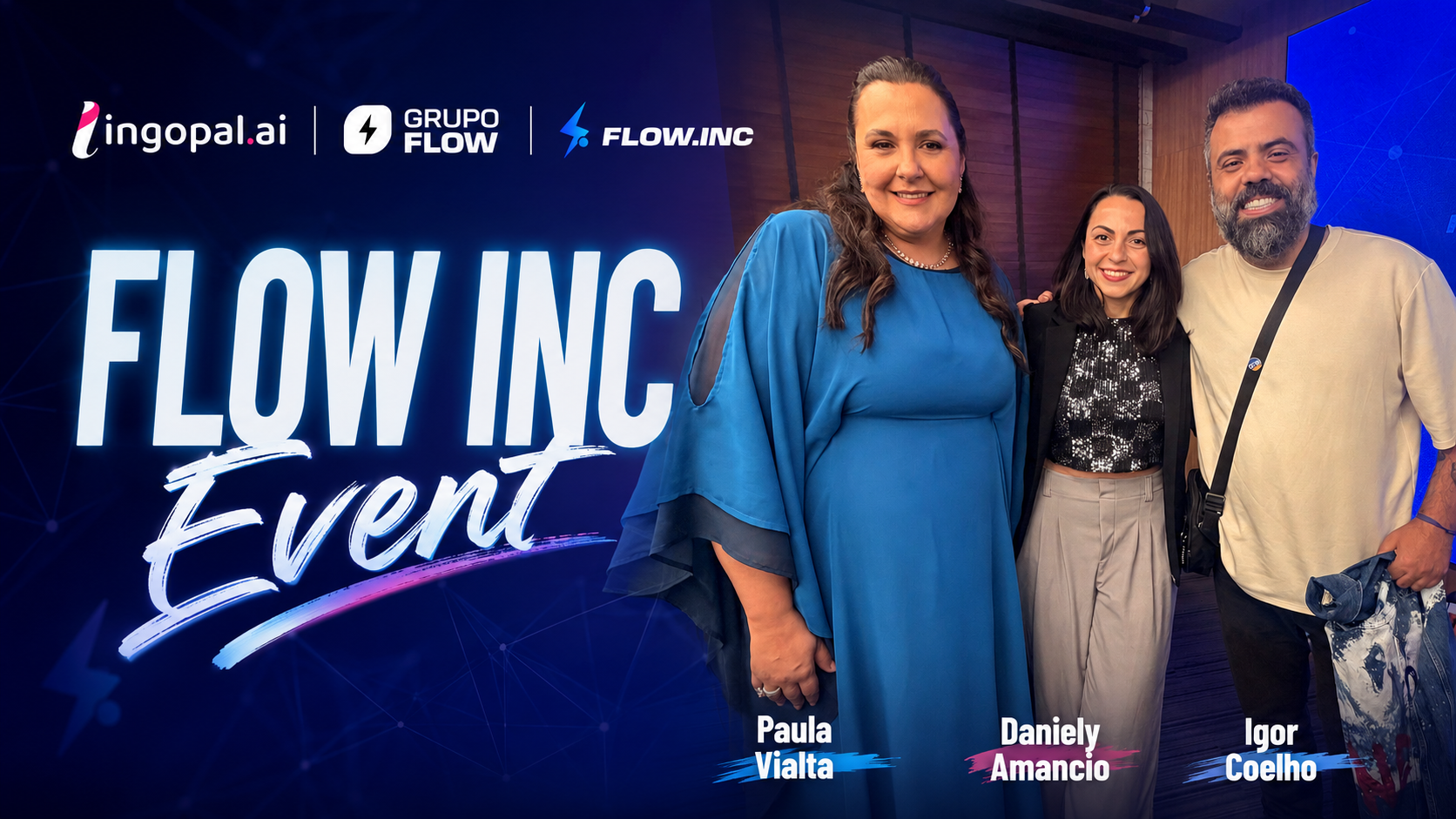
Lingopal was founded in 2023 by Deven Orie and Casey Schneider, whose backgrounds include Microsoft and Tesla. Orie is CEO; Schneider is CTO. By February 2025, the New York company had announced a $14 million Series A led by DCM Ventures, with Scrum Ventures and Marquee Ventures participating. The money was intended for further development and expansion.
The commercial insight is easy to miss because the technology attracts so much attention. A broadcaster has already bought rights, assembled a crew and produced a program. Adding a language can make that investment useful to another audience. Hiring another commentary team makes the arithmetic harder, especially for continuous feeds or smaller events.
For AEG Sports, Lingopal translated German commentary on Berlin Eisbären hockey into English for North American broadcasts. The same game could travel with an intelligible account of what was happening. Lingopal sells the machinery that makes this possible: speech recognition, translation, generated speech and captions, connected to media distribution.
The crowd is part of the engineering problem
A sports commentator does not dictate a tidy document. Names arrive quickly. Speakers interrupt. Spectators roar. A phrase that means something to tennis fans may sound absurd when translated literally. Orie put the problem neatly: “People do not speak dictionary English or dictionary Spanish.”
Lingopal’s answer includes speaker detection, emotion handling and custom terminology. Its live product accepts feeds through formats including SRT, HLS and RTMP. Customers can use glossaries for names and specialist vocabulary, and choose cloned or synthetic voices. These are production choices with consequences for whether the output sounds familiar, understandable and appropriately expressive.
audio
& translate
& captions
delivery
That last detail matters. In the 2024 tennis pilot, Sports Business Journal reported one to two minutes of latency through the delivery chain. The 2025 funding announcement described under two seconds on Lingopal’s smallest models. Its current live product page advertises under ten seconds end to end. Those figures describe different circumstances; a fast model is only one contributor to a viewer’s delay.
One hour at the encoder
Perhaps the more revealing demonstration happened at New Mexico PBS. In October 2025, Heartland Video Systems described reconfiguring the station’s existing Ateme encoding system to send English audio to Lingopal’s cloud service. Spanish, Portuguese and Korean audio came back for its ATSC 3.0 broadcast.
HVS technologist Mike Schmidt reported roughly an hour of configuration, excluding Lingopal’s preparatory work. He also said it worked on the first attempt. That account puts the attraction in concrete terms: the station expanded its language offering through equipment it already operated. The preparation still counted, even if it happened elsewhere.
The company has pursued that position inside other workflows. A February 2026 Grabyo partnership brought real-time localization into cloud production, with plans for shared technical work and pilots. The useful question for a buyer becomes whether translated output can join the actual production chain, with its particular routing and timing requirements.
What a second language actually costs
Lingopal occupies a market alongside live localization providers such as CAMB.AI, recorded-video tools such as HeyGen, and human interpreters or dubbing studios. Its emphasis is the combination of live speech, vocal delivery and broadcast integration. In the tennis pilot, full voice cloning was not used. Understanding the commentary mattered more than reproducing the announcer exactly.
The business mixes software subscriptions with enterprise sales. On its public pricing page, recorded-content plans include a free tier, Creator at $79 monthly and Studio at $249 monthly. Credits and language limits differ; Studio includes glossary access. Those prices are useful entry points for video work, rather than quotations for running a multilingual sports network.
Recorded material also offers something live commentary cannot: time to revise. Lingopal’s VOD workflow generates translations, dubs and subtitles, then lets a team review them in a browser editor. The ability to correct terminology before publication is a practical part of the product, particularly when a program carries technical explanations or a distinctive voice.
The lecture that would not fit
In September 2026, Lingopal announced a collaboration with CS50, Harvard’s introductory computer-science course, beginning with Portuguese and Spanish. Here, the limiting factor was volume. Lectures can exceed two hours, and the material keeps evolving. Human subtitle translation had been tried; David J. Malan said “it just didn't prove scalable.”
The valuable thing already exists. The work is making it understandable to another audience.
The recurring proposition behind Lingopal’s deployments
The company’s account also describes duration limits in some automated platforms as an obstacle. Long-form dubbing makes an entire lesson available instead of merely translating a promotional clip. This is the same underlying economic problem as sports broadcasting, with a very different clock: maintaining access to a changing library.
A useful test before going global
The lesson a reader can copy is the pilot’s restraint. Choose one program, one language and one distribution route. Test real names, overlapping speakers and crowd noise. Listen with people who understand the target language. Measure the delay at the audience’s end, and decide how to disclose the translated audio.
Lingopal’s own broadcast guidance calls for original-audio fallback and production testing. A quiet demonstration cannot establish how a system handles a noisy match, a broken connection or a mistranslated name. Where every word needs immediate editorial approval, an automated live feed may be the wrong workflow. Where review is possible, recorded dubbing offers another route. The next audience deserves the same care as the first.