The friends-and-family round is a lovely idea if your friends and family have money. If they do not, the phrase can sound like an invitation addressed to somebody else. Slauson & Co., the Los Angeles venture capital firm, has made that awkward distinction into a program with an unusually literal name: Friends & Family.
Its first cohort offered founders $20,000 without taking ownership. The 2026 version invests $300,000 in each selected company. Between those two checks sits a revealing story about venture capital: who can afford to start, what practical help looks like, and how an investor turns a belief about overlooked talent into an actual offer.
Money is the easiest part of that offer to photograph. The harder part is building a useful substitute for the introductions, advice and permission to take risks that some entrepreneurs inherit. Slauson has been working on both. Its founders, Austin Clements and Ajay Relan, come to the subject with memories of a particular Los Angeles street.

A different kind of family business
In a 2021 essay, Relan recalled helping his mother’s video business as a child. A single immigrant parent, she worked multiple jobs and supplied Bollywood movies to Indian families. He helped fill orders, deal with customers and make deposits at the local credit union. Entrepreneurship meant seeing the work close up, including the household uncertainty around it.
That experience gave the accelerator’s name some weight. Relan described the difference that early money and guidance might have made for his mother. Friends & Family would try to supply those advantages to people whose own circles could not. The personal history explains the question he keeps returning to: what becomes possible when someone has enough room to try?
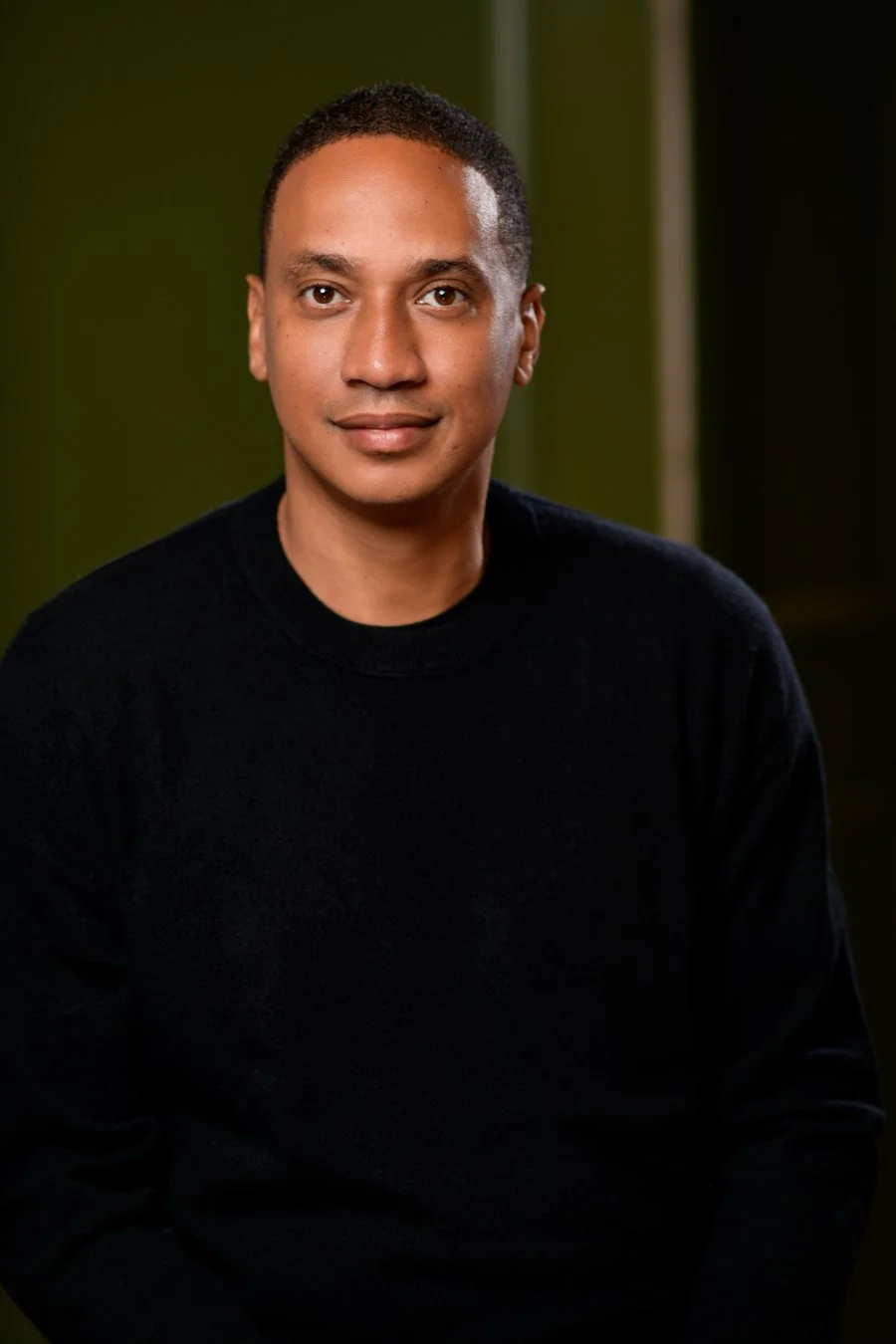
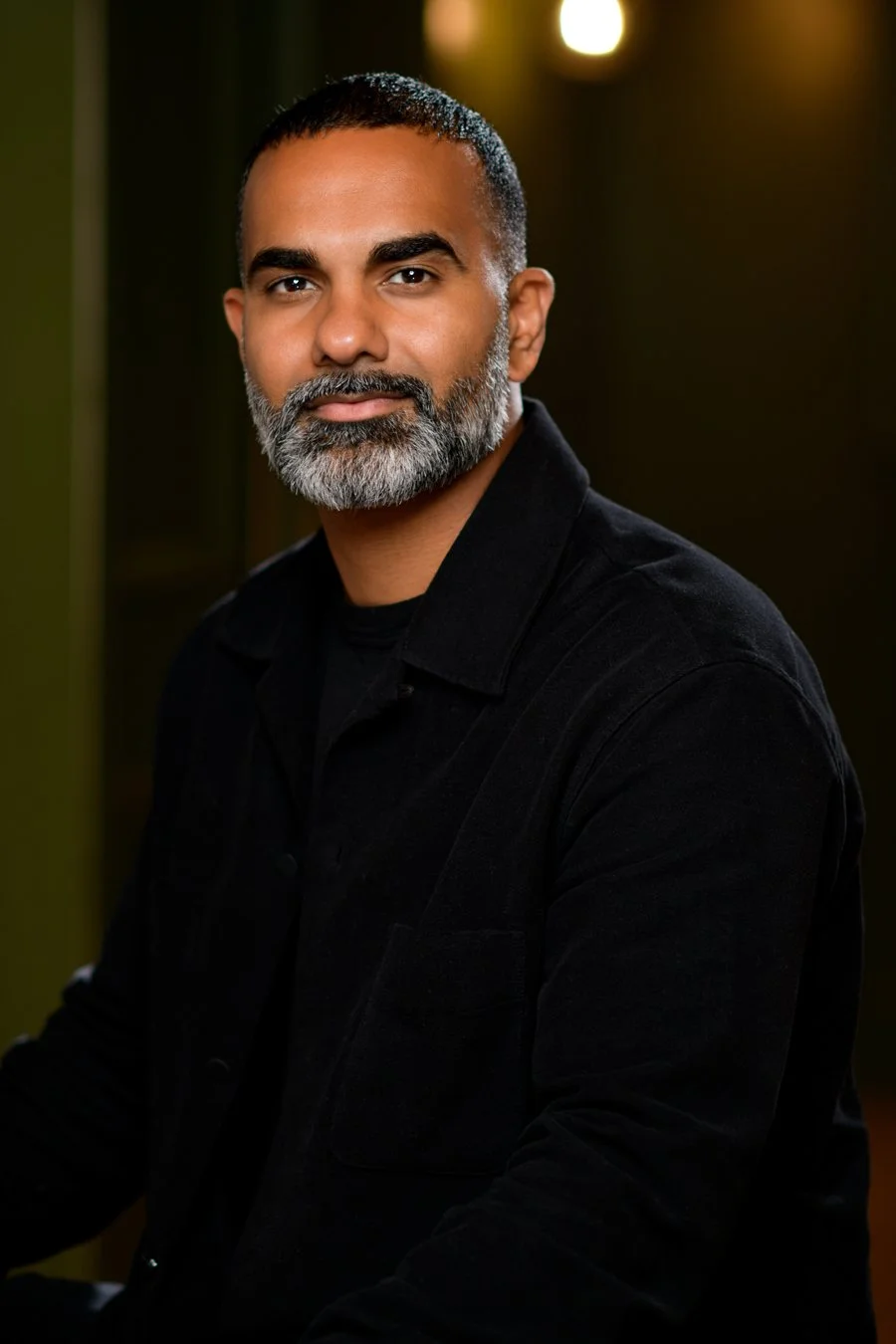
Clements and Relan told Entrepreneur that both grew up near Slauson Avenue. They saw ability and ambition without comparable access to resources. They also knew the investment business from inside: Clements had worked at TenOneTen Ventures; Relan had been a founding partner at Queensbridge Venture Partners. This was a response formed by people who knew the neighborhood and the profession.
That combination gives Slauson its place in a crowded seed market. An investor’s familiar picture of a successful founder can become a filter that screens out unfamiliar people. Slauson argues that personal experience of an overlooked problem can be useful commercial knowledge. The task is to turn that knowledge into a product customers choose.
Small-business problems, investor’s eye.
The customer education started early.
First, they had to find their own believers
In their second-fund announcement, the founders traced the effort back to 2019 and described a year of difficult fundraising. Their first obstacle was persuading other people to finance the approach. The first fund eventually reached $75 million. In September 2024, they announced a further $100 million for Fund II.
Those figures add to $175 million in announced fund capital. They describe pools for investing, with obligations to the people supplying the money. They are not a measure of the management company’s sales or a price tag on the firm. Confusing those categories would make Slauson look like a very different business.
PayPal was an early backer. In October 2020, it named Slauson among eight funds sharing a $50 million commitment. That broader program also included Harlem Capital, Precursor Ventures, VamosVentures and Zeal Capital Partners. Those firms occupy adjacent territory for founders exploring early capital, though each has its own investment criteria and relationships.
The business serves two constituencies. Founders need money and useful help building companies. Limited partners supply the fund capital and expect investment returns. Slauson’s June 2025 statement explicitly connected its inclusion strategy to that return objective. Its distinction depends on finding opportunities through a wider set of people, then helping those businesses become valuable.
“No pivot required.”
Slauson & Co., on its inclusion strategy, June 2025
What changed the founders’ minds? Their public account points to continuity in the central belief. The more visible changes are in how they deliver it. A June 2025 essay reaffirmed the strategy as institutions retreated from inclusion efforts. The accelerator, meanwhile, was becoming a different proposition: bigger investments, a longer program and eventually a more specific consumer brief.
The check grew. The bargain changed.
The original Friends & Family program was announced in 2021 with nonprofit Grid110 and began its first cohort in 2022. Twenty companies received $20,000 apiece, alongside 12 weeks of training. The Plug reported that 47 percent of applicants had never raised outside funding. For that audience, even a comparatively small check could open a door that advice alone could not.
By 2024, the program’s cohort announcement described $150,000 investments for 20 companies and a virtual 12-week course. It drew 850 applications from 44 states. Participants were offered operational support and access to coaches and speakers. The offer had moved from a grant into an investment relationship with the firm’s core fund.
2022: non-dilutive funding. 2024 and 2026: investments. Bigger checks come with a different relationship.
A September 2024 program presentation then advertised $300,000 through a SAFE for 6 percent equity and a six-month course. A SAFE is an agreement for future equity. The practical tradeoff for a founder is ownership in exchange for capital and support. Those were the terms of that particular offer; the 2026 announcement confirms the investment amount.
The six-month format described by program head Miki Reynolds works through business foundations, sales and marketing, leadership, and preparation for fundraising. This is a substantial calendar commitment. A founder choosing an accelerator has to judge the usefulness of that work alongside the money: which decisions will improve, which introductions matter, and whether the program fits the company’s next stage.
Six companies, ordinary-life problems
For 2026, Friends & Family selected six teams from more than 700 applicants. Their subjects make the consumer focus tangible. Face Card works on freelancers getting paid through SMS. Sachi connects families with educators for childcare. Groupr addresses access to bulk buying for SNAP consumers. The other selected companies were Bisque, but cute and The Selling Network.
Consumer is a broad word here. In its October 2025 explanation, Slauson included direct-to-consumer businesses, prosumer products, marketplaces and models that reach individuals through another business. The common subject is everyday life. Its stated criteria asked for a product already in existence and early traction, placing the emphasis on something people could actually use.
The intellectual references were unusually revealing for an accelerator announcement: Florence Knoll, Virgil Abloh, Grace Hopper, and Ray and Charles Eames. Slauson was borrowing from design, computing and culture to describe the founders it wanted. Taste and close observation of human behavior were part of the brief, alongside the ambition to reach a large market.
That direction became more explicit in September 2026. Slauson Studies 002 explored spatial intelligence, trusted recommendations and design-led founding teams. Its design argument was that easier software production increases the importance of deciding what deserves to be built and how it should work. That is the firm’s investment view, and a useful clue for a prospective pitch.
Describe the person. Show the recurring problem. Demonstrate the product. Explain why your experience helped you see it.
For applicants, those public memos are useful preparation. They reveal the questions the team is already considering, making it easier to explain why a particular business belongs in the conversation. The exercise is to connect a real customer observation to an investment interest without forcing the connection. A childcare founder and a robotics founder may both have reasons to approach Slauson, but they will need different evidence and a clear understanding of whether they are approaching the accelerator or the broader investment team.
The useful part is the room
The 2026 cohort’s kickoff gives a more concrete picture of the support. Slauson described three days at its headquarters, time with coaches, a visit to HOORAE Studios for a conversation with Issa Rae, and a leadership session with former Mailchimp chief product officer Sara Hicks. A Los Angeles gathering brought founders together with operators and investors.
Famous guests are easy to put on a program announcement. For a founder, the practical value of a room like this is more specific: an experienced operator who understands a difficult decision, a peer who can compare notes, or an introduction that survives beyond the event. Those are reasonable ways to assess an accelerator’s usefulness, rather than treating attendance itself as progress.
Readers can borrow the discipline without joining. Start with a customer whose frustrations you can describe precisely. Find people who have solved the next operational problem. Put their advice against customer behavior. Make a clear request when seeking an introduction. These are editorial takeaways from the program’s emphasis on customer clarity, operating support and relationships, not a promise of admission.
Fit still matters. The 2026 brief wanted consumer companies with early traction and ambitions for substantial scale. A local service business seeking a small grant has different needs. A founder unwilling to share ownership will evaluate investment capital differently. And insight into a community cannot, by itself, demonstrate demand or make a difficult business model work.
Slauson’s appeal is clearest at the point where knowledge of a customer meets a shortage of opportunity. Its program puts a check, a working schedule and other people around that gap. The question for a founder is wonderfully concrete: would this money and these relationships help build the company your customers are already asking for?
Keep the conversation going
Explore Slauson’s portfolio and team, visit Friends & Family, or read the 2026 cohort announcement and September investment notebook.
LinkedIn ↗Instagram ↗X ↗Facebook ↗YouTube ↗Watch: Fund II film ↗Company journal ↗