The shirt is in the building. Someone has paid for it. A picker is ready to fetch it. And still, the order cannot leave. Somewhere between the inventory count and the packing table, ecommerce has acquired a rather expensive habit: knowing that something exists without knowing how to get it into somebody’s hands.
- ShipHero sells warehouse software to ecommerce brands and third-party logistics providers.
- Its work begins before the shipping label: receiving, locating stock, picking, packing and managing exceptions.
- The former fulfillment business operates as LVK. ShipHero now concentrates on the software.
Online retail has made the purchase look effortless. The customer taps a button; the website issues a small congratulation. Behind it, somebody must distinguish the medium from the large, find the right shelf, choose a box and send the thing to the correct doorstep. The warehouse gets no applause for this. It receives attention when the wrong shirt arrives.
The medium that was everywhere and nowhere
American Tall supplies the useful example. In ShipHero’s published case study, the clothing business had outgrown spreadsheets and a free picking tool capped at 100 queued orders. Outsourcing looked costly given its many SKUs. Inventory could be available somewhere in the warehouse while the picker’s shelf was empty.
Adopting ShipHero required physical changes: barcodes on individual garments, a warehouse map and labeled bay locations. Batch picking grouped orders into separate totes; location-level inventory distinguished accessible stock from overstock. The software became useful because the building became readable.
“Out of all the different solutions we trialed and tested, ShipHero was the most intuitive.”Jake Rajsky, American Tall · Customer account
The lesson is portable. Before adding workers, establish whether they spend their time retrieving products or discovering where the products went. A faster picker cannot compensate indefinitely for a shelf that nobody has replenished.
A merchant’s complaint becomes a product
Aaron Rubin encountered the problem from the merchant’s side. Running his own direct-to-consumer business, he found warehouse systems poorly suited to ecommerce. ShipHero emerged in 2013, with Nicholas Daniel-Richards as co-founder. The company’s current account stresses its original distinction: software designed around online orders rather than inherited wholesale routines. Today it reports use in more than 5,000 warehouses.
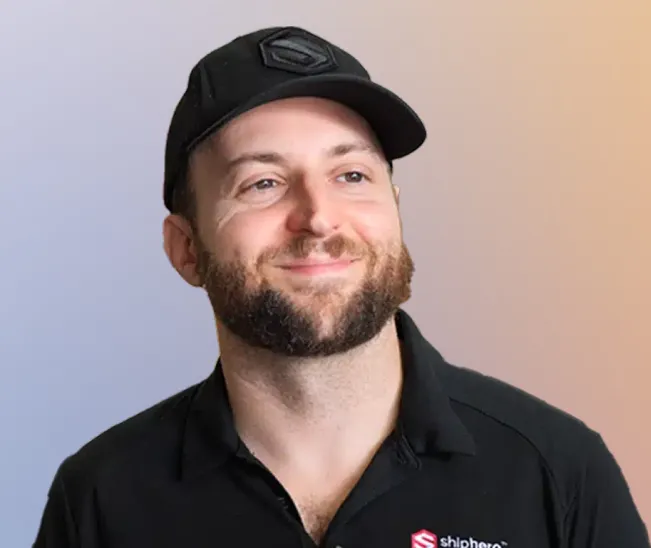
In a 2018 co-founder Q&A, Daniel-Richards described an early business built with close customer contact. His work included demos and warehouse visits; earlier, he had spent his days on support chat. He also warned against acquiring customers faster than a reliable product could accommodate them. That is an unusually sensible concern for a software company. An order queue is a poor place to discover that growth has outrun preparation.
ShipHero subsequently tried the work itself. It expanded into outsourced fulfillment in 2019. Operating warehouses gave the software team a direct view of the awkward cases that a tidy demonstration can omit. A parcel does not care whether an error originated in code, a barcode or an exhausted person.
The $50 million that arrived after the business
In June 2021, Riverwood Capital invested $50 million. FreightWaves reported that ShipHero had reached a $30 million revenue run rate after raising just $435,000 from friends and family. The timing matters: institutional money arrived after years of operating experience, rather than supplying the opening premise.
Riverwood Capital’s investment
Rubin’s announcement said all the investment went into the company, with no employee stock sales in the transaction. He retained majority ownership and control. The planned spending covered software development and fulfillment capacity. It was a bet on two related businesses: improving the warehouse system and expanding the places where it did the work.
Those numbers describe the 2021 transaction. They are useful because they reveal the financing choice, not because an old valuation tells a buyer whether today’s packing workflow will suit their operation.
Two businesses, two names
The dual identity eventually needed untangling. In August 2024, ShipHero publicly announced the separation of its fulfillment operation as LVK. Maggie Barnett, the fulfillment business’s CEO, told FreightWaves that customers needed clearer differentiation and that “great fulfillment takes more than just great technology.” LVK would continue running ShipHero’s WMS.
The distinction helps a buyer ask the right question. A brand buying warehouse software needs a system its team can operate. A brand outsourcing fulfillment needs another team to perform the service, handle exceptions and protect its customer relationships. The technology can connect those arrangements; it cannot make their responsibilities identical.
Even the new name remembers the floor. LV represents 55, the street number of the first fulfillment center; K refers to kaizen, continuous improvement. It is a pleasingly unglamorous origin for a logistics brand. The address got a promotion.
From checkout to the packing table
ShipHero occupies the operational space behind a storefront. Its Shopify integration synchronizes orders and inventory, supports multiple stores, sends tracking back and permits rules for packaging or shipping methods. It can also merge eligible orders before fulfillment. For a 3PL, the point is to serve several merchants without making each merchant’s work a separate improvised system.
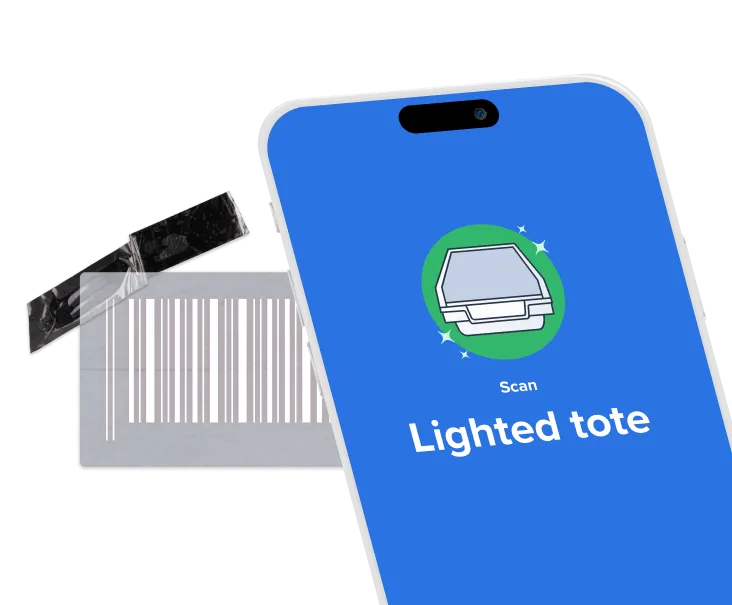
WorkforceHero adds visibility into labor: who is assigned to which task, when they clock in and how work moves through the building. Its special-project tools group hours across jobs such as picking, kitting and packing. That matters when a 3PL’s customer requests something more elaborate than putting one item in one box.
PostHero follows the parcel beyond dispatch, with carrier and delivery reporting for eligible U.S. accounts. Its documentation lists restrictions, including exclusions for orders using the public API. A buyer should check that their actual shipment flow is covered. A dashboard is useful only when the parcels that matter appear in it.
Eight buttons and one less interruption
Tap-to-Pack, introduced in 2026, makes ShipHero’s attention to the packing station tangible. The USB-C controller has eight programmable buttons, expandable to 24, with lights and sound for feedback. Packers can assign familiar commands such as label printing or order completion to physical controls.
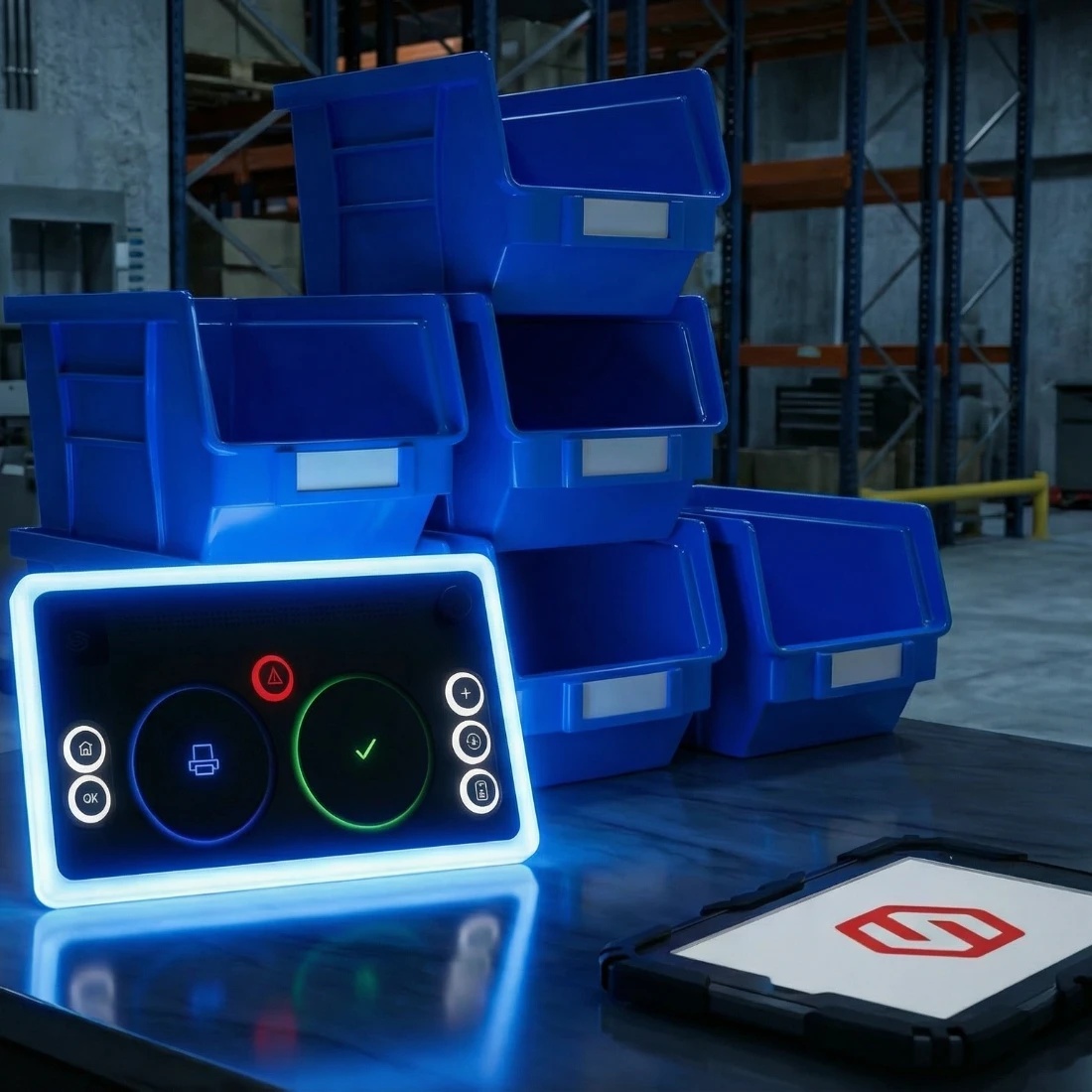
It is a small design proposition: remove repeated screen navigation from a physical job. ShipHero’s public changelog offers another example. A July 2026 notice announced simpler handling of incorrect packing scans, removing little-used lookup prompts after customer feedback found them confusing. Sometimes improving software means giving it less to say.
August updates also introduced optional write access through ShipHero’s MCP connection, letting authorized AI agents perform supported API actions. That adds a new interface to warehouse data. It still rests on the same old requirement: the records must match the stock.
Bring your awkward orders to the demo
Current ShipHero sales material offers custom pricing based on volume, alongside migration planning. Evaluate the full cost: subscription, implementation, compatible equipment and staff time. Use your own labor rates and error costs to estimate whether fewer touches or repeat trips would justify the purchase.
Warehouse-software alternatives include Extensiv, Logiwa, Peoplevox and Packiyo. The meaningful comparison is the workflow: client billing, replenishment, integrations, returns and the odd order that holds everyone up. A lighter shipping tool may suffice for a simple operation; specialized manufacturing or unusual handling requirements deserve a more demanding trial.
ShipHero’s example suggests a useful first step even before buying anything. Label the locations. Barcode the items. Separate stock ready to pick from stock waiting to be replenished. Then watch an order travel through the building. The unreachable shirt is trying to tell you something about your business.