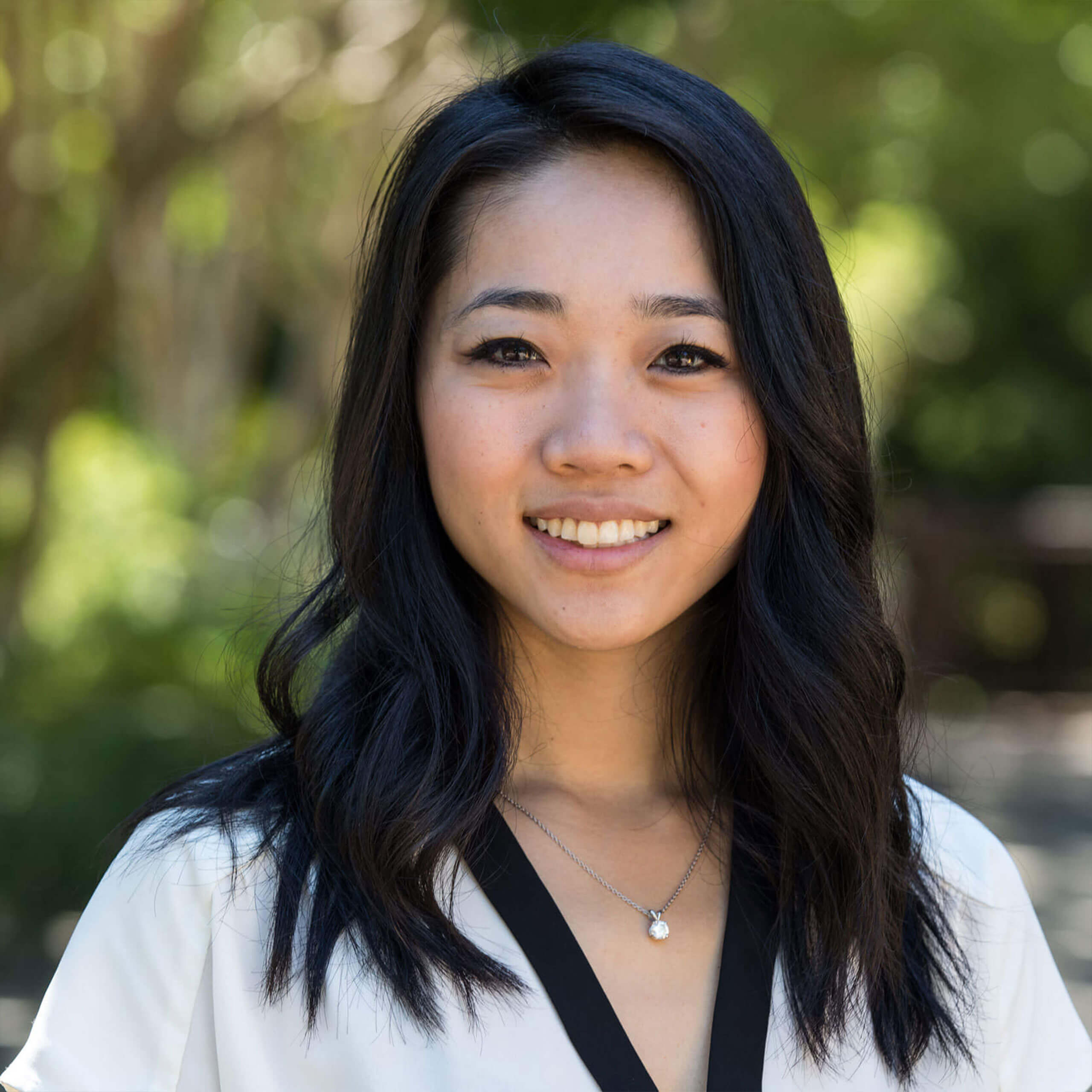
Before the AI funding frenzy made "growth-stage enterprise investor" sound like a lottery ticket, Sarah Wang spent years doing the unglamorous version: studying enterprise software metrics, sitting on ZoomInfo's board at TA Associates, and building a mental model of what actually makes a B2B company scale. Most investors have one mode - either venture (conviction on what could be) or growth (rigor on what is). Wang has both simultaneously, which is why David George, her hiring manager at a16z, called her "as good as it gets."
She joined Andreessen Horowitz in 2019. Within three years she was General Partner - promoted in January 2022. By then her portfolio was already forming the shape it has today: Sourcegraph, Crossbeam, Wiz, Hex. She was building conviction in enterprise infrastructure before the mainstream had finished debating whether remote work was permanent.
Then came the AI wave, and Wang was positioned precisely at its intersection with enterprise spending. She led a16z's investments in Cursor (the AI-native code editor that redefined developer productivity), Gamma (PowerPoint's AI replacement that hit product-market fit faster than almost anything in its cohort), Decagon (enterprise AI agents), Thinking Machines Lab, and Character.ai. She also works closely with a16z's growth positions in OpenAI, SSI, Databricks, SpaceX, Samsara, and Figma - a portfolio that reads less like a bet and more like a who's who of the companies that are actually winning.
Martin Casado, her colleague at a16z, publicly called her "the best growth investor in the entire industry." That kind of peer recognition in a firm of that caliber means something specific: it means she's the person they put on the hardest problems.