An empty chair is a peculiar thing to sell. Leave a bottle of shampoo on a shelf and you can sell it tomorrow. Leave an appointment unfilled at eleven o’clock and, by noon, it has ceased to exist. The chair remains. The opportunity does not. This is the small economic drama underneath Salonkee, a company whose original ambition was considerably less elaborate: make it easier to book a haircut.
- Salonkee connects bookings to the work behind them: client records, checkout, stock and staff.
- Salons pay for tiered software; customers use its booking platform to find and reserve services.
- The published entry price is 49.- a month. The full local bill depends on the package and payment terms.
- A newer wholesale shop extends the idea from managing appointments to ordering supplies.
The appointment was only the entrance
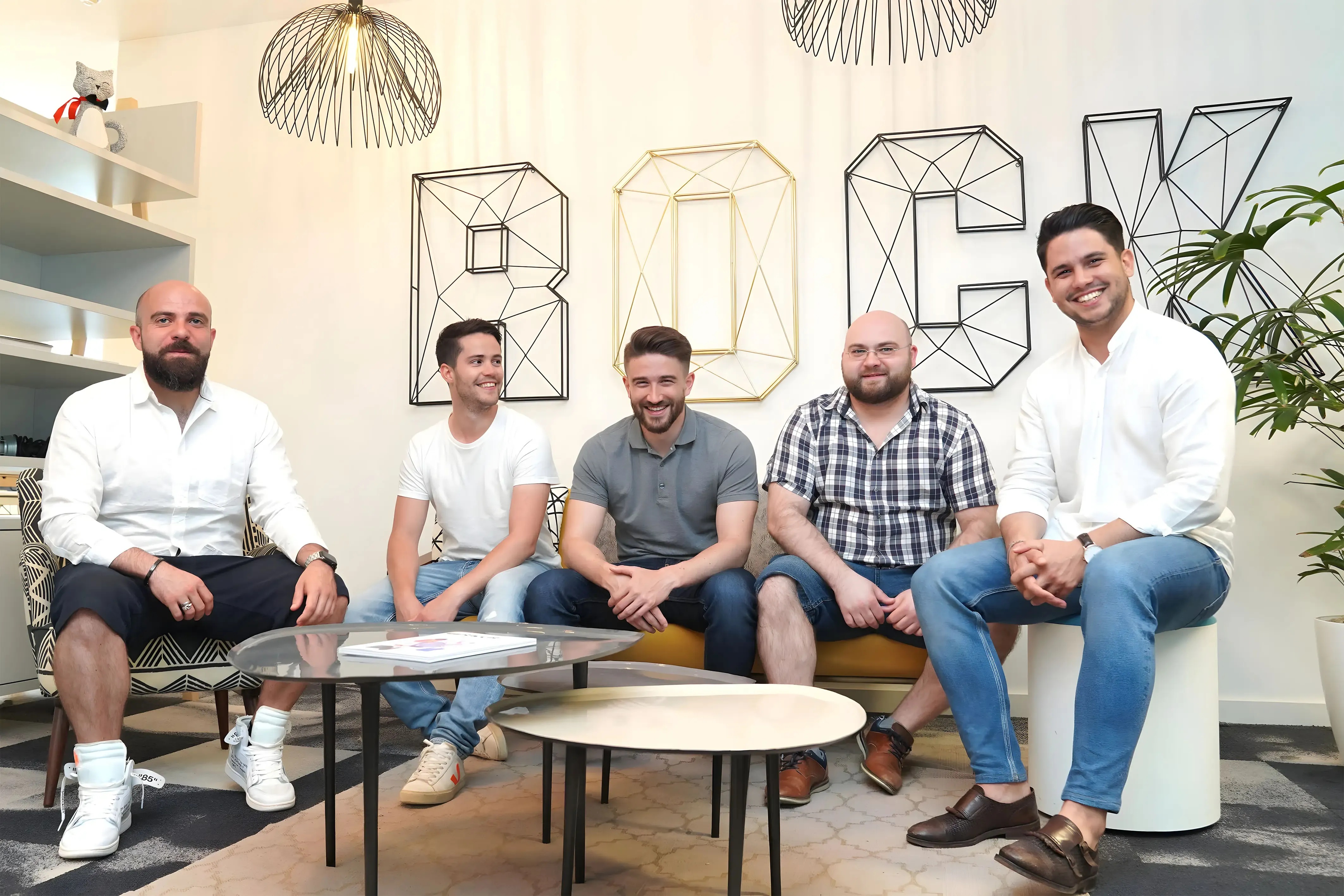
Salonkee was founded in Luxembourg in 2016 and launched commercially in 2017. Its five founders were Tom Michels, Andre Stehle, Alexandre J. Claro, Samuel Faber and Gilberto Fernandes. They did not begin with a grand romance about the beauty trade. Michels traced the idea to the founders’ own frustration with booking. A perfectly respectable ambition. Nobody should need a telephone negotiation to arrange a trim.
Owner interviews enlarged the problem. The visible inconvenience was making the appointment; the business behind it had its own collection of chores. Salonkee grew into a platform spanning the calendar, point of sale, customer management and other daily operations. The useful lesson is in that change of scope: ask the person supplying the service what happens before and after your moment of inconvenience.
Consider the journey from the owner’s side. A booking must fit a service and a staff member. The client may need a reminder. Someone needs to know what happened on the previous visit. Checkout should produce a usable record. Retail sales affect stock. None of these jobs is exotic; their accumulation is the nuisance. Salonkee’s proposition is to keep the handoffs inside one system.
“we just wanted to book our appointments online”Tom Michels · April 2026
A customer file with a memory for colour
The customer record reveals why this is industry-specific software. Salonkee can hold hair-colour formulas, photographs, consent documents, language preferences and visit history. A generic calendar can tell you that someone is coming on Thursday. A salon record can help explain what Thursday ought to involve. The difference matters when the regular stylist is absent or the customer says, with devastating confidence, “the same as last time”.
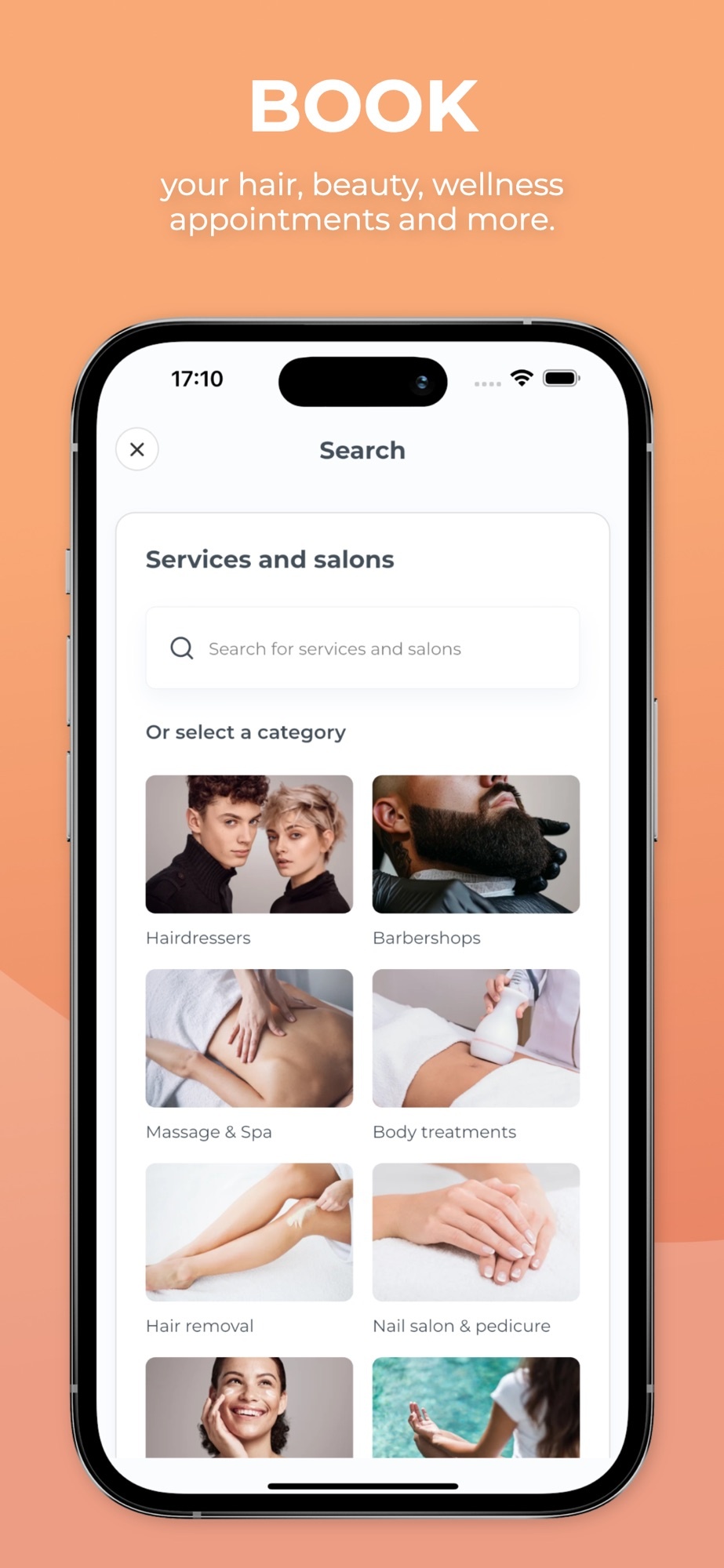
Online booking lets an owner specify services, availability and the people who perform them. Clients can browse, reserve and join a waiting list. Automated email and SMS reminders address the ordinary forgetfulness that produces extraordinary inconvenience for someone else. These are practical tools for businesses whose customers arrive one appointment at a time.
- 01BookService + staff
- 02RemindEmail + SMS
- 03RememberNotes + history
- 04Take paymentPOS + terminal
- 05Invite backRetention tools
Conceptual workflow, not a performance measurement.
Staff tools add work schedules, leave, clock-ins and clock-outs, performance reporting and access controls. Financial tools report on sales, customer retention and employee activity; the company also advertises accounting exports formatted for DATEV. That breadth is useful to an owner juggling separate systems, although breadth alone is a poor reason to buy software. The question is whether the functions remove work your particular salon actually does.
The price of keeping the chair occupied
Salonkee’s international pricing page advertises a starting price of 49.- per month. Its Start package covers the digital agenda, online bookings, customer cards, reminders and waiting lists. Plus adds checkout, stock management and accounting reports. Business extends the offer into campaigns, loyalty and human resources. Payments are an optional addition to Plus or Business; caller identification and a website builder are separate add-ons.
That advertised number is an opening line, not a complete budget. Ask for a local quote specifying the currency, taxes, package, add-ons and payment costs. A simple arithmetic exercise makes the distinction clear: twelve monthly charges of 49 equal 588 in the quoted currency, before anything else in the agreement. Compare that bill with the administration you hope to remove and the appointments you hope to protect.
Local currency · tax · tier · add-ons · payment terms
Integrated payments connect the agenda, cash register and terminal, reducing the need to re-enter transaction details. The no-show settings let a salon require deposits or keep a card on file, with different rules for different client groups. An owner can, for example, ask new customers for deposits. The discretion matters: protecting time should not turn the reception desk into a border checkpoint.
Customer accounts give these features some texture. On Salonkee’s testimonial page, JUNN Coiffure reports that 40 to 50 percent of appointments are booked online; AGstyles reports 90 percent. Those are individual, company-published accounts, not a prediction for the next buyer. Their variation is instructive. Adoption depends on the clientele and on how the salon introduces the new booking habit.
Europe, one reception desk at a time
Salonkee occupies a busy market alongside alternatives such as Fresha, Booksy, Treatwell and Zenoti. Its positioning centres on the recurring work of running a salon. In 2021, investor Fortino described the model as paid salon software with a free consumer marketplace, contrasting it with acquisition-led commission models. That is an investor’s argument for the business, rather than a neutral verdict on every rival.
The distinction nevertheless raises a useful buying question. Are you principally trying to find new customers, or organise the customers and employees you already have? A salon may need both. Compare the full workflow, local support and contract economics rather than assuming every booking button comes attached to the same business model.
Disclosed round sizes, not revenue. Bars share one scale.
Fortino and Newion co-led the €6.2 million Series A. PeakSpan led the €28 million Series B with existing investors participating. PeakSpan subsequently reported helping renegotiate Salonkee’s payment-processing vendor terms. It is a telling piece of work: software economics can improve through an unphotogenic contract as well as a photogenic product release.
Distribution also takes people. Salonkee promises help transferring data, followed by two to four hours of staff training and ongoing support. Its stated values stress ambition, teamwork, curiosity and humility. The operational test of those words is mundane: can the receptionist use the system on a busy morning? A patient training session can be worth more than another impressive slide.
Now the shampoo gets a booking too
In the fourth quarter of 2025, Salonkee added a B2B shop, linking supply purchases to its point-of-sale and inventory systems. Wholesale partners supply products, tools and equipment. The expansion follows a logical path: software already watching the stock can make restocking less fragmented. It also brings another commercial activity into a platform originally associated with appointments.
By April 2026, Salonkee had passed 10,000 European salons. That scale gives the supply experiment an audience, but an audience is only the beginning. Convenience at checkout does not guarantee good purchasing decisions. Owners still need to judge price, availability and what their customers will use.
Take one appointment through the demo
The most useful way to evaluate Salonkee is to bring an actual working day to the demonstration. Choose a service with an awkward duration. Book a customer who has visited before. Find the previous notes. Move the appointment, take payment, sell a product and check what the accountant receives. Then ask a staff member to repeat the exercise. The resulting questions will be better than “does it have a dashboard?”
This approach travels well beyond salons. Start with an interruption people recognise, interview the business absorbing it, and follow the information through every handoff. It works best when records are accurate and the team agrees to use them. Reminders need usable contact details; schedules need sensible service durations; campaigns need judgement. Software can preserve a colour formula. It cannot supply taste.
Salonkee’s appeal rests on this modest bargain: put the recurring chores somewhere they can be remembered, connected and completed. There will still be late customers, difficult days and hair that refuses to cooperate. But the owner may spend less of the afternoon negotiating with the diary. For a business selling hours that vanish as they pass, that is a proposition worth examining.