Ron Wiener once sold his Beechcraft Bonanza to help get a company off the ground. The company dealt in postal mail. There is a pleasingly awkward exchange in that: a pilot surrendering an airplane so that other people could stop driving to the post office. But Earth Class Mail began with precisely that sort of irritation. Wiener was spending too much of his day collecting mail from the various post-office boxes attached to his businesses. Much of what awaited him was junk.
The proposed remedy was practical. Receive the envelope, show it to the customer online, and let the customer decide what should happen next. Open and scan it. Forward it. Archive it. Shred it. The physical object would still exist, but checking the mail would cease to require a pilgrimage.
That episode contains the ingredients of Wiener's career: a familiar inconvenience, a complicated system, a business built to connect the two. It also contains an expense. Today, in the Seattle area, his job involves explaining the expenses that founders tend to overlook. At Venture Mechanics, where he calls himself the Chief Mechanic, the machine under inspection is often the company itself.
The flight to a thirty-minute lesson
Long before Earth Class Mail, Wiener learned to fly general aviation aircraft in 1984. His first two startups worked in aviation, making avionics, flight simulators, and other hardware and software. Nearly everyone at those companies, down to shipping clerks and accountants, was an aviator. Flight was a shared language as well as a product category.
It remains part of his teaching. For a Venture Mechanics event called Top Gun for Startups, he joined Ron Higgs and T.J. Kneale to connect cockpit experience with running companies. An aviation background also figures in his account of how he evaluates candidates. His public event biography describes a preference for applicants with aviation or military experience.
In March 2001, flying served a rather less cinematic purpose. As CEO of Portland's SnapNames, Wiener flew his single-engine airplane to Seattle three times in ten days for half-hour coaching sessions with speech and marketing specialists. He was preparing to pitch at an investment forum. The aircraft was effectively a very elaborate commute to public-speaking practice.
SnapNames, which he cofounded with Raymond King in June 2000, helped customers pursue expiring internet domain names. Wiener left in May 2002. His explanation was that he preferred building companies to managing them. The distinction helps explain the variety of businesses that followed. He kept returning to the unstable, demanding opening chapters.
with Raymond King
Earth Class Mail
launches
opens
A postmaster with a television crew
The Earth Class Mail prototype emerged in 2004 from Wiener's Portland incubator work. By 2008, the proposition had moved beyond freeing an individual entrepreneur from mailbox errands. Businesses and national postal systems were part of the conversation. A service built around an ordinary envelope required software, equipment, people, and investment.
For customers, its attraction lay in the separation of address from whereabouts. A traveler or a business could inspect incoming mail without standing beside the mailbox. The service combined digital scanning and optical character recognition with the stubbornly physical business of sorting paper. Behind an online inbox, someone still had to handle the envelope.
Wiener's title included CEO and Postmaster General. It was an appropriately theatrical title for what came next. A production company approached Earth Class Mail about filming its startup life. Cameras began shooting a test reel in April 2007; the resulting eight-part series, Start-Up Junkies, premiered on MOJO HD in January 2008.
The show followed an entrepreneurial team trying to turn a digital postal service into a business. Its premise depended on uncertainty: fundraising, development, and the prospect that a promising company might fail. These were actual operating problems with the added inconvenience of people recording them.
Wiener later described the publicity as useful and the editing as a surprise. A scramble around a Barcelona presentation and a financing setback supplied tension. He also objected to manufactured conflict and the music used to dress it up. In an interview afterward, he said, “We were a little surprised to see how it was all cut together in the end.”
The camera could compress the struggle into episodes. The business had to continue on its own timetable. Wiener served as CEO through May 2009 and remained chairman into early 2010. The mail venture became one chapter among several, although few of his other chapters came with a soundtrack.
The parcel that wouldn't arrive on time
EquaShip brought him back to delivery in October 2011. Its intended customer was the smaller online merchant, competing against retailers able to negotiate better shipping rates. The model relied on partners to move packages and the postal service for the final leg. EquaShip operated without its own vehicles or warehouses.
In December, it announced another $600,000 in financing, taking the total raised to $1.5 million. The plans included software development and more package drop-off locations. This was another attempt to make an established system work differently for customers with less bargaining power.
By February 2012, operations were suspended. Delivery speed had become the problem. Customers wanted inexpensive shipping, but they also wanted parcels to arrive fast enough to compete with larger retailers. Wiener said the partner network had failed to meet the company's needs. The lesson was blunt: assumptions about another company's execution could become your own company's failure.
“We're not going to take a carrier's word for it ever again.”
Ron Wiener, discussing EquaShip in 2012
His next long stint was at ThermoGenesis Group, known for the iMovR desk brand. A 2018 filing records Venture Mechanics' contribution of seed capital and assets when the company was formed in February 2013. He spent the following decade leading the group; the iMovR brand was acquired in June 2023. Software, shipping, furniture: the products changed, while the demands of assembling and financing a company kept recurring.
Opening the doors in Bellevue
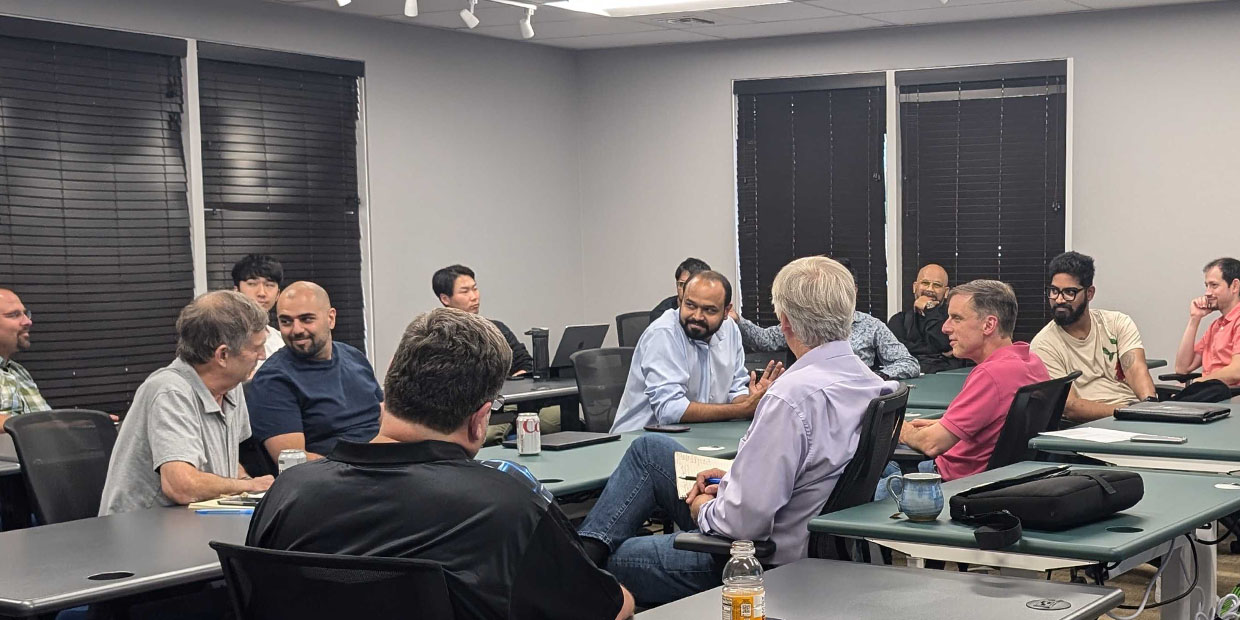
In August 2023, Wiener opened Venture Mechanics' Bellevue space with coworking offices and conference rooms in mind. Events and incubation soon took a larger role. After Techstars left Seattle in 2024, there was room for a different organization to help founders prepare and meet investors. Wiener had already operated three other Pacific Northwest incubators.
By May 2024, Venture Mechanics had assembled more than 100 mentors and put roughly 160 events on that year's calendar. Its activities included workshops, sector-specific pitch events, and gatherings for underrepresented founders. The point of the room was becoming what happened between the people inside it.
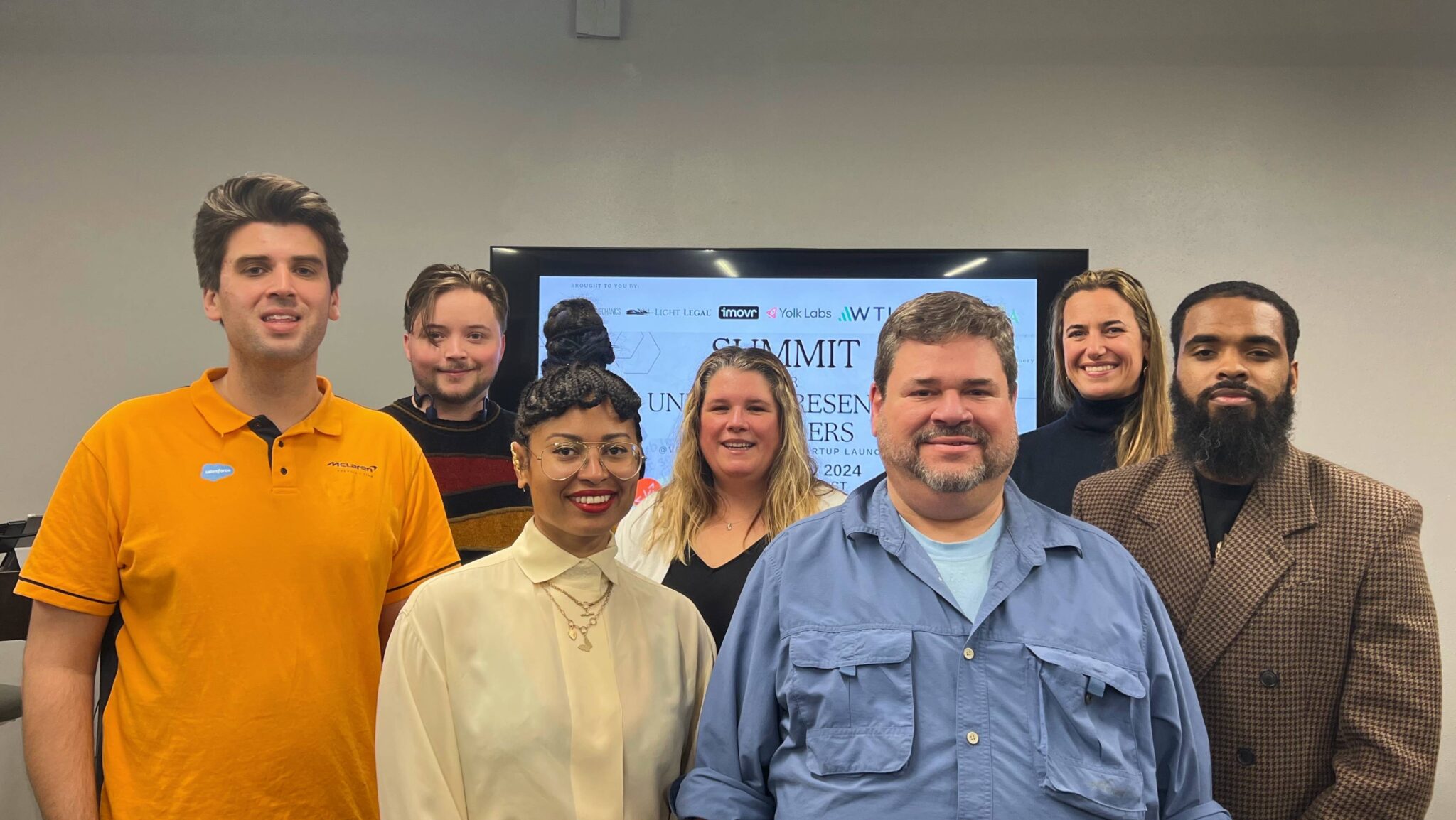
The program has continued to change. A December 2025 Catapult showcase described participation extending until companies secured funding, potentially through subsequent rounds, with an expected average of 24 months. Every 90 days, a showcase offered a chance to see progress. Investors could then sit with founders over dinner for a closer conversation.
That design gives preparation a longer runway. In a February 2025 conversation with podcast host Ed Barker, Wiener discussed customer discovery, team building, mentoring, and exit strategies. A pitch belongs within that larger preparation. Knowing the customer and knowing the eventual investor are connected tasks.
When the mechanic questions the engine
Wiener's 2026 writing complicates the familiar ambition to raise venture capital. In July, he revised an earlier essay about whether a concept could reach venture scale. He argued that AI had changed the economics for some small software teams, creating another route: businesses designed to generate cash with less initial investment.
He calls that approach Free Flow. In his formulation, such a company aims to reach positive cash flow with under $1 million in seed investment, often using an LLC structure and distributing profits to founders and early investors. These are his proposed design criteria, rather than a promise that any particular company will achieve them.
He still sees a place for institutional venture capital when substantial investment can help a business capture an opportunity. The question becomes whether the company's economics suit that financing. A funding route can be impressive in someone else's announcement and still be a poor fit for yours.
What does this company need to become?
Large capital needs.
Rapid expansion.
An eventual large exit.
Lower initial capital.
Earlier positive cash flow.
Profit distributions.
His August essay, Founder Angst, tackles the uncomfortable sight of a seemingly worse idea attracting more money. He argues that fund size, incentives, and the possibility of a very large outcome can matter more than the founder expects. Financing is a relationship with someone else's business model. Founders need to examine that model, too.
A manual for the next questionable suit
Wiener has turned those lessons into a book, Lawyers, Venture Capitalists and Other Useful Predators, offered free to founders in June 2026. Its subjects include financing documents, control, employee equity, acquisitions, and alternatives to venture funding. The title carries the joke; the contents concern decisions with consequences.
His explanation for writing it reaches back to delivering printed, ring-bound business plans to venture firms on Sand Hill Road. He remembers the confident young entrepreneur in a questionable suit who understood less about the people across the table than he needed to. Four decades later, he wants founders to ask better questions before agreeing to a path.
The Chief Mechanic title suits that work. A founder can arrive with a persuasive pitch and still need help understanding how the pieces fit. Wiener has been the pilot commuting to pitch lessons, the postmaster on television, and the shipping executive explaining a suspension. Now he is making those experiences available to people about to begin their own opening chapter. The airplane was sold long ago. The lessons are still being put to work.
Keep the conversation going
- Venture Mechanics
- Ron on LinkedIn
- Ron on Instagram
- Ron’s public Facebook link
- Venture Scale blog
- Video linked from Ron’s profile
- Venture Mechanics on YouTube
- Sound Investments interview, February 2025
- Free Flow interview, May 2026
- The Bellevue launchpad, May 2024
- The Earth Class Mail years, September 2008
- The Free Flow essay, July 2026
- Lawyers, Venture Capitalists and Other Useful Predators