In 2011, Ted Hughes brought Rolustech a problem with a very unglamorous shape. Texas Tax Group, where he was director of operations, had served roughly 500 clients. The firm already had a basic model of the CRM it wanted. It needed someone to make that model work. Behind the request sat a growing database, confidential financial information and an accounting system being asked to do rather more than accounting.
The telling detail in Rolustech’s original account of the project is access: users could not adequately be restricted from seeing sensitive information. Expansion had turned a useful arrangement into an uncomfortable one. The software still existed. The fit had deteriorated.
- What you buy: CRM implementation, integrations, custom software and plugins.
- Who it helps: teams carrying customer information between documents, sales tools and accounting.
- The interesting bet: its newer AI tools tackle those same handoffs through document extraction and questions in plain English.
The spreadsheet reached its limit
Rolustech recommended SugarCRM, built a custom financial-data import and connected the CRM to QuickBooks. It also introduced restrictions on access to confidential records. Nearly ten modules were synchronized with the accounting system. This was a fairly specific answer to a fairly specific business: tax consulting has clients, certainly, but also cases, consultant hours, invoices and money earmarked for particular work.
A later case study fills in the operational machinery. Spreadsheet-based audit histories and financial records had become cumbersome. Information arrived in non-CSV files that required manual extraction. Rolustech added timesheets, rules for distributing retainer fees and invoice workflows, with QuickBooks synchronization. The company reports that the resulting system made available project funds visible and payment distribution automatic.
That distinction matters. A contact database tells you who the customer is. A working business system also tells you what has happened, who did the work and whether there is money available to do the next bit. For a consultant, the second set of questions can make the first one rather more useful.
The practical lesson is almost impolitely simple: write down the business rules before commissioning the software. Texas Tax Group brought a model of what it needed. The project could therefore concern itself with imports, permissions and payment logic, rather than an abstract wish to become more digital. A purchase order benefits from nouns and verbs.
A signature should not need a postal code
Another customer, Oregon homebuilder MonteVista Homes, faced a different obstacle. Staff were printing legal documents and sending them to customers by fax or mail for signatures. The company wanted to manage that work from SugarCRM. Rolustech installed its DocuSign plugin and connected document templates to customer details in the CRM.
The account describes fields being populated automatically, removing the need to create an individual document manually for every customer. It also describes a MailChimp integration and a lead-scoring dashboard. The thread connecting these changes is ordinary administrative friction: move a record, prepare a document, establish which lead deserves attention.
Here is an appealing way to judge the work. Ask the person who prepares the documents what happens after the customer says yes. If the answer involves copying the same name and address three times, the process has supplied its own specification. You do not need a stirring speech about transformation. You need a reliable transfer and someone responsible for it.
Keystone Technologies supplies a third variation. Rolustech connected Google apps using RT GSync, built custom reports for product profitability and extended default roles and privileges. The case shows why integration, reporting and security frequently appear on the same shopping list. A system must share enough information to help people work while withholding enough to preserve appropriate access.
Small bridges, sold separately
Rolustech occupies the implementation layer of enterprise software. Salesforce and Sugar provide platforms; a partner translates a particular company’s processes into configurations, extensions and connections. Alternatives include other specialist partners, a company’s own developers or a ready-made marketplace integration. Faye, for example, offers Sugar implementation and consulting. Platform familiarity alone does not settle the choice.
Rolustech’s distinguishing combination is a services practice alongside a catalogue of its own small software products. RT SalesMap places CRM accounts, leads and contacts on a map and supports radial searches. RT Telephony connects voice and SMS through Twilio. These are recognisable jobs, packaged so that every customer need not begin with an empty code editor.
Or $99 per user, yearly, on the published product page. Legacy version ranges are listed: confirm compatibility and current terms before buying.
RT GSync synchronizes Google calendars, contacts and Drive documents with CRM records. Its product page advertises a 30-day trial and included support. For ten users, the displayed annual rate would total $990 before any applicable taxes or additional work. That arithmetic describes this plugin, rather than the cost of a CRM deployment.
The larger services business offers fixed-price projects, dedicated resources and hybrid arrangements. In commercial terms, those options answer different questions: is the deliverable settled, is the work continuing, or do you need both? The choice affects who carries the risk when requirements change. A clearly described integration is easier to scope than an instruction to fix everything people dislike about sales operations.
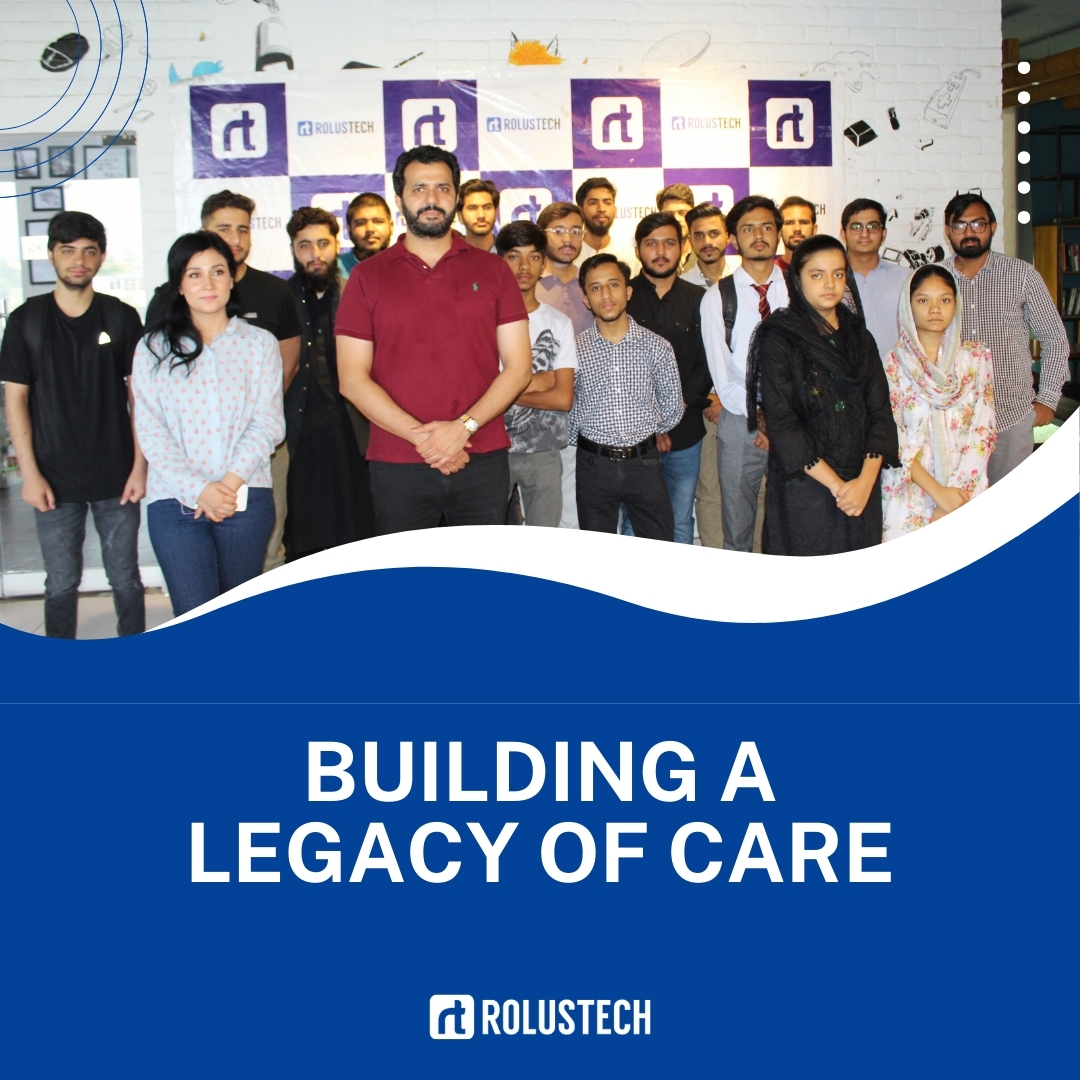
The company’s public culture material emphasizes learning and collaboration; its staff digest also describes university career-fair recruiting. The customer evidence is more useful when assessing delivery. Justin Weber of Sourcetoad, in a testimonial on Rolustech’s website, says: “They also remained very much on schedule throughout the whole project.” A modest sentence, and a meaningful concern when somebody else is editing the machinery your business depends on.


AI arrives at the same old desk
The current product catalogue brings AI to familiar problems. Rolustech Ask is advertised as a Salesforce package for questions in plain English, answered using CRM records. Capture targets structured information buried in invoices, forms and scans. Data offers auditing, cleaning and connections between systems. These are advertised capabilities, rather than independently measured outcomes.
Report proposes something especially revealing: query live application APIs, render charts and tables, and show the calculation. Its page says records are displayed side by side when identifiers do not match, rather than joined through an invented relationship. That is a sensible product promise. A beautifully presented number becomes considerably less beautiful when two different customers have been treated as one.
The useful question is where a person has to carry information that the software could carry instead.
THE EDITOR’S TAKE
The proposed Finance workflow reads tax notices, structures the contents, drafts a response and tracks a deadline. A licensed professional approves before anything is sent. For readers of the Texas Tax Group story, the family resemblance is hard to miss. The interface has changed; documents, casework and accountability remain.
Start with the chore
The inference from these projects is that Rolustech’s opportunity lives in the gaps between applications. That is also a useful buying rule. Start with one customer journey, from enquiry to completed work to invoice. Mark each export, repeated entry and manual reconciliation. Then choose a change small enough that the people doing the work can tell you whether it helped.
There are conditions attached. Check platform versions before choosing a plugin. Decide which system owns each record, how duplicates are handled and who has permission to see the result. If a basic CRM already meets the need, another integration may add maintenance without removing much work. If nobody agrees on the billing rules, automating them merely makes the disagreement travel faster.
Rolustech can be useful when the business problem is concrete and the existing software needs skilled adaptation. Its work invites a pleasingly unfashionable measure of progress: fewer occasions on which a capable employee must serve as a courier between two expensive applications. The saved copy-and-paste is unlikely to receive a standing ovation. The person who used to do it may appreciate it all the same.
Website · Customer projects · Blog · Plugin walkthroughs & demos