The awkward thing about becoming an independent financial advisor is how quickly independence fills your calendar. A client needs a retirement plan. An account needs transferring. A website needs approval. Somewhere between the meeting and the paperwork, the person who wanted to run a practice becomes the person keeping its machinery alive. RFG Advisory has built its business around that crowded space.
- Advisors bring the relationships; RFG supplies shared operating support.
- The package spans technology, investments, compliance, marketing and transitions.
- Ownership and capital arrangements vary. The economics deserve a close look.
Its proposition is straightforward: let advisors own a business without personally performing every job inside it. The customers are independent advisors and teams leaving wirehouses, broker-dealers or other platforms. Their clients still need portfolio management and financial planning. RFG sells the infrastructure that makes delivering those services less cumbersome.
The practice that became the plumbing
Bobby White founded Reliance Financial Group in 2003. It began as an advisory business serving clients, then expanded through growth and succession acquisitions. That history matters. RFG’s operating problem was familiar before it became a product: how does an advisor keep a growing practice from consuming the time needed to serve it?
Shannon Spotswood joined in 2015, bringing an institutional investing background. She and White developed a platform for independent advisors. RFG’s history describes a 2018 relaunch, RFG 2.0, built around client experience, integrated technology and a multi-custodian structure. The business had found a second customer: the advisor who wanted help running the business itself.
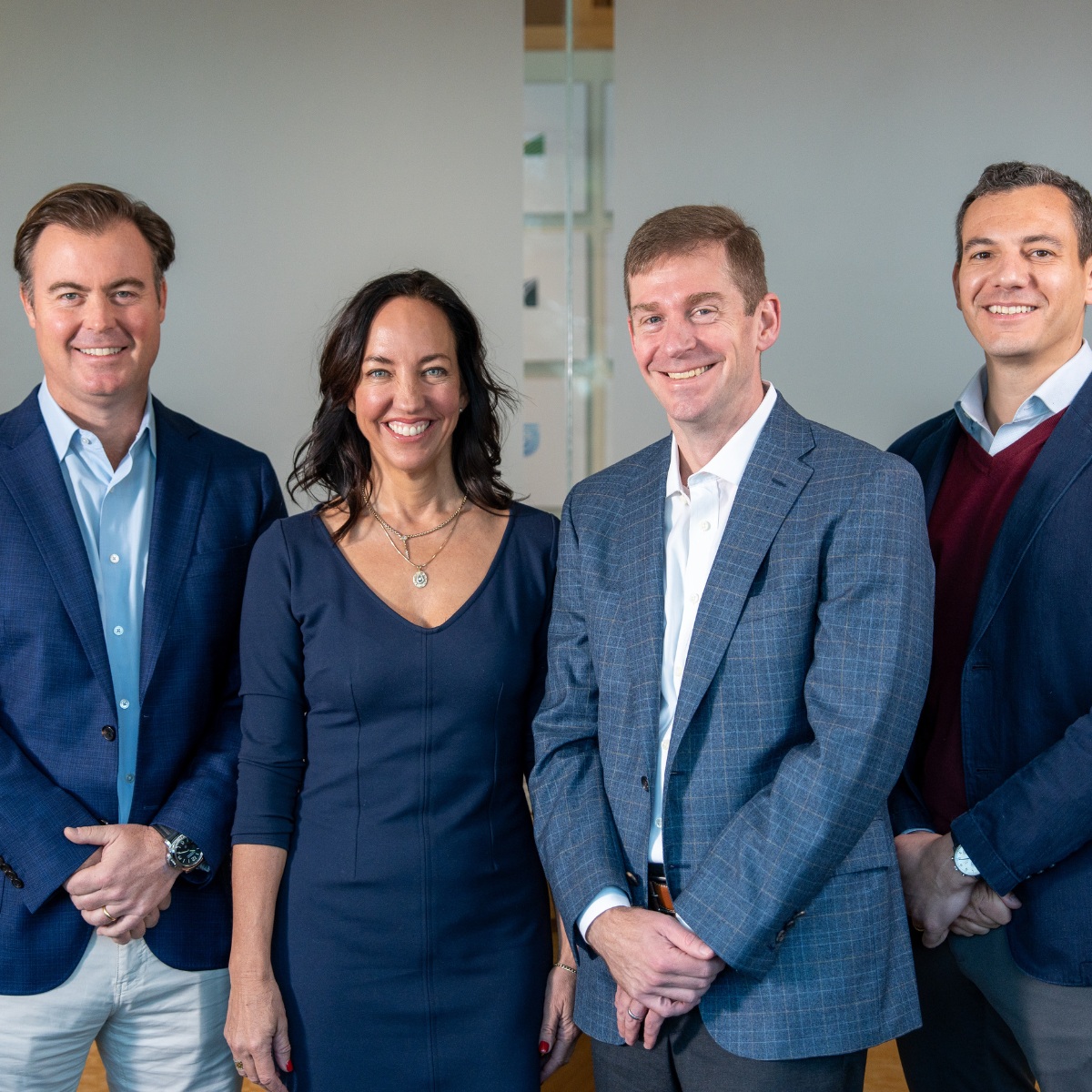
In July 2024, Spotswood became CEO and White moved to executive chairman. Ed Swenson became president in 2025. The shift from founder-led practice to operating platform now had a leadership structure to match. RFG’s expertise extends beyond investing into the less photogenic subjects of supervision, staffing, technology integration and practice management.
Independence has a moving day
Consider the moment an advisor leaves an established firm. Clients need reassurance precisely when registrations, account mapping and new systems demand attention. RFG publishes a transition sequence: one to eight weeks of preparation, a coordinated launch day, then a transition period extending up to 90 days.
The preparation includes branding, custodian selection, registration guidance and technology training. After launch come digital onboarding, CRM migration and billing support. The sequence is revealing. RFG is selling coordination across tasks that can otherwise land on different desks, with the advisor left to chase each one.
Marketing follows the same logic. Naming, visual identity, a website, client communications and launch campaigns belong to one process. Advisors can establish distinct brands rather than present themselves as interchangeable offices. The practical advantage is having the operating setup and public identity ready together.
The swivel chair gets an upgrade
RFG calls disconnected software a “swivel-chair” problem. Its answer is ClickONE, an AI-powered operating environment built on a unified data layer. The public product presentation shows natural-language questions about households, investment requests, compliance status and client outreach. The intended change is from searching through systems to finding information and starting work in one place.
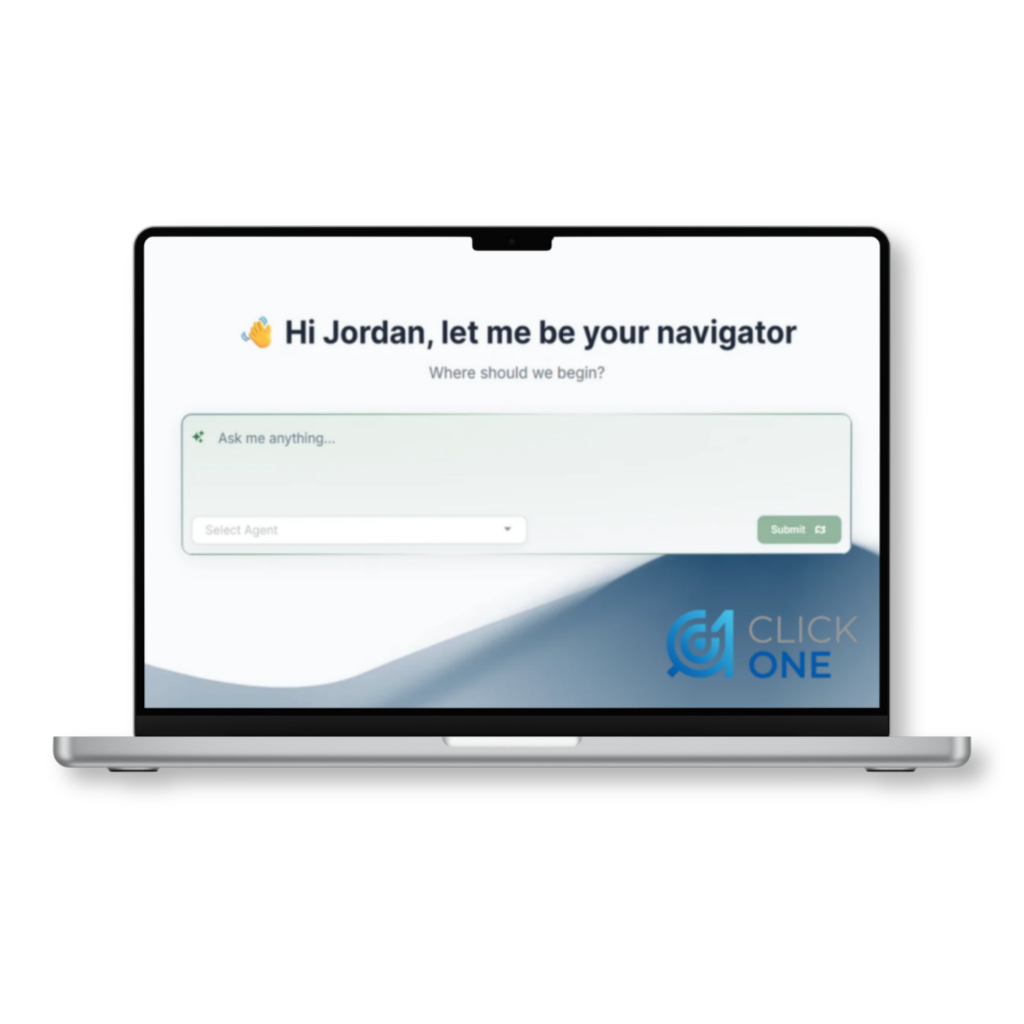
There is a useful distinction inside that presentation: RFG IQ is marked in development, while planning, billing and marketing modules are marked coming soon. The roadmap makes the ambition visible, but it should remain separate from what an advisor can use today. Connected data is useful only when the promised workflow actually closes.
Investment services offer several levels of delegation. Advisors can use Bluemonte ETF model portfolios, combine strategies through the Model Marketplace, access separately managed and unified managed accounts, or retain portfolio construction decisions while outsourcing trading. In June 2026, RFG announced an iCapital partnership adding connected access to alternatives and structured investments.
The price of an uncluttered desk
This support has an explicit economic structure. RFG’s March 31, 2026 relationship summary lists discretionary investment management fees up to 2.35% annually, including a platform fee up to 0.50%. These are disclosed ceilings. Actual charges depend on the agreement, and outside manager or investment expenses can add costs. A quarterly $12.50 account service fee also applies.
Long Ridge Equity Partners invested in 2023; financial terms were undisclosed. The capital supported technology and leadership expansion. RFG also offers advisor capital and equity arrangements. Standard affiliation can preserve practice ownership, while a succession transaction can involve selling a stake. In 2026, the firm reported its first advisor majority acquisition, involving RVA Wealth Management.
That distinction places RFG between doing everything yourself and choosing a more encompassing ownership transaction. An advisor comparing platforms must compare the services actually used, the time returned and the contractual choices retained. A practice with an effective operating team may value the package differently from a breakaway team assembling everything at once.
Company-reported assets under management and advisement combined. A measure of platform scale, rather than revenue or investment performance.
What grows when the friction shrinks?
RFG’s answer includes StrongHer Money, which gives advisors training, coaching, educational materials and peer connections for serving women investors. It is a concrete example of growth support: help advisors develop the conversations and capabilities a client group requires, then give them materials they can put to work.
“Culture creates opportunity, but execution earns results.”Shannon Spotswood · July 2026
The firm reported more than $1.5 billion in recruited client assets in the first half of 2026. Those are assets arriving with newly affiliated advisors, a different measure from investment returns or organic growth. September brought another development: RFG supported the WFA Volare merger, creating a firm with more than $750 million in client assets.
The model depends on delegation. An advisor who wants to select every vendor and control every operational detail may find a bundled platform less appealing. Someone who delegates still needs to judge service quality, check the economics and understand the ownership terms. Shared infrastructure changes the work of running a practice; it does not remove the responsibility.
The transferable idea is modest and useful. Count the handoffs in a working day. Decide which require your judgment and which require a reliable process. RFG’s business depends on making the second group easier, so advisors have more room for the first.