The most interesting word in RedCircle's 2024 product announcement was not “advertising.” It was “without.” Podcasters could take a host-read ad deal without moving their show to RedCircle. For a company that began as a podcast host, this was a curious concession. For a company trying to sell ads, it was an admission that the feed's address was never the most valuable part of the business.
The short version
- RedCircle hosts and distributes podcasts, then helps their makers grow and earn.
- Its RAP marketplace sells host-read and programmatic ads; OpenRAP reaches shows hosted elsewhere.
- Core hosting is free. Paid hosting plans and shares of ad revenue fund the business.
- Its best trick is turning a pile of ad-deal chores into a repeatable workflow.
RedCircle's original promise was practical. In 2019 it offered independent podcasters free hosting, analytics, promotion swaps and a route to advertising. Mike Kadin and Jeremy Lermitte, who had worked on Uber's marketing technology systems, were betting that small creators needed some of the same machinery large publishers already had. Kadin wrote that the company would do well when its creators did well. That was a business model, not merely a sentiment: RedCircle would take a share when it helped sell the advertising.

The expensive minute nobody hears
A host-read ad is wonderfully simple to hear. A familiar voice recommends a product, often in the host's own words. Making that minute happen is less simple. A brand needs the right show; the host needs the brief, a deadline and perhaps a product sample; someone must approve the recording, insert it into the right episodes, count delivery and pay the creator. Email and spreadsheets can manage one campaign. They become less charming at scale.
RedCircle's Ad Platform, RAP, gathers those steps in one place. Brands and agencies can buy across shows. Creators can receive and accept offers, record their reads and let the platform handle insertion and reporting. The company also sells programmatic ads - prerecorded spots selected and inserted for individual downloads. Dynamic insertion means an old episode can carry a current campaign rather than a permanent advertisement for a sale that ended three summers ago.
The split between ad types is consequential. RedCircle's current help center says a creator keeps 70% of RAP host-read revenue and 50% of programmatic revenue. Shows need at least 500 weekly downloads to apply to RAP. The first constraint is a commercial one: a show with a devoted but tiny audience may find listener support more useful than ads. The second is geographic: RedCircle says its host-read sales program currently serves US podcasts, while programmatic ads reach more countries where Stripe Express payouts are supported.
A door in the hosting wall
For years, the ad system worked most naturally with shows RedCircle hosted. Then podcasters delivered an awkward message: they liked the ad demand but had reasons to stay with their existing host. Kadin later explained that this request, together with broader support for VAST ad connections, pushed the company to extend RAP beyond its own hosting. OpenRAP launched in March 2024 to do exactly that.
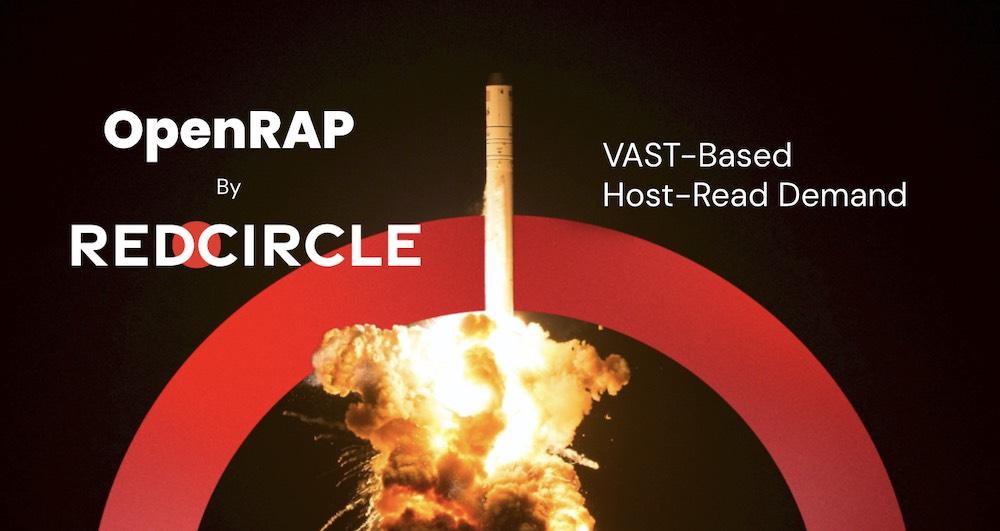
The mechanics matter. A creator can accept an offer and upload a read in RedCircle's workflow, while a VAST connection lets the existing host serve the ad and report delivery. RedCircle says OpenRAP sits behind a show's own sold campaigns, filling available inventory. At launch, the service was connected to more than 100 podcasts with more than 6 million monthly downloads among them. It was a small but telling proof: selling the ad did not require custody of every audio file.
“We were interested in host-reads, but were hesitant to leave our current hosting.”
The company reported in that same launch that it had generated more than $16 million for creators, deployed over 7,000 unique host-read ads and placed more than 500,000 unique programmatic ads. Those are company figures, and they describe activity through early 2024 rather than today's totals. Its current site claims more than 10,000 partnered podcasters and more than a billion host-read ad impressions delivered. The scale explains why the next problem looked less like finding advertisers and more like checking the work.
When the ad says the wrong thing
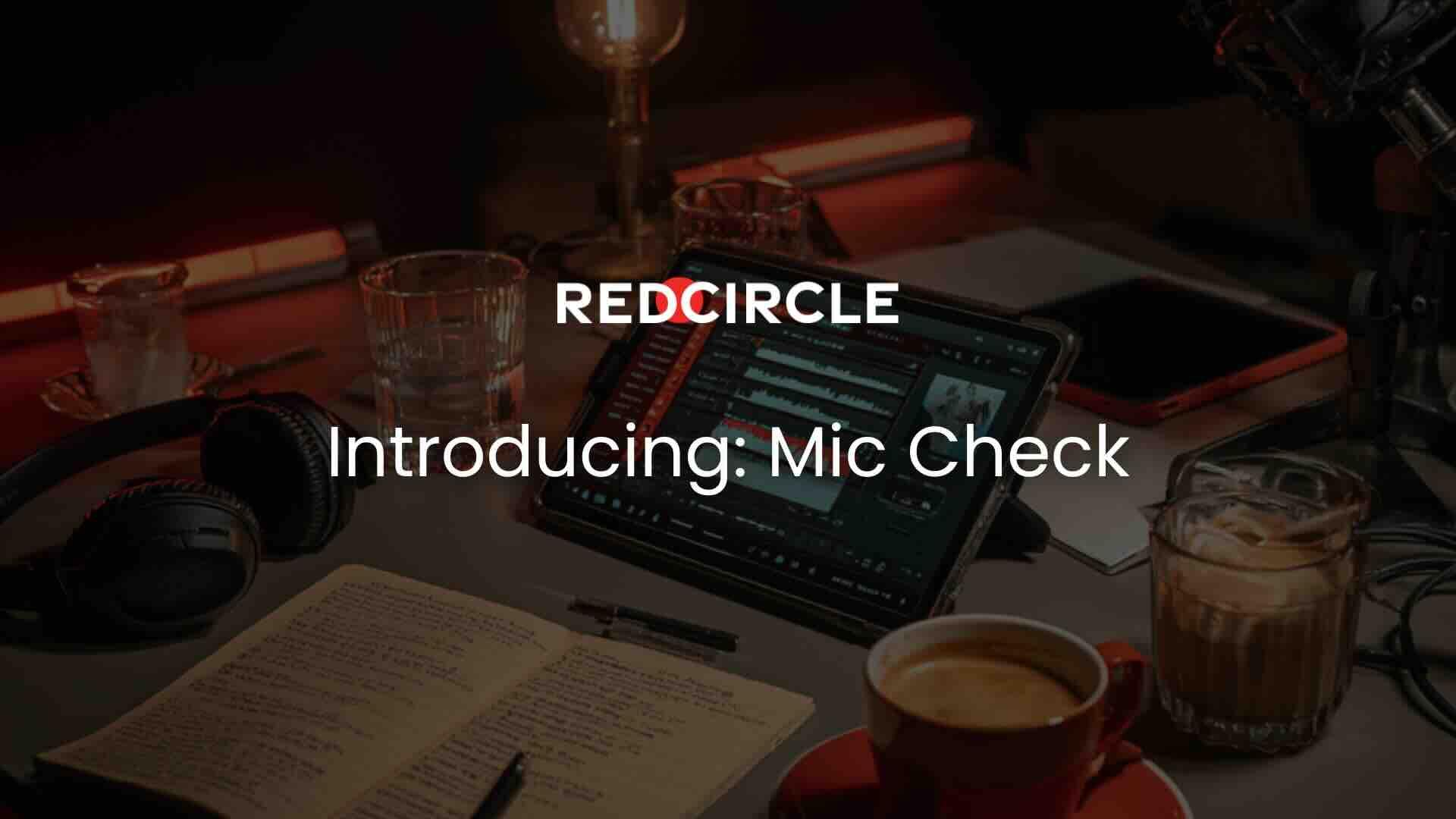
In 2025, RedCircle introduced Mic Check. It transcribes a host's ad read, compares it with the approved script or talking points, and flags trouble such as a wrong promo code, missed requirement or reused recording. The creator can re-record before the ad runs. RedCircle says host-read errors fell 75% during the first three months it used the tool. In July 2026 it pointed the same idea at programmatic ads, checking the audio against the category data attached to it. A gambling ad mislabeled as shopping is not a mere clerical error to a publisher who has blocked gambling.
RedCircle also runs the unglamorous parts of a creator business. Its free Core plan has unlimited episodes and downloads for one podcast. Growth, Pro and Enterprise plans add capabilities such as more shows, advanced analytics, cross-promotion, dynamic audio, team seats and video distribution. In August 2026, Pro and Enterprise users gained a way to publish a video episode, or an automatically generated video from audio, directly to YouTube. A January partnership with Audion opened a route to European programmatic demand. The company is following the audience and the advertiser across platforms and borders.
What the model teaches
RedCircle sits between traditional podcast hosts and ad networks. Spotify for Creators, Acast, Buzzsprout, Libsyn, Spreaker and Megaphone all compete for some piece of the publisher's workflow. RedCircle's unusual move was to let part of its own workflow travel to their customers. It lowered the cost of trying its marketplace. The company still has to earn its share by bringing campaigns, reducing admin and paying reliably; a subscription alone cannot make an ad attractive to a listener.
The useful idea is available to smaller businesses too. Find the tedious sequence around the thing customers actually want. Here, the desired thing is a credible host recommendation; the sequence is vetting, briefing, scheduling, insertion, checking and payment. Make that sequence short enough that both sides return. Then ask which parts can work even when customers keep another supplier. OpenRAP's answer was that the valuable connection was to the ad deal, not necessarily to the hosting account.
The conditions in the fine print
Free hosting does not guarantee ad income. RAP has a download threshold, host-read sales are currently US-focused, and programmatic demand depends on eligible payment countries. A creator should compare the revenue split with the actual campaigns, control and work saved - then decide whether the terms fit the show.
A podcast is intimate media with industrial chores. RedCircle's history is a sequence of attempts to make those chores manageable: free publishing in 2019, automated sales, an open connection in 2024, ad checking in 2025 and broader distribution in 2026. The company started by giving a show a home. Its more durable question may be whether it can help that show make a living wherever it lives.