An insurance renewal is a useful place to think about artificial intelligence. There are documents to check, policies to compare, customers to contact. Much of the work must happen before anyone can offer advice. For a software investor, that sequence poses an interesting question: how much of the preparation could a system carry out on its own?
The short version
- The bet: AI that performs operational work in specific industries.
- The stage: pre-seed and seed, principally in the United States and Canada.
- The offer: investment capital, operating guidance and relevant introductions.
Rebellion Ventures has built its identity around that question. The San Francisco firm calls itself The Autonomy Fund. Its founder, Jukka Alanen, backs companies developing autonomous operations and systems across manufacturing, logistics, infrastructure, commerce, healthcare and finance. The connection between these markets is the work inside them: costly, repetitive, complicated tasks that someone still has to finish.
01The job comes first
Consider three businesses on Rebellion’s company page. AIO sells restaurant software spanning orders, staffing, inventory, office functions and analytics. Quandri automates work for insurance agencies. AlphaOne Robotics develops warehouse unloading and receiving systems. A restaurant manager and a warehouse operator may have little reason to compare notes. Rebellion puts their operating problems in the same investment conversation.
The firm describes autonomy through four verbs: sense, decide, act and learn. The distinction concerns responsibility for a process. A useful answer on a screen is one deliverable. Checking information, taking an appropriate action and completing a workflow asks considerably more of a system. That is the territory Rebellion has chosen.
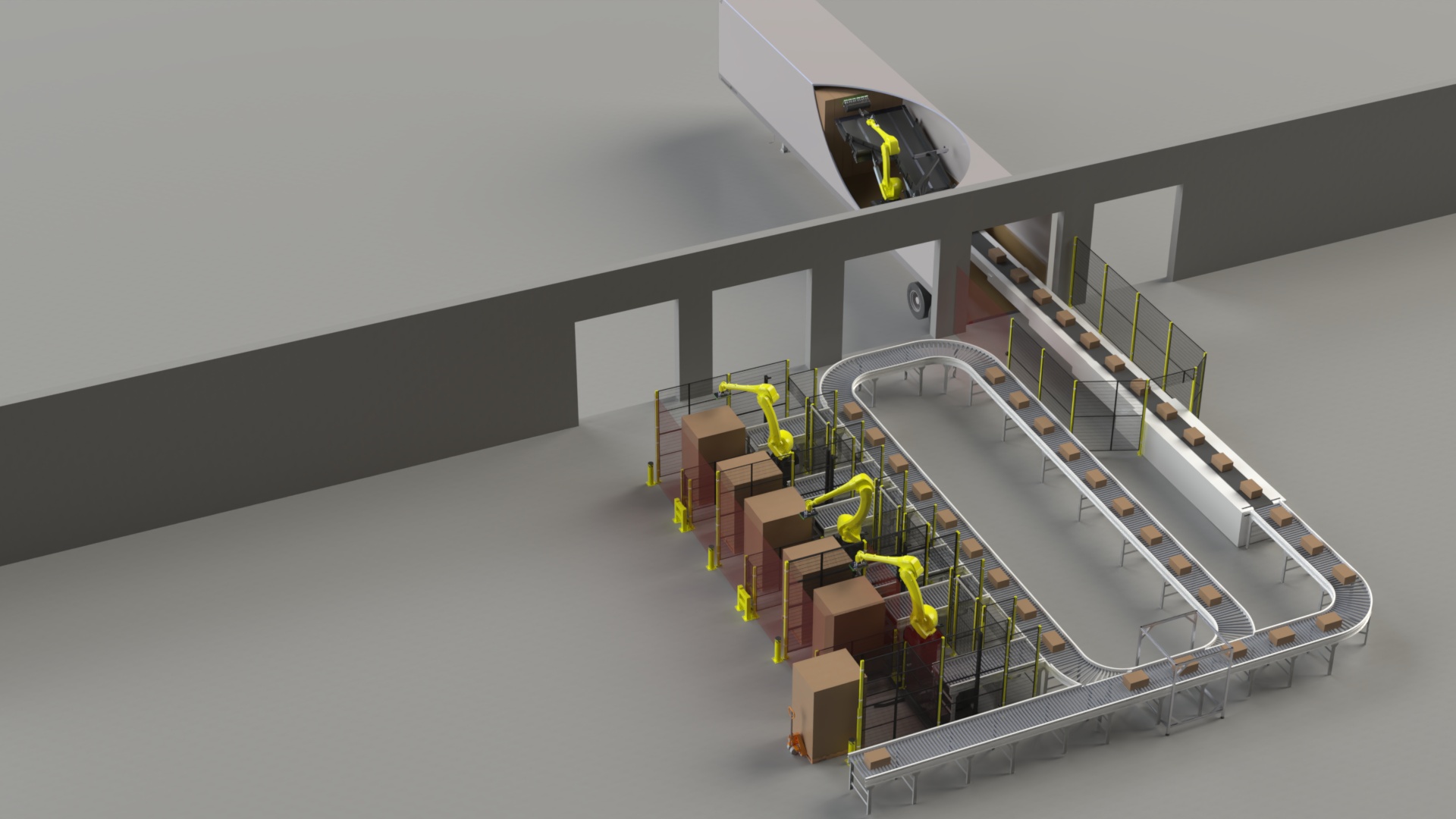
A conceptual view of Rebellion’s autonomy thesis, not a product specification.
02A small fund, an operating bench
In June 2024, Rebellion announced its inaugural $12.9 million fund. It had already backed 12 startups. In an interview that August, Alanen described typical checks as a few hundred thousand dollars, sometimes the first investment a company received. The fund figure measures capital for investing; it says nothing about the management company’s revenue.
Alanen came from operating roles, including senior leadership in strategy and corporate development at PagerDuty. Rebellion pairs that experience with a community of more than 70 unicorn founders, CEOs, operating executives and industry experts who are limited partners and advisors. Its promised help includes business development, company building, fundraising preparation and introductions to customers, partners and talent.

There is a practical reason to care about that combination. A technical founder may understand the automation and still need help selling it, hiring a team or preparing the next financing. Rebellion offers support around those problems. On its website, Quandri CEO Jackson Fregeau describes Alanen as proactive about offering ideas and recommendations.
“he’ll come to you with ideas and recommendations.”
Jackson Fregeau, CEO of Quandri
Testimonial published by Rebellion Ventures
There are two audiences here. Founders receive capital and company-building support; limited partners supply the money the fund invests. The restaurants, insurers and warehouses served by portfolio companies are a step further along the chain. Rebellion’s commercial role is financing the businesses that build those systems. It does not sell a restaurant platform or a robotic unloader itself.
03An insurance desk puts the thesis to work
Quandri gives the argument some measurable substance. Rebellion was named among its existing investors in the insurance software company’s June 2023, $8.5 million Series A. By July 2025, Quandri reported that revenue had increased fifteenfold since that financing and its customer base had passed 100 agencies and brokerages across Canada and the United States.
Quandri revenue, indexed to 2023 = 1. Company-reported growth in July 2025; not dollar revenue or Rebellion fund returns.
That announcement accompanied a further $12 million financing. Quandri named customers including BrokerLink, Western Financial Group and HomeServices Insurance. Its software handled policy reviews, renewal insights, requoting and client engagement. The specificity matters: an agency could evaluate a defined workload rather than buy a general promise about intelligence.
On September 23, 2026, Quandri announced AI Workflows, extending beyond renewals into servicing and revenue growth. The progression illustrates Rebellion’s interest in a focused starting point that can grow into a broader platform. Elsewhere in the portfolio, enterprise security and IT company Airrived emerged from stealth in February 2026 with a $6.1 million seed round that included Rebellion.
04Build the customer insight first
For an aspiring founder, the useful part is Alanen’s order of operations. In his 2024 interview with Sramana Mitra, he emphasized understanding the customer problem, delivering a substantial improvement and combining domain expertise with AI and automation capability. He also argued that available software components and commercial APIs let founders start more cheaply than when they had to build most of the stack themselves.
The lesson a reader can copy is straightforward: learn the job before proposing its replacement. Find the buyer, understand the existing process and establish what a better result means. For a founder approaching Rebellion, evidence of customer insight belongs near the beginning of the conversation. A convincing demonstration becomes more useful when someone can explain why a customer needs it.
Other AI investors offer alternatives. Conviction also invests early in AI companies; Radical Ventures spans incubation through later stages. Rebellion’s particular emphasis is pre-seed and seed autonomy, supported by operators. Its stated geography and industry focus give founders a way to judge fit before approaching it.
Alanen also described a change in what early-stage investors can expect to see. In his account, even pre-seed teams may now have a product and initial customer engagement. The availability of reusable technology moves some validation earlier. His advice points toward doing the learning before a financing round: use the first customer conversations to decide what deserves to be built.
05The work still needs an owner
Specialization also sets a demanding test. Rebellion’s research agenda explicitly examines reliability, control and trust under uncertainty. An operational system has to function where the work happens. My reading of that requirement: without customer access, dependable execution and a meaningful improvement in outcomes, the thesis loses its practical force.
The firm’s public commitments include responsible autonomy and the Mensarius Oath, an ethical code for investors. Its management company pledges at least 1% of profits and time to philanthropy and community support, explicitly excluding fund assets. That precision is welcome. Rebellion’s larger productivity forecasts remain ambitions. The concrete question sits closer to the insurance desk: what got finished, and did it help the person responsible?