A customer calls the bank about a payment they do not recognize. The question sounds small: can you fix this? Inside the institution, it becomes a procession of questions. Which transaction? Which evidence? Which deadline? Who has the file? Quavo Fraud & Disputes has built its business in that distance between the customer’s request and the bank’s ability to answer.
- QFD connects the work from claim intake to recovery.
- Aria adds AI; DRE adds people who handle disputes.
- The buyer is a bank, credit union, fintech or processor.
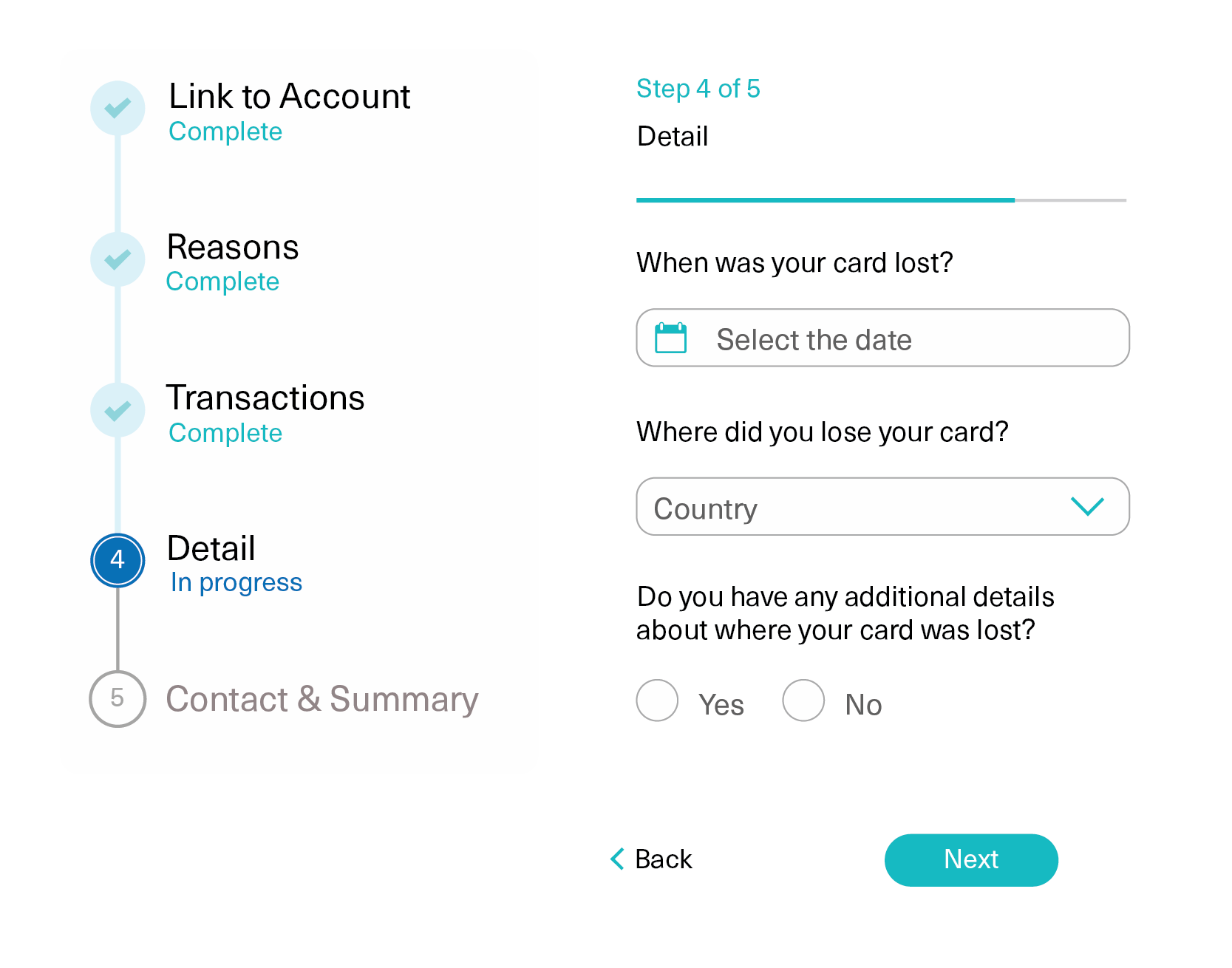
The revealing example comes from Rogue Credit Union. In Quavo’s account of the implementation, employees struggled to find claim status and missing documents. Investigators hunted for transaction details. QFD put intake and investigation together, with questions designed around eventual recovery. The company reports roughly 44,500 automated actions monthly. The initial problem was information arriving in the wrong place, or too late.
A form with consequences
That is a useful way to understand Quavo. A dispute platform can look like a collection of screens. Its value depends on what happens between them. A good first questionnaire gives an investigator something usable. A visible case status gives a service representative something helpful to say. A connected workflow reduces the chance that the next person has to begin again.
QFD’s published workflow moves through collection, enrichment, investigation, action and resolution. The platform gathers claim details, adds information, supports investigation, carries out operational steps and closes the case. Correspondence and accounting entries sit alongside recovery work. It supports cards and non-card payments, including ACH, wires, Zelle and checks. This is plumbing, and plumbing becomes interesting when the water stops.
The intended customer is the institution responsible for responding to the claim. A cardholder encounters the service through that institution. Quavo’s public customer roster includes KeyBank, Credit One, Green Dot and BECU. That range places it across bank operations, credit-union service and fintech infrastructure, where growing payment volumes create work long after the transaction clears.
The bankers who knew the queue
Joseph McLean, David Chmielewski, Daniel Penne and Richard Jefferson brought experience building dispute systems inside Bank of America. McLean’s account of his career begins in outbound fraud detection at MBNA while he was still in college. He later held technology and operations roles. The company’s origin makes sense: people familiar with the queue tried to build a better way through it.
The lesson for another operator is portable. Design the first interaction around the work that follows. Capture evidence once, make status accessible and keep the explanation attached to the decision. Those are editorial conclusions from Quavo’s approach, and they apply beyond banking. A faster handoff has limited value when the next person receives an incomplete file.
“QFD has helped centralize and streamline our claim processing”James Richie, VP Payment Services, Rogue Credit Union
Three ways to move the case
Quavo combines a platform, AI and an operations service. In March 2026, it announced an expanded Aria analyst embedded in QFD. The company says Aria interprets case information, applies rules, executes tasks and escalates exceptions, with a claim of up to 90% casework automation. “Up to” matters. An advertised ceiling does not establish the result for every institution or payment type.
For institutions needing operational help, Dispute Resolution Experts supplies specialists using QFD. Clients can hand over particular actions or broader workloads while retaining reporting access and approval reviews. DRE requires QFD. The combination makes the purchase an operating decision: which work should software perform, which decisions stay inside the institution, and where should additional people step in?
At FinovateFall 2026, Quavo described an Aria Decision Engine that recommends whether to pay, deny or write off, with agents retaining control. That presentation adds useful texture to the automation story. Some cases can advance automatically; others need a recommendation a person can inspect. The boundary matters as much as the speed.
The price of handing work over
Quavo sells business software and services through custom and tiered offerings. Quotes depend on scope and volume. A bank buying intake improvements has a different project from one adopting AI and managed operations. The practical buying exercise starts with monthly disputes, payment mix, integrations and the work remaining with staff. Those inputs let the institution compare the proposal with its existing operating costs.
Alternatives include internal systems, outsourced operations, FIS CBK and Pega Smart Dispute. Quavo’s pitch combines specialist software with operational support. The market has an amusing complication: Pegasystems is also a strategic investor and technology partner. Enterprise software relationships can overlap. Buyers still need to compare actual workflows, integration requirements and service responsibilities rather than rely on an automation label.
$300 million follows the paperwork
In July 2025, Spectrum Equity announced a $300 million investment. FINTOP sold its stake; founders and Pegasystems remained significant shareholders. Quavo said the partnership would accelerate AI development and expand commercial and client-success teams. The announcement reported 60% annual revenue growth since 2022 and more than 12.5 million disputes automated annually. The disclosed transaction amount does not reveal how much became new operating capital.
Spectrum Equity’s investment in Quavo.
Primary and secondary allocation undisclosed.
The operation behind the software is mostly remote, according to Quavo’s careers page, with an annual Camp Quavo gathering. That fits a company selling both technology and specialist work. Its expertise needs to appear in the product, but also in the people helping clients use it and handle the difficult cases.

The next clue is outside the bank
By October 2026, Quavo Labs described a network spanning more than 25 million annual disputes and 650 supported brands and issuers. Its research uses de-identified patterns across institutions. The proposition is straightforward: a bank can see its own cases, while a broader comparison may reveal a shift it would otherwise misread.
There are limits to what any of this solves. Connected software needs usable information and an agreed division of responsibility. A recommendation still needs appropriate review. An institution seeking only a merchant-side chargeback defense tool has a different brief. Quavo’s useful idea survives those conditions: ask better questions early, carry the answers forward and give the customer a process somebody can explain.
Website ↗ · Quavo Labs ↗ · Watch the Finovate demo ↗ · YouTube ↗ · LinkedIn ↗ · X ↗ · Facebook ↗