A $25,000 fraud loss sounds like a $25,000 problem. At a 1% return, replacing it requires $2.5 million in new business. In a 2007 account of Franklin Mint Federal Credit Union’s adoption of Aithent software, security officer Laymen Grant used that arithmetic to explain why leaving fraud losses to insurers had become an unsatisfactory habit.
- Aithent builds software for investigations, disputes and other work that must leave a record.
- Its buyers include financial institutions, public agencies, insurers and healthcare organizations.
- Its approach combines specialized products with integration and custom development.
- In 2025, its government software division became Advanced GRC within Auctivo.
Franklin Mint had been tracking troublesome accounts and transactions manually. The need was to connect cases, external investigations and related activity. It deployed Aithent’s browser-based Fraud Prevention & Investigation software. The failure was in the organization of the work: information existed, but putting the pieces together demanded too much manual effort.
Aithent’s territory is the operational gap between noticing something and doing something about it. That gap has owners, queues, deadlines and records. A detector may identify an anomaly. An organization still needs to decide whether it matters, gather evidence, assign responsibility and explain its conclusion. The quality of those connections can determine whether useful information becomes useful action.
01 / An alert needs somewhere to go
The company’s financial software makes this distinction unusually clear. Umaizi monitors customer and transaction activity through what Aithent calls “lenses”: threshold and behavioral configurations that help identify suspicious patterns. It supports several payment types, offers a sandbox for evaluating lenses, and integrates with Aithent Fraud Manager. The language is apt. A lens changes what you can see; it does not finish the investigation.
Fraud Manager provides a place to conduct that investigation. It can ingest alerts from Umaizi and third-party systems, connect cases, organize investigators’ work and maintain an audit trail. Its reporting extends from an investigator’s activity to management’s view of risk. Suspicious activity report e-filing is also listed among its features. The product proposition concerns both the signal and the work the signal creates.
- 01DetectUmaizi or an external alert
- 02InvestigateFraud Manager case workflow
- 03DocumentReports, actions, audit trail
Dispute Manager addresses a related but different problem. A customer questions a transaction, and a financial institution must move through intake, investigation, communications and resolution. Aithent describes importing account and transaction records from the core processor, generating letters, tracking regulatory event dates and recording each step. Multiple disputes involving the same cardholder or merchant can be examined together.
The important unit here is the whole dispute. Buying a form without its subsequent workflow would leave the institution with a handsome new entrance to the same old maze. Dispute Manager’s appeal is that the entrance, the queue and the history can belong to a common process. Its geographically dispersed branches and call centers can work from the same repository.
02 / The renewal that escaped the filing cabinet
Aithent’s licensing work applies the same logic to public administration. Its ALiS platform was developed for licensing, certification, permitting, inspections and enforcement. An application needs information, payments, checks and authorized decisions. The software provides configurable business rules and workflows so different agencies can retain their requirements within a shared system.
Aithent describes a deployment supporting more than ten agencies or programs. It also describes SaaS delivery with a private cloud option. Those are useful distinctions for an institution that wants shared infrastructure without pretending all its departments follow an identical rulebook.
“ALiS allowed us to get back to engaging with the people we serve, instead of their paperwork.”
Julie Balderson, M.A. · Aithent-published customer testimonial
In published testimonials, licensing staff describe replacing manual payment handling and shortening renewals that had taken two to three weeks. Another describes application turnaround falling from weeks to days, sometimes hours. These are accounts of particular implementations, rather than a promise for every buyer. They reveal what the customer valued: less handling, better records and time returned to the people doing the work.
This is a competitive software market. Tyler Technologies offers its own configurable state licensing, inspection and enforcement applications. Aithent’s case is therefore about the fit of its workflows, implementation and domain knowledge. A generic claim about “automation” would tell a buyer very little. The revealing questions concern which steps are automated, which rules remain adjustable and how exceptions reach a person.
03 / A bank case and a patient record
The catalogue becomes more intelligible when viewed through this process lens. Healthcare might seem a long journey from suspicious payments. Yet a clinical record also gathers facts over time, routes work and preserves the history of decisions. The content changes; the need for continuity remains.
Aithent Renal is designed around the encounters and information requirements of dialysis care. Its described features include standardized vocabulary, encounter-specific flow sheets and alerts for critical indicators. Aithent Transplant addresses pre- and post-transplant information and records details of organ retrieval and preservation. These products bring specific clinical processes into the software rather than offering an empty database and wishing the buyer good luck.
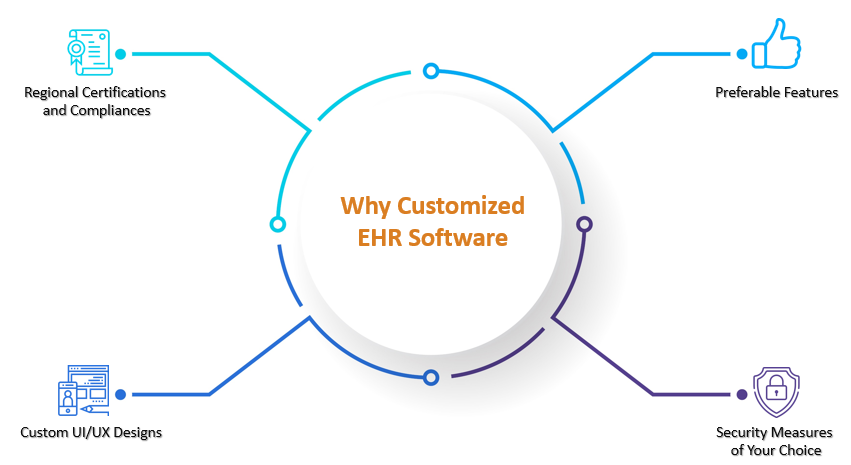
ProteanForms handles electronic medical forms, signatures and supervisory review. The company also offers modifiable off-the-shelf electronic health records, including specialty tuberculosis workflows. Its stated integration capabilities include exchanging information with external systems. The product family illustrates a recurring preference for software shaped around a defined operational setting.
There is a recent, concrete example. On December 17, 2025, Aithent announced the go-live of the H2 project, supporting Amrita Hospital in Faridabad with electronic data capture for clinical trials. The initiative concerns MIP vaccination for leprosy patients and contacts in Haryana and Delhi. The company’s role is the technology for collecting and managing trial information. Clinical trial infrastructure is consequential work even when the screen itself is profoundly unphotogenic.
04 / The people behind the handoffs
Aithent sells specialized enterprise software alongside services: custom development, systems integration, legacy migration and project work. Its headquarters is in New York, with international offices in Gurugram and Chennai. This combination matters when a new case-management system must exchange information with software the customer already depends on.
The market alternatives include financial crime platforms such as NICE Actimize’s ActOne, as well as in-house systems and general workflow software. Aithent’s distinctive position is the combination of investigation and regulatory process expertise with the ability to adapt and integrate applications. Whether that combination is the better purchase depends on the actual assignment, rather than the breadth of the brochure.
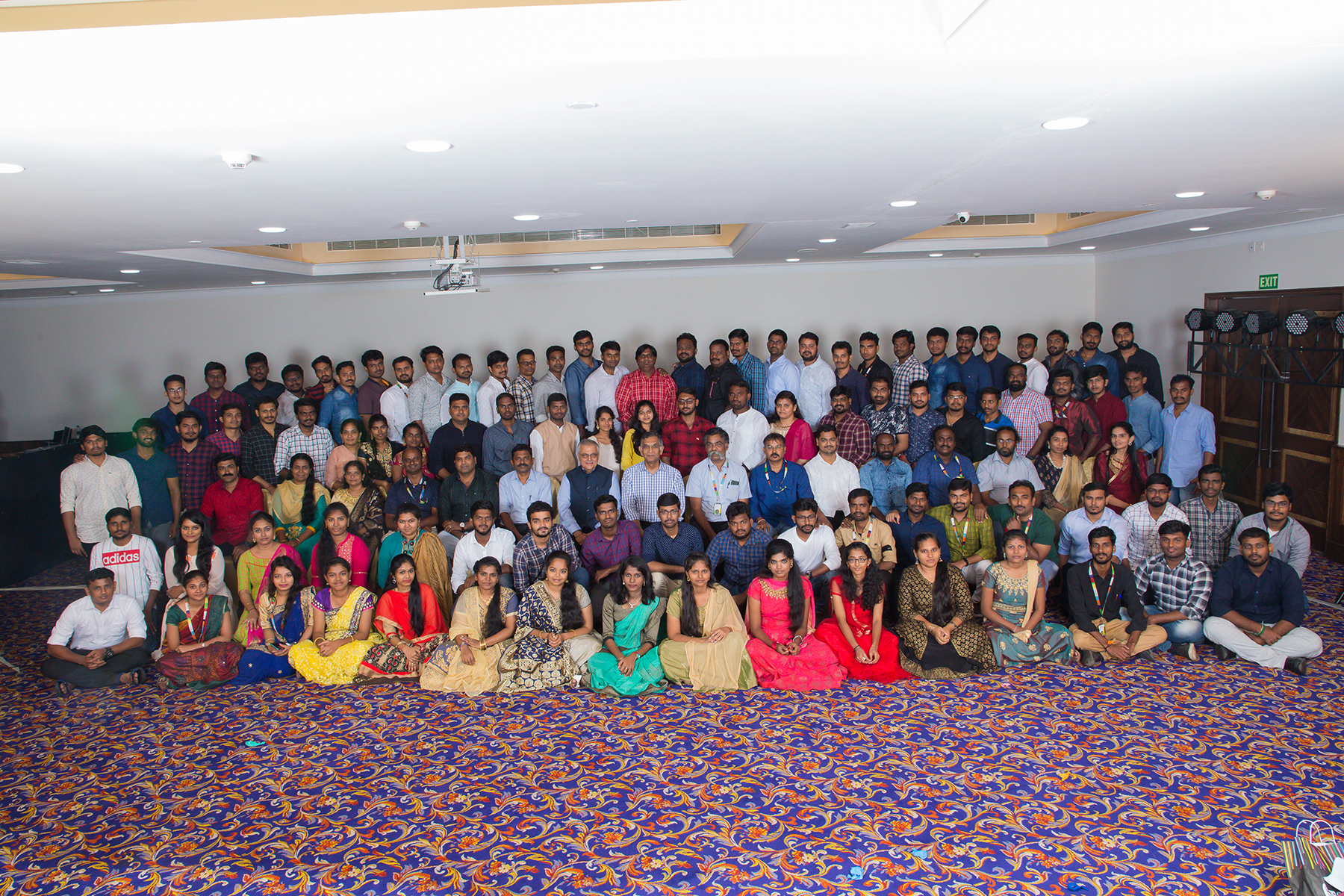
Its listed partners add specialist connections: nCoup in clinical research, StafaCT in cellular therapy and Quinte in financial crime technology. Its careers material describes training, mentorship and ownership. Aithent Technologies Private Limited announced renewed Great Place to Work certification in September 2024. None of those facts substitutes for a successful implementation, but they help explain a business in which the people answering questions need to understand the customer’s work.
05 / The division that changed hands
The ownership story requires precision. In June 2025, Equality Asset Management announced Auctivo, formed through acquisitions of Rhoads Online Institute, Elation Systems and Aithent’s Government Software Division. That division became Advanced GRC. N. Venu Gopal, identified in the announcement as an Aithent co-founder, became Auctivo’s CEO.
The announcement described the constituent businesses continuing separately under the new platform. It is a significant new context for the government products developed at Aithent. It also shows why a company profile must look past the familiar product names: a licensing system’s history and its current corporate home can differ. Buyers following the government portfolio should follow Advanced GRC and Auctivo as well.
06 / Take one messy case to the demo
The practical lesson is to bring a real workflow to the buying conversation. Follow one disputed payment, one suspicious account or one difficult renewal. Check where data enters, who sees it, who owns the next action and what remains in the record after closure. Ask to see the exception, because exceptions tend to reveal more than the polished route through a demonstration.
That is an editorial buying test, not an Aithent performance claim. Connected workflows depend on reliable data, working integrations and staff who act on the queue. A rule that nobody maintains can become a very efficient way of repeating a mistake. A case record also cannot, by itself, establish that a suspicion is true.
Aithent is useful to understand because it sells the connective work that institutions often discover they need only after the connections fail. Its strongest proposition begins with a modest question: can the organization carry a piece of information all the way to a defensible decision? For anyone who has ever chased a missing approval, the question is painfully familiar.
Follow the work
Explore Aithent’s website, financial products, company updates, and the H2 project announcement. Watch the Dispute Manager demonstration.
Find the company on LinkedIn, X and Facebook. For the government division’s next chapter, visit Auctivo.