Ideogram is for the person who has already made a gorgeous AI poster and then noticed the band is playing at the “Grnad Oepning.” It is for the marketer who needs twelve ad shapes by lunch, the print seller whose punchline must be readable, and the developer building a design tool where “nearly correct” copy is simply incorrect. The Toronto-born company picked an unglamorous fight - letters inside pictures - and turned it into a useful creative platform.
That focus matters because words are often the part of an image that goes to work. A dreamy landscape can tolerate an extra cloud. Packaging cannot tolerate the wrong flavor. A campaign cannot send customers to a mangled URL. Ideogram’s pitch is practical: generate the scene, headline, label, and layout together, then keep editing without rebuilding the whole thing elsewhere.
Its June 2026 release, Ideogram 4.0, widens the idea. The product now spans a web workspace, an iPhone app, a hosted API, an MCP connection for agent tools, and downloadable model weights. Beneath that is a 9.3-billion-parameter image model trained from scratch to understand structured descriptions of objects, type, colors, and position. It feels less like whispering to an enchanted paintbrush and more like handing a junior art director a marked-up brief.
Who should put it on the payroll?
Start with designers and marketers making posters, menu boards, event cards, product labels, thumbnails, ads, book covers, and social graphics. The text advantage is most valuable when the image itself carries the message. Print-on-demand sellers can explore a slogan as part of the composition instead of pasting sterile type over finished art. Illustrators can use Character Reference to keep one face recognizable across scenes. Agencies can train private models on approved visual material, while developers can call generation, remix, inpainting, background tools, reframing, and brand utilities through the API.
It is a weaker fit for someone who only wants cinematic mood frames and already loves Midjourney’s visual taste, or a casual user who wants a full Canva-style document editor. Ideogram makes pictures and production variants; it does not remove the need to proof copy, manage brand systems, clear rights, or prepare a proper press file. If your final deliverable is an editable logo, use the generation as a concept and redraw the chosen mark as vector artwork.
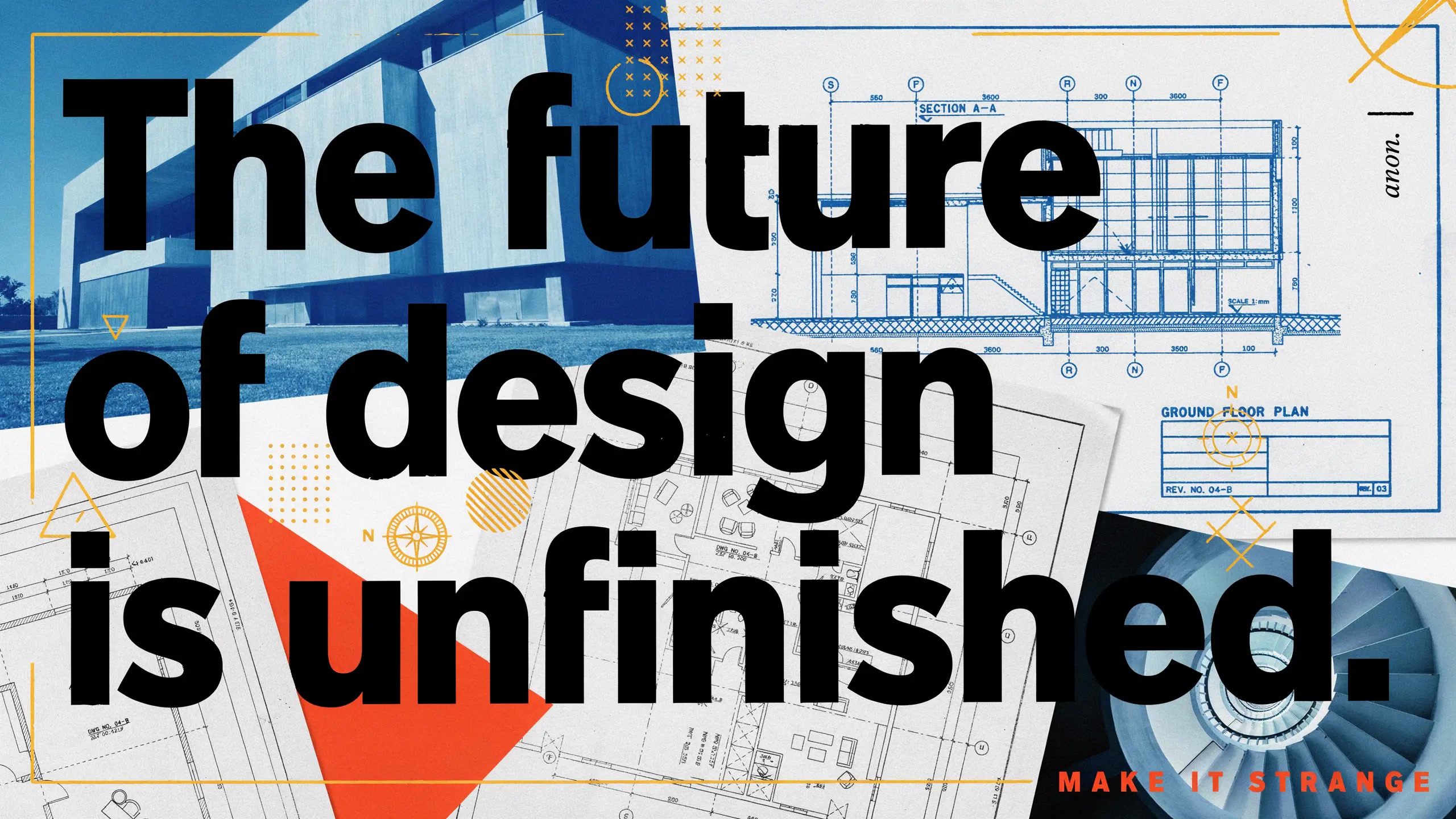
“Ideogram handles text more consistently and doesn’t need as much prompt wizardry.”A working user on Reddit, comparing daily workflows
The clever bit is a box, not a brush
The signature feature in version 4 is explicit layout control. Ideogram trained the model with bounding boxes attached to plain-language element descriptions. In a structured JSON prompt, a user can describe the background, reserve a region for a headline, place a product at the lower right, and pin a badge near the top. Hexadecimal color values can steer the entire palette or a single element. The model still interprets the brief, but the brief has coordinates.
Plain English remains available. Magic Prompt expands a short request into the structured form behind the scenes. For a quick concept, that is convenient. For a campaign, learning the JSON format earns its keep. Ideogram’s own guidance suggests keeping compositions to five or fewer elements for the most reliable results. This is the model quietly admitting something every designer knows: a packed brief needs hierarchy.
The technical recipe is unusually open to inspection. Ideogram 4 is a 34-layer, single-stream Diffusion Transformer. Text and image tokens travel through the same transformer sequence. Its text encoder is Qwen3-VL-8B-Instruct, and the image model consumes hidden states from 13 of the encoder’s intermediate layers. NF4 and FP8 weights are published on Hugging Face, with Python inference code on GitHub and a ComfyUI integration. The weights are gated and carry Ideogram’s model license, so “open weight” should not be mistaken for “anything goes commercially.”

What the first generation does not tell you
A clean demo hides the real job: iteration. Ideogram offers Remix for controlled variations, Canvas and Magic Fill for local changes, reframing for new proportions, background removal and replacement, an object remover, upscaling, Character Reference, and style references. The newer Ad Resizer takes a finished creative and rebuilds it for placements ranging from a narrow mobile banner to a vertical story. It repositions the subject, logo, and copy instead of simply chopping off the edges.
This is also where customer frustration surfaces. Reviews praise the accessible interface and text quality, yet some users report spending credits while trying to move text or make a small edit that a conventional design tool would finish in seconds. A Tom’s Guide test of the older 2a model found visible glitches and inconsistent copy, though the reviewer called Canvas excellent. Treat generation as a fast route to strong options, not a promise that every revision will obey on the first pass.
Typography still needs proofing. Short headlines and labels are the comfortable zone. Dense paragraphs, tiny legal copy, unusual scripts, and precise typeface matching deserve inspection at full size. Ideogram 4 improves multilingual and small-scale text, but no responsible designer sends an AI-generated package to print without reading every character.
| Tool | Reach for it when | Watch for |
|---|---|---|
| Ideogram | The picture needs readable copy, planned layout, variants, or local deployment. | Credit economics, strict control format, raster outputs. |
| Midjourney | You want strong visual taste, atmosphere, and rapid aesthetic exploration. | Text-heavy production and granular layout control. |
| GPT Image / Gemini | You want conversational iteration inside a general AI assistant. | Product-specific pricing, access, and repeatable brand workflows. |
| Adobe Firefly | Your team already works in Creative Cloud and values Adobe’s production ecosystem. | Model preference and the cost of the wider subscription stack. |
| Recraft | You need graphic assets, design-oriented generation, and vector-aware workflows. | Whether its house look suits the brief. |
The bill has two speeds
Ideogram’s free tier gives eligible accounts weekly slow credits. It is enough to learn the prompt rhythm, but free creations are public by default. Plus is $20 month to month or $15 per month on an annual bill, with 1,000 priority credits, unlimited slow generations, private work, and character consistency. Pro is $60 monthly or $42 on the annual plan, adding 3,500 priority credits, batch generation, quality export, and a larger queue. Team is $30 per user monthly or $20 annually, with at least two seats.
One detail belongs on a sticky note: subscription priority credits expire at the end of the billing cycle. Purchased top-up credits roll over. When priority credits run out, generation can fall back to the slow queue, but AI editing and image references need priority credits. The practical buying move is to spend a week on the free plan with real briefs, count how often you rerun, and price the plan against finished usable assets rather than raw image count.
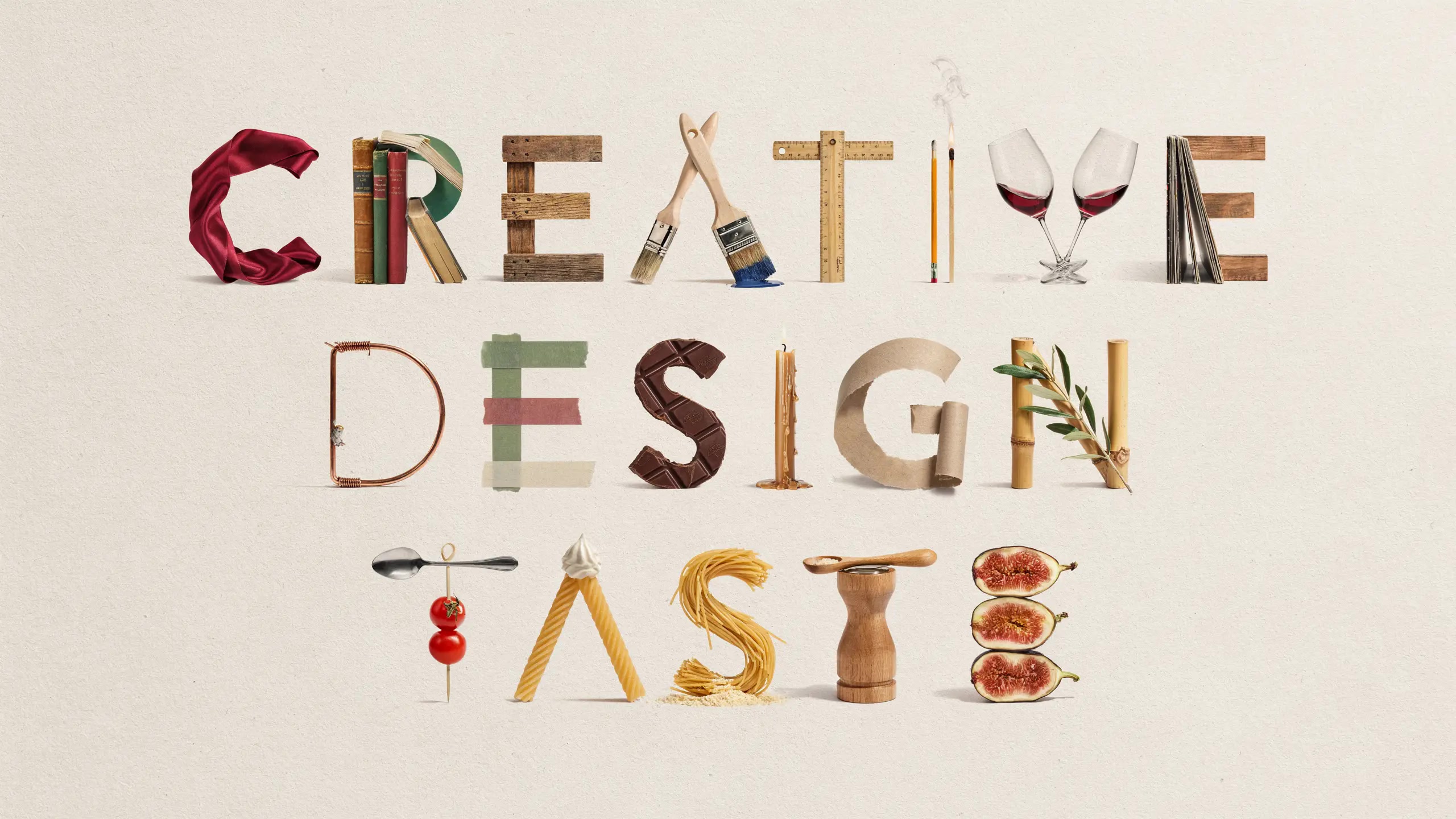
The backstory has good timing
Ideogram emerged publicly in August 2023 with $16.5 million in seed financing led by Andreessen Horowitz and Index Ventures. The founding group included Mohammad Norouzi, William Chan, Jonathan Ho, Chitwan Saharia, Shayaan Abdullah, Jenny Lei, and Jacob Lu, with experience across Google Brain, the University of Toronto, Berkeley, and Carnegie Mellon. Their earlier research touched Imagen, Imagen Video, denoising diffusion, speech generation, translation, and visual representation learning.
An $80 million Series A followed in February 2024. Ideogram 2.0 arrived that August with an iOS app and beta API. Version 3.0 pushed realism and style consistency in March 2025, followed by the one-photo Character feature. In 2026, the company made the bolder move: it released version 4’s weights and inference code, introduced a new identity made with human studio How&How, and started talking less like a novelty generator and more like infrastructure for design systems.
There is a pleasing irony in an AI design company hiring people to rebrand it. How&How founder Cat How described the studio’s stance as “cautious adoption, not blind enthusiasm.” That phrase also works as buying advice. Ideogram can compress the distance between blank canvas and credible campaign idea. A designer still supplies judgment, restraint, taste, proofing, and the nerve to delete the flashy option.
YesPress verdict: hire it for the words
Ideogram earns a place when text is part of the picture, layouts must travel across formats, or a product team needs an image model it can inspect and host. Its control becomes more useful as the brief becomes more concrete. Casual image makers can stay on the free tier; working creatives should test Plus before committing; developers and enterprises should evaluate API and license costs against their actual volume.
The caution is simple. Keep source copy outside the image, proof every output, and expect stubborn edits occasionally. Use Ideogram to get to the good argument faster. Let a human decide what the argument should say.
Open the briefcase
Start with the product, then read the technical release before attempting a tightly directed layout. The public repository is the clearest route for local installation and licensing details. For a reality check, compare official examples with community conversations and independent tests.