San Francisco makes a practical demand before it makes an impression: bring a jacket. The water that frames the city also helps set its temperature, and a bright afternoon can give way to a cool, foggy evening. On a map, the next neighborhood looks close. On the pavement, a hill intervenes. These small corrections to expectation are part of being here. The city rewards visitors who leave enough time to notice what happens between the attractions.
At the northern end of a California peninsula, between the Pacific and San Francisco Bay, this is both a city and a county. Its population was an estimated 826,079 in July 2025. Its cultural reach is much wider: cable cars and the Golden Gate Bridge, Chinese American history, queer politics, food traditions and technology businesses all supply pieces of its public identity. None alone explains why people keep coming.
The useful starting point is the neighborhood. A visit organized around Chinatown, the Mission or the western coast produces a different experience from a rapid circuit of famous sights. There is room for both approaches. What matters is recognizing that a bridge photograph, a museum ticket and a meal on 24th Street are different encounters with the same place.
01 / THE STREETSA city at walking speed
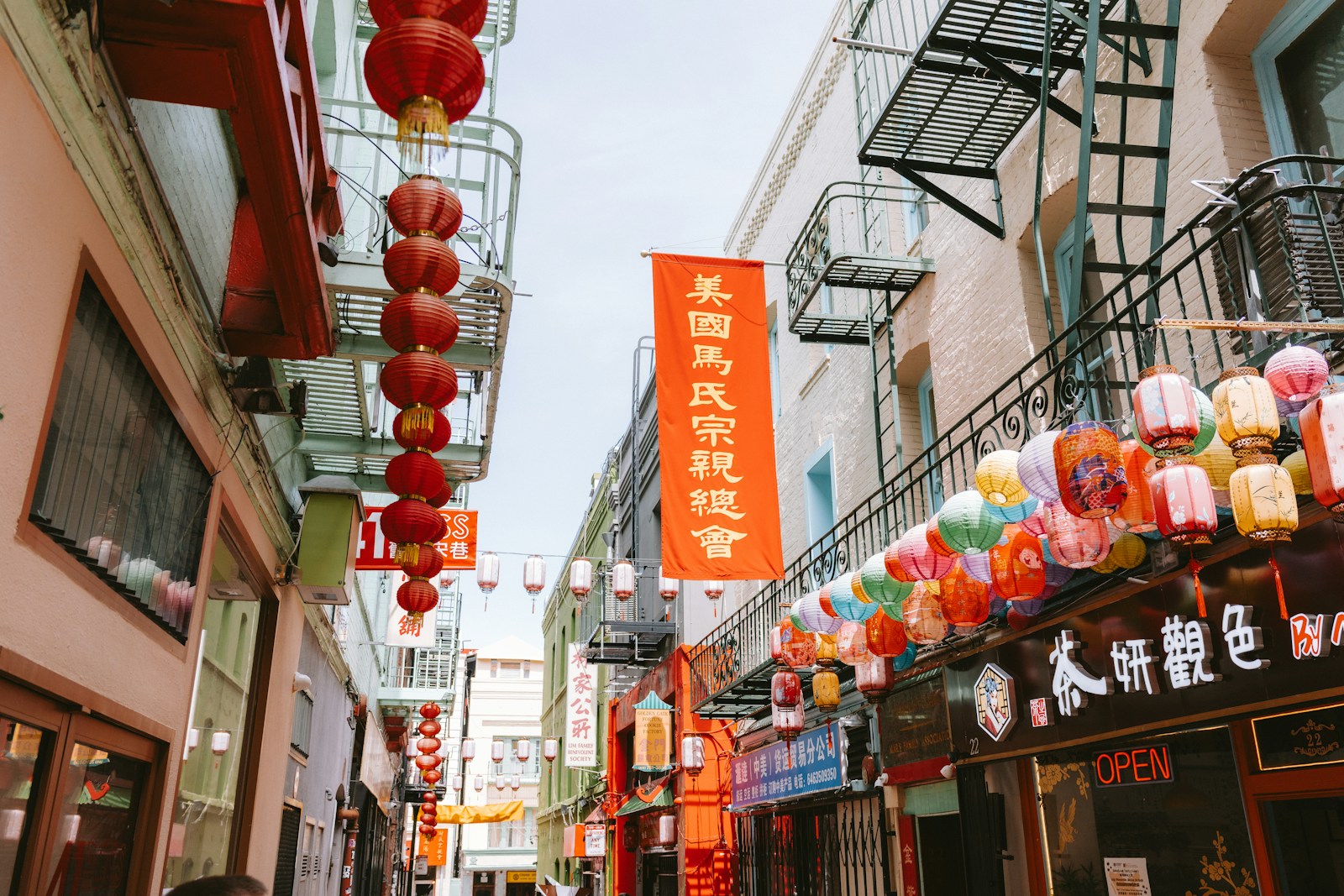
Chinatown and North Beach make a revealing pair. In Chinatown, food shops, family businesses and public spaces sit within a neighborhood whose story is inseparable from Chinese immigration. Walk beyond the souvenir frontage and pay attention to the side streets. Nearby North Beach brings Italian American food traditions, cafes and literary associations. The change in atmosphere happens over a manageable distance, without requiring a grand expedition across town.
The Mission asks for more than a lunch stop. Its murals record cultural pride and political argument, including responses to human-rights abuses in Central America. Balmy Alley rewards close looking: the walls are statements made in public, with details that a passing car would erase. A guided walk can help explain the imagery. Afterwards, a burrito and an unhurried look around the surrounding streets make a reasonable afternoon.
In the Castro, LGBTQ history is visible in the neighborhood’s institutions and public identity. The city designated the Castro LGBTQ Cultural District in 2019. A visitor can come for nightlife, but the area also invites questions about who has been able to live openly, establish businesses and claim a place in civic life. Its importance extends beyond one parade or one season.
These walks require a little judgment about distance and terrain. A route that looks tidy on a phone can become a succession of climbs. Use transit to connect neighborhoods and save your energy for the streets you actually want to explore. Travelers with limited mobility should examine individual routes and venue access in advance; proximity does not guarantee an easy journey.
02 / THE BACKSTORYEarlier than the gold
San Francisco’s conventional founding date, 1776, marks Spanish colonial settlement, not the beginning of human life here. Ohlone people lived on the peninsula before the missions and military posts arrived. Colonization brought disease, forced labor and cultural suppression. Indigenous descendants remain part of the Bay Area today, working to protect ancestral places and sustain cultural knowledge. That history belongs in any account of the city’s origins.
The settlement called Yerba Buena became San Francisco in 1847. The Gold Rush soon transformed the port, drawing arrivals and commerce into a place suddenly connected to distant ambitions. Incorporation followed in 1850, and the city and county were consolidated in 1856. The appetite for reinvention has deep roots, although the benefits of each new boom have never been shared evenly.
On April 18, 1906, an earthquake and the fires that followed destroyed much of the city’s heart. Broken water pipes made firefighting harder, and more than half the population lost their homes. The built environment visitors see now carries the consequences of that disaster and the rebuilding afterwards. San Francisco’s history is particularly legible when someone explains what used to occupy the ground beneath your feet.
“Our City at Your Feet”
San Francisco City GuidesThe volunteer walking-tour program offers a practical introduction to the history behind the streets.
03 / OPEN SPACEThe view is only the beginning
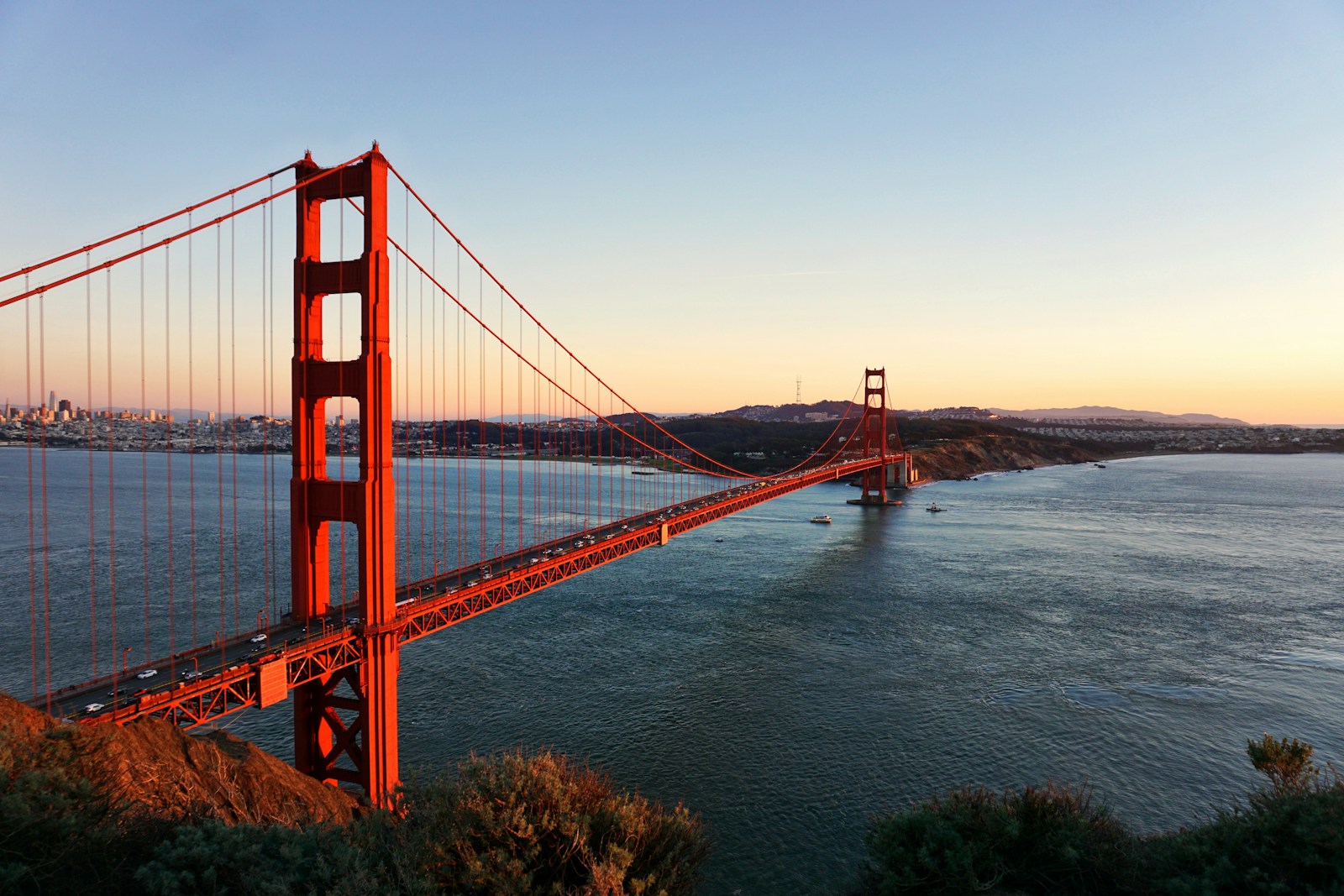
The Golden Gate Bridge looks different when approached as a place to spend time. Its paint is International Orange, and its pedestrian route follows the east sidewalk, facing the bay and city. Wind, traffic and the scale of the structure give the crossing a physical presence that photographs flatten. Check the bridge’s current access notices before setting out; pedestrian hours are seasonal and temporary changes can apply.
Nearby, Presidio Tunnel Tops turns infrastructure into public space. Built on and around the roadway tunnels, it links the center of the Presidio with the waterfront at Crissy Field. Lawns, picnic areas and nature play give families reasons to stay after taking the photograph. Entry is free, and the outdoor space is open daily, although the playground, visitor center and other facilities keep their own hours.
Golden Gate Park offers a different kind of scale: 1,017 acres containing gardens, paths and major cultural institutions. Much of it began as windblown dunes, with the park project starting in 1870. The California Academy of Sciences and de Young sit within this landscape, but a museum visit is only one way to use it. Pick a section to explore instead of trying to cover the entire park in a spare hour.
04 / AT THE TABLEOrder a little history
Food gives San Francisco’s cultural geography an edible form. The Mission-style burrito is associated with the neighborhood that named it: substantial, portable and made for a meal rather than a tasting exercise. At Fisherman’s Wharf, sourdough and seafood carry another set of associations. Cioppino, the Italian American seafood stew, connects the city’s dining identity to its fishing and immigrant histories.
Chinatown’s food businesses and North Beach’s Italian traditions make it possible to plan an outing around eating without booking a formal tasting menu. Choose a neighborhood, look at current menus and decide how much of the day you want to spend at a table. A counter-service lunch and a sit-down seafood dinner are different budget decisions. Neither needs to stand in for the whole city.
For visitors, the temptation is to make every meal carry the weight of a famous name. Leave some room for a bakery stop or a cafe you notice while walking. The city’s food identity is maintained by everyday businesses as well as destination restaurants. A second coffee can also be a sensible response to having underestimated the hill.
05 / THE BILLSpend on purpose
There is no single San Francisco admission price. Accommodation, meals and transport determine much of the bill, while public spaces provide hours that need no ticket. Presidio Tunnel Tops is free. SFMOMA lists standard adult admission at $30 and admits visitors aged 18 and younger free. An Alcatraz adult day-tour ticket is listed at $47.95, including the ferry and cellhouse audio tour. Reservations matter for the island.
Choose your ticketed stops
Tap to add or remove. Public space is the starting point.
Posted standard prices checked September 10, 2026. Excludes meals, accommodation and local transport.
SFMOMA normally closes on Wednesdays and opens late on Thursdays, from noon to 8 p.m.; most other opening days run from 10 a.m. to 5 p.m. For September 2026, it has also announced a galleries-and-cafes closure from September 14 through 16. A little calendar checking can prevent a wasted journey. Do the same for special exhibitions, garden admissions and timed activities.
Transport choices also affect the budget. Cable cars have a separate fare, so an ordinary bus or train ticket is not interchangeable with a cable-car ride. SFMTA’s fare page lists a $3 adult cash fare for regular Muni and a $9 single cable-car ride. Check the current fare options before buying multiple tickets. Starting September 1, 2026, single-ride passes are no longer available through MuniMobile.
06 / WHAT IS CHANGINGMore room along the coast
One recent change is easy to understand on foot. Sunset Dunes opened on April 12, 2025, converting a two-mile stretch of the former Upper Great Highway into a coastal park. The city describes a 50-acre space with places to walk, cycle and gather, alongside play and fitness features. What had been road space now asks a different question: how should this edge of the city be used?
The Recreation and Park Department published a first-year report in August 2026, examining use, improvements and conservation. The park is still being shaped by experience and public feedback. For a visitor, it adds a reason to head west beyond the familiar downtown-to-wharf circuit. It also places a current argument about public land directly into the itinerary.
City government has changed too. Daniel Lurie became mayor in January 2025 and leads the consolidated city and county alongside an elected Board of Supervisors. Housing affordability, homelessness, public drug use and downtown recovery remain central civic concerns. A visitor will encounter only part of that picture. Treat the city as a lived-in place, and resist assuming that any single street tells its entire story.
07 / YOUR KIND OF TRIP?Leave space in the day
San Francisco suits travelers who like museums, neighborhood food, queer history, architecture and walks that end beside open water. Families can alternate indoor attractions with public lawns and play spaces. Curious repeat visitors can trade a checklist for one district and a guided tour. City Guides’ volunteer-led walks are free, with donations welcomed, and generally last between ninety minutes and two hours.
It is a less natural fit for someone seeking guaranteed hot beach weather, effortless driving or an itinerary with no hills. Visitors watching every dollar should price accommodation before committing and build days around free activities. Keep a jacket within reach, choose fewer stops and give each neighborhood time. The practical reward is a visit with room for the city beyond the appointment.
Keep exploring
Plan with San Francisco Travel, check Muni fares, reserve an Alcatraz visit or find a City Guides walking tour.
Follow the destination on Instagram, X, Facebook and LinkedIn. Watch SF Travel’s welcome-ambassador video or browse its YouTube channel.
For local reporting, visit The San Francisco Standard’s inauguration coverage. Explore city services, the Sunset Dunes updates and San Francisco Digital Services on GitHub.