The first thing to understand about PhosAgro is that its fertilizer business begins in a mountain. In Russia’s Khibiny range, apatite-nepheline ore supplies the phosphorus that will eventually reach a field. Between those two places sits an enormous industrial apparatus. The question is how much of that apparatus one company should own.
- Own the rock, make the chemicals, organise the delivery.
- Keep the factory flexible enough to follow farmers’ demand.
- Expect capital costs and trade routes to complicate the plan.
PhosAgro’s answer has been to own a great deal. The group mines, processes, manufactures, distributes and advises. In 2025 it produced 12.2 million tonnes of agrochemicals. That number describes the output. The more revealing story concerns the dependencies it has tried to remove, and the ones it cannot.
01A mountain with a sales department
The holding took shape in 2001 around existing industrial assets. Andrey Grigoryevich Guryev is widely identified as its founder. PhosAgro AG, the name attached to this profile, was its management company; it was later merged into PhosAgro-Cherepovets. The present-day operating story belongs to the wider group, headed by PJSC PhosAgro.
Its geological starting point matters. The Khibiny ore is igneous, and PhosAgro links that origin to its fertilizers’ low heavy-metal content. It markets high-grade phosphate concentrate containing at least 39% P₂O₅. The resource gives the company an argument about product quality before a chemical plant has done anything to it.
Rock alone is insufficient. Phosphate fertilizer production also needs intermediate chemicals, energy and transport. PhosAgro has joined its mining operation to chemical sites in Cherepovets, Balakovo and Volkhov, with logistics and distribution extending the chain. Its research institute, NIUIF, brings fertilizer chemistry into the same organisation.
- 01OreKhibiny
- 02ChemistryAcids + ammonia
- 03FertilizerMultiple recipes
- 04DeliveryRail + ports
- 05FarmAdvice + application
02The bag is a recipe
To a farmer, the important distinction is what a product supplies. MAP and DAP provide phosphorus and nitrogen. NPK fertilizers combine nitrogen, phosphorus and potassium; other formulations add sulphur or micronutrients. Urea supplies nitrogen. Feed-grade monocalcium phosphate serves a different customer altogether: the animal-feed industry.
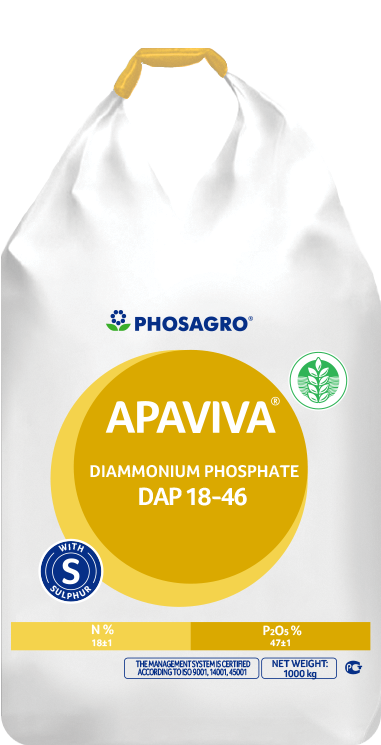
PhosAgro’s 2025 portfolio contained 58 grades across fertilizers, feeds and other products. The breadth makes commercial sense when customers cultivate different soils and crops. Its Russian distribution business adds soil surveys, laboratory testing and nutrition planning. Customers can use those services to choose an appropriate formulation and arrange supply, rather than simply select a familiar bag.
The model is B2B: sell physical nutrients to farms and distributors, with industrial customers buying other outputs. OCP, Mosaic and Ma’aden compete in phosphate fertilizers; Yara overlaps in nitrogen and crop nutrition. PhosAgro’s case rests on its resource base, integrated production and ability to adjust its product mix.
03The bill for owning the chain
Integration has a price tag. PhosAgro reports investing more than RUB 350 billion in capacity maintenance and expansion during 2020–2025. Balakovo’s upgrade programme was allocated RUB 44 billion. Its flexible production scheme can make MAP, DAP, NPK and NPS, giving the business several ways to sell the output of the same industrial base.
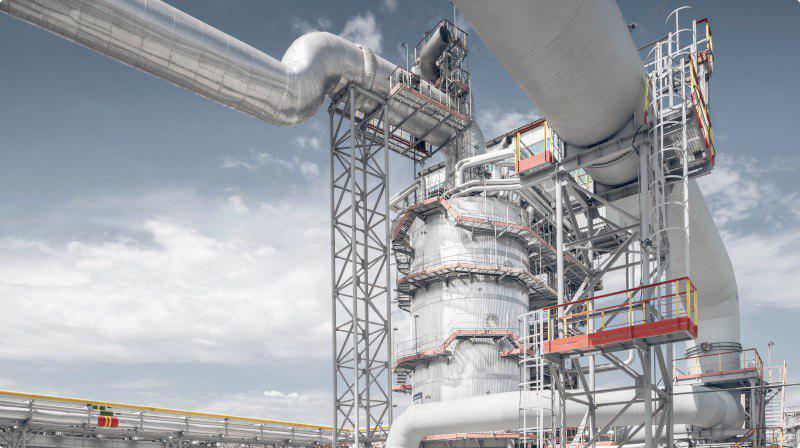
The timetable can be as striking as the bill. Development of the Rasvumchorr Plateau underground mine began in 2018; first ore arrived in December 2025. Investment had exceeded RUB 38 billion, with full design capacity targeted for 2034. Meanwhile, the financing keeps moving: in March 2026, PhosAgro placed CNY 1.5 billion of bonds at an 8% annual coupon. Ownership means paying for the years before a project produces at its intended scale.
The intention is practical: match production to demand while supplying more of the intermediate materials internally. In 2025, PhosAgro reported 93% self-sufficiency in sulphuric acid and 72% in ammonia. Those figures also reveal the remaining exposure. Owning the phosphate deposit does not make every input free, or every input internal.
The financial results make that distinction concrete. Revenue reached RUB 573.6 billion in 2025, up 13%, while EBITDA margin fell from 34.9% to 30.7%. Higher input and personnel costs pressed against the gains. Free cash flow declined 26.1% to RUB 21.4 billion. A production record is useful. Cash remaining after expenditure is useful too.
04The route changed before the rock did
Then there is the part of the system a company cannot excavate or manufacture. PhosAgro’s chairman describes pandemic disruption, interrupted supply chains, restrictions in key markets and the replacement of foreign technologies and IT. Exports shifted largely from Europe toward developing countries, including India, Brazil and African markets.
This was a response to changed trading conditions, rather than a change in the chemistry of phosphorus. In February 2026, the company reported delivering 1.7 million tonnes of fertilizer to Brazil during 2025, 150% more than a decade earlier. A flexible factory needs a flexible commercial map beside it.
“Caring for Earth fertility for prosperous lives”
PhosAgro’s published mission
05The laboratory at the other end
At the customer’s end, the interesting question becomes how nutrients are used. PhosAgro supports FAO’s soil programmes and works with UNESCO and IUPAC on research grants. In July 2026, FAO described a Russian RECSOIL pilot with AgroGard and Moscow State University covering 200 hectares of winter wheat, including cover crops, crop rotation and targeted nutrient plans.
These projects extend the conversation beyond tonnes sold. They also expose the limits of any fertilizer pitch: soil, crop choice, timing and management matter. A particular formulation cannot promise the same result in every field. Testing and advice help turn a nutrient purchase into an informed decision.
The copyable lesson is to trace the entire journey between your crucial input and your customer. Identify the bottleneck, price the cost of controlling it, and preserve room to change course. PhosAgro’s version needs mineral rights, engineers and substantial capital. Its map of dependencies is the part another business can borrow without buying a mine.
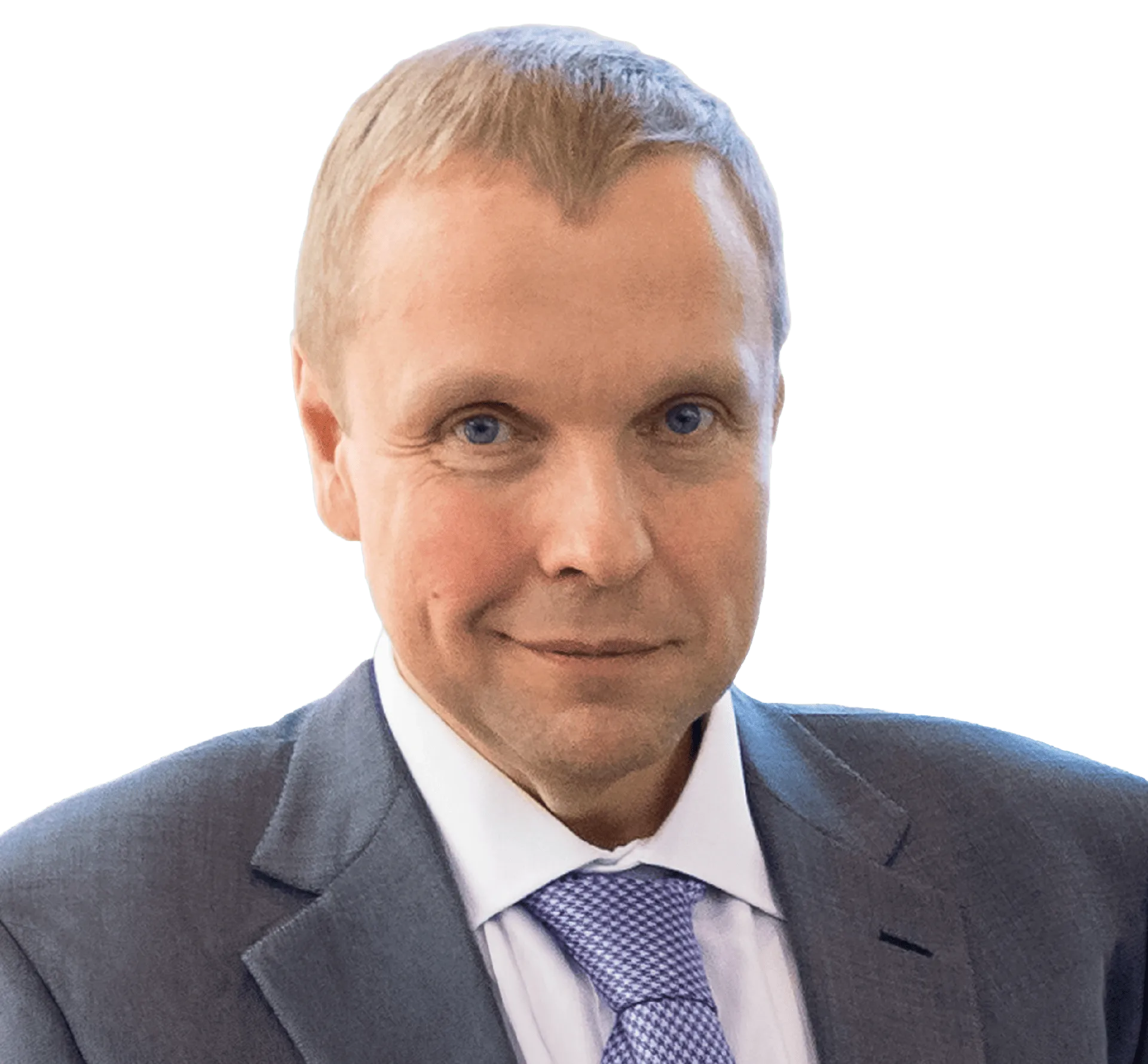
THE PEOPLE BEHIND THE TONNESSergey ProninThe 2025 operational review identifies Pronin as First Deputy CEO. His review connects output growth to plant upgrades and new capacity.
Follow the chain
Products, field knowledge and a closer look inside the company.