A dairy cow approaching calving has a logistics problem. Milk production is about to demand calcium, quickly. The feed she ate yesterday influences how well her body handles tomorrow. Somewhere between the ration and the resulting milk cheque sits Phibro Animal Health, selling a product called Animate and the expertise to use it. It is a useful place to begin understanding a company whose work rarely appears on the carton.
- Medicines, vaccines and nutrition reach farms through overlapping sales channels.
- The Zoetis purchase expanded a business Phibro already understood.
- Its next test is operating that bigger business while products face scientific and regulatory scrutiny.
Phibro makes and markets products for poultry, pigs, beef and dairy cattle, fish and dogs. Its customers include producers, feed manufacturers, distributors and veterinarians. They buy help with disease, nutrition and animal performance. The commercial opportunity lives in the details: an ingredient’s quality, a vaccination program, a ration prepared for the right stage of an animal’s life.
A very particular kind of customer
Consider the route to a farm. Phibro can sell directly to a large livestock operation, or through the companies supplying its feed and veterinary products. That puts its business inside existing routines. A feed manufacturer incorporating an ingredient is a different customer from a veterinarian recommending a pet supplement, even when both ultimately serve animal health.
The company generally sells against purchase orders rather than long-term delivery contracts. Repeat business therefore has to keep being earned. My reading of this model is that technical service matters commercially because it helps customers fit products into operations where conditions vary. Selling the bag starts a relationship; helping someone evaluate what happened gives the next order a reason to exist.
Minerals offer a good example. Phibro’s Dynamic Quality Assurance program combines material science, biological research and manufacturing controls. To the buyer, a label listing an element is only the beginning. The larger commercial question is whether the ingredient arrives consistently and performs as expected in the intended diet. Quality assurance becomes part of what the customer is buying, alongside the physical material.
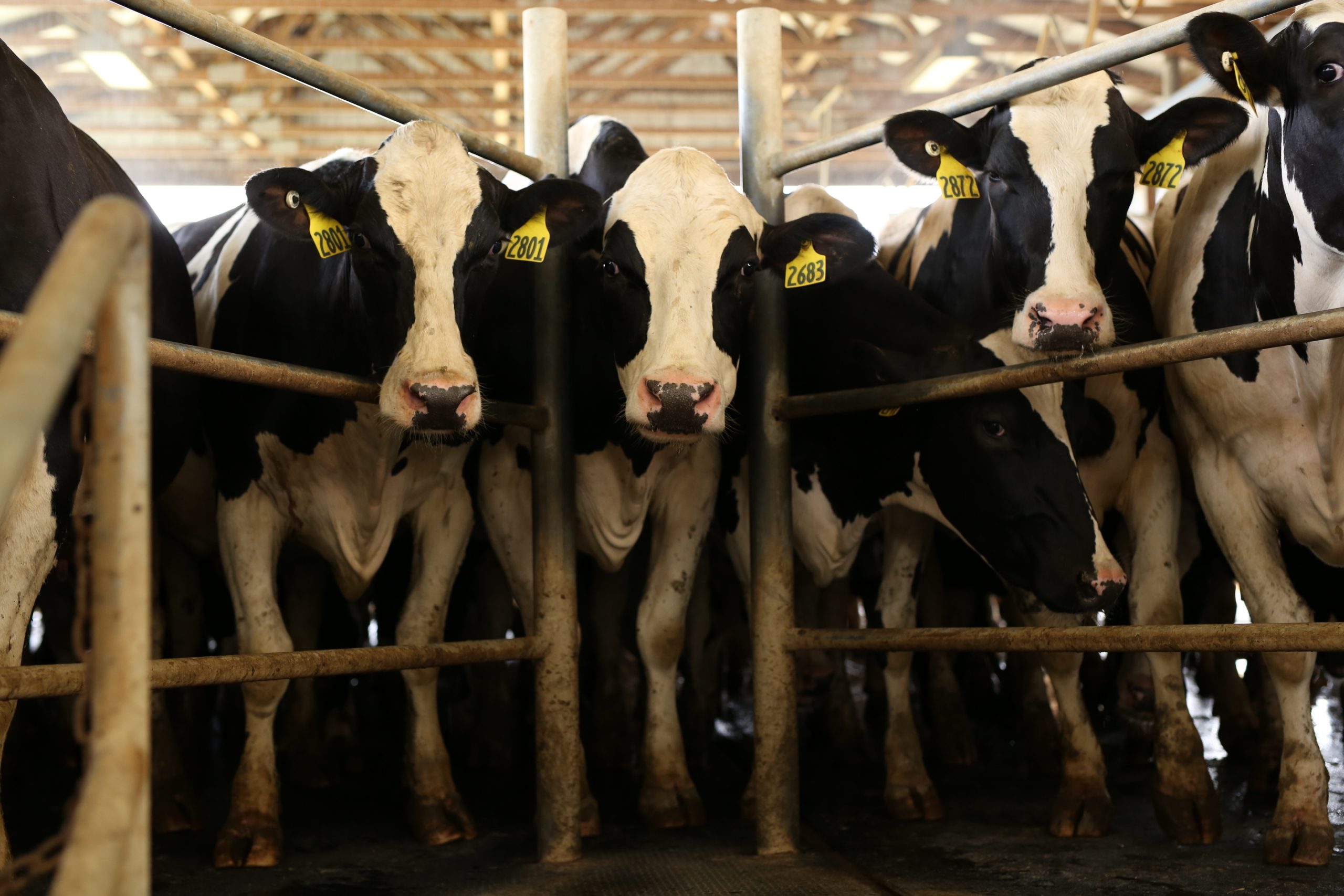
Different tools. The same farm.
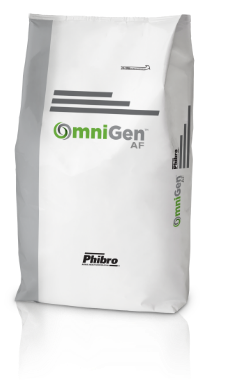
Animate is an anionic mineral used in pre-calving feeding programs to support calcium metabolism. OmniGen is formulated to support dairy cattle’s immune function. The distinction matters: the same farmer can have several problems requiring different interventions. Neither product makes vaccines or veterinary medicines redundant.
Elsewhere in the portfolio are mineral premixes, beneficial microbial feed ingredients and autogenous vaccines marketed as Tailor-Made. Phibro Aqua adds fish-health specialists, diagnostics and research facilities that work in fresh, salt and brackish water. The breadth is specific to animal care: products must meet different biological needs, production systems and local rules.
The unexpected neighbour is ethanol. With Ingenza, Phibro developed KinetX yeast solutions, including heat-tolerant yeast that produces an enzyme used in fermentation. Here the customer runs a biofuel plant. The connecting thread is an ability to work with microorganisms and industrial processes. Phibro also retains a specialty chemicals business, a reminder that its corporate history extends beyond the barn.
The acquisition came with factories
In October 2024, Phibro completed its purchase of Zoetis’s medicated feed additive portfolio, selected water-soluble products and related assets. It acquired more than 37 product lines and six manufacturing sites. The reported purchase price was approximately $297.5 million, or $286.5 million as adjusted, net of acquired cash. Term loans financed the transaction.
“These products fit Phibro’s core competencies and capabilities”
Jack Bendheim · October 2024
That was the attraction: expansion into familiar work. Phibro had bought Pfizer’s global medicated feed additive business in 2000. The company began as Philipp Brothers Chemicals in 1946, adopted its animal health name in 2003 and went public in 2014. Acquiring adjacent capabilities has been part of its development for decades.
Fiscal 2026 sales reached $1.518 billion, up 17%. But buying manufacturing capacity also creates decisions about where production belongs. In August 2026, Phibro announced plans to stop production at Chicago Heights in summer 2027, affecting approximately 100 employees. Products would move to other company facilities and contract manufacturers. Management attributed the decision to a review of its manufacturing network. The expansion has an operating cost, and a human one.
The sales chart needs that acquisition context. Adding an established portfolio brings revenue that customers were already generating for somebody else. A larger total tells us the company’s perimeter has changed; it does not, by itself, tell us how much additional demand its existing products created. Readers assessing the strategy should keep those two questions separate.
The cow is not a spreadsheet
A 2018 study co-authored by University of Arizona and Phibro researchers offers a useful complication. Researchers evaluated OmniGen-AF in heat-stressed Holsteins. Under peak thermal loads, supplemented cows showed lower respiration rates and rectal temperatures and higher feed intake than controls. Milk yield, however, did not differ between groups.
That result is informative precisely because it resists an easy sales pitch. An intermediate measure can improve without the buyer’s preferred output improving in that experiment. For a producer assessing a nutritional product, the question becomes sharper: which outcome matters, under which conditions, and how will it be measured? The study supports asking those questions rather than assuming every benefit travels together.
Growth still needs permission
Regulatory limits are equally concrete. In 2023, FDA revoked the approved residue-monitoring method for carbadox and proposed withdrawing the associated drug approvals. FDA’s explanation distinguishes a proposal from a completed withdrawal: the drugs remain available unless those approvals are withdrawn. For a medicines supplier, the ability to demonstrate compliance can be as consequential as demand.
Competition comes from companies including Zoetis, Elanco, Merck Animal Health and Huvepharma. Phibro’s case rests on its combination of medicines, vaccines, nutrition, manufacturing and field expertise. That combination cannot guarantee a particular farm’s result. Product registrations, appropriate use and the customer’s own management remain part of the equation.

The transferable business lesson is to expand around a recurring customer problem, then stay close enough to see whether the solution works. Phibro sells into the daily business of raising animals, where purchases must survive contact with biology. That lesson has demanding conditions: enough technical knowledge to diagnose the problem, manufacturing that can deliver consistently, and a customer willing to evaluate results. A broad catalogue alone does little to establish those things. Each additional product also brings another claim to substantiate. The milk carton is the tidy end of that process. The company’s work happens much earlier, where the decisions are messier and the consequences begin.