The startup teaching 30-year-old concrete ERPs to take a credit card
Payra bootstrapped its way into a $200 billion corner of the economy that still runs on paper checks and spreadsheets - then took $15 million to speed it up.
Somewhere in America right now, a lumber yard is mailing a paper invoice. A concrete producer is keying a check into a spreadsheet by hand. An HVAC distributor is chasing a general contractor for a payment that cleared two weeks ago but never got matched to the right job. This is the plumbing of the physical economy, and it is astonishingly analog. Payra, a Nashville fintech, has built its whole business on a simple observation: the people running these companies do not want new software. They want their money faster.
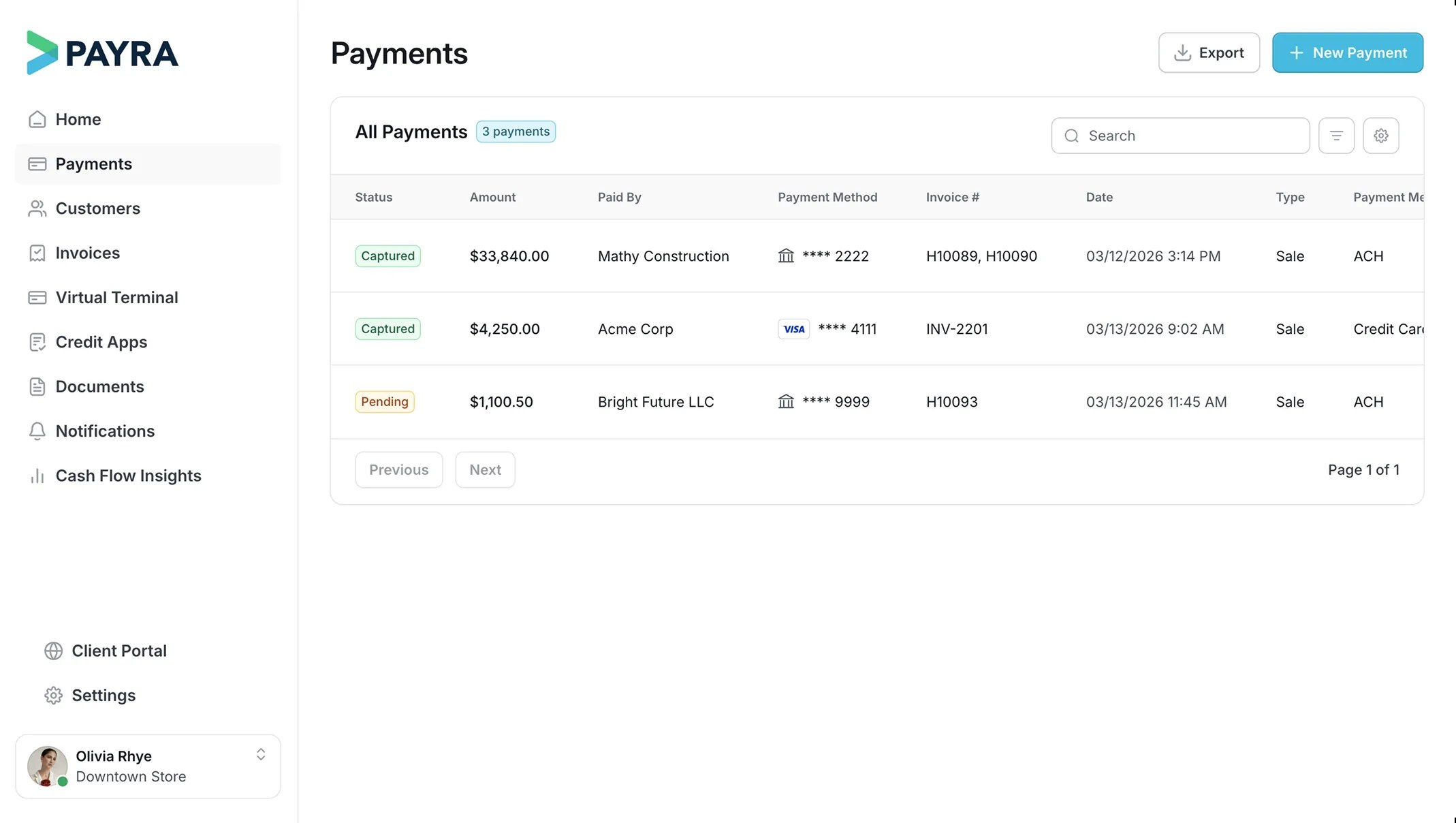
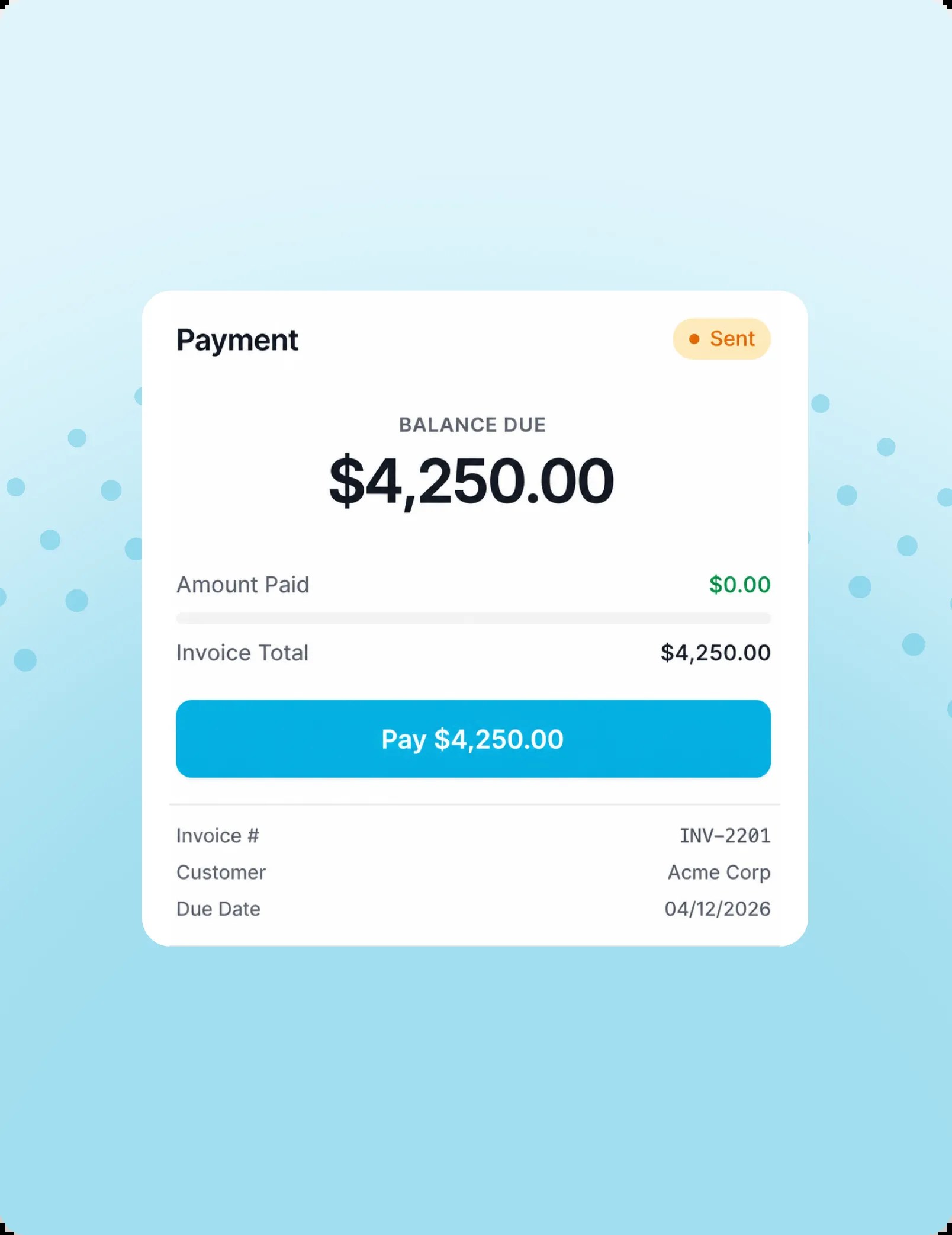
So Payra does not sell a replacement. It sells a layer. The company plugs into the aging enterprise resource planning (ERP) systems that construction suppliers already run - some of them close to 30 years old - and adds the parts those systems never had: digital invoices you can pay by card or bank transfer, automated reminders, and reconciliation that ties every incoming dollar back to the right invoice without anyone typing it in. The pitch is not "rip and replace." It is "keep everything, just get paid."
01The market hiding in plain sight
Fintech spent the last decade building for software companies, restaurants, and online sellers - businesses that were already digital. Payra went the other direction, toward the industries the tech world tends to find boring: commercial concrete, lumber, electrical, and heating and cooling. These are large, regionally dominant, and deeply fragmented. The U.S. ready-mix concrete sector alone is made up of roughly 12,000 companies. Many generate millions in annual revenue while still relying on checks, spreadsheets, and manual reconciliation to manage receivables.
That is the gap Payra is selling into: a segment it pegs at roughly $200 billion where the accounting software is old, the payments are slow, and nobody has bothered to build modern tooling. The company's customers are largely bigger general contractors and their suppliers - the firms with enough volume that a two-week delay in getting paid is a real cash-flow problem.
02What actually happens when a bill gets paid
The unglamorous heart of the product is reconciliation. For years, suppliers in the trades were told they could accept credit cards - they just had to figure out, by hand, which payment tied to which invoice. Co-founder and head of product Thomas Cecil frames that as the exact friction Payra removes.
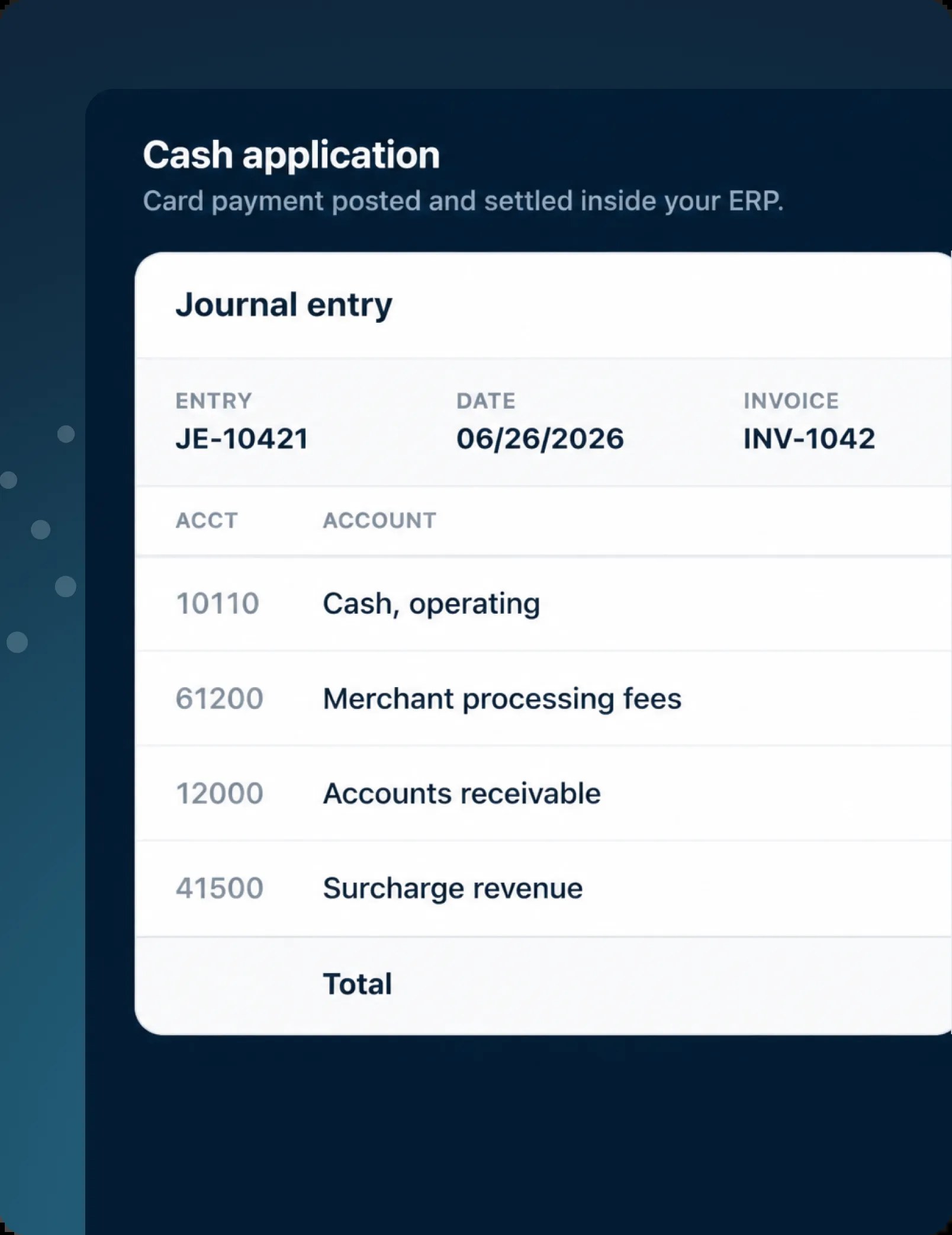
Payra's answer is to automate that matching inside the customer's existing system, at a reported 99% auto-match rate. An invoice goes out by email or SMS with a payment link embedded. The customer pays by card or ACH. The payment lands, gets applied to the right open invoice in the ERP, and reconciles - no data entry, no month-end spreadsheet reconciliation marathon. Here is the loop, in four steps:
03Why it moves the numbers
The metric Payra lives and dies by is days sales outstanding - DSO, the average number of days it takes a company to collect on a sale. High DSO means money is stuck in the mail, in disputes, or in someone's inbox. Payra says customers cut it meaningfully, and clear the backlog of overdue bills at the same time.
CEO Riley Lovingood, a former staffer for U.S. Senator Bill Hagerty, describes the customer motivation in plain terms - and it is not a love of software.
The transaction data underneath is its own kind of surprising. The average credit card payment Payra processes is around $3,500 - but the tail runs long. "It was not weird for us to see credit card transactions north of $400,000," Lovingood has said. Construction buys in bulk, and the ticket sizes reflect it.
04Who is actually using it
The customer list reads like a drive down an industrial road: kitchen and bath suppliers, evergreen growers, restoration franchises, building-materials distributors. Standard Kitchen & Bath, one named customer, put the value in operational terms rather than technological ones - the platform, it said, does the work of collecting invoice payments that a person used to do by hand, with all the manual follow-up that involved. That is the tell about Payra's buyer. The win is not a slicker interface; it is a job that used to eat someone's afternoon and now runs itself.
Onboarding is built to match that reality. Payra reports an average implementation time of around three weeks - fast for software that has to reach into a decades-old accounting system - and says it cuts customer follow-ups by roughly three-quarters. For a supplier whose accounts-receivable function might be one or two people, that reduction is the difference between reconciliation as a monthly ordeal and reconciliation as something that quietly happens.
05The products
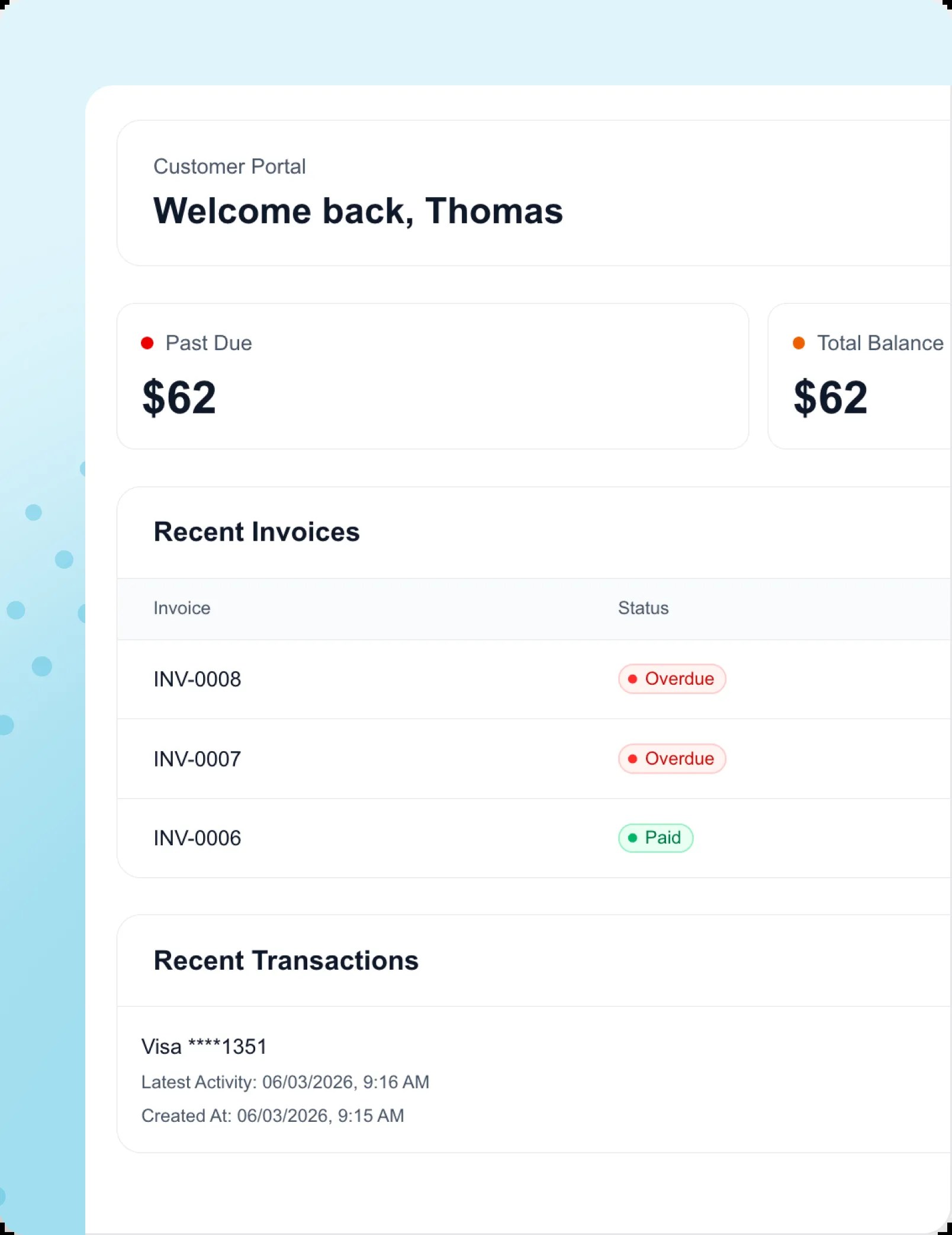
Payra bundles the workflow into a handful of modules, each aimed at a specific choke point in the invoice-to-cash cycle. Under the hood it connects to platforms like Trimble Viewpoint, Foundation, Sage, and NetSuite.
06The business, and the money
Payra makes money the way most payment companies do: it takes a percentage of the volume it processes. That model scales with a customer's sales rather than seat count, which fits an industry where a single job can throw off a six-figure payment. Growth has been driven by a direct sales team rather than self-serve signups - a deliberate choice for buyers who are not shopping for software in an app store.
The founders ran the company on their own capital for roughly two years, and by their account crossed a $10 million-plus revenue run rate within about 15 months of launch before taking a dollar from anyone. That track record is what drew Edison Partners, a growth-equity firm that has backed more than 260 companies over four decades. In February 2026, Edison led a $15 million investment - Payra's first outside capital - earmarked for expanding sales and reaching more trade verticals.
07Where it fits
Accounts-receivable automation is not a new category. Companies like Billtrust, Versapay, and Growfin all sell software to speed up collections. What separates Payra is the customer it points at. Where those tools tend to serve mid-market and enterprise finance departments, Payra is built for the concrete yard and the lumber supplier - buyers on legacy ERPs who have been skipped by the broader wave of fintech, and who measure success not in dashboards but in how many days sooner the money shows up.
It is a bet that the biggest remaining opportunity in payments is not another sleek consumer app, but the deeply unsexy work of digitizing the invoices of the businesses that pour the foundations and frame the walls. Whether Payra becomes the default there is an open question. But the ground it is standing on - a large, fragmented, under-served market that pays in checks and wants to pay faster - is real, and for now, mostly its own.