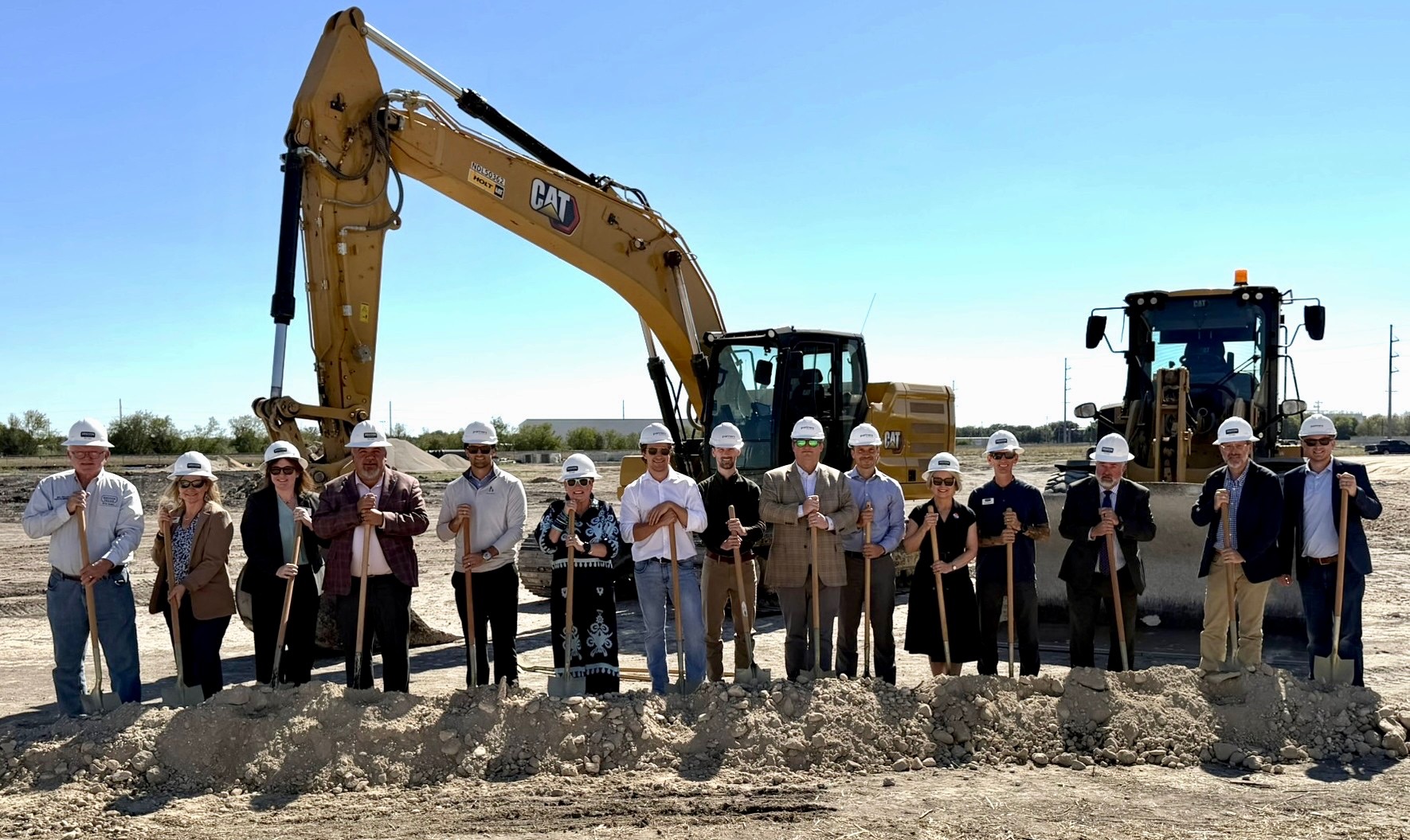
In Seguin, Texas, the revealing detail is the height of a crane hook. Partners’ new industrial park is being built with crane-ready space, oversized doors and room for secured yards. Those specifications came from listening to the people who might occupy it. The company says its industrial brokers worked alongside its developers to shape the project. A conversation with a prospective tenant could become a decision about steel.
- Give producers a path to equity in the firm.
- Connect leasing knowledge to operations, investing and development.
- Expand through people who already know the local market.
That exchange is a useful way into Partners, a Houston commercial real estate firm whose name also describes its ownership proposition. It puts brokerage, property operations, investment funds and development inside one organization. The interesting question is whether the people doing those jobs have a reason to help one another.
The commission has company
Partners began in 1997 as Partners Commercial Realty, with a small group of brokers, including Jon Silberman, primarily helping Houston businesses find office space. Silberman, now CEO, has an electrical and computer engineering degree. His company would eventually acquire a rather complicated set of moving parts.
The founding logic was straightforward. As the firm’s recruiting materials explain it, the people producing revenue wanted to own, manage and control the business. A broker could earn commissions, but ownership offered participation in the company’s wider success. Today, Partners advertises equity opportunities, direct investment in its funds and carried-interest participation in development deals a broker sources.
That changes the proposed reward for making an introduction across the office. A relationship can lead to a commission, an investment opportunity or value shared through ownership. This is the company’s argument for collaboration. Its current description counts more than 300 professionals and 75-plus partners. The ownership idea has become an organization large enough to require coordination.
The work behind the ribbon
For a customer, the point is practical. A tenant can ask for site selection and lease negotiations. A landlord can ask for leasing, maintenance, property accounting or project management. An investor can consider funds and developments through the firm’s investment businesses. These are different problems, with different contracts, assembled under the same name.
Consider Duracell. Partners’ Chad Koenig and Katelyn Fabian represented the battery company at Science Square Labs in Atlanta, where it opened its global R&D headquarters in October 2026. Duracell occupied 82,500 square feet. Georgia had announced the relocation initiative as a $56 million investment expected to create 110 jobs. That is the client’s project investment, rather than a measure of Partners’ fees.
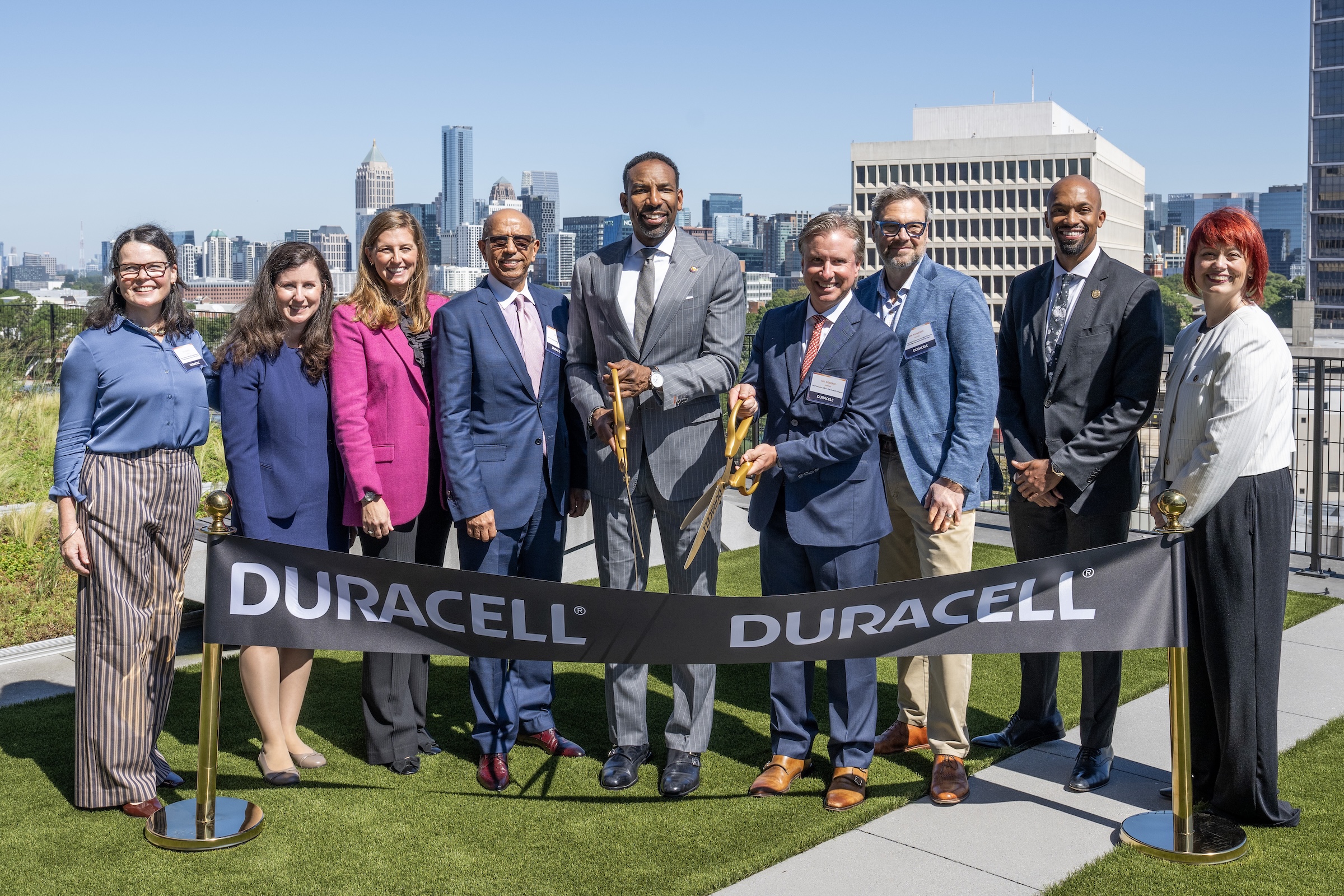
The assignment involved a particular kind of space for a particular kind of work. Laboratories are harder to treat as interchangeable boxes. Karen Iveson, Duracell’s senior director of global transformation projects, described the requirement precisely:
“We needed a building that could be the foundation of Research and Development for the future of our organization.”
Karen Iveson / Duracell
Atlanta needs more than an address
Partners spent most of its history inside Texas. In 2022 it changed its name from NAI Partners and entered Dallas. The next geographic turn came in 2024, when it announced its first expansion outside Texas and appointed John O’Neill to lead the Southeast business. Atlanta’s office opened that June.
Expansion creates an awkward problem for a real estate company: an address can be purchased faster than local judgment can be acquired. Partners’ next moves added people and capabilities. In October 2025, Atlanta’s Seven Oaks merged into the firm, bringing 15 professionals. Principals Bob Voyles, Randy Holmes and Andrew Pearson joined as equity partners, adding development and property-management experience.
By March 2026, Partners reported more than 60 professionals in its Southeast base, including 17 equity partners. Against alternatives such as CBRE, JLL, Cushman & Wakefield and Colliers, Partners presents a privately held platform with ownership opportunities. The distinction lies in its incentives and operating structure; it still has to win assignments with the right people in the right market.
- 1997Houston
Origin - 2022Dallas
Entry - 2024Atlanta
Opening - 2025Seven Oaks
Merger
Follow the money into the buildings
Partners Capital supplies another connection. In March 2026, its new Opportunity Fund VI acquired Atlanta’s Powers Ferry Business Park: five buildings constructed in 1982, with 36 tenants and 91 percent occupancy. The stated plan involved physical improvements and hands-on management. Existing buildings, occupied by working businesses, supplied the starting point.
In September, the same fund acquired three Houston shopping centers totaling 116,143 square feet. Partners identified a renovation at Town Square as part of its plan. Here, the investment thesis depends on operating work: improving a property, serving tenants and managing space. Brokerage and property-management expertise have an obvious use beyond completing the purchase.
The numbers need careful labels. Partners’ development page lists a $7 million raise for Seguin Commerce Park. That describes capital raised for the project, rather than its total construction cost. The October groundbreaking announcement sets out an eight-building, 234,600-square-foot park, with the first two buildings scheduled for May 2027. A capital raise and a delivery promise measure different things.
A lesson with conditions attached
There is a lesson here for other service businesses: let the people hearing customer requirements influence what gets made. Give them a financial reason to care about the result across the organization. Partners’ structure makes that exchange possible; the Seguin design process shows what it can look like.
The conditions matter. Ownership works as a collaboration incentive only when teams actually exchange information. Local expansion needs local expertise. A tenant choosing an adviser should test experience with its property type, location and project requirements. An investor has a different task: examine the specific offering and its operating assumptions.
Partners also describes an internal AI and data platform, Partners Edge, focused initially on industrial forecasting. That adds another input to decisions. The company’s clearest demonstration remains easier to picture: someone hears that a manufacturer needs a crane, and someone else makes room for it in the building.