A customer standing at a convenience-store counter has a problem that a beautiful banking app cannot solve by itself: the money is cash. Before it can buy something online, it needs somewhere to enter the system. That small, stubborn fact helps explain a very large transaction. In May 2023, Roy and Bertrand Sosa returned to the consumer business they had founded, through a purchase valued at $1 billion.
- Buy it back. Rêv and Searchlight-backed funds acquired Netspend’s consumer business.
- Connect the pieces. Retail access met international wallet technology under Ouro.
- Give people a reason to join. Add payments, rewards and partner brands.
- Return to the familiar. The company is retiring Ouro in favor of Netspend.
A billion dollars to get back to the counter
The Sosas founded Netspend in 1999. Their later venture, Rêv Worldwide, developed international payment capabilities. The 2023 acquisition, backed by funds advised by Searchlight Capital Partners, brought the Netspend consumer operation out of Global Payments. The seller retained its pay-card business. This was a specific business changing hands, with a specific purchase price.
In November, the combined strategic assets received a parent brand: Ouro. Netspend remained the flagship, while Rêv’s X World Wallet supplied a proposition involving travel, multiple currencies and loyalty. The logic was understandable: combine an established route to customers with technology that could travel into other markets.
Then came another turn. By October 2026, Ouro’s public LinkedIn page said it was retiring the name and consolidating under Netspend. Its website redirected there too. The announcement described this as returning to its roots. It is tempting to diagnose a failed rebrand. The evidence supports a narrower conclusion: the company chose to put the familiar consumer name back in front.
“This acquisition represents both a reunion and reimagining”
Roy Sosa · acquisition announcement, May 2023
The store is part of the software
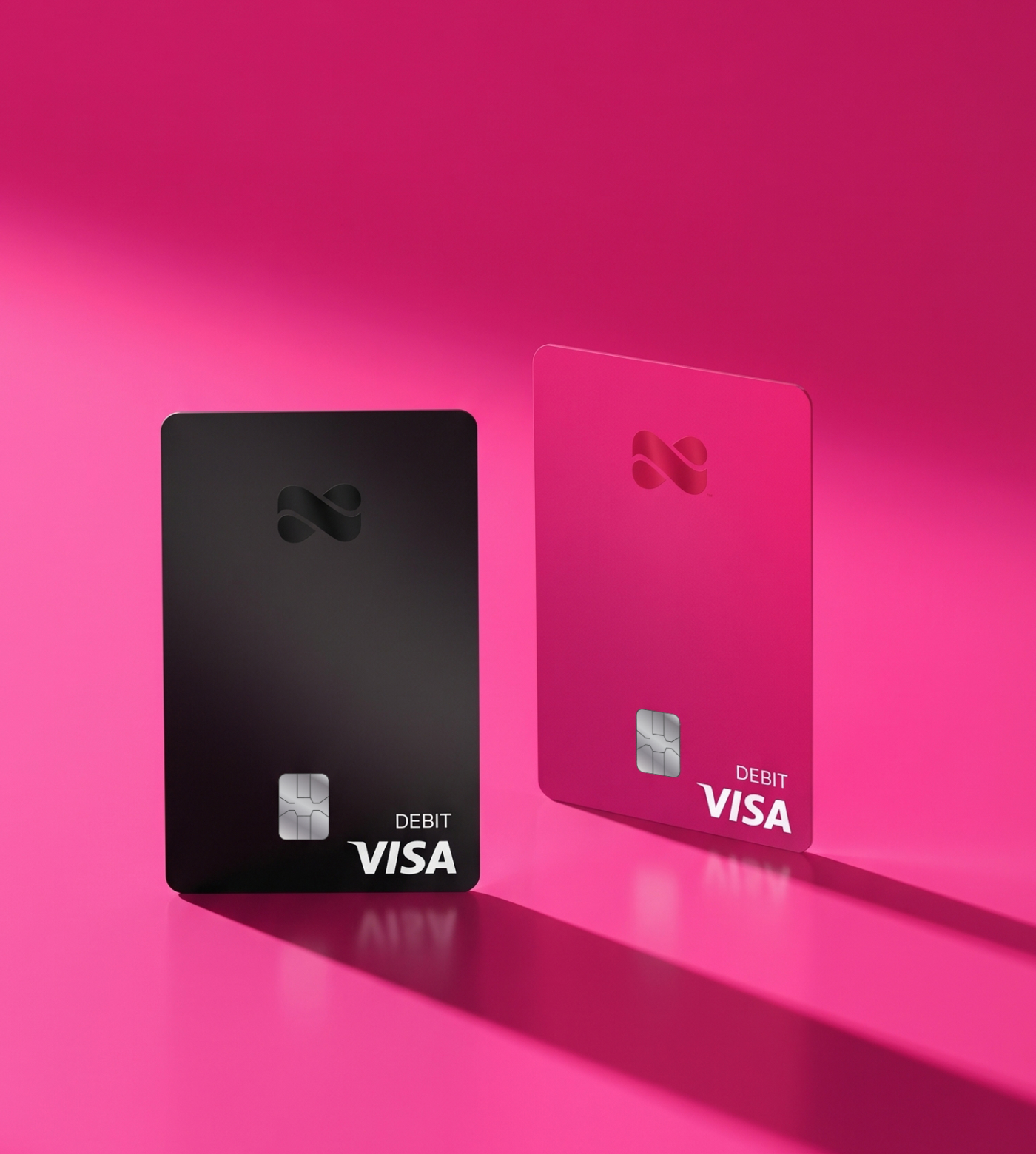
Netspend’s products let customers load money, receive direct deposits, make purchases and manage accounts on a phone. The prepaid card serves people who want payment access without a conventional checking account. The debit account adds a partner-bank deposit account, with optional savings and overdraft features governed by their own terms.
The physical network matters because it meets customers before their money becomes digital. Netspend advertises more than 130,000 reload locations. These are access points through other businesses, rather than company-owned branches. For someone paid in cash, that distinction can determine whether a financial product fits the week they actually live.
Illustrative flow. Fees, registration and identity checks apply.
There is another distinction worth keeping. Netspend says it is not a bank. Pathward and Republic Bank & Trust Company provide banking services for its U.S. programs; the issuer depends on the product. Ouro extended its Pathward relationship in January 2024. The expertise here includes coordinating retailers, account servicing, banking infrastructure and payment networks.
That puts the business between several markets. Green Dot and GO2bank offer alternatives for prepaid and debit access; banks and credit unions compete for everyday accounts. For international wallet users, Wise and Revolut address overlapping needs. Ouro’s distinctive combination was retail distribution plus Rêv’s wallet capabilities. It still had to earn the next transaction.
The price of getting in
Convenience has a tariff. Netspend offers different agreements and pricing plans, so a single headline fee can mislead. One published Pathward Visa schedule lists a $1.95 purchase charge on Pay-As-You-Go, or a $5.95 monthly plan with no purchase charge. That same schedule lists a $2.95 domestic ATM withdrawal fee and cash reloads costing up to $3.95.
Illustration using fee schedule 730461322: 4 × $1.95 versus $5.95. Purchase and plan fees only; excludes ATM, reload and other charges. Other programs differ.
In this example, four purchases cost $7.80 on that transaction plan, compared with $5.95 on that monthly plan, before other charges. At one purchase, the arithmetic reverses. The reader can copy the calculation: count a realistic month of purchases, cash loads and withdrawals, then apply the actual agreement. Someone with inexpensive banking already available may find less reason to pay for this route.
A card needs a reason to leave the drawer
Ouro also faced a different customer: the person who already had a debit card. A Sportfive campaign account describes repositioning X World Wallet from another debit product into a lifestyle rewards card. Its Leagues Cup promotion linked qualifying card activity to access to all 77 matches on Apple TV. The agency’s account documents the change in pitch; it does not establish a company-wide turnaround.
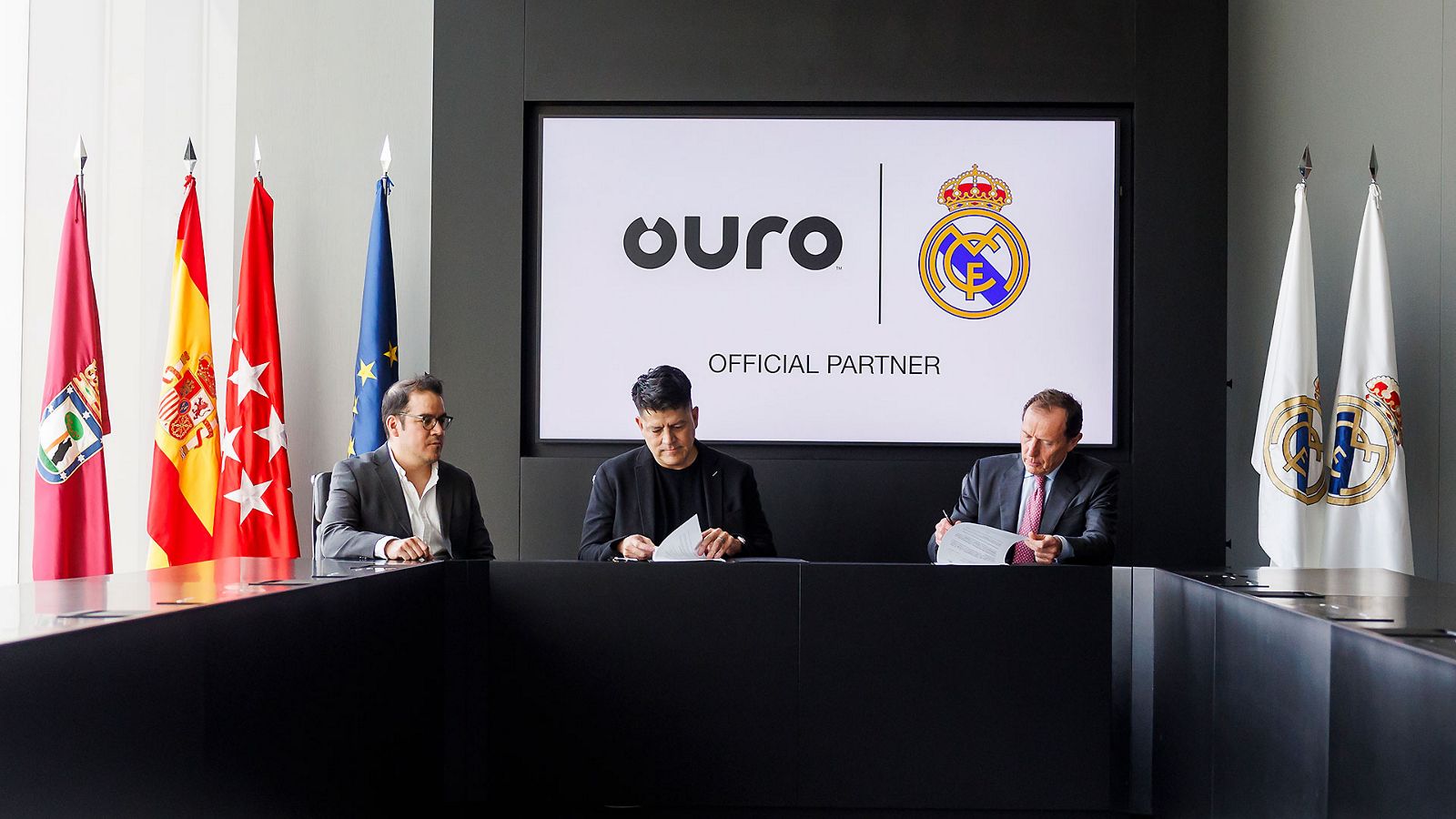
In April 2024, Real Madrid announced Ouro as a regional sponsor in the prepaid, credit and debit card category across six countries, covering its men’s and women’s first teams. The commercial idea is clear enough: attach a routine financial tool to something people already care about. Sponsorship creates an introduction. Whether the account stays useful depends on what follows.
The same distinction applies to partners buying payment capabilities. A consumer brand can bring an audience while a payments company runs the account program. Netspend’s public description includes co-branded and white-label collaborations. For a prospective partner, the useful question is how well the program serves that audience after the launch campaign ends.
Access is a promise with an operating cost
The hardest test predates Ouro. In 2017, Netspend settled FTC allegations about misleading promises of access to deposited funds. Customers had encountered activation delays or account blocks. Netspend said it admitted no wrongdoing and described the dispute in terms of identity-verification obligations. The episode exposes the operational difficulty: selling access is easier than ensuring every eligible customer can reliably use it.
Today’s disclosures still require identity verification. No credit check does not remove that requirement. Builders can copy the attention to distribution, the use of banking partners and the effort to give a second card a purpose. Those choices need dependable activation, understandable costs and reachable support. At the checkout, the customer’s question remains wonderfully concrete: can I use my money?