The French manicure was not born in France. It was born in the small panic between two costumes. In the 1970s, film directors wanted actresses to change wardrobes without stopping to repaint their nails. Jeff Pink, then supplying beauty products to Hollywood studios, proposed a neutral base with a clean white tip. It matched the clothes, stayed out of the shot and gave the production back a few precious minutes. He called it the Natural Nail Look. Paris would give it the better name.
That origin explains ORLY International more neatly than any brand manifesto. The Los Angeles company does not merely sell color. It sells practical control over a tiny, visible surface - a way for a nail technician to work faster, for a customer to look finished, or for an enthusiast to change mood without changing much else. Fifty years after Pink founded the business in 1975, that proposition still fits in an 18-milliliter bottle.
He paid to learn a business he almost quit
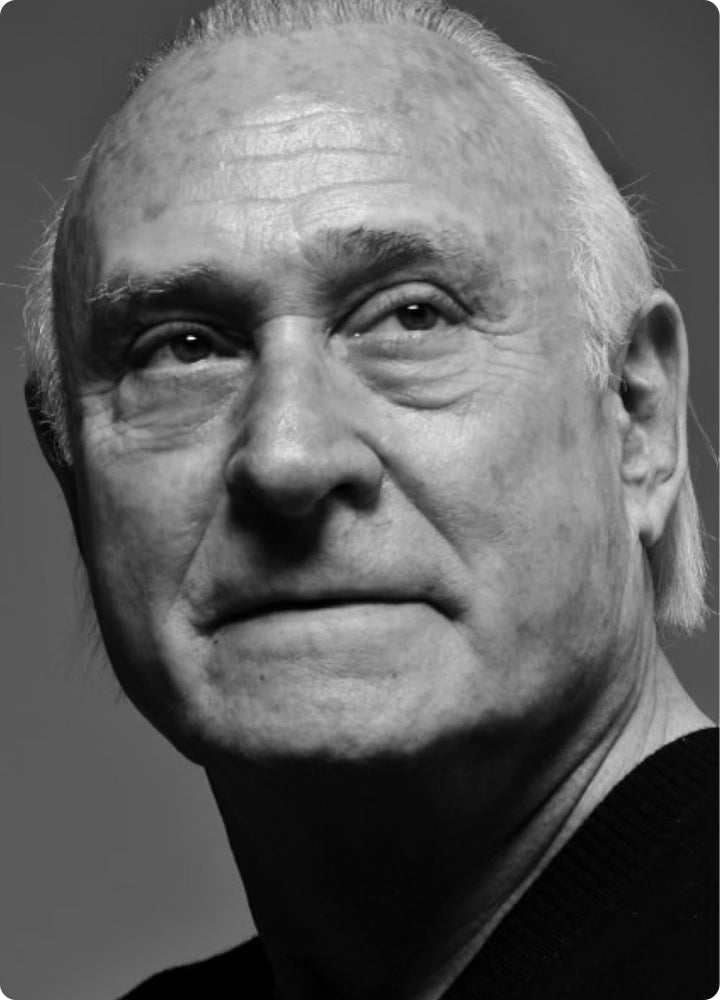
Pink's first bet was not polish. It was apprenticeship. He arranged to work for beauty-supply owner Jack Sperling and paid him to learn the trade. Pink initially told his wife the business was not for him. Sperling asked for 90 days and promised his money back if the feeling did not change. It did. Pink opened Jeff Pink Beauty Supply in Tarzana and began calling on salons from Studio City to Woodland Hills.
The useful research happened face to face. Nail technicians told Pink that the large cosmetics houses were serving department stores while neglecting salons. They needed products that strengthened weak nails and disguised ridges. Those plain requests informed early ORLY products including Romeo and Ridgefiller. It was customer discovery before founders put customer discovery in pitch decks.
“Listen to what the customers want.”Jeff Pink's best business advice, given on ORLY's 40th anniversary
Then came the Hollywood request. Pink's neutral manicure moved from film sets to Paris runways in 1978. The flattering geographic label stuck. Pink later said it took roughly five years for the look to take off - a useful correction to the modern fantasy that a category arrives in one launch week. What changed his mind twice was evidence: first, 90 days inside the beauty trade; then technicians and stylists repeatedly asking for the same kinds of help.
The ORLY founding loop
A bottle is the business model
Today ORLY spans traditional lacquer, GELFX salon color, Builder in a Bottle, Breathable 1-Step color, press-ons, base and top coats, oils, strengtheners, removers and treatment hybrids. The customer list is equally split: licensed technicians who care about application and wear; salons and distributors buying professional systems; retailers looking for recognizable color stories; and home users shopping a Shopify storefront or marketplaces.
The company reaches both sides of the manicure table. ORLY+ gives licensed professionals access to pro products and education. The consumer store carries hundreds of shades and finishes. Color Pass turns the industry's seasonal rhythm into a subscription: $49 each quarter for six full-size lacquers, treatment, nail art and rotating extras, advertised at more than $80 in retail value. That box does two jobs. Fans get the collection before its broad release; ORLY gets recurring demand, direct feedback and four scheduled reasons to reenter the customer's bathroom cabinet.
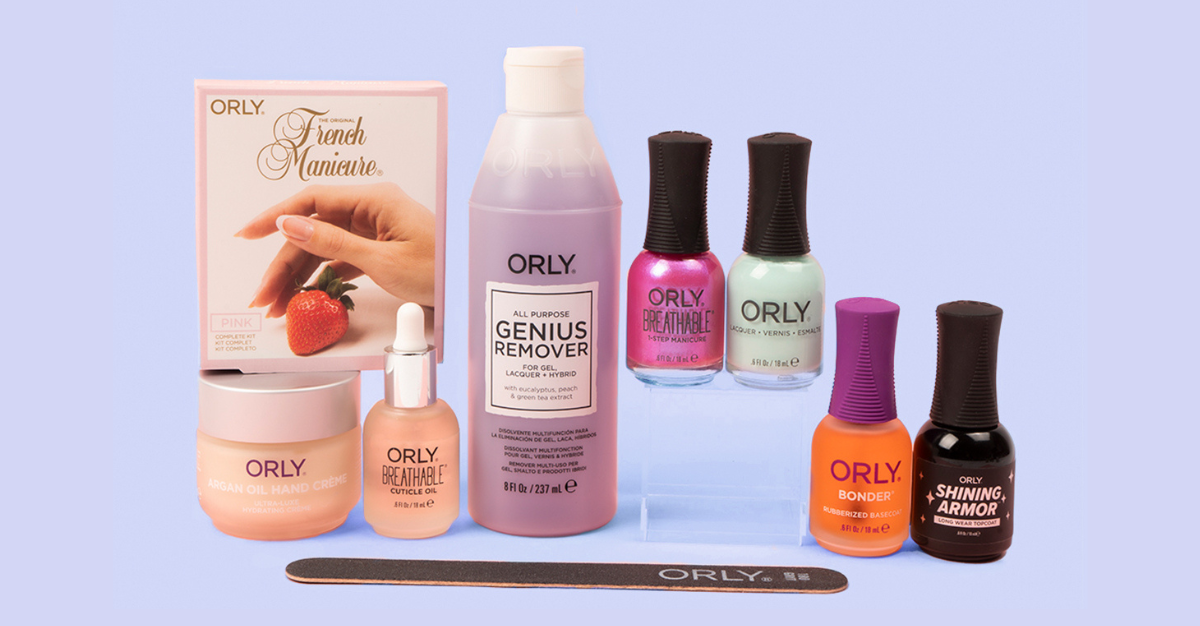
The economics are legible at the shelf. Breathable color commonly lists around $11, standard lacquer around $12.50, 2025 launches Nail Retouch and pH Perfector at $13, and Builder in a Bottle at $25. A professional cordless gel lamp reaches $199. These are not luxury-ticket prices, but a broad ladder: an easy color purchase at the bottom, regimen and tool sales above it, subscription in the middle, and professional replenishment running alongside.
A small ladder from color to commitment
The moat is not mauve
Any competitor can formulate another pink. ORLY's defense is the stack around it. Products are developed and made at the company's Los Angeles headquarters, where in-house teams can mix pigments, test batches, fill bottles and package the result. The patented rubberized Gripper Cap addresses a small professional irritation - polish bottles can be stubborn - while the 600-bristle brush fans toward the cuticle for more controlled coverage. Vegan formulas and Leaping Bunny certification answer another set of purchase filters.
Factory footage makes the abstraction satisfyingly physical. An in-house chemist builds a shade from pigments, an adhesive polymer helps it cling, and a drum weighing more than 200 pounds feeds a filling line. Mixing balls drop into Italian-glass bottles before lacquer, brush, cap, label and safety sleeve follow. The process is closer to a tiny paint plant than a cosmetics counter. It also exposes why the company's expertise is difficult to summarize as “good taste.” Color has to survive scale, settle consistently, flow through machinery, cooperate with a brush and still resemble the sample that won the meeting.
Professional education is part of that system. Pink has argued that salon customers should be able to trust a technician's training, and ORLY+ organizes products around licensed users rather than treating every gel or extension tool as self-explanatory. This matters because the company's consumer-friendly language can hide meaningful differences in use. A one-step breathable lacquer is deliberately easy. Builder gel, curing lamps and salon systems ask for preparation, timing and technique. Selling both expands the market, but keeping the boundary visible protects the result.
That stack places ORLY between global salon names such as OPI and CND, mass brands such as Essie and Sally Hansen, digitally fluent players such as Olive & June, and a restless field of independent lacquer makers. Its advantage is neither the lowest price nor the loudest internet personality. It is professional history plus consumer access, local production plus wide distribution, and an object - the French manicure - that people know even when they do not know who helped popularize it.
Independence matters here. ORLY is private and family-owned, with Jeff Pink still identified as founder and chief executive and Tal Pink speaking publicly as vice president of business development. Public revenue estimates vary too widely to treat as fact, from roughly $25 million in one directory to the much higher figure supplied with company data. The reliable point is simpler: the company has financed growth with debt, including a reported $7 million MidFirst Bank line of credit in 2024, rather than presenting itself as a venture-funded beauty rocket.
Fifty years old, still looking for the next hand
ORLY's 2025 anniversary program moved the brand from backstage to courtside. A three-year agreement made it the LA Sparks' first official nail partner, with custom player looks, behind-the-scenes content, a “Nail Check” camera and a Game Day Glam kit. The logic is sharper than a generic sponsorship: elite athletes now shape beauty culture, hands are expressive during play, and both organizations belong to Los Angeles.
Product launches made a second argument. Nail Retouch, priced at $13, gives bare nails a soft-matte, ridge-blurring finish. pH Perfector, also $13, uses a reactive dye to produce a personalized blush tint. A Rubik's Cube collaboration turned primary colors, confetti and a cube-shaped buffer into limited-edition play. The common thread is not scientific grandeur. It is a fast, visible result with a story that fits in one sentence.
What a founder can copy
- Interview the professional who touches the problem every day.
- Start with a workflow fix, not a lifestyle slogan.
- Own a memorable detail: a cap, brush, method or name.
- Keep production close when trend response is part of the value.
- Add subscription only after the seasonal habit already exists.
Where the polish chips
The playbook has limits. Color is easy to imitate, licensed collections can create fatigue, and a legacy claim cannot replace fresh product performance. Color Pass works best for collectors who enjoy surprise and volume; it is a poor fit for selective shoppers, and ORLY says the boxes are final sale. The US storefront ships directly only within the continental United States and Canada, leaving international customers dependent on local distributors. Gel and builder systems also demand equipment and technique that a bottle of ordinary lacquer does not.
The customer wants one exact shade, dislikes seasonal extras or expects a refundable subscription box.
A brand copies the French-tip aesthetic but lacks salon trust, reliable application and distribution.
Fast local manufacturing costs more than the speed or quality advantage it creates.
A licensed partner clashes with the values customers believe the beauty brand represents.
The founding lesson survives those caveats. ORLY did not begin by asking how to make fingernails more important. It noticed that they were getting in the way, then made them cooperate. The product was neutral, the effect enormous, and the name slightly cheeky. In beauty, as in software, the durable category can start as somebody's five-minute annoyance.