Somewhere in a bioreactor, a population of Chinese hamster ovary cells is being asked to do an improbable thing: manufacture a human medicine. The cells need the right nutrients, delivered at the right time, in a mixture clean and consistent enough to satisfy a factory and, eventually, a regulator. The vessel gets the photographs. The liquid inside it rarely does.
OPM Biosciences has made that liquid its opening move. Founded in Shanghai in 2013, it develops and manufactures cell culture media - the carefully specified broth used to grow the cells that make therapeutic proteins. A decade later, the business stretches beyond bottles and bags. It screens formulations, develops cell lines and processes, and offers contract development and manufacturing services through its group. Its 2026 biosimilar launch makes the progression plain: start with the recipe, then help carry the molecule toward a regulatory filing.
The short version
- OPM sells catalog and custom media for biologics developers, especially teams using CHO cells.
- It pairs media work with process development and GMP manufacturing through its wider group.
- Its strongest case is practical: benchmark a new formulation against a customer’s own process, then test whether gains survive scale-up.
The business hidden in the broth
A biologic is made by a living system. That makes the surrounding environment more than a passive ingredient. Culture medium can affect how quickly cells grow, how much protein they secrete and the characteristics of that protein. For a biosimilar - a medicine intended to closely match an existing biologic - yield alone is insufficient. Glycosylation patterns, charge variants and other critical quality attributes must land close to the reference product.
OPM’s catalog includes chemically defined, animal-origin-free basal media such as AltairCHO, SagiCHO, StarCHO and VegaCHO, alongside feeds and supplements. The names sound like an observatory inventory. Their job is earthly: support different CHO hosts and process conditions. The company also supplies media for HEK293 and other mammalian cells. A developer can request samples, screen catalog formulations or commission a recipe for its own cell line.
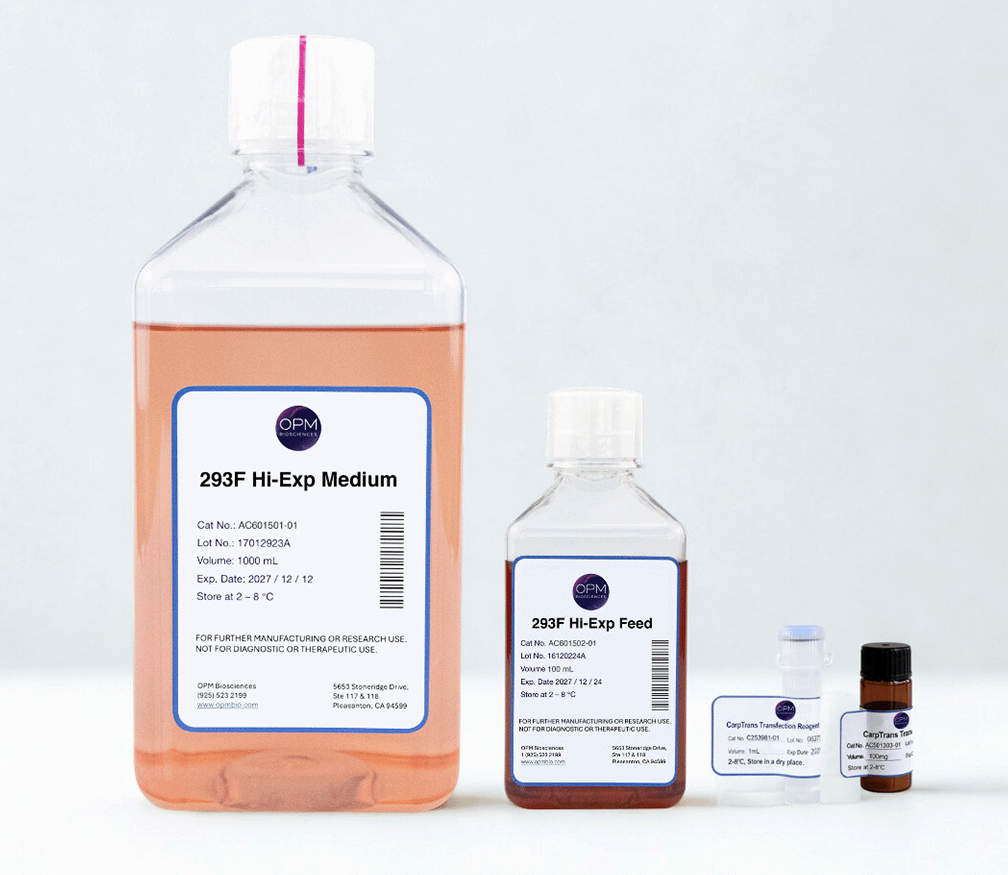
The distinction matters because a standard medium is only a starting point. A clone can behave differently from its close relatives. OPM’s custom work begins with the customer’s cell line and desired outcome, screens candidate formulations, and validates a promising recipe in small bioreactors before transfer to manufacturing. Its published service material describes development cycles of roughly three to six months and batch options up to 2,000 kilograms of dry powder or 2,000 liters of liquid medium. Those figures describe capability and project planning, not a guaranteed timetable for every molecule.
Company-reported figures. The titer comparison is against each program’s starting media combination; outcomes vary by cell line, molecule and process.
A supplier who stays for the hard part
Most customers do not buy media because they admire media. They buy a reliable route to enough of the right protein. OPM’s commercial logic follows that demand. Catalog sales create a way into a program; evaluation and custom formulation add scientific service; contract production supplies the chosen medium at scale. Sister company Sureness extends the offer into biologics CDMO work, including cell line development, process design, analytical characterization and GMP manufacturing. PharmaLegacy, welcomed into the group in January 2026, adds preclinical research capabilities.
This is an unusually long journey for a supplier of an upstream input. It can reduce the number of handoffs between the group that tunes the culture recipe and the group responsible for manufacturing a drug. It also changes what OPM is competing for. In one meeting it may be considered against a large media catalog; in another, against a contract manufacturer. The company’s proposed advantage is continuity of process knowledge, rather than a claim that one bottle solves every development problem.
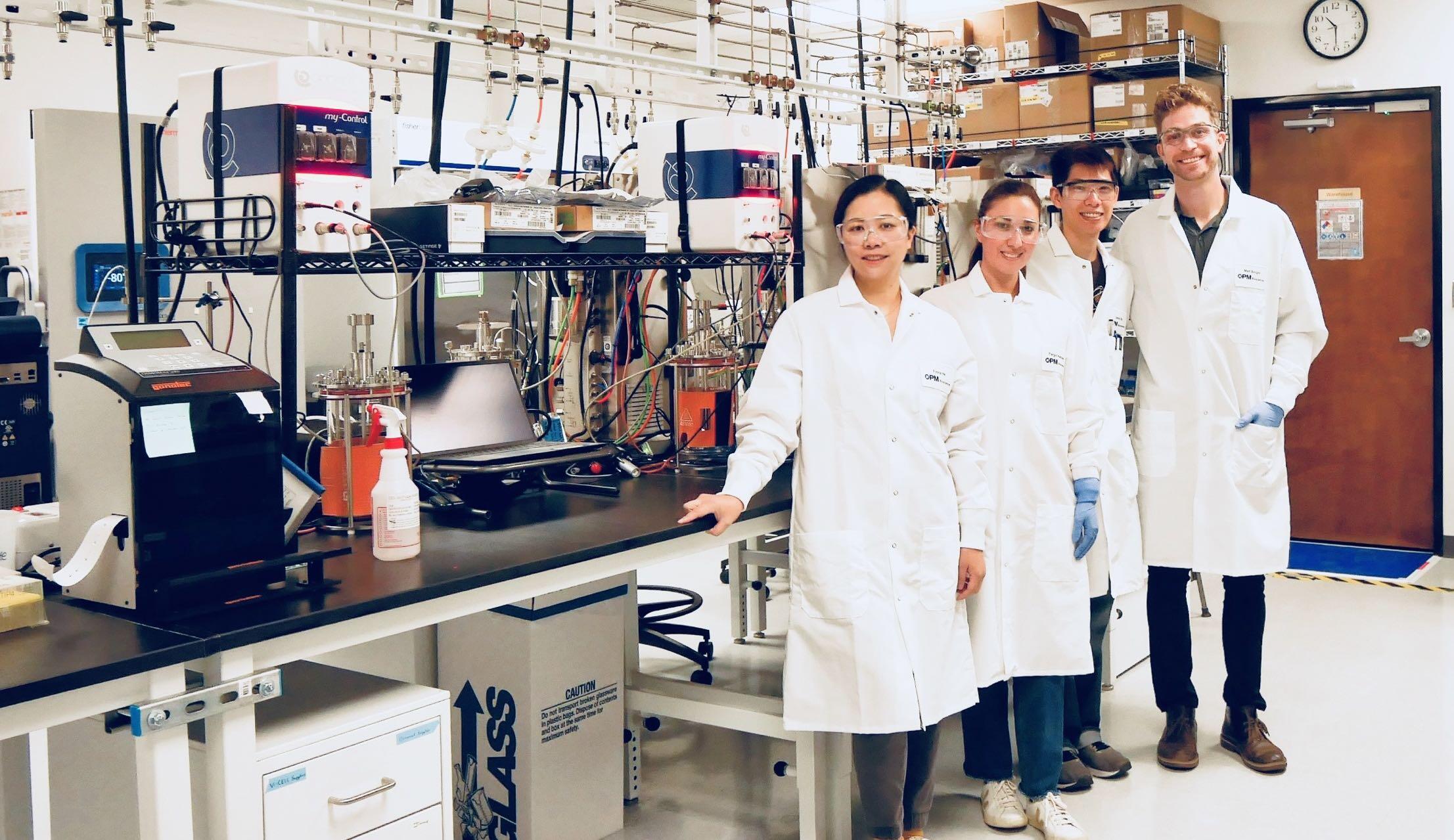
The company says it has served more than 2,000 customers cumulatively on its Chinese site. Its U.S. site puts more than 390 molecules supported by OPM products in IND, clinical or commercial stages. Those counts are not a list of named clients, nor do they establish that OPM alone caused a drug to advance. They do show the scale at which a specialized ingredient supplier can sit behind other companies’ medicine cabinets.
“Biosimilar development is no longer simply about maximizing titer. The challenge is achieving the right combination of productivity, product quality, process robustness, and cost.”Yunfen (Fiona) He, OPM president, September 2026
The biosimilar test
In September 2026, OPM introduced a Biosimilar Media Optimization Service and the Sureness Biosimilar Platform. The first is a focused attempt to move a candidate’s quality attributes toward the reference medicine while improving productivity. The second carries the program from reference-product assessment through cell line work, process development, comparison testing, GMP production and support for an investigational new drug filing.
The company reports an average 81% titer improvement across more than 70 completed optimization projects, compared with each project’s starting process. That is a useful signal, with a clear limit: it is OPM’s own program data, aggregated across different molecules and conditions. A developer still has to establish what happens with its cells, its target protein and its equipment. OPM’s more transferable idea is the sequence of decisions.
That sequence is something another team can copy without buying anything from OPM. Agree on success criteria before a screen. Compare every new formulation with the actual baseline. Watch protein quality alongside yield. Confirm a promising result at a scale closer to production. Only then plan the supply and regulatory consequences of a switch. A cheap liter of medium is an expensive bargain if the change produces a protein that no longer matches the target profile.
The cost of the next step
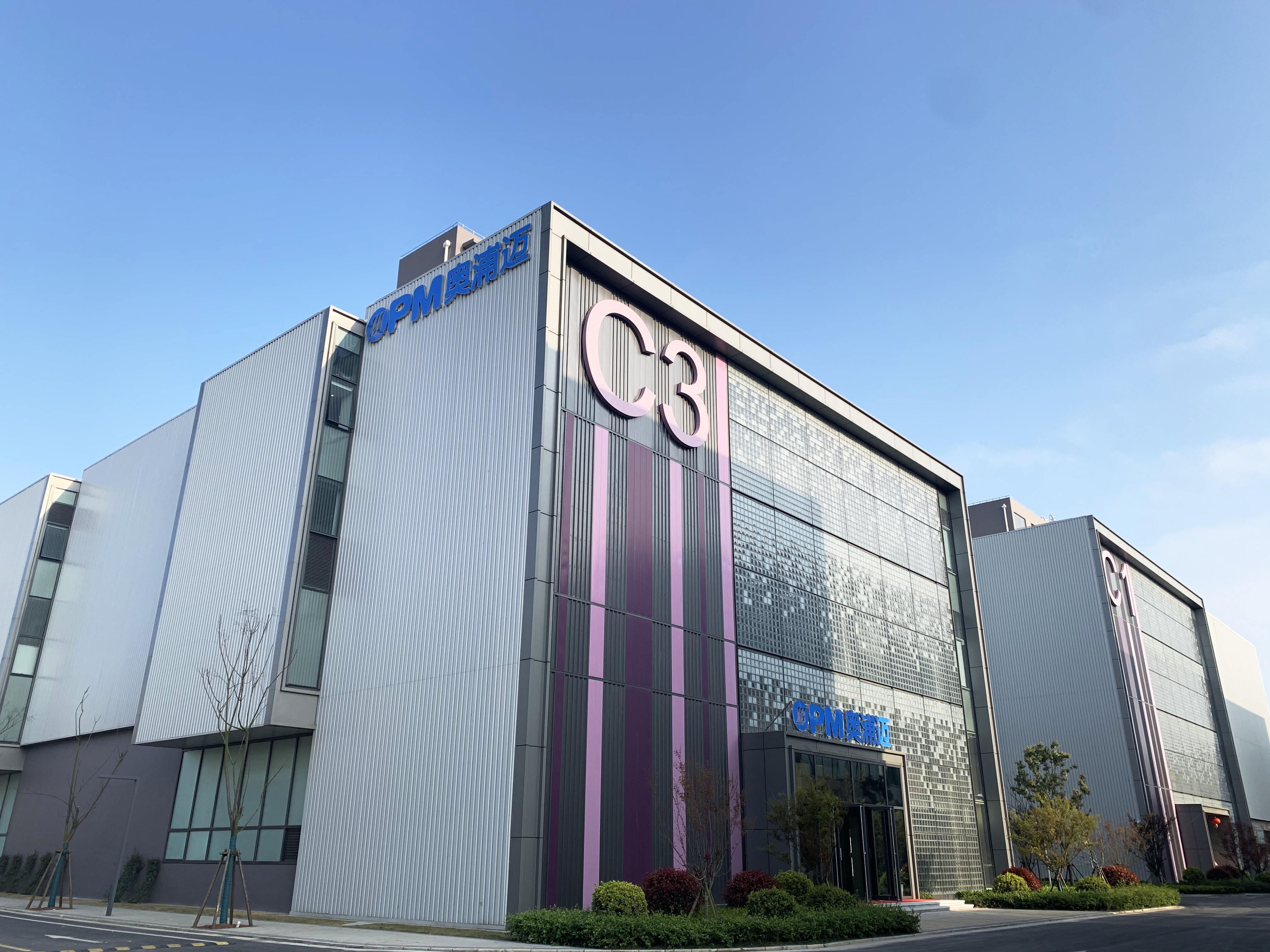
OPM sells custom media and full biologics programs by quote. Its evaluation service has tiers, from rapid benchmarking to robustness studies and a bridge to optimization. The cost that can be measured publicly is time and infrastructure: a tailored formulation can take months; production must be repeatable by lot; and the chosen medium must fit a regulated manufacturing process. OPM’s model asks customers to pay for fewer dead ends and fewer transfers of know-how. Whether that saves money is a program-specific calculation.
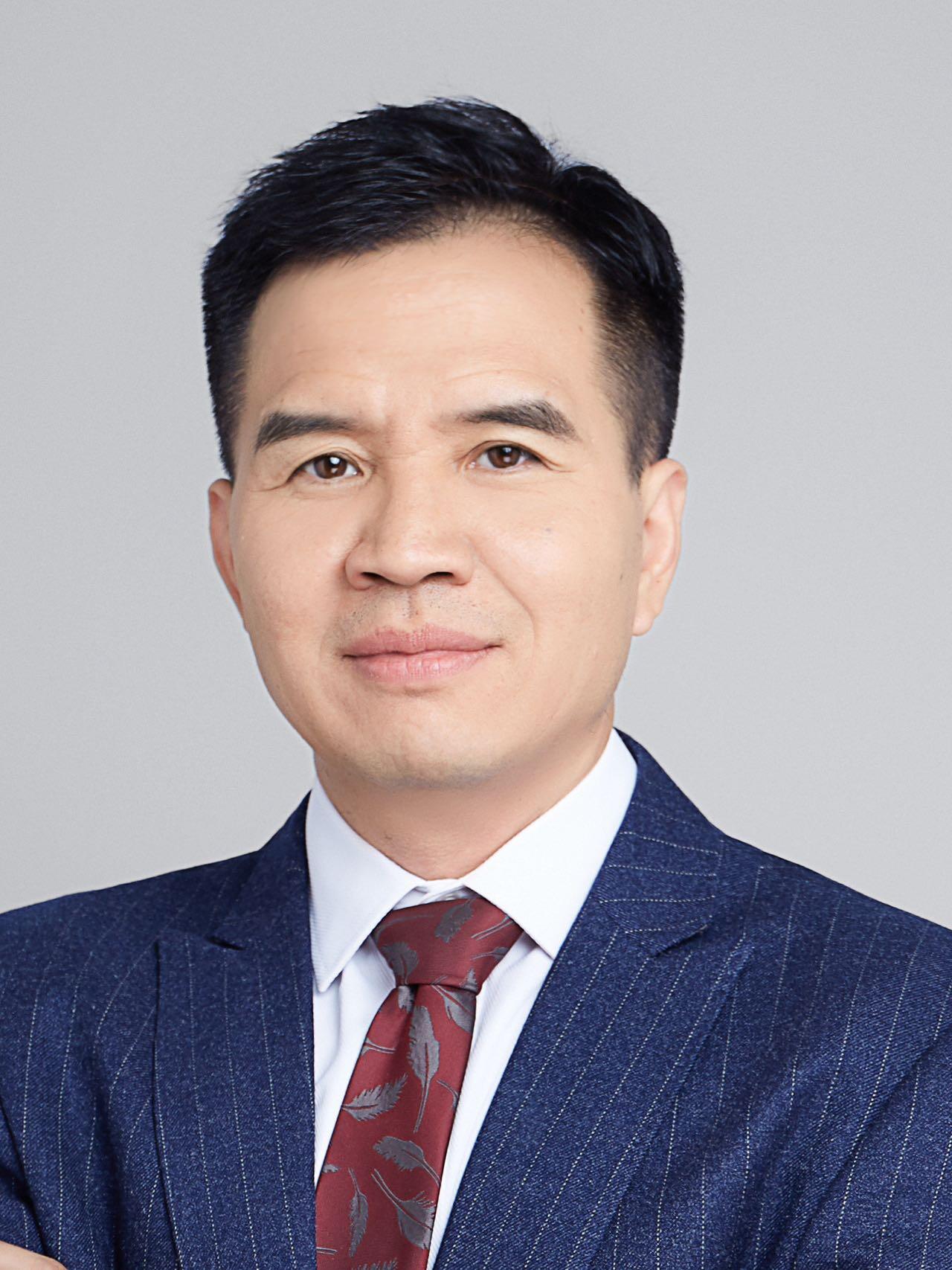
The company’s own path has been expensive too, though its precise cumulative financing figures differ across commercial databases. A reported Series B in August 2020 raised about $43.6 million. In September 2022, Shanghai OPM Biosciences listed on the STAR Market under code 688293. The public listing and the subsequent buildout matter because a media supplier promising industrial-scale supply has to look rather different from a clever lab with a good formula.
Its center of gravity remains Shanghai, while an operation in Pleasanton, California, serves customers in North America. The group describes multiple manufacturing sites and an ISO 9001:2015-certified quality system. Geographic reach and repeatable production are selling points in a field where developers worry about supply continuity as much as assay results.
The modest, powerful claim
The visible milestones tell a straightforward story: a media specialist built production capacity, listed publicly, added research and CDMO capabilities, and packaged them into a biosimilar offering. Each step moved OPM closer to the decisions its customers already had to make.
The practical appeal is strongest when a developer’s current medium is limiting yield or product quality, and when a shared team can carry the knowledge from screening into scale-up. It is weaker if an established process already meets its targets, if switching media creates disproportionate validation work, or if the proposed formulation improves titer at the expense of the attributes a regulator will examine. The proper answer is in the side-by-side run, not in a brochure.
This is OPM’s place in the market: a specialist in the fluid that makes cells productive, attempting to turn that specialism into a wider manufacturing relationship. A biologic may end as a vial with a famous label. Before that, it is a recipe, a living factory, and a chain of small decisions. OPM wants to be present for more of them.