There is an awkward interval in the life of a new biologic. In a small experiment, the molecule looks persuasive. It binds what it should bind. Then someone asks whether it can be produced consistently, purified without losing too much of it, kept stable in a vial and described in a regulatory filing. The scientific question has become an industrial one. JOINN Biologics US makes its living in that interval.
The short version
- JOINN develops and manufactures complex biologics for biotech companies, especially small and midsize firms.
- It tests a candidate's manufacturability early, then handles cell lines, processes, analytics, formulation and clinical material.
- Its Richmond facility lists 500 L single-use and 1,000 L stainless steel bioreactors; the wider JOINN group adds larger capacity in China.
- A June 2026 Xbrane deal gives JOINN a named assignment: improve a biosimilar process and show analytical similarity.
It began with a failure before the trial
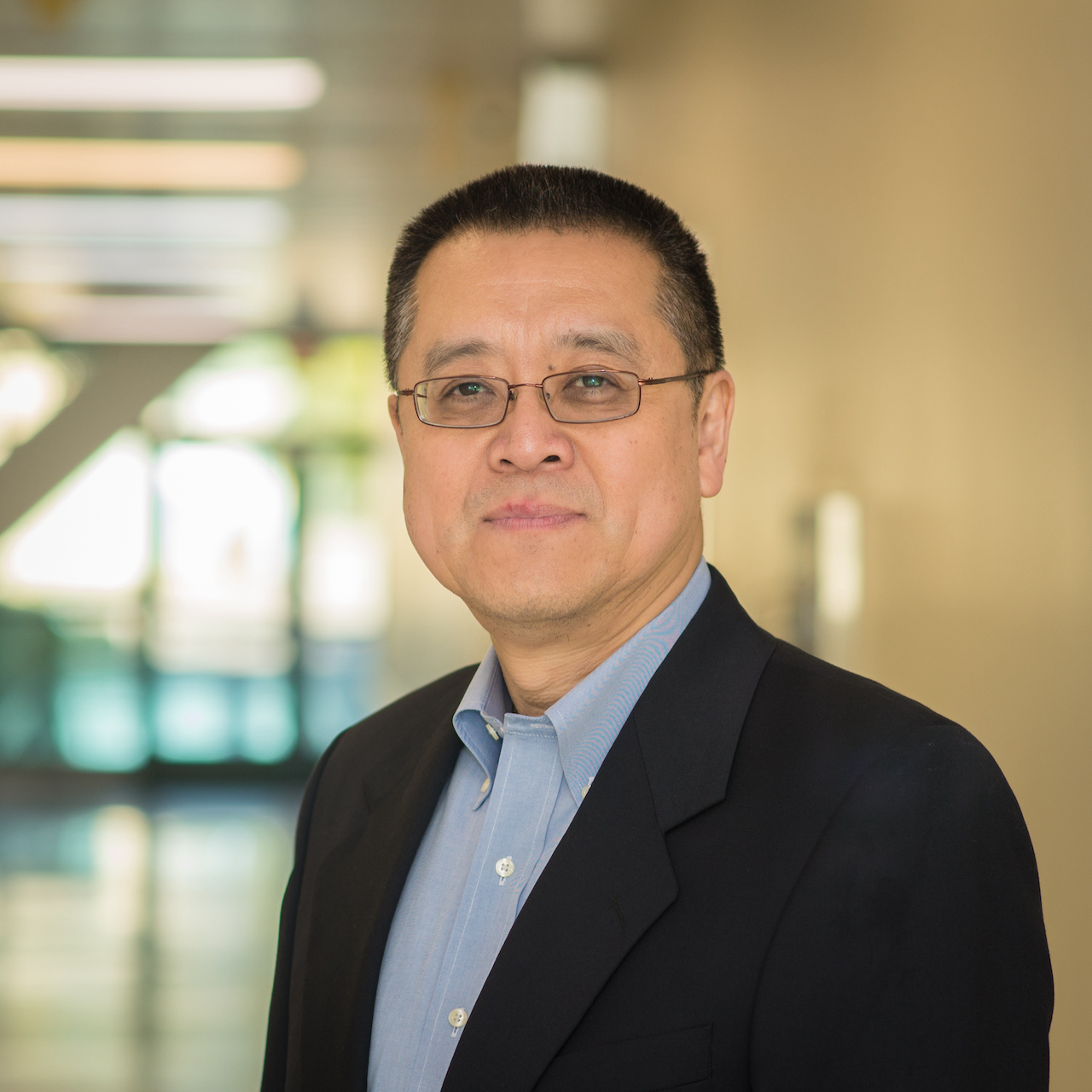
Co-founder and general manager Tao He described the origin plainly in a 2024 interview. Some biologics clients, he said, were reaching the stage before an investigational new drug filing without having their development and manufacturing needs fully met. In some cases, testing failed. JOINN Biologics began in 2018 to join work that was too often handed from one specialist to another: preclinical studies, chemistry and manufacturing controls, and actual production.
This makes for an unusual opening pitch. JOINN does not own a marketed drug. It sells the expertise and equipment a drug developer may need but cannot justify building inside its own walls. The buyer is usually a biotech company with a promising antibody or other protein and a narrow runway. University spinouts are another fit. Bigger companies can buy narrower analytical or process projects.
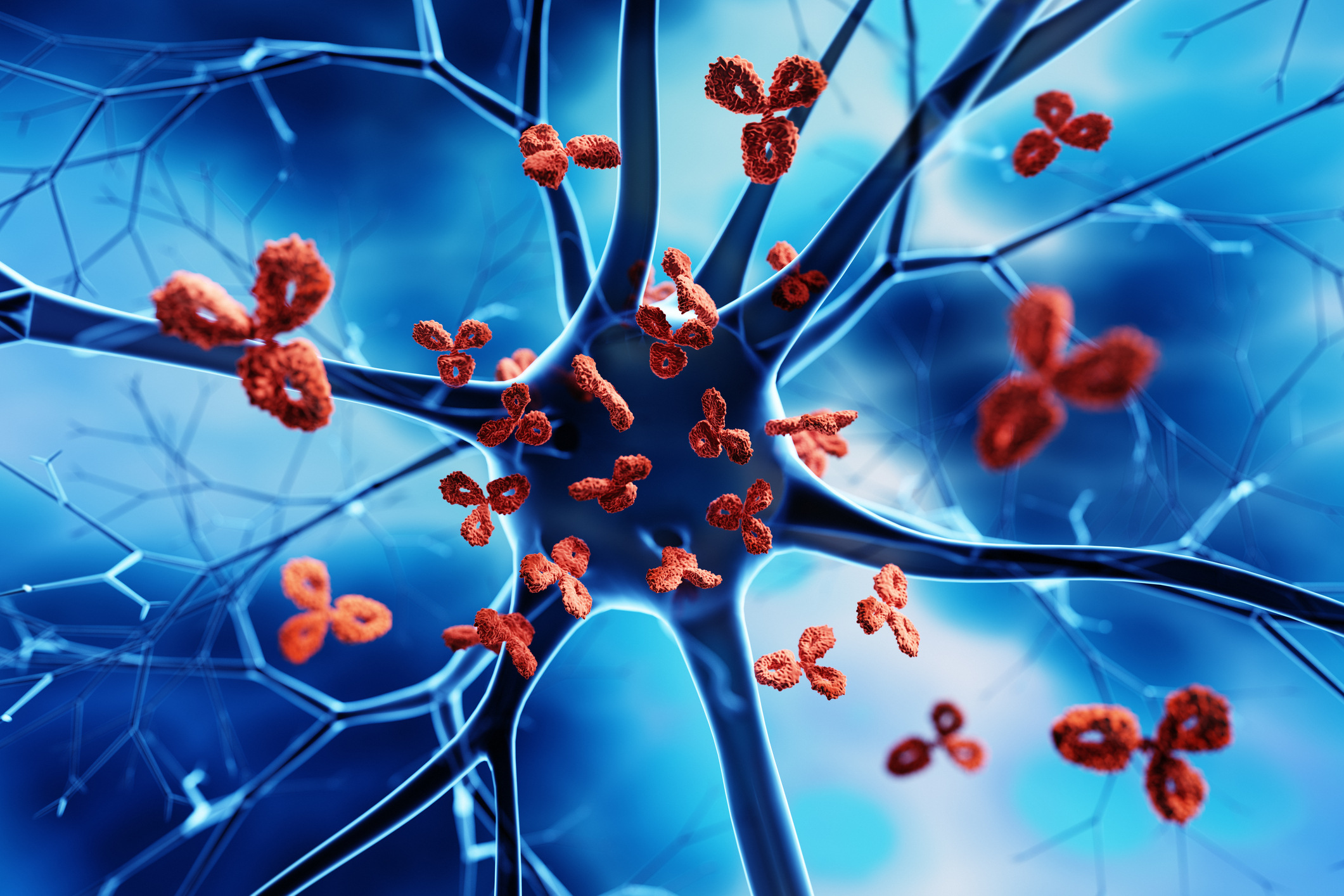
The basic work is a sequence, and the sequence matters. JOINN can produce non-GMP research material, assess whether a lead molecule is likely to behave as a drug, develop a productive cell line, design the upstream culture and downstream purification process, build assays, refine a formulation, and make clinical material under current good manufacturing practice. Its relationship with sister company JOINN Laboratories adds preclinical and toxicology services. Clients can purchase a linked program or a piece of it.
The most useful answer may be no
JOINN's developability assessment asks whether a lead candidate has qualities that will become trouble later. Its published menu includes aggregation, thermal stability, charge differences, glycosylation, purity, binding, viscosity and behavior under accelerated storage. This is the laboratory version of checking a bridge before inviting trucks across it. A molecule that performs in one assay can still clump, degrade or become difficult to formulate at a useful concentration.
A company poster offers a small, revealing example. The team ranked antibody-producing cell pools, purified samples and tested them. One pool showed much higher aggregation and poor charge distribution, with an unexpected band in a protein assay. It was removed from further development. No patient outcome can be inferred from that poster. The practical outcome is enough: they spent analytical effort while the program could still choose another pool.
“We noticed that, for some clients, especially in the biologics sphere, were not having their development and manufacturing needs fully met.”Tao He, co-founder and general manager, 2024
The same logic reaches the cell line. JOINN lists both its proprietary JOINN-CHO platform and MilliporeSigma's CHOZN system. Its account of clone selection combines high-throughput imaging, single-cell printing, productivity screens and early product analysis. The highest-yielding clone is not automatically the best one if the protein it makes has the wrong characteristics. That sounds obvious when written down. In a company racing a financing clock, it is easy to forget.
Two countries, two different kinds of scale
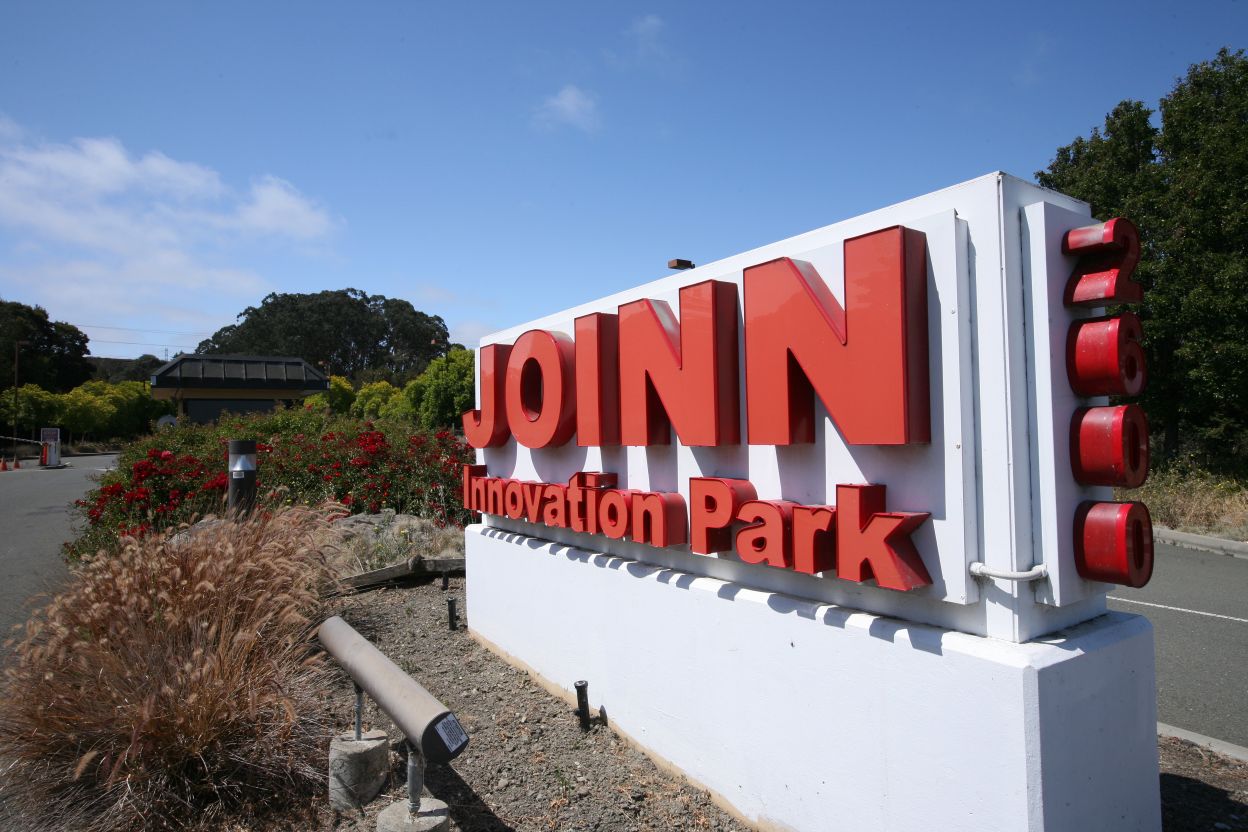
JOINN's geography has a purpose. He says US operations launched first to serve innovative companies nearby, with an emphasis on IND-enabling work and Phase I and II material. Its Richmond rooms combine single-use bioreactors up to 500 liters with stainless steel equipment up to 1,000 liters. The company's site also names Sacramento facilities. Later-stage and commercial-scale work can draw on Chinese manufacturing operations, where cost and volume become more pressing. A 2026 partner release describes 15 two-thousand-liter single-use bioreactors at the Beijing facility and a modular suite in Guangzhou.
That split is a competitive position, not a magic trick. A small biotech may prize local meetings and a flexible early development team. If its candidate survives, its economics may demand much more capacity. JOINN's pitch is that both stages can sit within a connected organization. He has also said the company took on projects transferred from other CDMOs when clients sought a better result, and that unusual fusion proteins, bispecific antibodies and viral-like particles benefit from processes that can be adjusted to the molecule. Those are company claims, but they show the customer it wants: the one whose project does not fit a standard recipe.
A biosimilar gives the model a deadline
In June 2026, Swedish developer Xbrane Biopharma and JOINN announced a partnership around Xdarzane, a proposed biosimilar to the cancer medicine Darzalex. The immediate assignment was specific. JOINN would do more pilot-scale process development, demonstrate analytical similarity to the reference product and pursue a commercially viable process yield. Xbrane would lead global licensing efforts. Later steps, if the program advances, include scale-up, clinical development, filings and commercial manufacturing.
The financing structure is as interesting as the science. Xbrane said the arrangement allowed it to move the program forward without additional direct development investment from Xbrane at that stage. Neither company published the full contract price or a guaranteed outcome. The agreement shows how a CDMO can become a development partner with work tied to the next proof point, not merely a factory booked for a future batch.
There is a limit to what the case proves. A signed partnership is not an approved biosimilar, and analytical similarity at pilot scale is one step in a longer regulatory and manufacturing path. But it makes JOINN's services legible. “Flexible solutions” becomes a task list: improve yield, measure similarity, then see whether the process deserves to grow.
What a buyer should borrow
The useful idea here extends beyond JOINN. Before reserving large-scale capacity, ask for a joined-up plan covering molecule liabilities, cell line selection, process yield, analytical methods, formulation and toxicology. Decide which result would stop the project or force a redesign. Then make sure the handoffs between the lab, the manufacturing team and the regulatory writers are explicit. A contract can buy capacity; it cannot make a poor molecule stable or a weak assay convincing.
JOINN is one option among biologics CDMOs, and price is impossible to compare from public material: its fees are negotiated by project. Its strongest fit, by its own description, is a smaller team with a complex protein and a need for both scientific judgment and clinical supply. The company sells a route through uncertainty. The most valuable moment on that route may be the point when someone says, early enough to matter, that the first candidate should not go any further.