The employee-benefits company had something to sell and no easy way to collect. Card-processing applications kept coming back rejected. In the case Occams Advisory tells, the obstacle was a high-risk classification. Growth had run into the decidedly unglamorous business of getting paid.
EquiPay, Occams’ payments platform, began with e-checks. That created a processing history; three months later, the company says, the client obtained ACH approval. The lesson is pleasantly mechanical: first make a workable route, then build the evidence needed for a better one.
- Occams connects business advice, financial operations, tax and transactions.
- Ongoing work can sit inside a monthly subscription; individual mandates remain available.
- The proposition is fewer handoffs for founders. The test is accountable execution.
First, get the money moving
Occams reports that the benefits business grew fourfold during four years of working with EquiPay. That is an anonymized, company-published result, not proof that a payments platform caused the growth. The revealing detail is the order of operations. Repeated applications had failed. A controlled operating record gave the next application something different to show.
An Occams-published case, not a universal approval timeline.
“Gave us access when the market shut us out,” the unnamed client’s chief operating officer says in the case study. Occams’ role extended into compliance oversight and technology upgrades. A payment problem had become an ongoing operating relationship.
EquiPay itself connects banks, gateways and fraud vendors through a merchant interface. This is where Occams sits within fintech: close to the plumbing, helping businesses manage acceptance, routing and risk. A checkout button can look wonderfully simple from the customer’s side.
The founder becomes the switchboard
Occams’ larger argument concerns another kind of blockage. A business owner can have competent advisers and still spend an unreasonable amount of time connecting them. The accountant needs a decision from finance. Finance needs a forecast from operations. A prospective buyer eventually needs everybody’s numbers to agree.
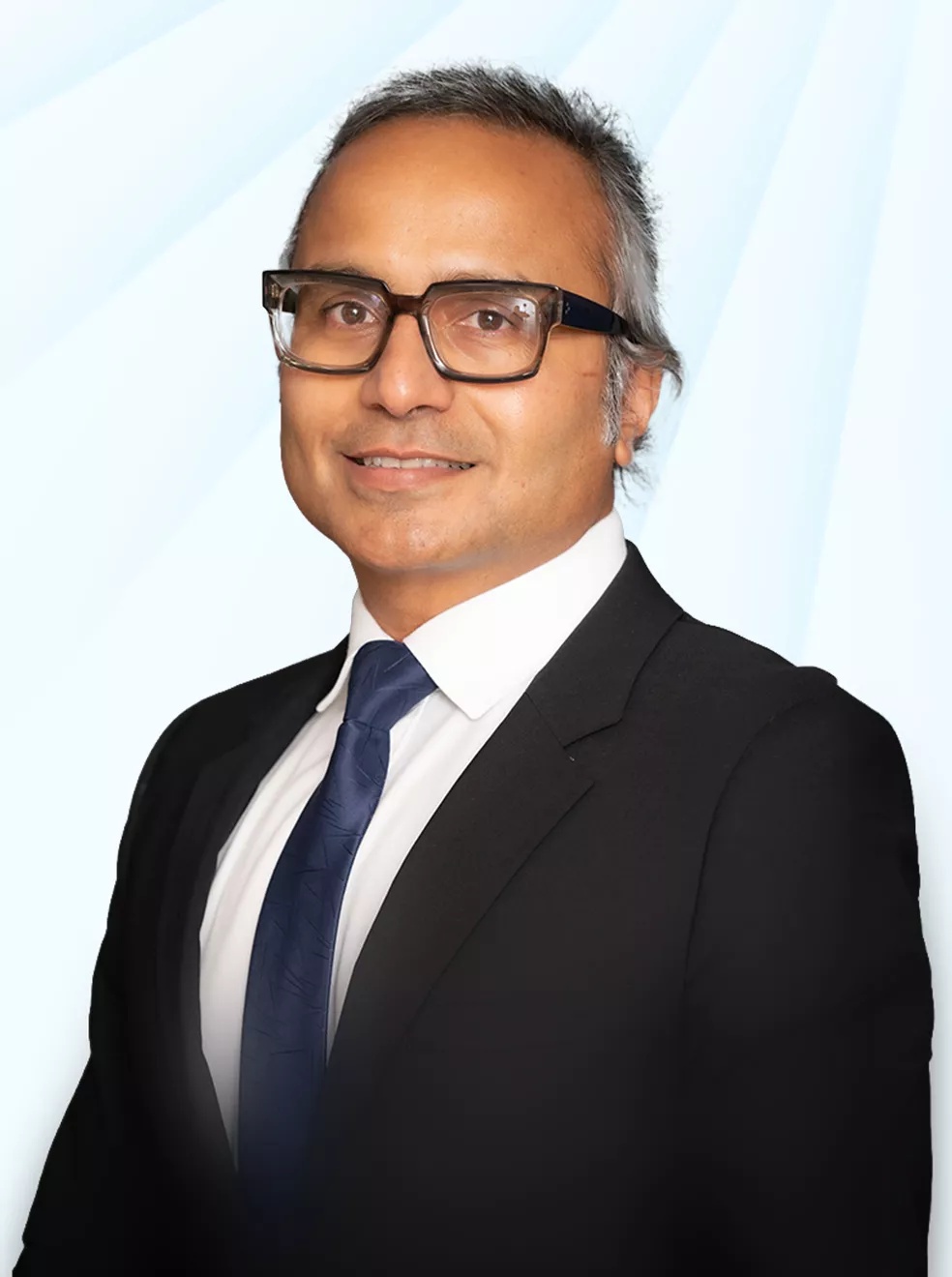
Founder Anupam Satyasheel came from Wall Street, with experience at Barclays, Merrill Lynch and Scotiabank. Occams dates its establishment to 2012. Its present homepage targets operators of businesses with $10 million to $500 million in revenue, a broad middle-market audience rather than one narrow industry.
The firm’s strategy practice covers questions such as succession, pricing and capital structure. Its operations work covers entity design, accounting and reporting. Its capital-markets practice handles fundraising and acquisitions. A client can enter through one problem without buying the entire menu.
The comparison is with an assembled team: a regional accounting firm, a fractional CFO, a boutique investment banker and specialist vendors. Occams puts several disciplines under one relationship. Whether that is better depends on the work and the people assigned. A shared company name alone cannot coordinate a decision.
A shared company name alone cannot coordinate a decision.
Put a price on continuity
Occams OS formalizes the continuing relationship as a subscription, with a named lead and increasing involvement as a business becomes more complex. The published ladder begins with Start and rises through Build, Operate, Grow and Scale; Enterprise is custom priced.
Enterprise: custom. Final scope and price are confirmed in conversation. Episodic mandates carry separate economics.
At the entry tier, the firm describes foundational books and compliance work with quarterly strategic counsel. Higher stages deepen financial controls, reporting and capital preparation. The useful distinction is between maintaining readiness and running an actual transaction. A subscription does not make every future deal free.
The capital-raising practice describes retainers plus success fees. Recovery work may use fixed or contingency arrangements. Occams also says a subscription that fails to deliver the agreed scope by day 90 can end without penalty. Buyers should define that scope before the first invoice: named deliverables make a promise assessable.
The advice acquired some hands
In January 2023, Occams announced an agreement to acquire Toronto-based MineCodes, which provided technology-based knowledge and quality services. Terms were confidential. The stated rationale was stronger middle-office capabilities. For a firm selling joined-up advice, technical delivery adds a practical answer to the question of who will do the building.
The same instinct appears in digital advisory. Occams examines the quality of online revenue, including channel concentration, retention and acquisition economics. That connects marketing performance to questions a buyer might ask during diligence. A growth chart becomes more useful when somebody can explain what sustains it.
Tax work supplies another entry point. The firm offers R&D credit studies, including technical narratives and expenditure documentation. It also describes resolution and defense work for existing Employee Retention Credit claims. Those are distinct assignments, with eligibility, evidence and scope doing more work than the label “tax savings.”
Learning to choose the right yes
An older interview, republished on Occams’ site, emphasized saying yes to client requests, even for services the firm did not yet offer. Today its engagement process emphasizes diagnosis and willingness to decline a poor fit. Read together, these statements suggest a change in emphasis: expansion needs boundaries as well as appetite.
The company says its LEARN program provides an allowance equal to 3% of salary for continued learning. Inc. lists Occams among its 2025 Best Workplaces and records ten Inc. 5000 appearances through 2026. Those facts describe investment in people and a growth record; neither substitutes for checking the team on a particular mandate.
In July 2026, Occams appointed Robin Green, a former Oracle, FICO and Publicis commercial leader, as chief revenue officer. His remit includes subscriptions and applied intelligence alongside advisory, tax and investment banking. The commercial task is to make a broad firm legible to a buyer with one immediate problem.
There is something useful to copy here even without becoming a client: separate recurring work from occasional transactions, and give someone responsibility for the connections. A business needing one discrete specialist task may have little reason to buy a monthly relationship. For the founder already acting as everybody’s switchboard, the question is sharper: who will own the next handoff?