Dave Paul had a problem that sounds, at first, like success. His business was selling more. Marketing Concepts, his Denver company representing a wheelchair cushion manufacturer, was handling larger payments. But its approved transaction limit was $5,000. When bigger sales arrived, deposits could be delayed. The sale had happened. The money was another matter.
- Sekure matches small businesses with payment processing, equipment, and support.
- Its starting point is often the merchant statement: what are you actually paying?
- The right deal depends on transaction size, payment method, and how your business operates.
In Sekure’s published account, it helped raise Paul’s limit to $35,000. That small adjustment in the machinery of commerce captures what the company offers. A payment arrangement has settings, assumptions, and people behind it. Someone has to check whether they still fit.
The business behind the beep
Sekure Payment Experts occupies the space between a merchant and the companies that move money. It explicitly describes itself as separate from a direct credit card processor. Its work includes reviewing processing statements, negotiating arrangements, matching hardware and software, and helping merchants through setup and support.
The distinction matters. A reader can look perfectly serviceable while the arrangement behind it deserves a rethink. A retailer may need inventory tools. A healthcare practice may need remote payments. A restaurant may care about portable checkout. Sekure’s proposition is to understand those needs before assembling the payment setup.
Its own history dates the business to November 2008, when four partners founded it. Today it says more than 35,000 businesses trust its services. That figure is a company claim, but it identifies the scale of its intended role: a payments specialist shared across thousands of businesses that would rarely hire one themselves.
The bill is the beginning
Consider Clio Computers in central Michigan. Owners Paul and Patty Lee had served their community since 2001. In a case study published by Sekure in June 2024, Patty described saving at least $300 a month after switching. Multiply that by twelve and the unglamorous processing bill becomes $3,600 a year.
“$300 per month, at least.”
Patty Lee / Clio Computers / company-published case study
This is a customer testimonial, not a controlled comparison. It does explain the appeal. Small businesses have expenses they see every day and expenses they learn to tolerate. Processing fees can fall into the second group. Sekure tries to turn that tolerated expense into a question.
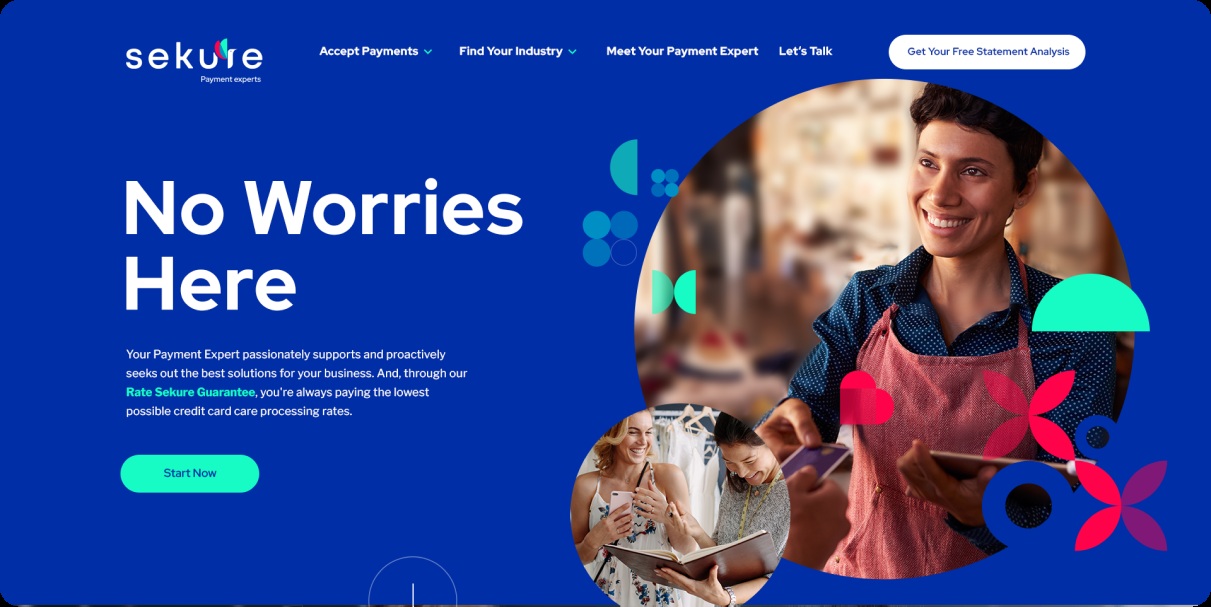
The homepage offers a free statement analysis, promising to identify and label fees within 24 hours. The merchant brings an existing bill. Sekure looks for a different arrangement. That is a practical starting point because it makes the conversation about actual charges rather than the attractiveness of a headline rate.
Clio Computers’ reported experience. Individual results vary.
Three prices, three different bargains
Sekure’s pricing menu makes the choices visible. Simplified Flat Rate prioritizes a consistent transaction rate. Interchange Plus separates underlying interchange from the provider’s markup, making the components easier to inspect. Custom pricing adds a tailored option for businesses whose requirements deserve a closer look.
Predictability and a detailed cost breakdown answer different questions. The sensible comparison uses your transaction volume, typical sale, card mix, and payment channels. A plan that looks appealing on a sample transaction may look different across the month. The full quote does more work than the slogan.
Then there is Edge Plus, marketed as zero-fee processing with monthly cashback. Sekure describes a cash-discount mechanism: customers see a cash price and a standard card price. The company currently advertises no monthly or annual program fees and hardware without rental fees. Those promises belong in the written merchant agreement.
The economic question is who bears the cost. Different cash and card prices can reduce the merchant’s processing burden, while changing the price customers face. That makes customer expectations part of the decision. A business unwilling to introduce that distinction has a reason to examine another plan.
A relationship with moving parts
Sekure’s equipment offering spans countertop terminals, mobile readers, tablet systems, and virtual terminals. It also lists online payments, invoicing, ACH, and recurring billing. The useful feature is the fit: a remote seller needs a different checkout from a shop with a queue.
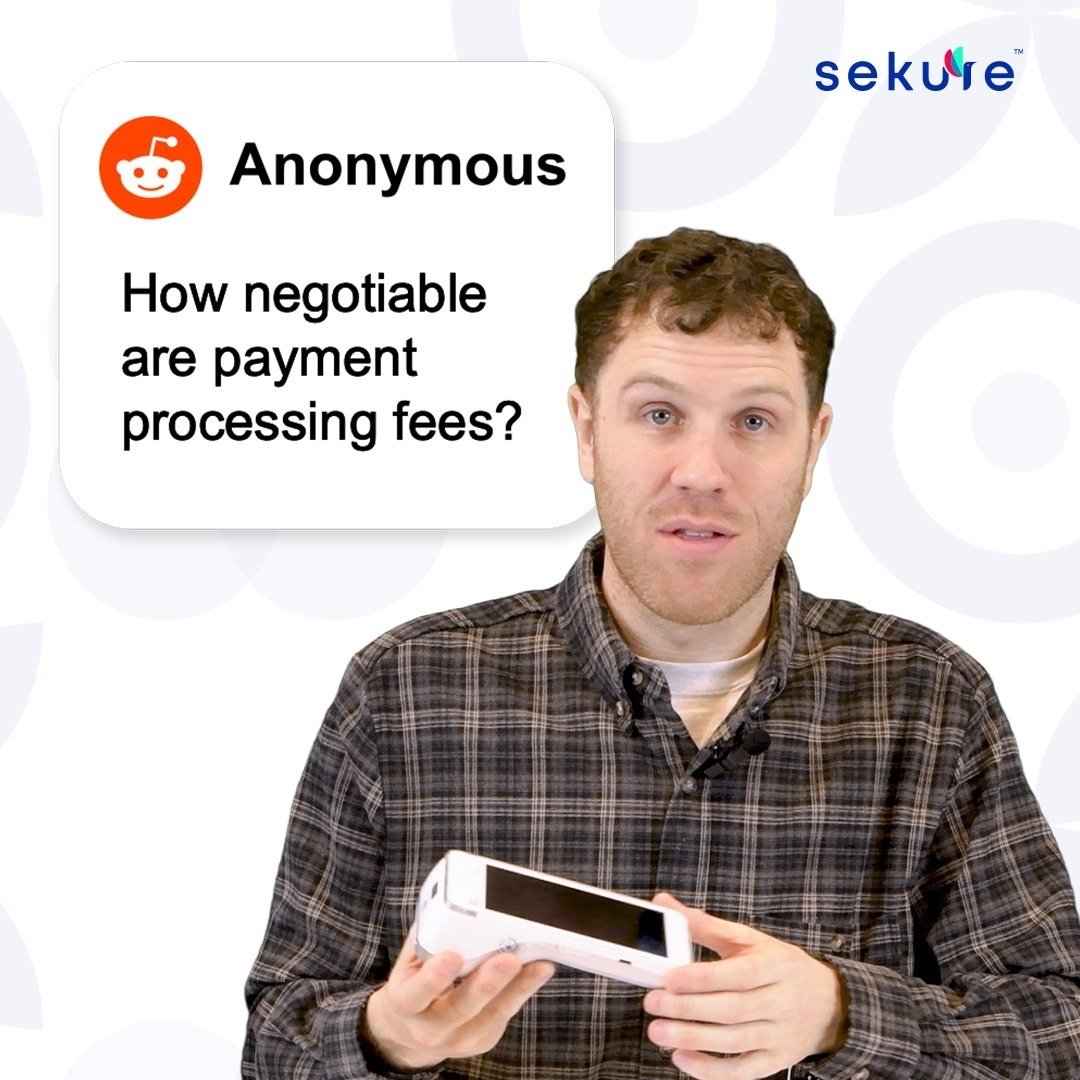
The company says its Payment Experts hold ETA Certified Payment Professional credentials. Its support pitch extends into troubleshooting, fraud prevention, chargeback assistance, and PCI compliance. These services address the awkward period after installation, when a business discovers whether its new system works with its actual routines.
Commercially, this is a merchant-services intermediary with continuing account relationships. Its partner referral program advertises upfront payments and monthly residuals. Recurring economics help explain why onboarding is only the beginning. Merchants should still ask which processor supplies the service, what the complete agreement costs, and what happens when they leave.
Why the hummingbird showed up
In August 2022, Sekure Merchant Solutions became Sekure Payment Experts. The rebrand, developed with eDesign Interactive, put advice and human relationships into the name. A hummingbird became its visual symbol of optimism and relief from payment worries. A surprisingly delicate mascot for a business concerned with statements.
Against alternatives such as a self-serve payment platform or a bank merchant account, Sekure emphasizes help choosing and managing the arrangement. That can appeal to an owner juggling equipment, software, and an opaque bill. Someone already satisfied with a simple setup may have less reason to add an intermediary.
The transferable habit is straightforward: read the statement, check the limits, and compare the whole arrangement against how the business operates today. Paul’s growing sales exposed an old assumption in his account. For another merchant, the overlooked detail may be sitting quietly in next month’s bill.
Keep following the money
Visit Sekure ↗ · Explore payment plans ↗ · Company blog ↗
LinkedIn · X · Facebook · Instagram
Watch / practical explainers