The hotel was not for sale. That was an inconvenient detail for Paresh Kumar Patel, who wanted to buy it. He kept approaching the owner of Alameda’s Coral Reef Inn anyway. In Oasis Enterprise’s telling, a year of repeated offers eventually produced signed papers. Then came the harder assignment: running the place. Persistence had opened a door; operations would determine whether he could stay inside.
That distinction runs through Oasis Enterprise, the Oakland hospitality company Patel founded in 2002. Its specialties include hotel management, development and real estate acquisition. Around that commercial core sits an unusually broad set of interests: entrepreneurship, small-scale lending, filmmaking and community support. The connection is Patel’s belief that a functioning business can help someone else get started.
- Hospitality provides the commercial base and the operating experience.
- TC Fund presents loans and early capital as tools for local opportunity.
- Films, mentoring and community support extend the founder’s pay-it-forward idea.
First, learn every job
Patel, known as PK, did not arrive in hospitality through an investment committee. In his 2017 TEDx talk, he described being trafficked as a teenager, escaping and finding hotel work. Housekeeping and maintenance gave him a way to support himself. They also introduced him to the daily mechanics of a business he would later want to own.
There is a useful difference between admiring a hotel and knowing what happens when a room needs cleaning. Patel’s account starts with the latter. He described repeated rejection and a determination to acquire a property despite having little financial footing. The published TEDx introduction identifies him as a former housekeeping worker who became Oasis Enterprise’s founder and chief executive.
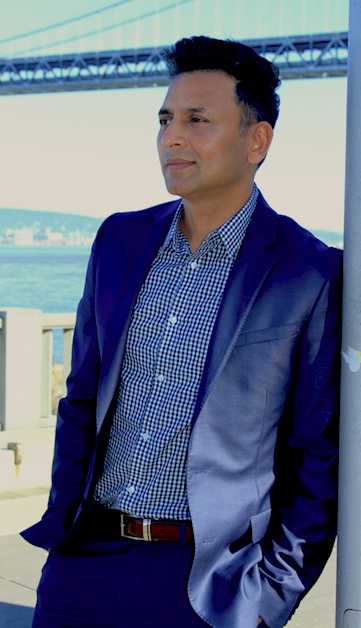
His company biography presents hands-on hospitality work as his education. It describes a portfolio that crosses real estate, investment and creative work, while returning to the same ambition: creating opportunities for people trying to improve their circumstances. Read together, the biography and his talk explain why the company’s language keeps coming back to access. For Patel, getting a chance is a concrete event with consequences.
The financing had to fit the building
At Washington Inn in downtown Oakland, the company recounts a different obstacle. Following the 2008 recession, the property was in arrears. Patel devised a payment arrangement involving the county and bank, bringing investors into a solution. According to Oasis, he later offered the solvent business back to the family owners. They declined and asked him to pay the help forward.
The detail worth borrowing is the willingness to work on the transaction itself. A distressed property requires a financing structure that its participants can live with. Here, Oasis describes a solution shaped around the existing obligations and people. The lesson is practical: understand the constraint before deciding what kind of capital will solve it.
“True opportunity is crafted, nurtured and created.”
PK · Oasis Enterprise biography

A sewing machine belongs in this story
Oasis’s TC Fund page brings that interest in access down to the scale of individual livelihoods. It describes support for entrepreneurs in developing countries through angel and seed investment, loans and business development, including lending without collateral. The stated purpose is to keep commercial activity and its benefits in the communities where entrepreneurs already live.
Its examples are refreshingly specific. Savri, a seamstress in Tajikistan, needed a newer sewing machine. Firuz, a medical student from a farming family, needed help continuing his studies. Abbass wanted to renew his cafe and buy supplies. Another featured business, Organic Beauty Cafe, sought an expanded location that could combine treatments, products and training.
These are different problems with different clocks. Tuition follows an academic calendar; a machine can affect the next week’s work. The company’s examples suggest a view of opportunity that begins with the recipient’s immediate use for money. Readers can copy that question before copying any financing model: what, exactly, will this purchase let someone do?
Patel’s public LinkedIn posts continue this emphasis on tangible needs. He describes support for a tailor in El Salvador, a tricycle driver in the Philippines and a mosaic maker in Jordan. Each story identifies something useful to buy. These are the founder’s accounts of support, and the specificity is what makes them instructive: a spare part and an artist’s materials can both matter to a household economy.
The accelerator has an operator’s deadline
Oasis Innovators proposes an Express Incubation Process, taking ideas from concept to market in 90 to 120 days. The offer combines infrastructure, seed support and access to experienced entrepreneurs. The program page describes an initial launch in forward-looking terms. The timetable is best read as the proposed format, rather than a measured result for completed companies.
For a prospective founder, the attraction is the combination. Money pays for a task; mentoring can help decide whether the task deserves doing. A short deadline can make a team choose a narrow first product. Its usefulness depends on what must be built: a service that can be tested quickly has a different path from a development requiring permits or substantial construction. The clock needs to fit the work.
Hospitality, with a wider audience
PK Films carries the idea into storytelling. Its page describes support for narrative and documentary projects in the United States and abroad, alongside marketing and promotional production for technology businesses and nonprofits. Displayed examples include interview excerpts, an AAHOA documentary excerpt and an India Community Center promotional piece. The company’s broader film ambition includes stories about the immigrant experience.
Helping Hands, meanwhile, describes educational programs, financial support and grants. Its page directs visitors toward organizations including UNICEF and Everyone Deserves A Roof while describing a donation platform in development. This gives someone drawn to the company’s social purpose a straightforward action: support an established organization directly, including through volunteering.
Oasis fits between several familiar categories: a hotel operator for guests and property interests, an entrepreneurial backer for people seeking an opening, and a production resource for organizations with stories to tell. The alternatives depend on the job: hotel managers, lenders, incubators or video producers. What ties Oasis together is a founder carrying experience from one setting into another. The useful question is always the same: who needs a way in, and what would make that first step possible?