A repair shop has an awkward second fleet: the computers used to repair the first one. FleetPride, the heavy-duty parts and service business, had more than 350 diagnostic computers to keep working. Each needed attention. Software had to be updated. Adapters needed firmware. A technician waiting on a download was still on the clock, but the truck was not getting repaired.
That small reversal is a useful way into Noregon. The company sells software that reads commercial vehicles, but its business extends to the things that make a reading useful: instructions, specialist help, working hardware and a record of what happened. The interesting unit is the interruption. How many can a shop remove before a vehicle leaves the bay?
- JPRO reads the vehicle. Guided troubleshooting and supported tests help technicians investigate the fault.
- The surrounding products handle the next jobs. Repair guides, remote mechanics, fleet monitoring and shop paperwork.
- The purchase has conditions. Hardware, coverage and recurring subscriptions belong in the calculation.
The computer is in the repair queue, too
FleetPride’s published customer account describes the practical result of outsourcing diagnostic-tool management: automatic updates, monthly reporting and training informed by the faults its shops encountered. Those reports can tell managers which tools are being used and where technician knowledge needs attention. The diagnostic computer becomes something the business can manage deliberately.
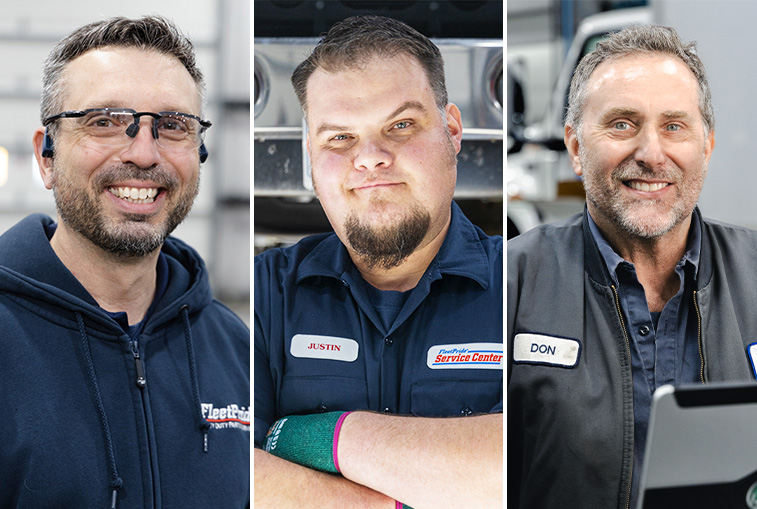
“Our ROI was almost immediate,” says Chris Michael, FleetPride’s senior manager of service operations, in Noregon’s case study. Treat that as a customer’s assessment, rather than a universal payback period. The account makes the mechanism plausible: less tool administration leaves more time for repairs. A shop can test that proposition against its own hours without borrowing anybody else’s enthusiasm.
A code is a clue, with expensive manners
A fault code tells a technician where to begin asking questions. It does not necessarily identify the part to buy. Replacing something on the strength of a code alone can produce a beautifully documented mistake. The useful work happens between the warning and the decision: examining readings, checking wiring, testing a component and understanding what else is happening in the vehicle.
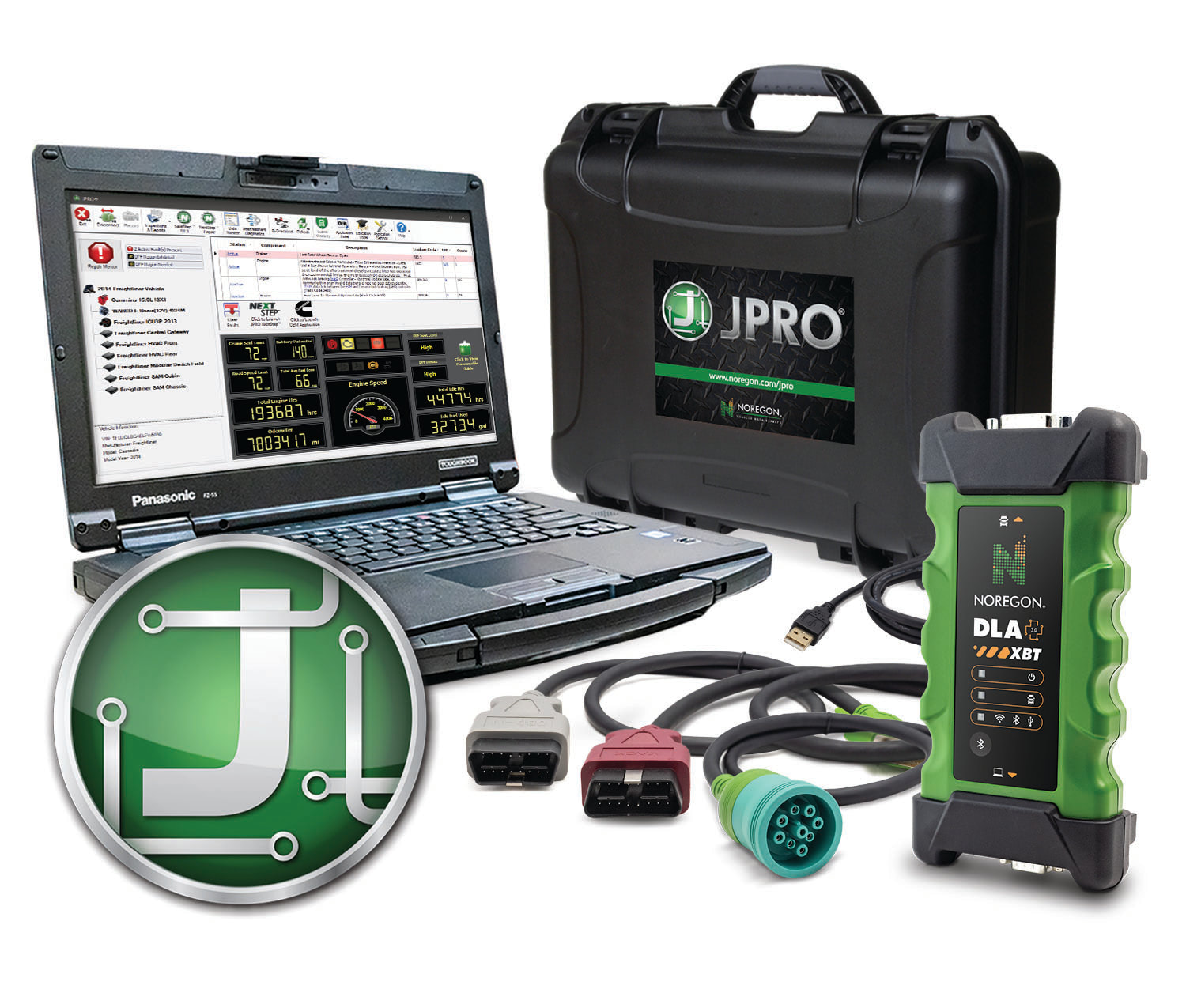
Noregon’s main diagnostic product, JPRO, brings commercial-vehicle systems into one application. The intended audience includes fleets with mixed equipment, independent repair businesses and dealerships. It combines fault information with troubleshooting guidance and supports bi-directional tests: commands that let a technician exercise a component, rather than simply observe what it reports.
NextStep Repair handles a related but distinct job. It supplies repair procedures, component information and safety instructions. Knowing why something is wrong and knowing how to remove and reinstall it are separate forms of expertise. Linking the diagnostic result to a procedure can reduce the time spent searching for the right instructions.
Each handoff is another opportunity to lose time.
This is a competitive market. Jaltest CV and TEXA’s truck diagnostic software also offer multi-brand diagnostics and technical guidance. Noregon’s case rests on how its applications and support fit together. For a buyer, a feature count is only a preliminary conversation. The useful comparison is the work each system supports on the vehicles that actually arrive.
The person at the other end
Van Cleef Auto Parts in Waverly, Virginia, offers another version of the problem. In its Noregon customer account, the shop describes an aging diagnostic tool and trouble getting help. Being advised to contact a dealer was an unsatisfying answer for a business trying to complete the repair itself. Support became part of the buying decision.
Noregon’s Technician as a Service supplies remote assistance from experienced mechanics. It is a sensible proposition for an independent shop that sees enough unfamiliar jobs to need help, but cannot keep every specialist on staff. The person in the bay still performs the work. The remote expert contributes another set of eyes and a route through the problem.
“Diesel technicians are meant to fix vehicles not their tools.”Tim Bigwood, identified as Noregon COO in its rugged-device case study
The physical tool matters as well. Noregon’s rugged-device account says ordinary business laptops were unsuitable for demanding shop environments; it chose Panasonic Toughbooks. Software designed for a service bay must survive contact with the service bay. A spilled liquid does not care how elegant the interface is.
Follow the truck beyond the bay
TripVision moves vehicle-health information into the fleet operation. Remote diagnostics can help a manager distinguish a developing concern from something requiring attention now. Noregon distributes it through telematics providers, placing maintenance information alongside the systems fleets already use. The available integration and price depend on that provider.
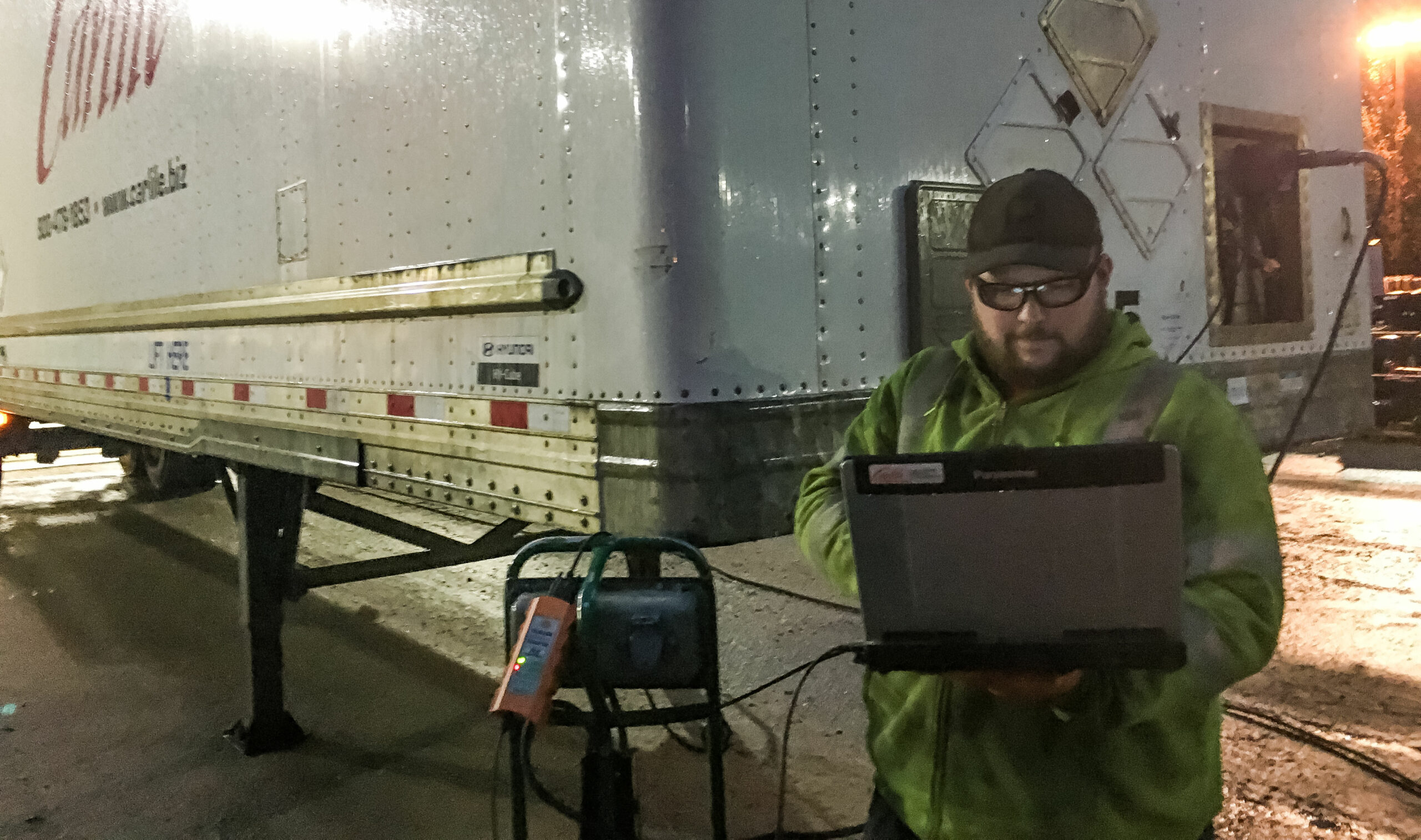
The repair shop has its own surrounding work. ShopPulse, released in 2025, covers work orders, inventory, labor and invoices. Importing a JPRO scan can carry vehicle details and fault information into the work order. Its QuickBooks Online integration addresses accounting. This is the unglamorous territory where the same information otherwise gets entered twice.
Truck Check Up adds electronic emissions inspection submissions for California’s Clean Truck Check program. In July 2026, Noregon launched CAN Mentor for guided vehicle-network diagnostics. An August partnership with MOTOR added access to parts cross-reference intelligence. Together, the products follow adjacent jobs: investigate the fault, arrange the repair, identify parts and keep the records.
The invoice for fewer interruptions
The listed JPRO annual software package costs $2,995, excluding hardware. ShopPulse is listed at $2,500 annually. CAN Mentor costs $250 for software or $995 bundled with its required adapter kit. These October 2026 advertised prices describe different purchases; adding the numbers together would not describe a standard package or every shop’s needs.
Listed annual JPRO software package.
Computer, adapter and cables excluded.
Advertised price checked October 2, 2026.
JPRO requires a compatible Windows computer, a Noregon adapter, appropriate cables and an active subscription. The recurring cost matters because continued use requires renewal. Supported tests also vary by vehicle and component. A tool’s ability to connect is not a promise that it can perform every manufacturer-specific procedure.
A buyer can start with last month’s work: count time spent updating diagnostic computers, looking for repair information and repeating unsuccessful repairs. Then check the proposed tool against those jobs. Estimate the labor it could release, deduct its full cost and ask whether the shop has enough work to use the recovered time. Idle capacity does not automatically become revenue.
Teach the next person to ask better questions
Noregon began in 1993 with custom development for truck manufacturers; JPRO followed as a commercial product in 2007. Hearst announced an agreement to acquire 80% of the company in 2021. That history helps explain its position: a vehicle-data business selling to the people responsible for commercial equipment’s working life.
Its Education Program supplies free software and certification access to participating technical schools, with discounted hardware and scholarships. The program page names more than 150 colleges and trade schools. There is a commercial logic here too: students who learn a tool may later want it in the shop. Education and customer acquisition can occupy the same classroom.
The lesson is portable. An operating problem often survives because responsibility passes between people: the vehicle reports, the technician investigates, the specialist advises, the manager approves. Noregon sells help at those crossings. For the customer, the measure is straightforward: can the next person do the next job with less waiting?