Before Nicole Rodrigues had an office, she had the Montage in Beverly Hills. She would turn up there while building NRPR Group and wonder whether she had made a terrible mistake. Would there ever be employees? A proper workplace? Was she qualified to start a company at all? For someone whose profession involved helping other people look credible, it was an awkward private question.
She had already spent more than a decade in public relations. There had been enterprise software, professional football, mobile television and digital entertainment. She knew how to prepare a client for attention. Preparing herself for the peculiar exposure of owning the business took something else. A hotel could provide an address for the afternoon. It could offer little reassurance about payroll.
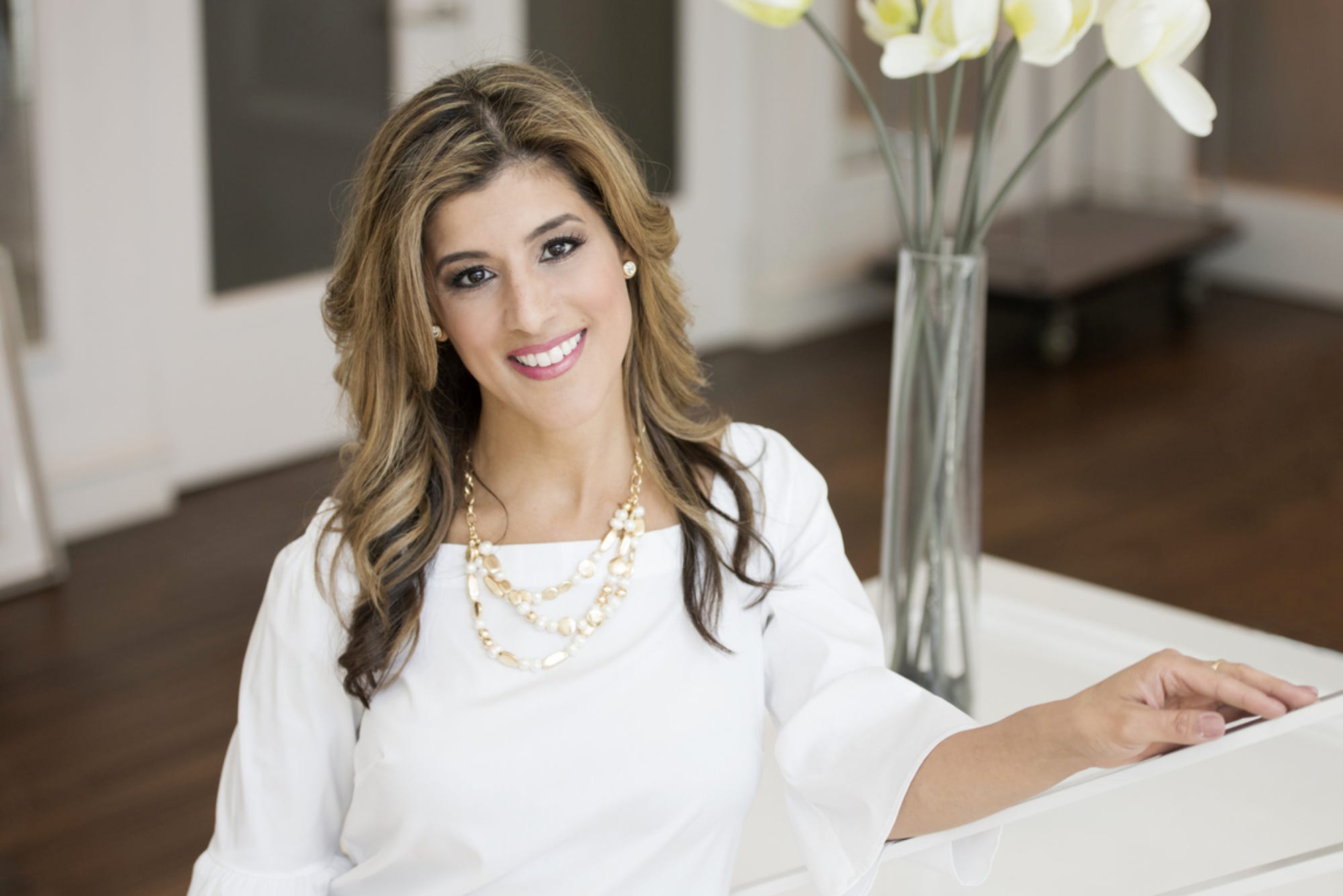
Today, Rodrigues is the founder and CEO of NRPR Group, the Beverly Hills communications agency she launched in 2014. She has also written Beverly Hills Boss, created educational shows and opened a men’s grooming business. Yet that early hotel memory explains more than the job titles. Her career keeps returning to a practical question: what must happen behind the scenes before a confident public appearance becomes believable?
The campaign before the career
Rodrigues grew up in Fremont, California, the oldest of nine children. She earned scholarships, held three jobs during college and became the first person in her family to graduate from college. At San Jose State University, she studied public relations. A journalism professor encouraged her to explore the subject, and she recognized a profession that brought together her interests in writing, events and public perception.
She had already been trying out part of the job without knowing its name. Running for office in high school meant assembling a campaign, persuading classmates and finding language that made people care. The audience was smaller than the ones she would eventually work to reach. The basic problem was familiar: give somebody a reason to pay attention.
A babysitting job supplied a consequential connection. Christina Dort, whose children Rodrigues looked after, worked in corporate communications at Cisco. Dort became her first mentor and brought her into Silicon Valley during her junior year of college. At Portal Software, Rodrigues learned to make enterprise technology intelligible and interesting. An unglamorous product description could become a useful story, provided someone did the thinking first.
Three college jobs. One PR degree. A mentor who opened the door to Silicon Valley.
Software, shoulder pads, streaming
Her next education included the Oakland Raiders. Rodrigues pursued an internship with the team, worked on player development campaigns and publicity projects, and also cheered as a Raiderette. Football gave her experience in consumer, sports and entertainment communications alongside her technology background. The résumé acquired an unusual range: she understood both an enterprise software brief and the business of a stadium full of people.
The distinction matters because a technology company often needs help explaining why a technical achievement should mean anything outside its own office. Entertainment asks a related question with a different clock running. Something must catch an audience’s interest, and quickly. Rodrigues moved between those settings rather than building her entire career around one kind of client.
She became PR manager at MOBITV, senior PR manager at Voce Communications and director of consumer marketing at Demand Media. At Bender/Helper Impact, she served as vice president of digital entertainment. Her campaign experience included brands such as Yahoo!, Dolby, Sony PlayStation and Hulu. These were roles and accounts accumulated before and around the founding of her own firm, rather than a list of companies she had founded.
A company with a rule about the send button
When she left Bender/Helper to establish NRPR, Rodrigues wanted an agency that worked for three constituencies at once: clients, journalists and employees. Each had reasons to be dissatisfied with how PR could operate. A client wanted attention. A journalist wanted a relevant story. An employee needed a workable way to deliver both without improvising every step.
The agency announced its launch on June 4, 2014, offering public relations, social media, digital marketing, and brand and asset development. Rodrigues built the business without investors or partners. Years later, its anniversary announcement still singled out that beginning. Independence was part of the company’s history, with all the responsibility that came attached.
Her answer to the daily work was detailed procedure. Document naming, filing and inbox management all earned a place in her explanation of the craft. She has described clearing her inbox daily and requiring her team to manage theirs. These are modest subjects for someone with a book called Beverly Hills Boss. Apparently the boss still has to find the correct attachment.
The more conspicuous rule concerns pitching. NRPR rejects generic email blasts. Rodrigues wants staff to understand a journalist’s coverage, audience and preferences before making an approach. The argument has survived successive changes in media technology: sending a message is easy; making it worth receiving requires homework.
“We have a no-blast policy.”
Nicole Rodrigues, August 2026
The receipt at the end of the story
Rodrigues has made that case through actual event work as well as advice. NRPR began working with Los Angeles Comic Con’s owner and operator, Comikaze Entertainment, in 2019. The assignment called for an understanding of entertainment and fan culture, plus the mechanics of getting journalists to cover a large gathering. The agency reported more than 700 press attendees and more than 700 pieces of coverage for that year’s event.
Those figures describe the agency’s account of a particular campaign. They also give some shape to a job that can sound maddeningly abstract. Messaging becomes an invitation. An invitation becomes an interview or a visit. The resulting coverage gives people outside the convention a way into the story.
By June 2025, NRPR’s eleven-year announcement named Los Angeles Comic Con, NVISIONx and Trusted Tech Team among its continuing client relationships. For Rodrigues, a business relationship lasting beyond a single announcement is part of the point. The next story has an easier beginning when the people involved already know how to work together.
In an August 2026 interview, she pushed the measurement question further. Had a partner made contact? Had an investor reached out? Had an executive received a speaking invitation? Those were the kinds of consequences she wanted clients to examine. A stack of coverage can look handsome in a presentation. Someone should still ask what happened after it was read.
Back to class, then into the barber’s chair
Owning NRPR did not end Rodrigues’s formal education. She returned to UCLA Anderson School of Management for an MBA, completing it in 2022 while continuing to lead the agency. Going back to school gave an experienced communications executive room to examine the broader work of building a company.
In 2024, another idea became a physical business: The Kingdom, a men’s grooming lounge. She had thought about the concept roughly a decade earlier, with men in her family in mind. Her grandmothers had owned businesses, as had her mother. Entrepreneurship had family precedents long before it became her own occupation.
The second opening benefited from less photogenic lessons learned during the first. Accountants, lawyers, contracts and hiring decisions had all required attention at NRPR. Rodrigues described being better prepared to establish the structure of The Kingdom because she had already made mistakes as an owner. Experience sometimes arrives dressed as a bill you would prefer never to receive again.
Teaching the people who hire the publicist
Her teaching work runs alongside the businesses. PRactical Guide to Publicity, an educational video series she hosts, addresses CEOs and chief marketing officers who hire PR professionals but may have little training in the subject themselves. The series received a Gold Hermes Creative Award and a Silver Stevie Award for Women in Business for Video of the Year.
There is a useful commercial logic to teaching the buyer. An executive who understands the process can ask better questions, prepare better material and set more informed expectations. Rodrigues has also hosted PRfect Pitch and the Beverly Hills Boss YouTube show. Her book extends that instruction into leadership and the experience of taking responsibility for one’s direction.
In 2017, she began Make It Happen, an NRPR community program that developed into Young Dreamers. School visits in Los Angeles and the San Francisco Bay Area focused on goals, personal branding and persistence. The student who had once practiced campaigning at school was returning with a vocabulary for what she had been doing.
A name people recognize in the inbox
Recognition has followed. Her Bulldog awards include a 2017 gold for Public or Media Relations Professional of the Year, a 2018 gold for PR Professional Who Makes a Difference, and a 2022 bronze for Leader of the Year in the PR agency category. In March 2025, she received a USPAACC WISE SHEroes Trailblazer Award in Entrepreneurship and Business Innovation.
Her description of herself is less formal: compassionate, a leader and fired-up. The energy comes with small operating rituals. She has described morning time before email, lists with deadlines, and agency messages that state priorities at the start of the day and accomplishments at its end. The enthusiasm has paperwork.
By 2026, artificial intelligence had supplied a fresh setting for her long-running argument about relationships. Rodrigues pointed to her years of contact with journalist Dean Takahashi as something a generated pitch could not simply inherit. She continued to insist on research and judgment before outreach. The person receiving the message has a history, too.
That brings the story back to the hotel. At the beginning, she was trying to make a business real enough to occupy its own office. Over time, the work became making a name reliable enough that people would open its messages. A logo on the wall mattered. So did the less visible achievement of being expected, welcomed and understood on the other side of the send button.