Your phone is an excellent traveller and a terrible bookkeeper. It can land in another country, find a network and start sending photographs before you have found the baggage carousel. Behind that small convenience, two mobile operators have a commercial relationship to administer. Usage must be recorded, prices applied, discounts reconciled and money collected. A working connection is only the beginning of the paperwork.
Nextgen Clearing lives in that less photogenic part of the trip. The London company supplies the software and specialists that help operators make sense of their roaming business. Its website reports more than 150 operator customers; its LinkedIn profile puts the figure above 160. Customers buy help with a stubborn problem: turning something a network has carried into something a finance team can confidently account for.
The second bill is the interesting one
A traveller sees a retail charge or an allowance. The operator sees a wholesale arrangement with the network serving that traveller abroad. Those arrangements generate records and obligations in both directions. If partners disagree about usage or pricing, somebody has to establish what happened before they can establish who owes what.
Nextgen divides the work into connected services. Data clearing handles roaming billing records and their exchange. Financial clearing deals with the money: invoicing, reconciliation, settlement, cash allocation and debt collection. Linking the two gives the commercial team a route back from an amount on a statement to the activity behind it.
That connection is the heart of the proposition. In its financial clearing offering, Nextgen describes integration with finance systems such as SAP and Oracle, alongside specialist debt collectors. The buyer is purchasing operational help as well as software. A colourful dashboard has limited charm when an overdue balance still needs chasing.
- 01RecordWhat crossed the network?
- 02RateWhich agreement applies?
- 03ReconcileDo both sides agree?
- 04CollectWhere is the money?
A simplified view of the work Nextgen’s clearing services connect.
A founder who already knew the clearing queue
Kirit Ruparelia arrived with experience of the machinery. His previous company, United Clearing, was sold to Billing Services Group in 2006. He founded Nextgen in 2007. His published biography also records a background in banking and software, including Reuters, NeXT Software and Apple. This was a return to a familiar commercial problem.
Nextgen’s account of its origin begins with operators asking for a different kind of clearing provider, one able to anticipate changes in mobile roaming. The company’s subsequent expansion followed that brief. A European Commission merger decision records its entry into data clearing and near-real-time roaming data exchange services on March 1, 2013.
In March 2014, Transaction Network Services announced an alliance with Nextgen, a strategic investment and a seat on its board. The announcement explicitly connected the arrangement to operators seeking alternatives after acquisitions in the roaming market. Nextgen brought clearing, settlement and analytics into a broader collection of network services. Distribution and industry relationships mattered alongside the code.

One capital letter, two different businesses
Telecoms has a talent for making almost identical abbreviations mean different things. IOT means inter-operator tariff, the wholesale charge between operators. IoT means Internet of Things, the connected devices now joining people on networks. Nextgen works with both. The distinction explains two of its central products.
IOTRON manages discount agreements. Operators can store contracts, track commitments, calculate accruals and follow the process through to collection. A negotiated discount is useful only if the organisation can apply it correctly and reconcile the resulting amounts. IOTRON gives that agreement a working life after the signatures.
TIMS, the Traffic Identification and Monetisation Solution, addresses the identity of the traffic itself. A visiting handset and a machine using a foreign network for an extended period raise different commercial questions. Nextgen says its identification methods include access point names, device types and usage patterns, as well as subscriber identity ranges. The resulting segments feed reporting and settlement.
The distinction between recognising traffic and earning money from it matters. Classification supplies evidence for a commercial decision; it does not write the agreement between operators. TIMS includes support for M2M-specific deal types and reconciliation because the technical discovery still needs a contractual destination.
Inter-operator tariff
Managed through IOTRON
Internet of Things
Identified through TIMS
Telstra’s reason to buy more
The customer evidence is most revealing when it gets specific. In a testimonial published by Nextgen, Telstra’s Con Kellis describes improvements in discount-management efficiency that led the operator to extend the relationship into financial clearing and settlement. That is a concrete account of expansion: establish value in one complicated process, then take on the adjoining work.
A 2018 customer announcement supplies another buying decision. PT Hutchison Indonesia reviewed its roaming operation as data volumes increased. Nextgen’s account describes a tender against the incumbent and other suppliers, with reporting flexibility, aged debt processes and customer support influencing the result. Procurement manager Anton Simanjuntak linked the switch to both cost efficiency and improvements in data reliability and support.
That case gives the sales pitch some useful edges. Price mattered, but the published explanation also named response times and the quality of information. For another buyer, the repeatable step is to put those requirements into the tender: specify the reporting needed by finance, identify the unresolved debt workload and test how the provider handles an exception. The purchase then has operational criteria against which to judge it.
Other published references point to similar practical concerns. Spark NZ describes clearer visibility and better control of data clearing. Optus describes the benefit of seeing data clearing, discounts and monthly clearing together. These are company-selected testimonials, but their recurring subject is instructive. The customers talk about the working day: reports, accuracy, collections and less effort.
“Nextgen’s point of differentiation is its flexibility and ability to adapt to our requirements”
BT · testimonial published by Nextgen
Nextgen’s services compete with offerings from suppliers including Syniverse and Comfone. Its pitch emphasises integrated workflows, traffic identification and dedicated support. The useful comparison for a prospective buyer is therefore concrete: how well can the provider handle this operator’s agreements, data and exceptions? A feature count alone will not answer that question.
The humans behind the automated settlement
The company’s careers page describes more than 300 people across 20 locations and five regional hubs. Its customer service model puts named specialists close to each account. That arrangement makes sense in a business where an exception can involve billing records, commercial terms and a counterpart in another time zone.
There is also a documented mechanism for listening. At the 2019 wholesale roaming gathering in Valencia, Nextgen launched Labs sessions on billing evolution, data visualisation and M2M monetisation. The company described them as opportunities to demonstrate products and learn from customers and industry colleagues. Product development had a meeting room attached.
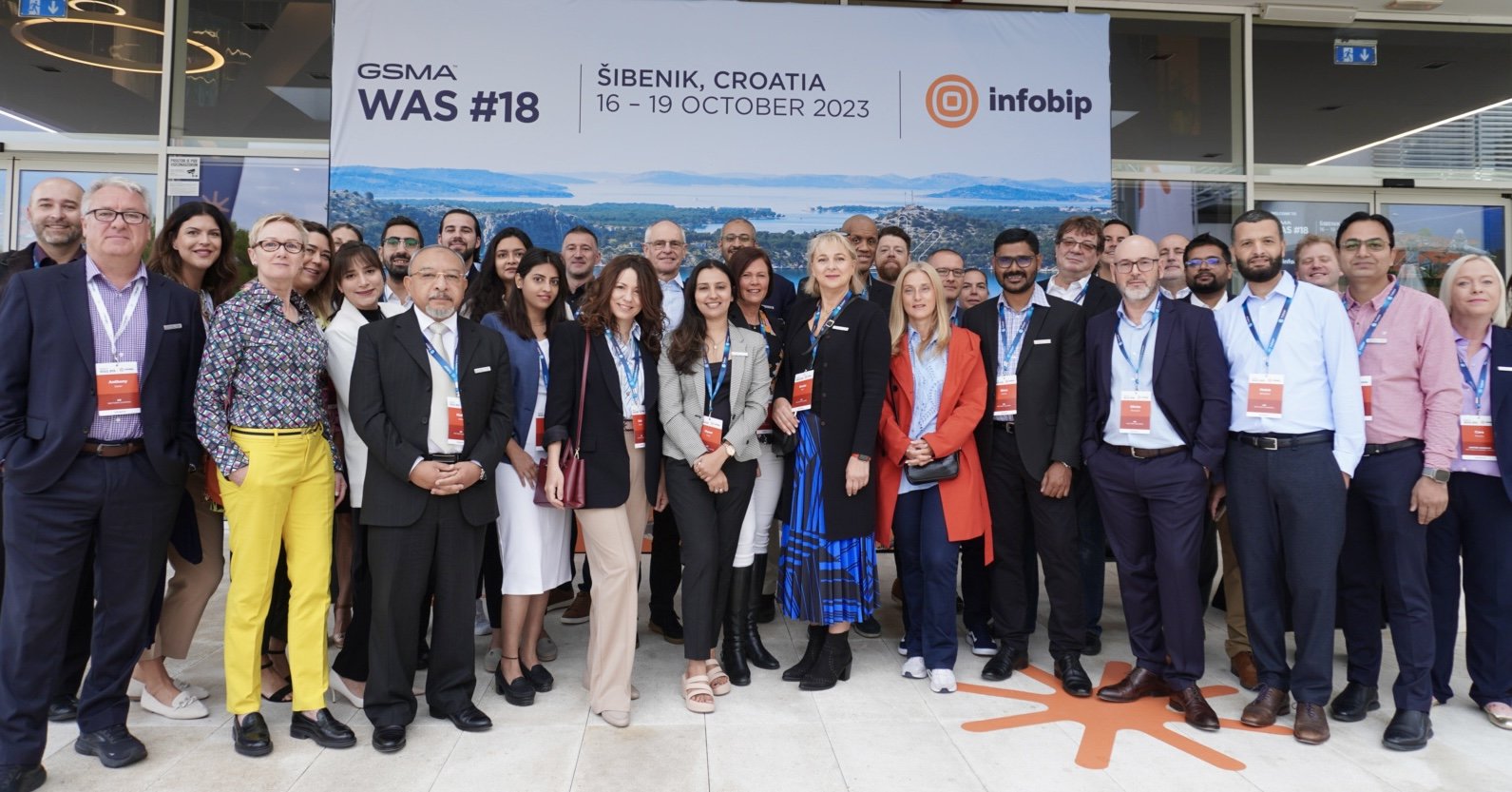
The employer’s public account stresses collaboration and growth opportunities. Separately, the UN Global Compact records Nextgen as an active participant since January 2018. Neither tells the whole story of a workplace, but both give the company’s stated culture a more specific shape than a recruitment slogan.
Before signing, run the numbers
Nextgen’s Simulation & Budget product moves upstream of the invoice. Negotiators can test wholesale agreements, revise budgets and compare financial scenarios before proposing a deal. It brings historical traffic, forecasts and approval tracking into the same process. That is a sensible place to intervene: before a commercially awkward commitment becomes operational work.
The practical lesson is portable. Keep the assumptions beside the agreement. Make internal approval visible. Compare scenarios before committing. For an operator, the quality of the result still depends on the traffic history and assumptions supplied. A simulation can expose the consequences of a forecast; it cannot make an optimistic forecast come true.
INSIGHT supplies dashboards and configurable alerts across the portfolio. Its purpose is to help teams inspect patterns and exceptions without rebuilding the picture from scattered spreadsheets. Used together, planning and reporting let a team compare what it expected with what actually happened, then decide whether an agreement or operating process needs attention.
Old billing meets new devices
Roaming modernisation also has to accommodate partners moving at different speeds. Nextgen’s BCE offering handles Billing and Charging Evolution alongside TAP, the established mechanism for exchanging roaming billing information. Its quick-start approach includes TAP-to-BCE conversion and a shared view of traffic. The attraction is continuity while commercial and technical arrangements change.
SIMplify extends the portfolio into IoT connectivity management. It offers SIM management, device provisioning and billing integration, with open APIs and the option to act as a primary or secondary connectivity management platform. Nextgen’s pitch is that operators retain their brand, customer relationship and data while adding the platform behind the scenes.
For a buyer, the commercial test is whether the services improve the economics of its own operation. Integration work, the scope of managed support and the treatment of exceptions all belong in that assessment. Lower manual effort and better collection are useful objectives; they become a business case only when compared with the operator’s actual baseline and proposed contract.
The next argument is over the traffic
Nextgen’s published thinking on travel eSIMs makes its direction clear. Ruben Iversen argues that operators should consider selling wholesale access to eSIM aggregators and developing their own digital offers. In that view, changing traffic patterns create new potential customers as well as pressure on existing roaming arrangements.
Recognition has followed product development. On January 28, 2026, Juniper Research awarded Nextgen AI Assistant Gold for Best Roaming Solution. Nextgen also reports that TIMS received the only Tier One rating in ROCCO’s 2024 M2M/IoT monetisation assessment, which drew ratings from 187 operators.
Those awards sit above a remarkably durable business proposition. Networks will carry different devices, agreements will become more varied and software will offer new ways to interrogate the records. An operator still needs to identify the traffic, apply the deal and get paid. Nextgen has made those three chores its occupation.
Follow the roaming trail
Explore Nextgen Clearing, its TIMS offering and SIMplify platform. Read the company’s travel eSIM commentary and its account of Nextgen Labs.