A liver cell has an unusually demanding job. It processes what we eat and drink, helps manage metabolism, and repairs tissue after injury. Time makes it worse at several of those tasks. At NewLimit, the question is whether a cell can recover some of its old competence without surrendering its identity as a liver cell. It is a more useful question than whether a molecular test can make that cell look young.
- NewLimit develops experimental medicines that briefly activate selected transcription factors in aging cells.
- Its lead program aims to restore liver-cell resilience and regeneration; human testing is planned for 2027.
- The company has also reported preclinical work in T cells and the cells lining blood vessels.
- No NewLimit medicine is approved or available to patients.
That distinction between appearance and performance shapes the company. A cell's gene-expression pattern can be measured and scored against younger cells. Yet a liver still has to withstand damage and rebuild tissue. NewLimit's reported preclinical results include both kinds of evidence: younger-looking molecular states and improved function in animal models. The second is harder to mistake for a cosmetic change in the data.
The dangerous bargain in a youthful cell
NewLimit was formed around a problem with a celebrated scientific result. The transcription factors known as the Yamanaka factors can push adult cells toward a much younger, flexible state. Their power is also the problem. A liver cell encouraged too far along that route can lose the specialized program that makes it a liver cell. The company asks whether another combination of factors can change age-related behavior while leaving that program intact.
By 2024, NewLimit reported factor sets that moved age-related gene expression in old T cells and hepatocytes without suppressing their cell-type programs. That was a key early answer, but only an early one. Its researchers then needed to show that the cells could do something useful. In later preclinical studies, liver-directed payloads were associated with better resistance to alcohol-related damage and better regeneration after injury in animals. Those experiments made the idea worth developing as a medicine. They did not establish a human treatment.
“Can we find sets of TFs that reprogram cell age, without reprogramming cell type?”NewLimit's 2024 year in review
The delivery design is deliberately transient. The lead approach uses lipid nanoparticles carrying mRNA instructions for transcription factors. The instructions are meant to turn on a program for a limited period, then fade. A transient signal may help manage the risk of pushing cells too far, although dose, tissue targeting, durability, and safety still have to be tested in people.
Choose the factors
Pooled screens test many combinations in old cells.
Ask what works
Gene expression and functional assays check age and identity together.
Build the drug
LNP-mRNA chemistry carries promising payloads to target tissue.
A younger score gets a candidate noticed. Useful behavior earns it a second look.
A factory for the unlikely combination
NewLimit's Discovery Engine is a name for several practical inventions joined together: pooled molecular construction, large-scale genomic screens, single-cell measurements, functional assays, animal models, and RNA delivery. Its AI system, Ambrosia, learns from the experimental results and predicts which factor combinations deserve another test. The company estimates more than 1016 plausible combinations. Nobody can work through that list one tube at a time.
The cost story is unusually concrete. During 2025, NewLimit said it developed a long-read sequencing method that cut reagent-building cost and turnaround time by more than fivefold. It also reported a more than tenfold improvement in screening throughput per dollar in a humanized-liver system. In 2026, a model trained across cell types matched an older endothelial-cell model with about one-third as much endothelial data. Those are internal research efficiencies, not the price of a treatment. They matter because each new tissue otherwise requires a costly new search.
This is where NewLimit differs from a generic promise to “reverse aging.” It has made the search process itself a central asset. For another research team, the transferable lesson is less romantic than an age-reversal slogan: measure cell identity and real function in the same workflow; reduce the cost of each experiment; and reuse data when moving into a new tissue. A clever model alone cannot substitute for an assay that catches a cell doing its job.

The first patient is still in the future
NewLimit is a drug developer, not a consumer longevity service. It sells no rejuvenation treatment today. Its intended customers, if the work succeeds, are patients with age-related conditions, reached through clinical practice and the normal medicine approval process. Its first therapeutic bet is on hepatocytes. The company has also built programs for T cells and endothelial cells, which line blood vessels. In 2026 it reported five payloads that made old endothelial cells show both younger gene-expression patterns and better regenerative activity in laboratory tests.
The move toward patients accelerated faster than the founders expected. NewLimit wrote that it once imagined five years or more of fundamental science before medicine development. It began developing medicines in 2025. In June 2026 it announced a $435 million Series C led by Founders Fund and a plan for a first human trial in 2027. By July, it said production of the lead asset had scaled more than 120-fold, part of the unglamorous work of turning a lab payload into material for clinical studies.
Announced outside financings; the founders also committed capital at formation. Bar lengths are relative to the Series C.
The company has attracted investors including Kleiner Perkins, Thrive Capital, Greenoaks, Quiet Capital, and Eli Lilly Ventures. Lilly's participation is an investment, not evidence of a drug partnership. NewLimit has not disclosed an approved product, a selling price, or commercial revenue from a therapy. Its model is the familiar, risky one of biotechnology: spend heavily on research and development now in the hope of eventually bringing a medicine to market.
The result that matters
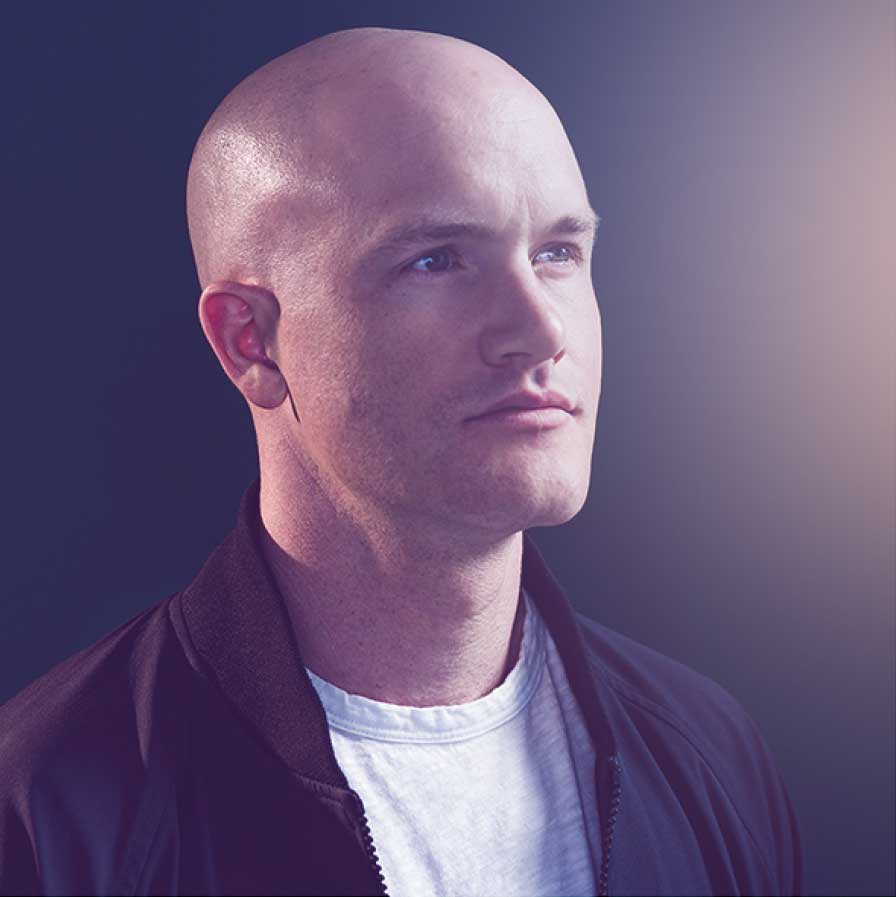
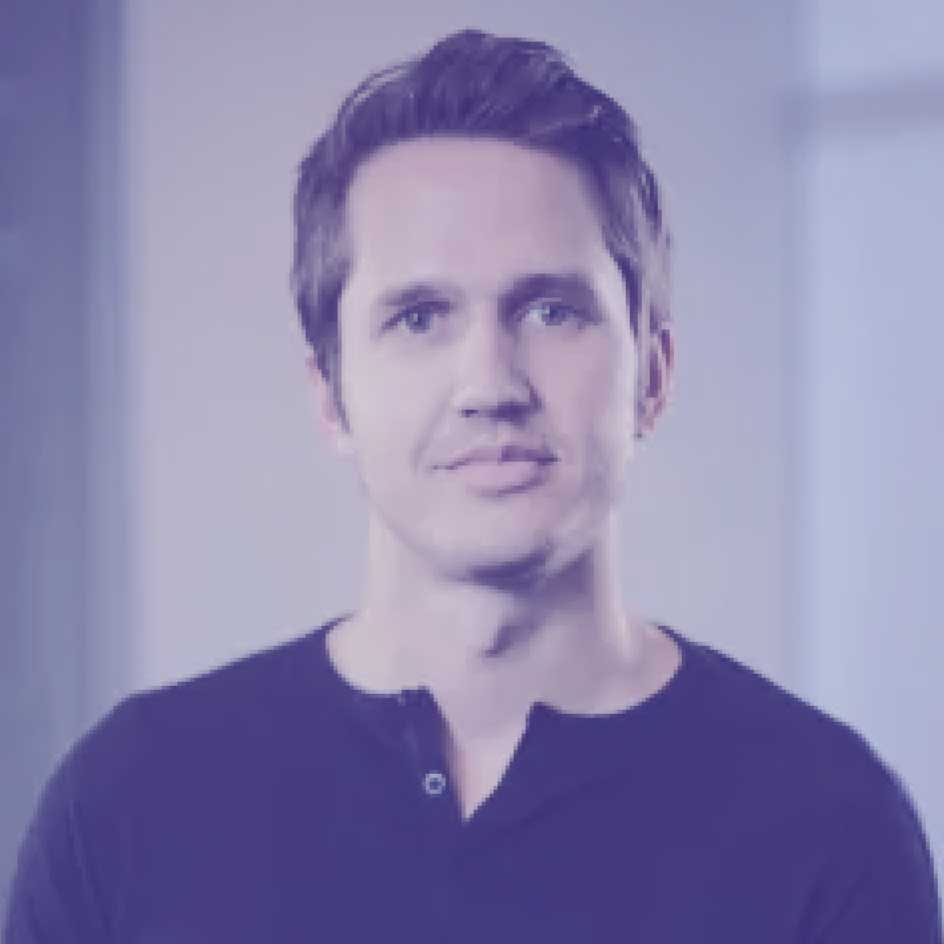
Jacob Kimmel, a former Calico researcher, leads the company. Armstrong, the Coinbase co-founder, and Byers, a bioengineer and former GV partner, helped found and finance it. The unusual mix of computation, cell biology, and capital makes sense for a field where the first challenge is finding the right intervention and the second is proving it safely works. NewLimit's company values emphasize clear communication, independent thinking, and speed after reasonable safety steps. The last clause will matter as much as the first two when the work leaves preclinical models.
The biology could still refuse the neat story. Improvements in old human cells and animals may not translate into a meaningful clinical benefit. A payload may reach one tissue better than another, or reprogram for too little time, or affect identity and growth in ways that later tests reveal. The company's preclinical animal work reported no liver toxicity or tumors at doses above the therapeutic level in one set of studies, but that cannot settle human safety.
The point of the planned trial is therefore wonderfully plain. Not “Can age be reversed?” but: can a defined drug help a person by restoring a specific lost function, at a dose that is safe? If NewLimit answers that question well, the grander promise of healthy years may begin with a liver cell quietly returning to work.