The person answering your customer’s question may be thousands of miles away. The person answering that employee’s question might be at the next desk. That second distance is the interesting one. MySource, an outsourcing company with American headquarters and Philippine delivery teams, has built its offer around what surrounds a remote worker: recruitment, supervision, reporting, and colleagues. The customer buys someone to do the task. The company argues that the surrounding organization helps the task get done.
- Managed teams handle customer calls, technical support, and back-office work.
- The core delivery model is office-based; multilingual support uses a virtual framework.
- Buyers still need clear processes, training, and an accountable manager.
The office is part of the product
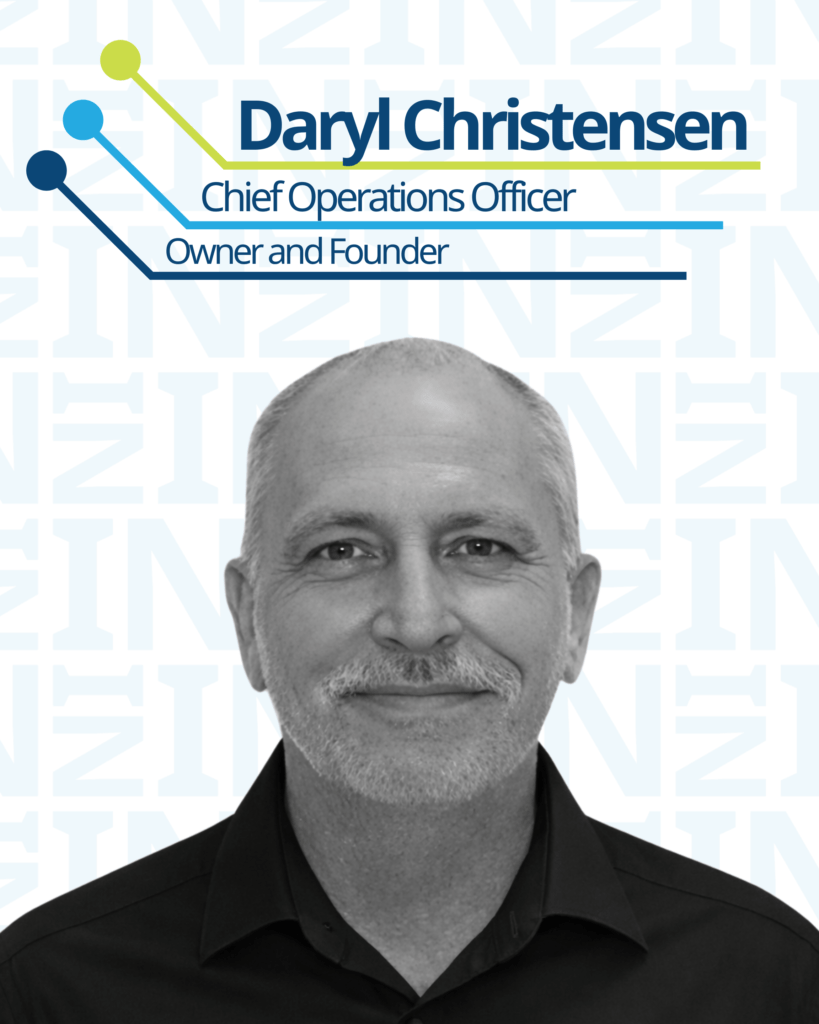
MySource’s three co-founders arrived with backgrounds suited to unglamorous business problems. CEO Jon Roos worked in fintech. CMO Steve Sopinski brought commercial insurance experience. COO Daryl Christensen’s career crossed manufacturing, logistics, and financial services. Today, his official biography places him on-site in the Philippines. For a buyer worried about who is watching the operation, that is a concrete detail.
There is a useful distinction here between remote work and solitary work. An employee can be remote from the client while sharing an office with the people who recruit, coach, and supervise them. MySource makes that arrangement central to its pitch. Its published delivery process includes discovery, recruitment, daily reporting, and management oversight. The unit being sold is a person supported by an operating system made of other people.
That positioning places the business between hiring an independent assistant and purchasing a larger outsourced operation. Its appeal is easy to understand for a smaller company: a founder may need help with the queue without wanting to become a recruiter, trainer, and facilities manager. MySource supplies those functions alongside the people handling the work.
A queue is a business problem
The service menu follows the places where work piles up. Incoming customer questions. Outbound appointment calls. Accounts that need reconciling. Loan paperwork. Shipment documents. MySource lists customer care, accounting, bookkeeping, claims processing, and logistics support among its offerings. Its target industries include retail, finance, healthcare, utilities, and transportation. These are businesses where a routine interaction can become an expensive loose end.
Healthcare makes the proposition particularly legible. MySource offers appointment scheduling, member services, claims administration, and financial operations support. Its healthcare page describes a co-managed arrangement: the client retains its processes while the provider supplies staff to follow them. The distinction matters. A healthcare organization can delegate the scheduling desk while continuing to decide how its calendar, escalation rules, and patient communications should work.
and requirements
and team support
and feedback
There is also an exception to the office story. For multilingual support, MySource explicitly describes a virtual framework that recruits talent across regions. Language requirements can determine where the worker is found. That exception makes the model more interesting: a shared office is a delivery choice, while the customer’s requirements still set the boundaries.
The rate is only the first number
In an interview released in 2021, Christensen described accounts with one to twenty staff. The accompanying recap put generalist services at roughly $8 to $9.50 an hour and managed services at $6 to $7.50. Those figures belong to that interview, not a current price list. Today’s website directs prospective clients toward a quote.
The useful calculation starts with scope. Which hours need coverage? Who handles exceptions? How much time will the client spend teaching the job? A low rate can still produce an expensive arrangement if every difficult question returns to the owner. Conversely, a managed team may justify its fee when supervision and repeatable delivery release the client’s time. That is the economic proposition to test.
It is also a reason to compare complete arrangements. A freelancer, a direct employee, and a managed offshore team carry different responsibilities for recruitment, equipment, continuity, and coaching. Price comparisons become useful when the buyer assigns those responsibilities explicitly. Otherwise, the attractive number on the proposal can hide a second job for the person who signed it.
The hiccups are the interesting part
One of the more revealing passages on MySource’s homepage comes from a testimonial attributed to Rebeca:
“Took a lot of hiccups and missteps to get to a point where we are now.”Rebeca / client testimonial published by MySource
The comment goes on to credit training and describes staffing flexibility during growth and a later cutback. It is a company-published testimonial, not an independently audited case study. Still, the sequence is instructive. Hiring people did not automatically make the relationship run smoothly. Training appears as part of the repair. The operational work continued after the seats were filled.
For a reader considering outsourcing, the practical lesson is to start with work that can be explained. Write the instructions. Define a correct result. Decide which decisions require permission. Establish a feedback rhythm. MySource’s own FAQ stresses measurable service agreements, documentation, and ongoing communication. A process that depends on the owner’s unwritten intuition will be harder to transfer, wherever the new employee sits.
A third office, a wider circle
In December 2024, MySource reported opening a third office in Toledo City as part of its impact-sourcing initiative. That gives its people-focused language a specific location beyond its existing Cebu operations. Its About page also presents community outreach, including a photograph at the Lingap Center. These details describe how the company chooses to present its relationship with the places supplying its workforce.

The arrangement has limits. MySource’s own offshoring guide discusses infrastructure disruption, employee retention, and coordination across time zones. And a company needing physical, on-site work cannot solve that requirement by adding a distant desk. The sensible application is narrower: choose transferable work, establish supervision, and review what happens. MySource’s proposition becomes most persuasive at that ordinary scale, where a colleague nearby can help a worker far away.