A plastic water bottle is a small thing to feel awkward about at a rock concert. Michael Jones remembers it anyway. At a benefit connected to the Woolsey fire, with the Red Hot Chili Peppers on the bill, he found himself holding an ordinary bottle while people around him carried drinks with rather more personality. The packaging seemed to have assigned him a role he had never auditioned for: the boring fellow.
The experience helped him understand Liquid Death. Water could have a sense of occasion. A can could belong at the concert. The person buying it could enjoy the joke. Jones, an investor and board member, recognized something beyond a clever name: a familiar product with a different place in people's lives. After years in software, he was paying close attention to what someone wanted to hold in a crowd.
That is a useful starting point for a career that can look, at a glance, like a collection of unrelated bets. Chat tools. Myspace. Subscription razors. Dog sitting. Canned water. Jones's work at Science, the venture firm and startup studio he co-founded in 2011, keeps returning to the relationship between a product and the people around it. The technology changes. The social questions keep finding new packaging.
A magazine before the messaging
Jones grew up in Oregon and studied at the University of Oregon. His early businesses included a music and pop-culture magazine that reached national distribution. By his senior year, he was running PBJ Digital with two partners in Eugene, making websites and software. Before he was helping other founders find customers, he had products of his own to sell.
The move to Los Angeles followed his wife Jennifer's admission to graduate school. He brought PBJ south, eventually sold his stake, and went on to start Userplane. Geography, in this account, came with a marriage and a practical decision. The polished career diagram would have to be drawn afterward.
There was another Oregon influence. Through his stepfather's connection to Phil Knight, Jones had access to Nike's employee store when he was young. He remembered the company's Portland retail experience with obvious affection. He never worked for Nike. Still, a brand that could turn a shoe purchase into membership in a larger story offered plenty to observe.
Music publishing, web development and an appreciation for brands sit quite comfortably together in retrospect. All require an audience. All involve presentation. All become rather less charming when nobody pays. Jones had begun moving between those concerns well before Science gave them a shared address.
The chat window gets a buyer
Userplane, founded in 2001, supplied chat and instant-messaging tools to other websites. Its customers could offer conversation under their own branding. The company worked behind the scenes of online communities, including dating sites, where getting people to speak to one another was rather central to the proposition.
By the time AOL acquired it in 2006, Userplane's technology had reached more than 100,000 websites and online communities across more than 25 countries. The company had 12 employees. Those figures describe a particular kind of internet business: a small team whose software could travel much farther than its payroll suggested.
Userplane, 2006. A compact team, a widely distributed product.
Jones became a senior vice president at AOL. He later described AOL as his first job, a pleasingly sideways entrance into salaried employment. He arrived having already built and sold a business. The corporate years gave him experience inside a much larger operation, alongside the practical knowledge he had acquired while running smaller ones.
His next chapters included Tsavo Media and private equity. By the time Myspace recruited him, he had worked through several versions of company life: creation, sale, integration and operation. The next assignment would be visible on a scale no anonymous chat window could quite prepare anyone for.
Myspace, with the clock running
Jones joined Myspace as chief operating officer in 2009. In 2010 he became co-president alongside Jason Hirschhorn, then chief executive. Facebook had taken the lead in social networking, and Myspace was trying to establish a different future around entertainment and content. Jones inherited a company whose earlier cultural importance could not settle its immediate business problems.
It is tempting to let the later consumer-brand successes turn this episode into a tidy apprenticeship. The period deserves its own weight. Changing leaders, declining traffic and pressure on advertising revenue made the work difficult. A familiar name was still a business that had to be run, with decisions affecting employees as well as users.
News Corp sold Myspace to Specific Media in June 2011. Jones left that summer. The company had not recovered its old position. His subsequent career makes more sense when that outcome remains in the picture, beside the acquisitions that went well. He had experienced what happens when a platform's place in people's lives changes faster than its organization can respond.
Later that year came Science. The next venture would give him a way to work with several founders and several businesses at once, applying operating experience much earlier in their development. The distance between an early prototype and a large, troubled platform had become part of his working knowledge.
The first check, and the work after it
Jones founded Science with Peter Pham, Greg Gilman and Tom Dare. The studio pairs investment with help building companies. Marketing, recruiting and product work can be part of the arrangement. This puts Jones close to the everyday questions a founder faces after a promising introduction has ended and someone has to get the business moving.
Dollar Shave Club was an early test. Science wrote its first check. Michael Dubin brought a vision for men's grooming, early evidence of demand and a video that made a razor subscription funny. Jones saw a replenishable product, customer loyalty and the possibility of a brand that knew its customers individually.
The film made an efficient introduction. The subscription gave people a reason to remain. For Jones, those pieces belonged together: distribution, repeat purchase and a founder who understood the audience. The joke opened the door; a parcel arriving when it was needed had to justify keeping it open.
In 2016, Unilever bought Dollar Shave Club for a reported $1 billion. Science also saw HelloSociety acquired by The New York Times and FameBit acquired by Google that year. The three transactions reached across grooming, influencer marketing and online video. Content and commerce, interests Jones had carried out of his software years, were producing several different businesses.
- Dollar Shave ClubAcquired by Unilever
- HelloSocietyAcquired by The New York Times
- FameBitAcquired by Google
Three Science companies. Three different buyers.
The can still needs a shelf
Liquid Death offers a second view of the same interests, with a different operating problem. A water brand can have fans and still be inconvenient to buy. Jones has discussed the difference between a subscription product with predictable replenishment and a drink someone wants immediately. A fridge at home and a nearby shop answer different demands.
Retail also brings inventory, shipping and receivables into the conversation. A memorable can does not make those obligations disappear. For someone whose public associations include funny videos and conspicuous brands, Jones spends a fair amount of time describing the machinery underneath. The skull on the packaging has to coexist with a working business.
That practical emphasis appears in his questions for prospective founders. Can they recruit? Have customers responded? What will the business cost to grow? What do competitors look like? He values a personal connection to the problem, while allowing that an outsider may see an opening an industry veteran has learned to disregard.
“I really like curious people.”
Michael Jones, discussing founders
Curiosity carries an obligation here. A founder must be able to learn from other people and employ people who know more. Jones has also described the futility of pursuing a market that will not cooperate, comparing it to cutting marble with a butter knife. Determination can consume an impressive amount of cutlery.
Two children, and another kind of attention
Jones's accounts of family life reveal a related concern with how people develop. In a 2015 conversation about parenting, he described making room for his children's interests and experiments, rather than forcing them into a framework he had chosen. He hoped learning and play could happen together. Achievement, in this account, began with attention to the individual.
He also spoke about limiting commitments beyond family and career. Time was something to allocate carefully. Asked when he would know he had succeeded as a parent, he treated the relationship as continuing indefinitely. The question had arrived with a finish line; his answer quietly removed it.
His interests outside a company meeting have included travel, with Japan a favorite destination. He has named helping people accomplish ambitious plans as a pleasure of his work. These details give the operating language a human scale: people with interests, finite hours and projects they care enough about to keep pursuing.
Back to the person building it
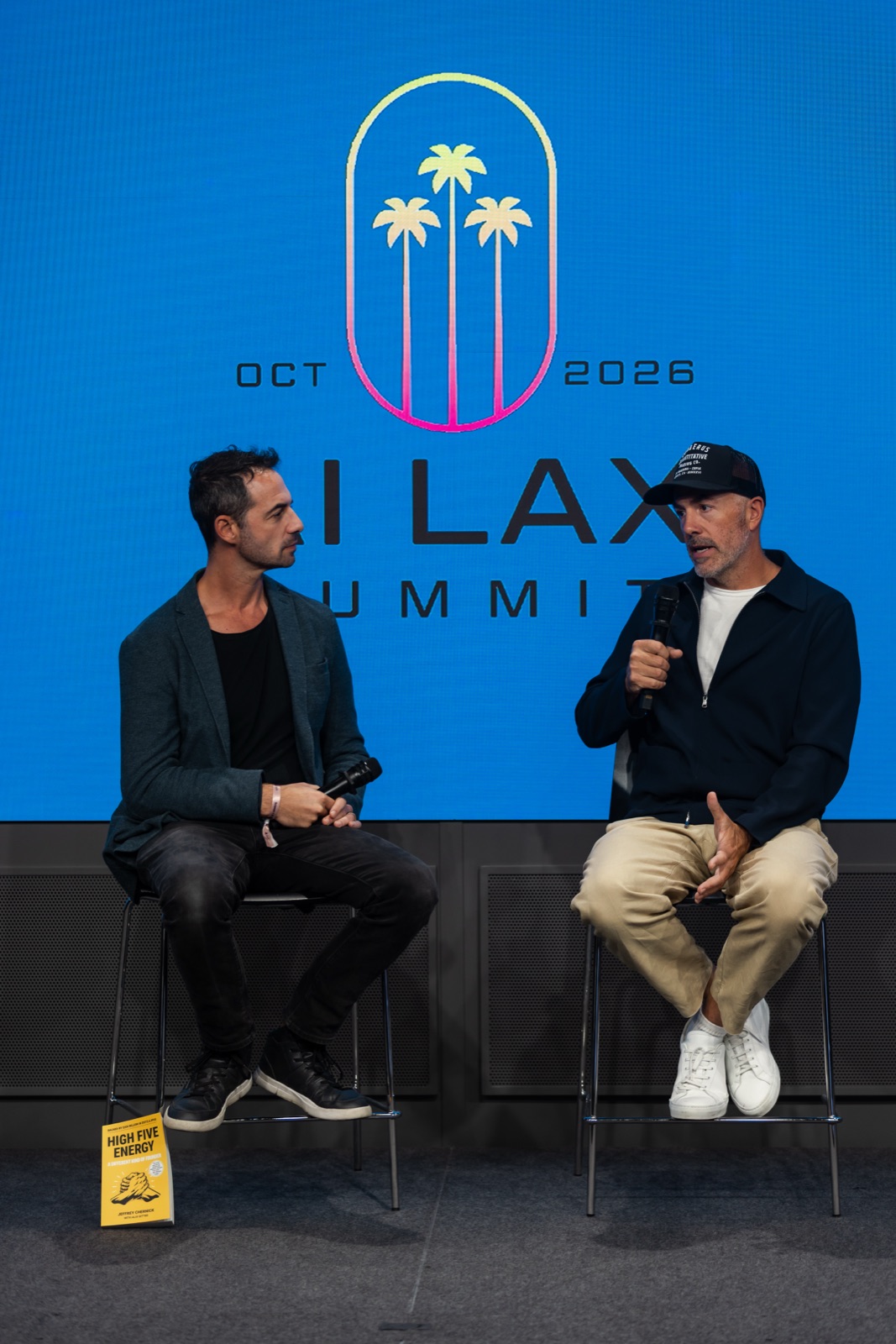
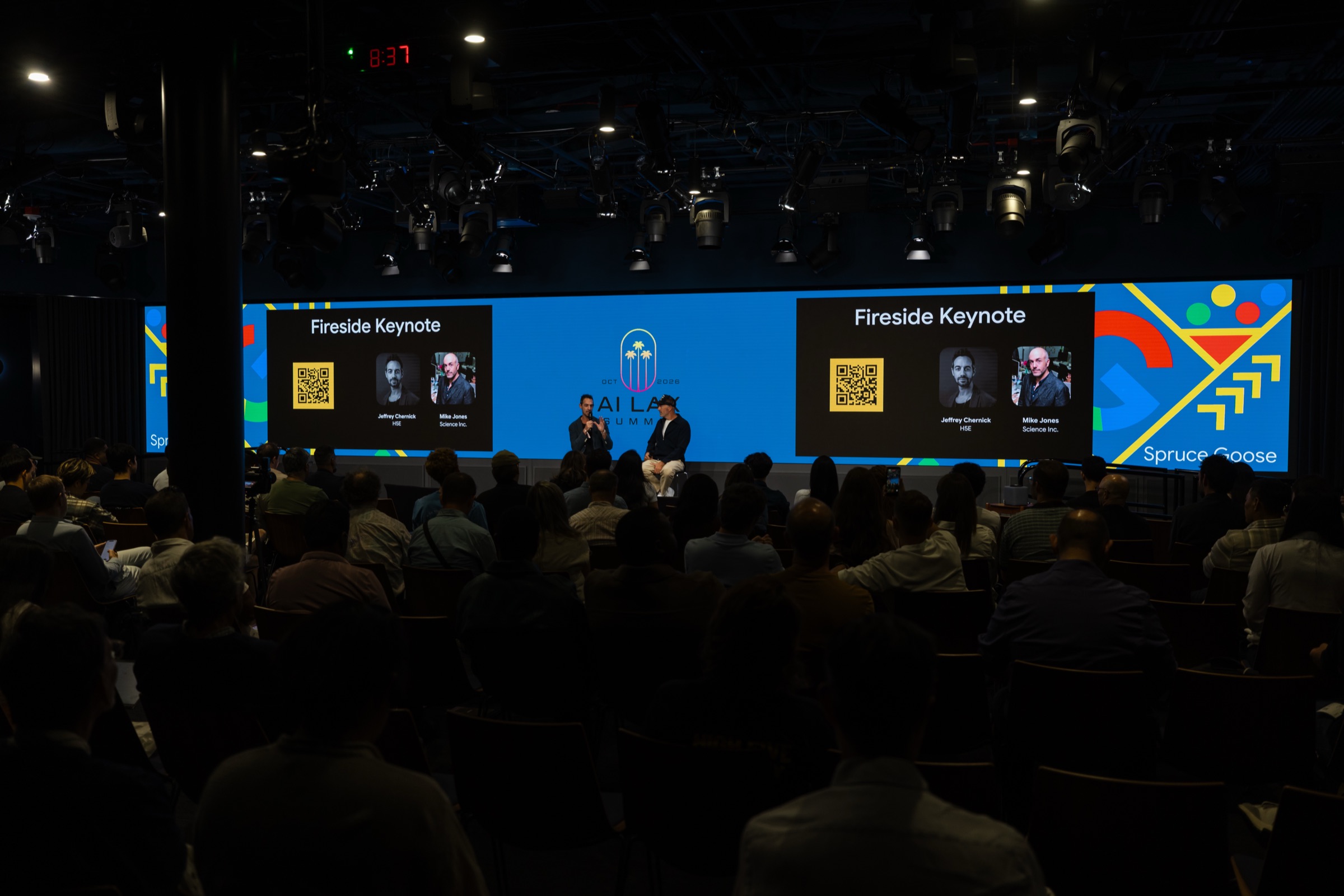
Jones now presents himself as a general partner at Science. His current work also includes Human Architecture, which he describes through an interest in using AI to examine behavior and decision-making. In October 2026, he appeared at the AI LAX Summit. The subjects have moved on from the early web; his attention to the person using and building a product remains recognizable.
The continuity is easier to see from a concert than from a list of investments. Someone feels out of place holding a bottle. Someone dislikes buying razors. Someone needs a conversation to happen on a website. Jones has spent his career around founders trying to do something with those moments. A business begins when the observation survives contact with customers, costs and all the work that follows.
Keep the conversation going
More from Jones, and conversations worth your time.