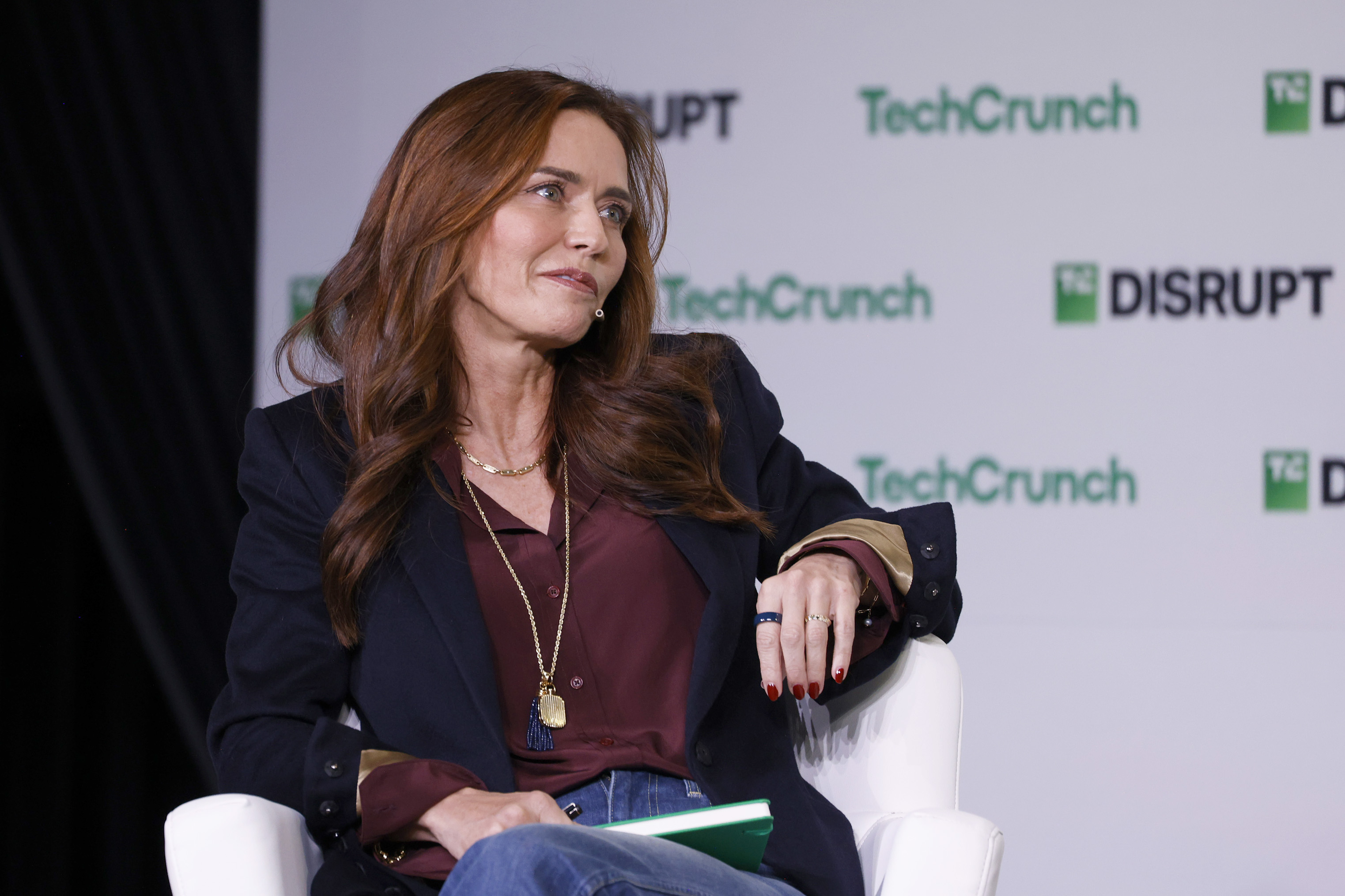
Before any of it had a name - before direct-to-consumer was a category, before DTC became a buzzword, before Warby Parker launched a revolution on an airplane napkin - Kirsten Green was already there. Not at the launch party. At the mall. With a notepad. Counting bags.
That habit - walking the same four malls every other Friday as a retail equity research analyst at Banc of America Securities, tracking parking lot density and the trajectory of department store markdowns - became the foundation of something that would eventually manage nearly three billion dollars. Green didn't pivot into consumer investing. She was born into it. The venture capital firm came later, almost as an afterthought to a two-decade obsession with understanding how people spend.
Green graduated from UCLA with a degree in Business Economics in 1993, earned both her CPA and CFA designations, and went through Deloitte's retail practice before landing in equity research. She covered specialty retail stocks - Gap, Abercrombie, Urban Outfitters - and developed a methodology that her peers considered eccentric and that she considered essential: ground-truth consumer reconnaissance. The parking lot counts weren't superstition. They were a leading indicator. By the time the company reported earnings, she already knew.
All you needed to do was spend half an hour with Michael and decide that he was someone you wanted to be in business with.Kirsten Green - on her decision to back Dollar Shave Club at seed
Around 2002, Green decided she wanted to move into venture. What followed was a decade-long apprenticeship she largely designed herself. No VC firm hired her. She built a shadow portfolio instead - seven Special Purpose Vehicles between 2006 and 2010, ranging from $1.25 million to $10 million each, anchored by a small group of investors who trusted her instincts before she had a brand name to stand behind.
In 2008, one of those SPV bets went wrong in the worst possible way. Nau, an outdoor apparel company, had raised $34 million and generated significant press. Green had committed approximately $10 million. Then Bear Stearns collapsed. Nau was forced into a fire sale. The investment was gone. Green has been open about that loss in ways that many investors aren't - not as a cautionary tale for others but as a specific education in how startup nimbleness and market timing can diverge catastrophically. It was the most expensive lesson she ever paid for, and she kept the receipt.
In 2010, she raised a $5 million angel fund. In June 2012, she closed Forerunner Fund I at $41.7 million - $1.7 million over her $40 million target, which she intentionally kept there. The precision mattered. Showing LP discipline, not fundraising hunger, was the whole point. To earn those first commitments, she built 20 detailed investment memos documenting her angel-stage track record and presented them alongside a comprehensive consumer thesis. She was essentially running a job interview for herself, at a firm she was also founding.
That same year, she wrote the first check into Dollar Shave Club. The company had a pre-money valuation of roughly $4.5 million. The founder, Michael Dubin, had made a video. It was funny. Green had spent 30 minutes with him and concluded that he was someone she wanted to be in business with. Four years later, Unilever bought Dollar Shave Club for one billion dollars in cash.
Dollar Shave Club at $4.5M valuation. Warby Parker before anyone took eyewear seriously. Glossier when Emily Weiss was still a blogger. Bonobos before pants-fit was a venture thesis. Chime before challenger banks had a term. Oura Ring before wearable health was mainstream. Green has been early on more defining consumer brands than almost anyone.
The pattern across every Forerunner investment is the same: Green asks where the consumer is going, then looks for companies that make that destination feel inevitable. She calls the framework the "Three Converging Factors" - real consumer demand, a new business model to serve it, and a technological moment that makes the solution newly possible. The insight is simple enough that it sounds obvious. The execution has taken 20 years.
She also applies what she calls the Business Model Experience Test: does the business model make the product better, or is it just financial engineering? Spotify is her go-to example - the subscription doesn't just create predictable revenue, it removes ads and enables offline listening. The model is the feature. She looks for the same coherence in every company Forerunner backs.
Green is equally direct about what she screens for in founders. She doesn't ask for perfect pitch decks. She screens for whether she would naturally lose sleep over the same problems the founder is losing sleep over. If the worry doesn't come naturally, the partnership won't work. Forerunner receives roughly 2,500 pitches per year and invites about 200-250 founders in person. In July 2018 alone, 198 pitches arrived in a single month.
By November 2024, when Green closed Fund VII at $500 million, the firm's total assets under management had reached nearly $3 billion across 14 years of investing. Fund VII has a specific thesis: AI and the consumer. Green's framing is precise - she believes AI shifts consumer demand from access to edit, from abundance to discernment. The consumers who will drive the next decade don't want more choices; they want better ones, with less friction. The companies that will win are those providing "relief over delight."
In January 2025, she launched a personal Substack newsletter. Her word for 2026 is "Discernment." She chose it not as a resolution but as a touchstone for the kind of filtered decision-making she believes the current moment requires. There's a through-line there, from the mall parking lot counts to the AI era - a consistent conviction that the most valuable thing you can do is pay close enough attention to tell what actually matters from what just makes noise.
She sits on the Nordstrom board of directors, appointed in 2019. The irony is not lost on anyone - the woman who made her career studying how department stores were losing foot traffic now helps run one. But retail transformation is exactly her expertise, and Nordstrom wanted someone who understood it from the consumer side out.
Green co-founded All Raise, the mentorship collective for women in venture and technology, and approximately 40% of Forerunner's portfolio companies are women-led. She has said, flatly, that she invests in the right entrepreneur regardless of gender, and that the data comes out the way it does because good founders who understand consumer behavior happen to skew in that direction. Whether or not you accept that framing, the track record is real.
The Forerunner story is not a story about one brilliant bet. It's a story about a sustained methodology applied across 166 companies, 7 funds, and two decades of watching how people actually live. Green has called consumer spending "two-thirds of the economy" when pushing back on the narrative that consumer VC is finished. Her portfolio exits - the Unilevers, the Walmarts, the NASDAQ listings - argue her case more effectively than she ever needs to.
From a mall parking lot in 1999 to a $500 million AI-consumer fund in 2024. The bags she was counting have changed. The instinct hasn't.