At a concert, a sponsor can put its name on a wall and hope affection rubs off. Spectrum wanted something more useful. In Los Angeles venues, its campaign with MAX.Live offered fans contests, signed merchandise and chances to meet artists. A QR code became an invitation. The audience could do something with the sponsorship, rather than simply stand beneath it.
- The business: match brands with artists, then build and distribute campaigns around their audiences.
- The machinery: fan data, creative production, paid media and SET.Live concert interactions.
- The useful lesson: give people a reason to participate, and name the action you intend to measure.
MAX reports a 56% opt-in conversion rate for that Spectrum activation. It is a striking number with a specific meaning: participation, not internet subscriptions sold. That distinction matters. Music can open a door; the marketer still needs to know which door opened.
The audience before the autograph
Music Audience Exchange, the company behind MAX.Live, was founded in 2014. Its wager was that sponsorship could become more systematic than choosing a famous person and hoping the association looked expensive. Co-founder George Howard described the artist-side ambition in a 2017 interview: “artists should be more in control of their own destiny”. Brand investment could help make that possible.
The matching process asks which artists have fans resembling a brand’s desired customers. Historical reporting describes audience surveys, streaming information and social analysis feeding the company’s planning. MAX then helps produce the campaign and buy its distribution. That combination places it between an advertising agency, a music partnership specialist and a software provider. The software helps choose; people still have to negotiate, create and deliver.
For brands and agencies, the attraction is a connection they can use across several channels. For musicians, it can mean promotion as well as sponsorship income. A paid campaign can put an artist’s music in front of listeners beyond the existing fanbase. Fame is useful, but audience fit gives the buying decision a more defensible starting point.
A phone becomes part of the show
MAX says more than 7,000 artists use its technology, while its partnership catalogue contains 500-plus campaigns. These are different counts: using a tool does not mean receiving a brand deal. Its customers include Ford, McDonald’s and Dr Pepper; the artist network supplies the relationships around which campaigns are built.
SET.Live makes those relationships interactive at concerts. In the Spectrum example, venue banners, pre-show audio and onstage visuals directed people into mobile experiences. The sponsor entered an activity fans already cared about. MAX also advertises free direct-to-fan tools, giving artists a way to engage audiences beyond the fleeting reach of a social post.
the audience02Match
the artist03Invite
participation04Measure
the action
The business involves more than a dashboard. An artist-relations interview describes separate costs for an artist’s time and likeness, song licensing and publishing, and media delivery. A buyer should therefore budget for a campaign with several moving parts. Comparing it with the price of one sponsored post would miss much of the work being purchased.
A soda campaign with somewhere to go
Consider Parker McCollum and Dr Pepper. MAX’s account says the singer already liked the drink. The campaign extended that affinity into social posts, audio, display advertising, retailer-specific materials and concert activations. Fans could enter a sweepstakes for a VIP concert experience. The idea had a destination beyond watching a video.
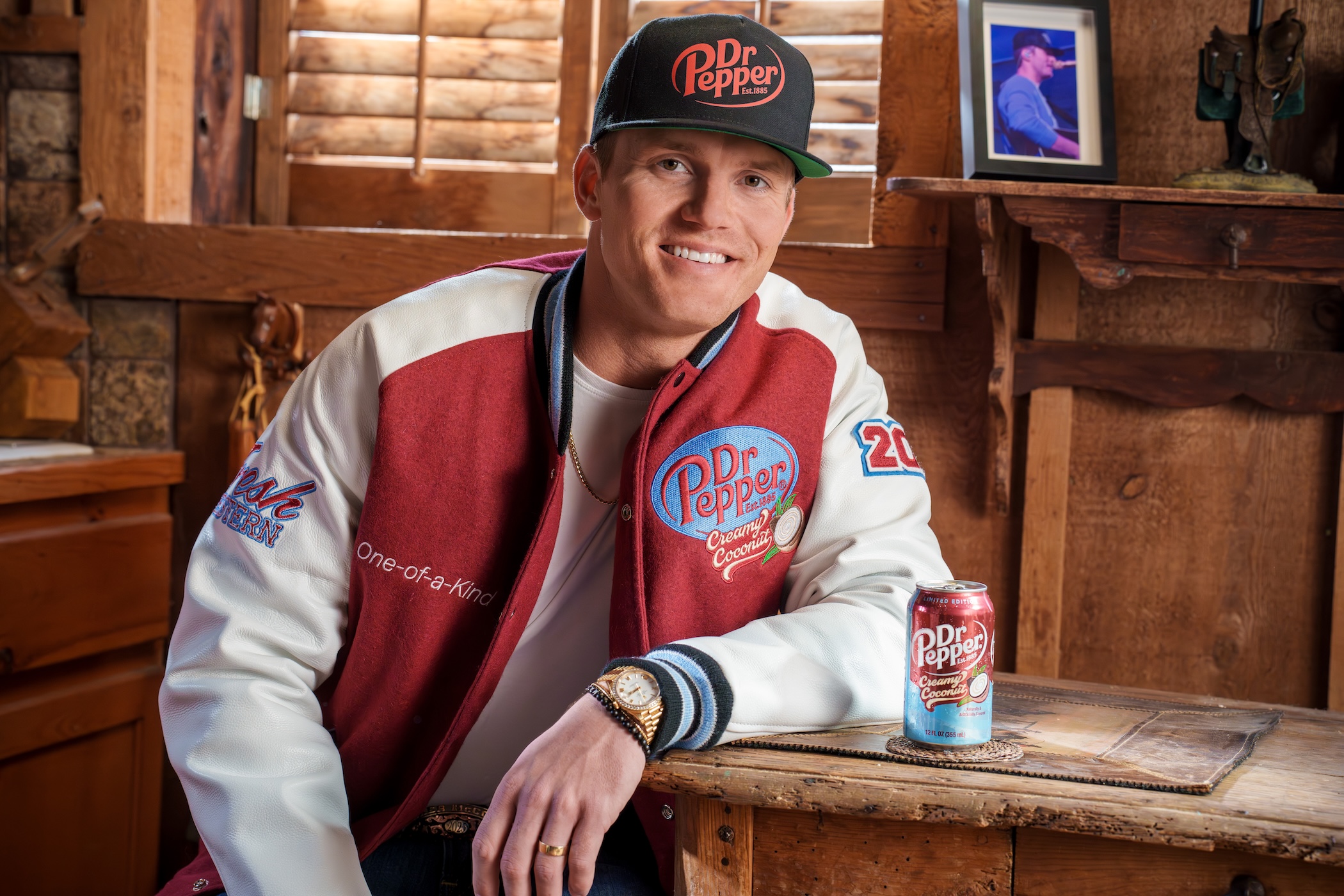
The company reports 24.2% social engagement and an 18.8% website conversion rate. Here, website conversion means registering for the sweepstakes. Retail callouts helped direct consumers toward stores, but those percentages should not be read as purchase rates. The revealing detail is the coordination: national artist content could point toward a local shopping decision.
MAX-reported Parker McCollum campaign results. Different actions, different denominators.
Credit Karma’s Alexander Stewart campaign shows a different sequence. Financial storytelling introduced the brand; later creative made sign-up requests more explicit. MAX reports a 2.4-fold increase in Instagram click-through rate after clearer calls to action. It also commissioned Kantar to measure brand lift. The lesson is practical: an audience warmed by a story still needs an intelligible next step.
When the rooms went quiet
The 2022 funding announcement describes MAX expanding from partnerships rooted in touring into immersive digital experiences as the market changed. When crowds returned, SET.Live brought mobile habits into live shows. The durable asset was the artist-fan connection, which could move between a screen and a venue.
That October, MAX announced a Series B led by Interlock Partners with support from Method Capital. An earlier, publicly announced round raised $6 million in 2017. In March 2023, it acquired My Artist Pages, known as AMAP.to, adding a link-in-bio page builder to its artist-tool ambitions. The direction was consistent: make the relationship easier to continue after the show ends.
The trouble with calling everyone Gen Z
By August 2026, MAX’s Wavelength research was asking another audience question. Its report drew on more than 14,000 U.S. consumers and separated younger Gen Z respondents from those aged 21 and over. Some apparent generational traits, it argued, looked more like the effects of becoming an independent adult.
This is a useful complication for marketing. A demographic label can conceal the reason someone behaves as they do. For a company selling audience fit, examining life stage and culture alongside age is a natural extension of examining fandom alongside celebrity.
What to borrow before buying the sponsorship
Start with the people you want to reach. Choose an artist whose relationship with them makes sense. Offer something worth the interruption. Decide whether success means attention, permission to follow up or a customer action, then measure that action honestly. These are editorial lessons from the examples, rather than a promise of repeatable returns.
Music can open a door; the marketer still needs to know which door opened.The campaign principle
The conditions matter. Weak artist-brand fit, an unappealing prize or a muddled next step can undermine the approach. A crowd’s affection does not automatically transfer to a product. MAX’s proposition is to build the path between them. The phone in someone’s hand becomes useful only when there is somewhere worthwhile to go.
Keep the conversation going
MAX.Live · SET tools · Wavelength’s Gen Z report · Company blog · Newsroom
LinkedIn · Instagram · X · Facebook
MAX on YouTube · Watch: an introduction to MAX · George Howard’s Cheddar interview · Listen: Nathan Hanks on Music Growth Talks