The odd thing about MALK Organics is that its best advertising asks you to inspect the product. Turn the bottle around. Read the ingredients. Try to find a mystery. On a carton of unsweetened almond milk, the search ends quickly: filtered water, organic almonds, Himalayan pink salt. For a brand in a crowded refrigerated aisle, three ingredients are a remarkably short speech.
August Vega began making dairy-free milk for her young son when she could not find a store-bought option she trusted. She sold it at Houston farmers’ markets. Investors helped take the milk into retail in 2016, and Whole Foods followed in 2018. The small domestic puzzle - what exactly is in the milk? - became a business proposition large enough for conventional grocery chains.
- MALK sells organic plant milks and creamers with short, recognizable ingredient lists.
- Its first useful audience was shoppers already willing to pay more in natural grocery stores.
- Customer objections made the company reverse a vanilla flavor change.
- By 2025, the brand was in roughly 12,000 US stores; its 2026 range reaches the pantry and protein shelf.
The label became the contract
MALK’s milk sits among familiar alternatives from Oatly, Silk, Califia Farms and the supermarket’s own label. Its pitch is narrower than “dairy-free.” The company says its products are certified organic and free of gums, oils, and fillers. The distinctions are visible on the package, which matters because a buyer can check them in ten seconds. MALK’s #turnitaround campaign made that inspection the point of the exercise.
Unsweetened Almond MALK. Three ingredients, printed on a bottle competing with a whole aisle of cartons.
There is a catch to making a promise this legible: people will notice when you bend it. In late 2021, MALK added “organic natural flavors” to vanilla products to make the flavor more robust. Customers objected. The company says it removed the ingredient and returned to pure organic vanilla extract. A small reformulation had become a referendum on trust. Customers had understood the label as a rule, not merely a list.
“You do not want more flavor at the expense of the clean, transparent ingredients you expect and love from MALK.”MALK, explaining the vanilla reversal in its FAQ
Another change was less theatrical but probably more useful. MALK moved almond milk from high pressure processing to an extended shelf-life process in late 2021. The company says that decision reduced waste and improved quality control without adding preservatives. It also stopped using sprouted almonds and oats, saying the production process was wasteful. Simplicity, in this telling, applies to the supply chain as well as the label.
Grocery first, glamour later
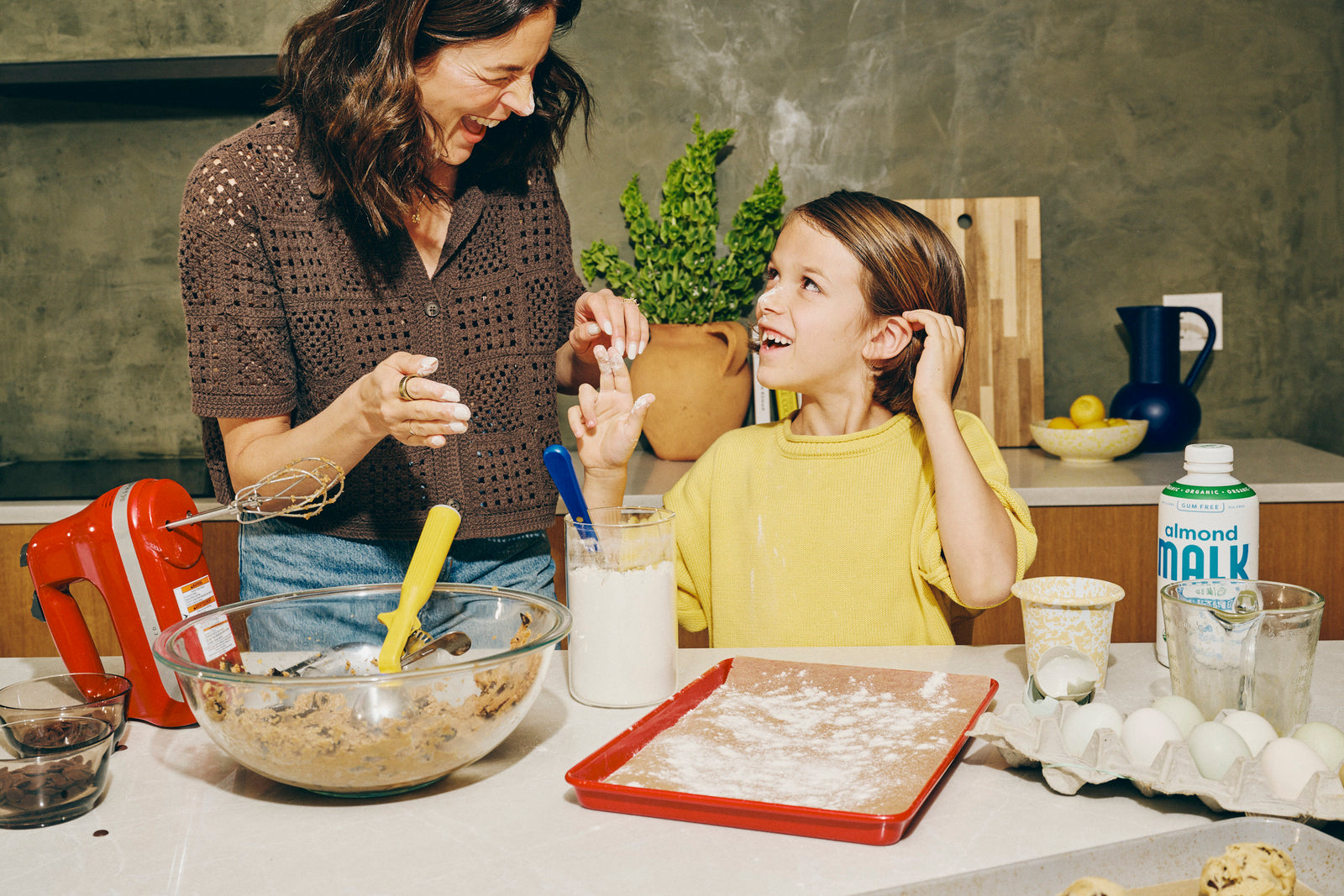
MALK did not begin by winning café counters. It moved from farmers’ markets into natural food retailers whose shoppers and buyers already understood the price of organic ingredients. Whole Foods, Sprouts and Natural Grocers gave the brand evidence of demand; then it pushed into Kroger, Albertsons, Target and other mainstream stores. In 2025, CEO Jason Bronstad put its US footprint at roughly 12,000 stores. That is a distribution story, not a direct-to-consumer fairy tale.
The price remains part of the argument. In 2024, MALK suggested $6.99 for a cashew bottle and $7.99 for its first shelf-stable almond and oat cartons. Its current online shop lists many milks at $6.49 to $6.99. Those are premium prices for an everyday liquid. President Ryan Rouse has said it would be harder to establish the brand at that price today. Early natural-grocery placement gave it a foothold while the category was still learning how to sell plant milk.
The economics behind the bottle are mostly private. A 2022 Series B brought a reported $9 million; a 2024 internal round added $7 million from existing backers including Benvolio Group and Rotor Capital. MALK said it would spend that capital on retail expansion, marketing and product development. Its September 2026 release says 2025 sales exceeded $94 million. Revenue is not profit, and no public figure shows what it costs MALK to make each bottle. The premium sticker is visible; the margin is not.
When the fridge was not enough
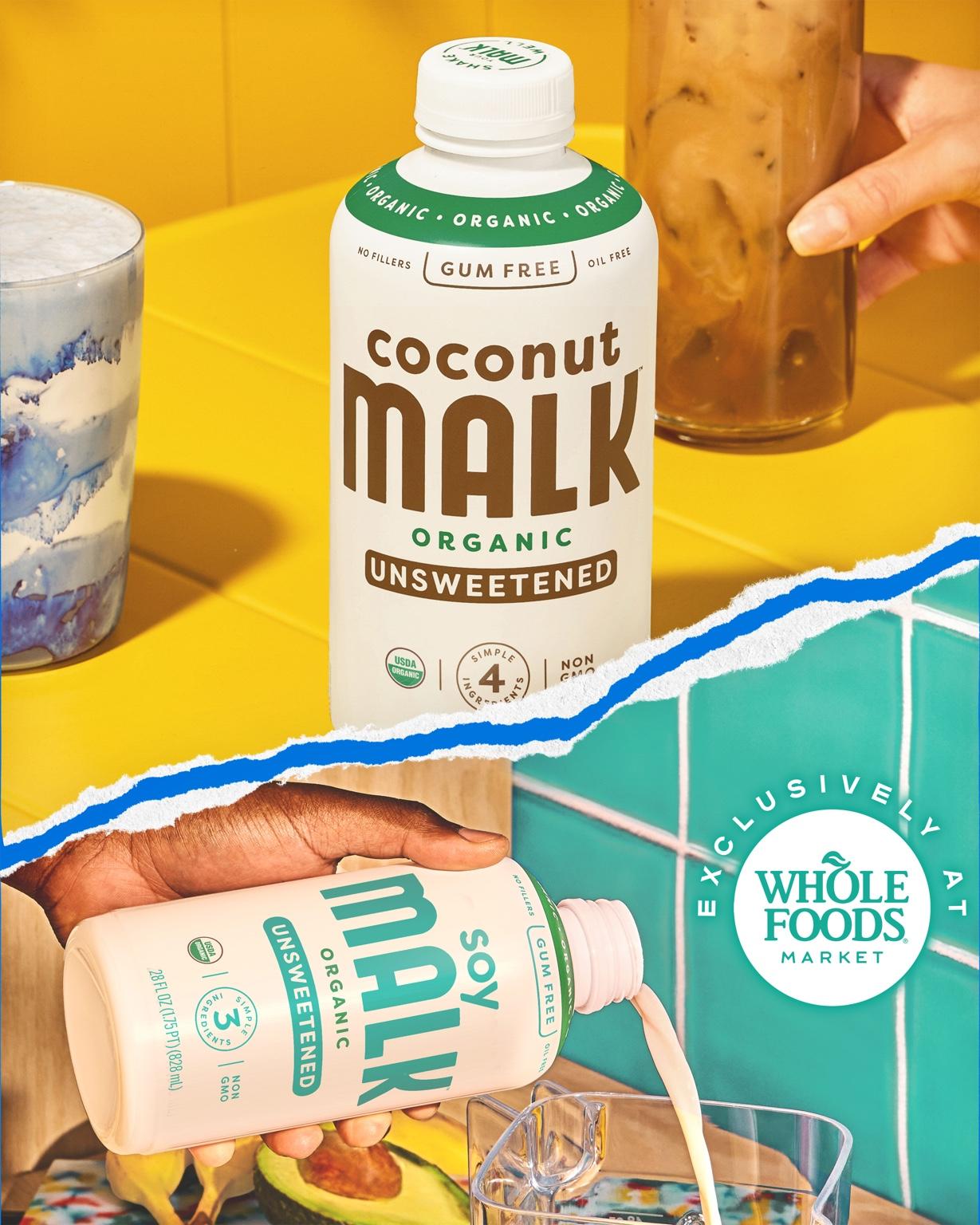
A short ingredient list does not answer every shopping problem. Some buyers want a backup carton in the pantry. Others want milk for coffee, cereal, cooking or a smoothie, or a substitute with more protein. MALK added shelf-stable almond and oat in 2024, coconut and soy in 2025, coconut-based creamers in early 2026, and shelf-stable coconut and cashew later that year. The latest addition, Whole MALK, blends coconut, cashew, soy and pea protein and has 12 grams of protein per serving, plus added vitamins and minerals.
That expansion makes the founding idea harder to manage. A three-ingredient almond milk is easy to explain. A fortified protein blend takes more words. MALK’s test is whether shoppers still recognize the standard when the product grows more complicated. The company says the new range avoids gums, oils, natural flavors and fillers. Someone looking for the shortest possible list may still prefer the original almond bottle. Someone replacing dairy at breakfast may find the protein blend more useful.
MALK has also learned to speak about pleasure. Rouse described a shift from talking chiefly about what the milk lacks to showing how it tastes and where it goes: poured into coffee, cereal and matcha. That change matters because a tidy label gets a shopper to pick up the bottle once; taste gets it back into the cart. Its partnerships with Erewhon smoothies, Kith Treats and Cha Cha Matcha put the milk in the very settings where that claim can be tested.
“The thing that people care most about with food and beverage is what it tastes like.”Ryan Rouse, MALK president
A useful lesson in being believed
There is a practical pattern here for anyone selling a product whose quality can be checked. Start with a claim the buyer can verify in seconds. Find an early channel where that claim earns a premium. Put the proof where the purchase happens: on the package, the shelf tag, the sample cup. When customers object to a change in the promise, listen before explaining why they should not mind.
MALK also shows the limit of that pattern. A clear label does not make a bottle affordable to everyone, and a premium organic milk does not suit every nutritional need. The company had to add formats and ingredients to reach more occasions. Its strongest idea survives only if each new carton earns the same quick inspection that made the first one interesting. Turn it around. The back is still where the argument lives.