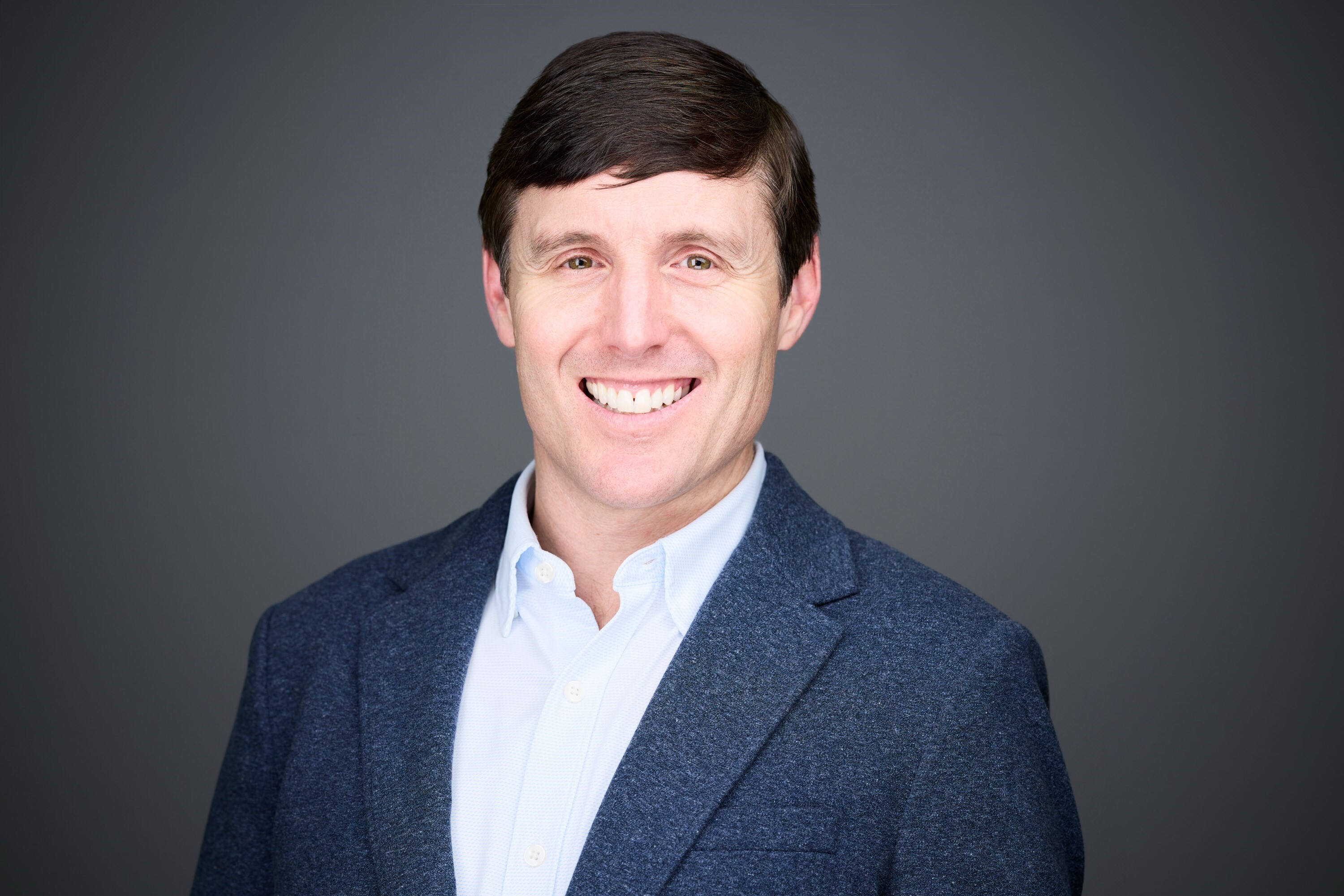
A founder who has already done the hard version of everything
Start with the cockpit. Before the cap table, before the seed deck, before anyone called him CEO, Lucas Babbitt flew F/A-18s for the United States Navy and earned a seat at the school the rest of us only know from the movie: the Navy's Fighter Weapons School, otherwise known as Top Gun. That is the kind of detail that reframes a person. You can teach someone to read a term sheet. You cannot easily teach the temperament that comes from landing a fighter jet on a moving ship.
Today that temperament runs a fintech company. Babbitt is the co-founder and CEO of Atomic Insights, a San Diego company building a next-generation platform for payments, treasury management, and financial reporting - the unglamorous machinery behind registered investment advisors and family offices. The pitch is simple enough to fit on a napkin: advisors should spend their hours advising, not retyping data into forms. Atomic Insights exists to automate the transactional grind - capital calls, wire transfers, reconciliation, reporting - so the humans get their afternoons back.
In January 2026 the company announced it had closed a $10 million seed round. For a company born in 2022 and led by a first-time-software CEO who only took the title in 2024, it is a meaningful vote of confidence in a deeply unsexy problem.
Here is the thing about back-office work in wealth management: it is invisible until it breaks. A mistyped wire. A capital call that slips a deadline. A reconciliation that does not reconcile. The people who manage other people's money spend a startling share of their week on transactional plumbing, and every minute spent there is a minute not spent with a client. Babbitt's whole career seems to have been pointed, almost accidentally, at this exact seam.
The Unlikely ResumeCockpit, classroom, trading floor, founder's chair
Read his path quickly and it sounds like four different people. A Naval Aviator on active duty from 2000 to 2010. A Stanford graduate - and not from one school but two, picking up degrees from Stanford Law School and the Stanford School of Engineering in 2013, the kind of double act that usually means someone could not decide whether to argue cases or build things, so they did both.
Then Wall Street. From 2013 to 2017 he was a Vice President at Goldman Sachs, learning how capital actually moves at scale. In 2017 he joined the founding team of the wealth manager Jordan Park as Chief Operating Officer - the operator's seat, the one where you feel every broken process personally - and was named a Partner in 2022. That same year, he co-founded Atomic Insights. By 2024 he was its CEO.
The line connecting all of it is operations under pressure. A pilot trusts the checklist. A COO lives inside the checklist. A founder decides the checklist should run itself. Babbitt has now stood at all three points.
"Give the advisor back the afternoon. Let the machine do the wire."
Why automate the boring part on purpose
There is a particular kind of founder who chases the flashiest problem in the room. Babbitt did the opposite. Atomic Insights targets the chores that wealth firms quietly dread - the capital calls, the wires, the treasury reporting that has to be exactly right and never gets a standing ovation when it is. It is the sort of problem you only fall in love with after you have done it by hand a thousand times. Which, as a founding-team COO at a wealth manager, he had.
The company frames itself as building for the people who handle real money for families and institutions: registered investment advisors and family offices, where the cost of a small operational error is not a bug ticket but a very awkward phone call. Automating that work is less about speed and more about trust. The product has to be boring in the best possible way - dependable to the decimal.
San Diego is a fitting headquarters. It is a Navy town, the place his aviation career took off, and now the place his second act is being built. There is a neatness to that geography that he probably did not plan but surely appreciates.
What Is NextA seed round, a deadline mindset, and a long to-do list
Ten million dollars buys runway, hires, and the chance to turn a sharp idea into infrastructure that firms depend on every day. The seed announcement in early 2026 is less a finish line than a starting gun. For a CEO who learned timing in a cockpit and discipline on a trading floor, the next chapter is the one where the back office of wealth management quietly stops being something people complain about - because the software handled it before anyone noticed.
Babbitt keeps a low public profile, letting the work and the company do the talking. For a man whose resume could fill a feature film, that restraint may be the most founder-like thing about him.