A bank with a veterinarian on staff invites an obvious question. Is someone bringing a Labrador to the loan committee? At Live Oak, the explanation is more practical. The bank began solely as a veterinary lender. Understanding the practice was part of understanding the loan. It still says it employs a doctor of veterinary medicine to advise customers and future practice owners.
- Industry specialists help owners buy, build and expand businesses.
- Digital deposits fund a national lending operation.
- Government guarantees share credit risk; they do not erase it.
That small detail explains a large institution. Live Oak’s parent reported roughly $17 billion in assets at September 30, 2026. Yet the question at the heart of its model remains wonderfully specific: what would a bank look like if it knew the customer’s occupation as well as a neighborhood banker knew the customer’s street?
A neighborhood made of veterinarians
Chip Mahan and Lee Williams brought backgrounds in banking and SBA lending. Founding credit executive David Lucht helped design the approach to risk. The bank began operations in May 2008. Its territory was national, its initial specialty narrow. A veterinary practice in another state could be a more familiar proposition than an unfamiliar business around the corner.
The difference becomes concrete at Paws & Claws Animal Hospital, a customer featured by the bank. Its old location needed more surgical capacity and storage. Sharing parking with a busy shopping center hurt visibility. The financing problem involved a working business, a building project and the economics of veterinary care. Knowing that vocabulary gives a lending conversation somewhere useful to start.
Live Oak extended the approach across professions and industries, including dentists, pharmacists, insurance agencies, funeral homes and self-storage operators. It also serves businesses outside its named specialties. These customers need money for acquisitions, construction, equipment or expansion. The promise is a banker who has seen similar transactions before, supported by a process that can operate across state lines.
“delivering exceptional service to every customer.”
BJ Losch, President · October 2025
The paperwork became a product
National reach introduced an unglamorous obstacle. Documents had to move between people who were not sitting together. A 2012 account of Live Oak’s early software work described paper, and even electronic documents, becoming unwieldy as they passed among the parties handling a loan. The friction was in the handoffs.
Live Oak built software to coordinate that work. In January 2012, it formed nCino to develop and sell the technology to other financial institutions. Its stake was distributed in 2014. The lesson for another founder is unusually tangible: watch the expensive, repetitive problem inside your own company. Fixing it may reveal customers beyond your original market.
The bank kept changing its plumbing. Apiture began in 2017 as a digital banking joint venture with First Data. In 2021, Live Oak announced the conversion of more than 60,000 deposit customer accounts to Finxact’s cloud-based core. A specialist can only reach a national audience if the machinery behind the specialist keeps up.
The price of knowing your customer
Under the technology sits a recognizable banking business. Depositors supply funding. Borrowers pay interest. Live Oak earns a spread after funding costs, alongside income from activities such as selling guaranteed loan portions and servicing loans. Its business checking, savings and certificates of deposit support that operation. Personal savers can use its online deposit products, too.
Government-backed financing is central. SBA 7(a) loans can reach $5 million; Live Oak also offers SBA 504, USDA and conventional financing. In fiscal 2025, the bank secured 2,280 SBA 7(a) approvals exceeding $2.8 billion, leading the program by approved dollars. That ranking measures dollars, rather than the greatest number of loans.
For smaller needs, Live Oak Express advertises $10,000 to $350,000 and terms up to ten years. At this review, the bank quoted average APRs of 9.50%-10.50%, subject to qualifications. Those are advertised averages, not a personal offer. Its stated eligibility centers on two years in business, excellent credit and current debt payments. Express excludes real estate and refinancing merchant cash advance debt.
A longer term can reduce monthly pressure while increasing how long interest accrues. Owners should compare total repayment, closing costs and required guarantees as carefully as the installment. For SBA lending, owners holding at least 20% generally must provide an unlimited personal guarantee. The government’s guarantee protects the lender; it does not release the borrower.
The niche can bite back
The latest figures supply a useful check on the story. In its October 21, 2026 release, Live Oak Bancshares reported $2.1 billion in third-quarter loan production. It also recorded a $54.7 million provision for credit losses, including $17 million of action related to a stressed distillery portfolio. Common-shareholder earnings were $24.3 million.
Provision is an expense for expected credit losses, not a tally of cash lost that quarter.
Specialization offers better questions and more relevant experience. It cannot make an industry immune to trouble. A national digital operation also depends on reliable technology and deposit funding. Borrowers needing an immediate rescue, failing eligibility tests or wanting routine branch service may find a different lender or banking arrangement more suitable.
Take the questions with you
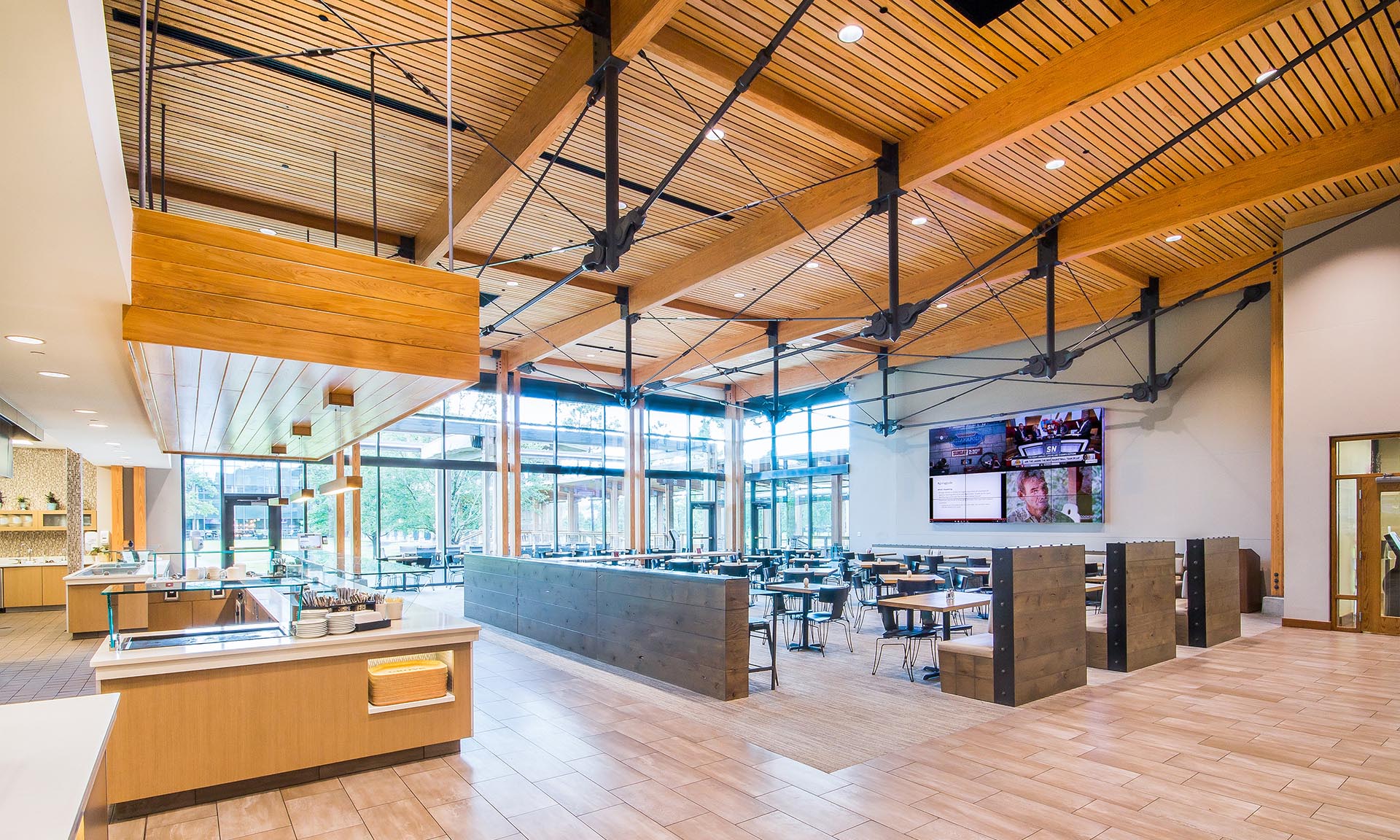
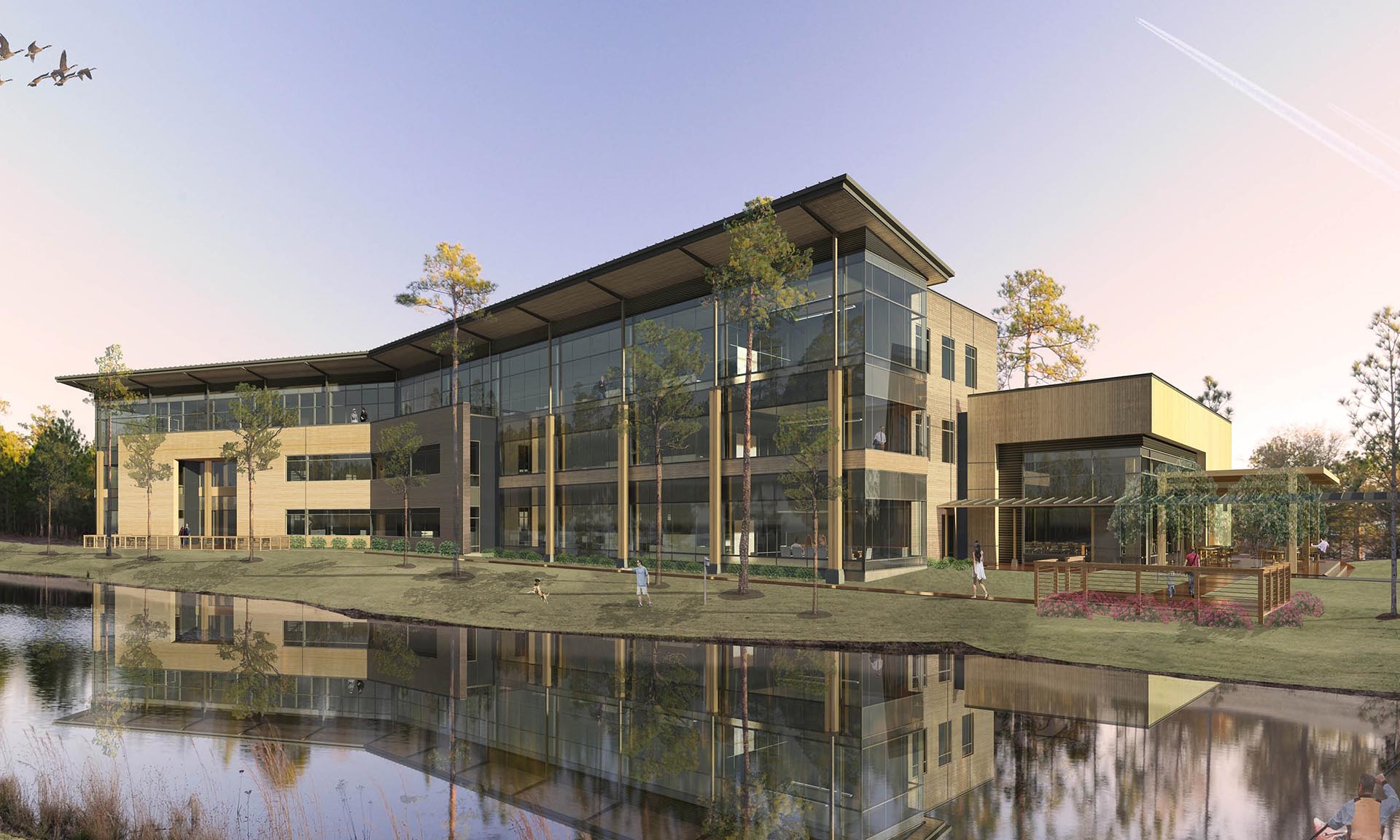
There is an organizational cost to selling expertise. Live Oak’s published benefits include an on-campus medical clinic, subsidized dining and fitness facilities. Its wooded Wilmington campus makes that investment visible. The bank is asking knowledgeable people to stay, then asking customers to trust those people with consequential decisions.
For an owner, the useful takeaway is a question to carry into any bank: how many businesses like mine have you financed? Follow it with questions about documentation, guarantees, total cost and trouble after closing. Live Oak’s origin suggests that the answers can matter as much as the distance to the nearest branch.