A hotel room is an unusually revealing startup benefit. Lightship Foundation’s Ohio Bootcamp covers accommodations and meals alongside the training itself. For an entrepreneur weighing a few days away from work, that turns an invitation into something more usable. The spreadsheet session matters. So does being able to afford the trip.
The Cincinnati nonprofit has built its work around that kind of practical access: helping people develop a business, understand its numbers and reach people who might finance it. Its audience has historically included women, founders of color, LGBTQ+ entrepreneurs and founders with disabilities. Today, its public invitation reaches founders at different stages, from testing an idea to preparing for growth.
Lightship operates in the space between education, economic development and venture capital. Its best-known gathering, Black Tech Week, supplies the crowd and the cultural energy. Its smaller programs provide the homework. The combination makes an interesting proposition: teach founders how to use an opportunity, then help them get close enough to take it.
Before the bootcamp, the money ran out
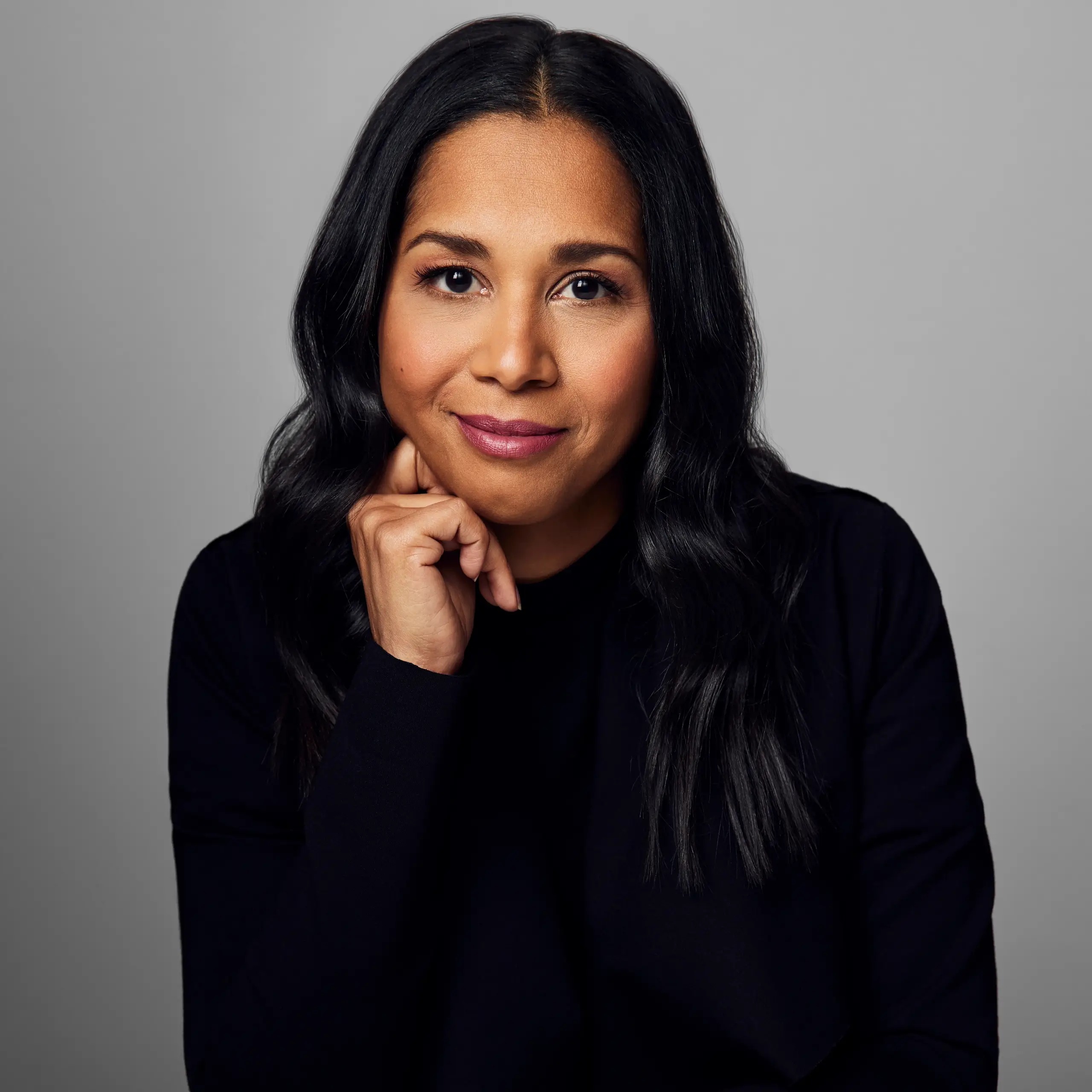
Candice Matthews Brackeen’s experience includes the part of entrepreneurship that rarely makes it onto a conference banner. Her parenting app, Hello Parent, closed after exhausting its funding. In a 2017 WCPO interview, she described bringing those lessons into Hillman Accelerator, the organization behind today’s Lightship Foundation.
“We ran out of funding (for Hello Parent).”
Candice Matthews, speaking to WCPO in 2017
She was already working on another response to the access problem. Black Founders Network, which she established in 2015, brought African-American entrepreneurs together at monthly events. Conversations about helping founders beyond that circle developed into an accelerator. Matthews launched Hillman with former Cincinnati Bengals linebacker Dhani Jones and entrepreneur Ebow Vroom in 2017.
The name carried a wink: Hillman referenced Cincinnati’s seven hills and the fictional historically Black college in A Different World. The program’s physical home was equally memorable, inside the National Underground Railroad Freedom Center. Business modeling had acquired an address with a very long view of freedom.
Hillman’s first cohort contained three companies with quite different jobs: SoLo Funds worked on small peer-to-peer loans; Ilerasoft on hospital equipment software; Warmilu on reusable warming products. That breadth helps explain the approach. The shared need was help building and financing a business, rather than membership in one fashionable technology category.
Brackeen later put her argument more bluntly in a 2021 essay: representation inside established businesses was insufficient if underrepresented founders still lacked influence over where money and corporate support went. Her experience had pushed her toward the allocation decisions themselves. Better visibility could help; ownership and access to resources were the economic objective.
The invitation comes with a room key
Lightship Bootcamp packages advice into a short, in-person commitment. Its current program page describes three focused days covering business strategy, financials and the investor pitch, with accommodation and meals included. Founders work on recognizable problems: explaining demand, forecasting growth and understanding the legal foundations of a company.
The listed experts include entrepreneur in residence Rod Walton, P&G design director Grant Collinsworth and FBT Gibbons managing associate Derrick L. Maultsby Jr. That mix reflects the actual range of startup chores. A founder can have a promising product and still need help with positioning, contracts or a forecast that survives basic questions.
January 2026
JobsOhio renewed its partnership for 2026, adding Akron as an eighth Bootcamp location and announcing networking events in Lima and Springfield. Its January announcement reported more than 450 graduates since the organization’s founding. The itinerary takes the program across Ohio rather than asking every founder to reach Cincinnati.
The partnership also introduces eligible businesses to a JobsOhio grant opportunity of up to $50,000. That requires its own eligibility assessment. A place in a classroom does not amount to an investment decision, and founders should approach the program with a specific business question rather than an assumed check waiting at the end.
A gym for the idea before the pitch
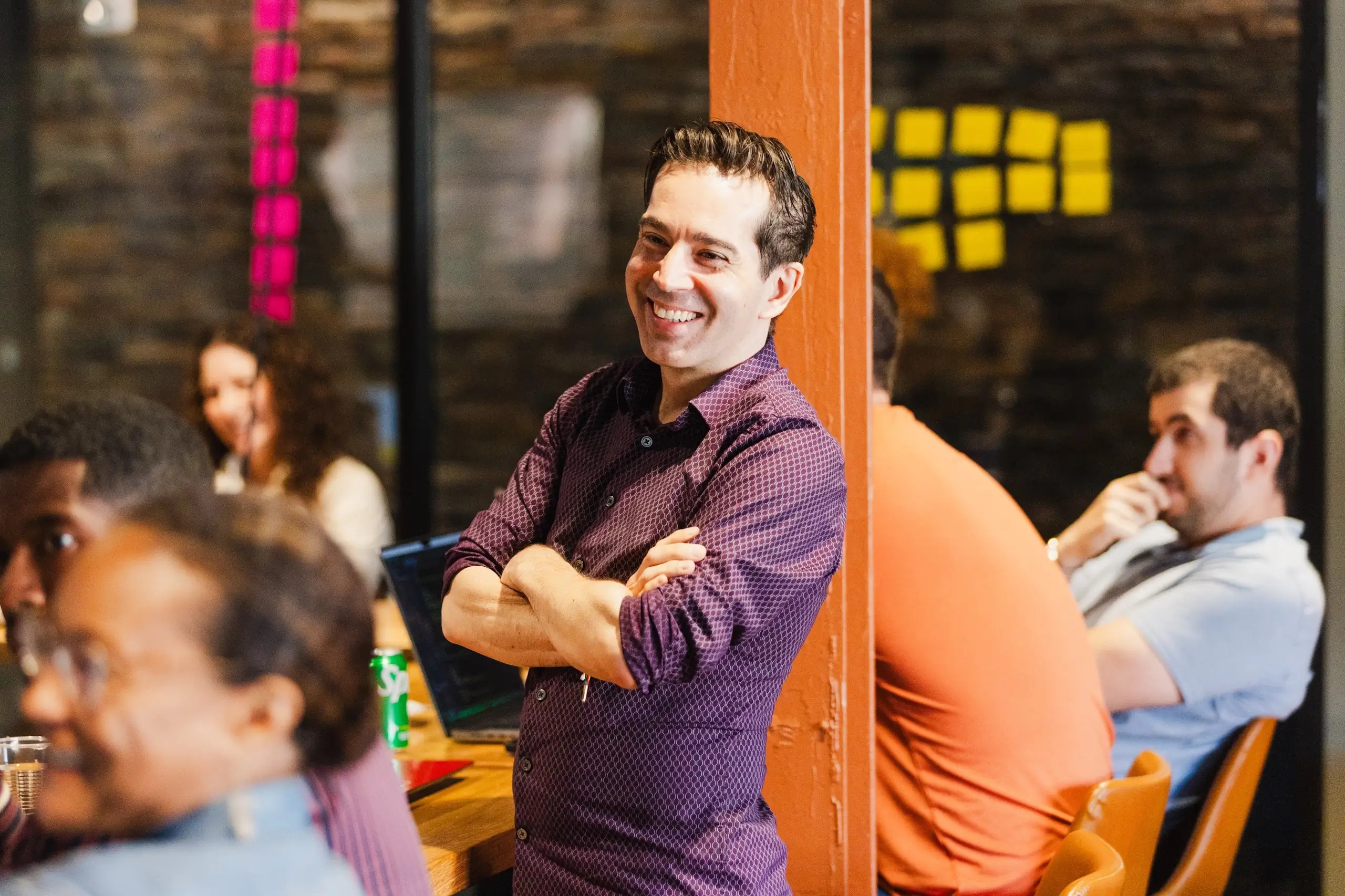
In March 2025, Lightship acquired Founder Gym, adding another established name in entrepreneurial training. The acquisition announcement connected it to earlier additions, NewME and Black Tech Week, and said the incoming cohort would be cost-free for accepted founders. Buying existing programs has become a recurring way for Lightship to extend its reach.
The current Founder Gym curriculum runs over four weeks and is described as equity-free. It starts with purpose, customer definition and problem validation, moves into the market and a minimum viable product, then tackles pricing, costs and operations before finishing with branding and a launch plan.
The order contains a useful lesson for anyone building a company: identify the buyer before polishing the launch. An attractive pitch cannot resolve uncertainty about who wants the product. A founder can copy that sequence without joining a cohort, using customer conversations and a simple cost model to decide what deserves another month of work.
Founder Gym and Bootcamp address different levels of readiness. One offers a structured place to develop an early idea; the other concentrates attention on a business already being built. Neither removes the founder’s responsibility to test assumptions afterward. The useful output is a better decision, whether that means proceeding, changing the offer or stopping an expensive mistake.
Black Tech Week brings the room to life
Lightship acquired Black Tech Week in March 2022 and moved it from Miami to Cincinnati. The announcement pointed to local corporate relationships and the Cincinnati Innovation District as resources for the event. It was a deliberate geographic choice: bring a gathering of Black technology talent and investors into the Midwest.
The conference gives Lightship a different kind of reach from a training cohort. Founders, investors, technology professionals and creatives share a program in which business and culture sit together. Keke Palmer was announced as the 2025 keynote speaker, bringing an entertainment career and her own media venture, KeyTV, into that conversation.
Its audience also challenged a gloomy expectation. Axios reported in July 2025 that organizers had anticipated pressure on fundraising and turnout amid corporate retreats from diversity initiatives. Instead, they were projecting more than 6,200 attendees. That was an expectation at the start of the event, but it offered a telling counterpoint to the assumption that the audience would disappear.
The conversations travel further through Black Tech Weekly. The podcast includes a discussion between Brackeen and Serena Williams recorded at the 2022 conference, plus sessions on building companies and raising funds. For someone unable to attend, the recordings offer a way into the ideas, even though listening cannot reproduce the introductions.
The next advertised destination is Columbus in July 2027. Black Tech Week’s current website pairs that announcement with opportunities to speak, sponsor, volunteer and join investor office hours. For Lightship, the move extends a story that has already crossed city lines more than once.
Free for founders has a real operating cost
Lightship’s users and its financial supporters are overlapping but different groups. Entrepreneurs receive training and connections. Cities, universities, corporations and foundations partner with the organization to support local business formation and growth. Its sponsor roster includes JobsOhio, Surdna Foundation, P&G and regional public institutions.
A $500,000 grant announced in April 2025 illustrates the arrangement. T.D. Jakes Foundation, with funding from Wells Fargo, named Lightship among its recipients to help entrepreneurs raise venture capital and scale businesses. The award finances the support organization’s work; it is not a venture financing round for Lightship.
The Foundation’s fiscal 2024 figures, indexed from IRS filings by ProPublica, show about $1.34 million in revenue and $2.75 million in expenses. Contributions supplied roughly three-quarters of revenue. The annual deficit was about $1.41 million, while reported year-end net assets were $3.29 million. Those figures underline how much outside support the work requires.
Money raised by participating companies is another measure entirely. In its 2022 acquisition announcement, Lightship said it had guided more than 200 companies to over $120 million in venture funding. That historical claim describes fundraising by supported businesses, not cash the Foundation invested. Lightship Capital’s venture investment work is also distinct from the nonprofit’s operating accounts.
The part other cities can borrow
Lightship’s distinction lies in the combination: accessible training, institutional partners, practitioner advice and a conference with its own cultural identity. Local mentoring services, university programs and venture accelerators can each meet parts of a founder’s needs. Lightship assembles several of those encounters within one network.
The model depends on conditions that are easy to underestimate. Someone must pay the delivery costs. Founders need time to participate and enough clarity to apply the advice. Introductions need a business behind them. A short program would be a poor substitute for months of specialized technical development or an immediate solution to a cash crisis.
For another city, the most transferable idea is to budget for participation itself. Recruit useful advisers, match the curriculum to the founder’s stage and account for the expense of showing up. Lightship’s public values make room for enjoyment, too: its team page even includes music links. The work can be demanding without making the room miserable.
For a founder, the starting move is smaller. Pick a problem the next program can help resolve: customer definition, pricing, a financial model or the story an investor needs to understand. Arrive with the question written down. A covered hotel bill gets you there. Knowing what you need makes the trip count.
Find your way in
Explore Bootcamp dates and applications, the Founder Gym curriculum and Black Tech Week.
Follow Lightship on LinkedIn, X, Instagram, Facebook and TikTok. Visit the website for news and program updates.
Listen to Black Tech Weekly’s founder and investor conversations, or explore the Lightship and Black Tech Week video channels.