The phone had everything the engineers wanted: a camera, a processor, sensors and a network connection. It was an appealing place to put a driver-safety system. Then the people expected to use it pointed out a small inconvenience. A long-haul driver did not want a personal phone fixed to a windshield for an entire shift. The elegant prototype had found an inelegant customer.
The short version
- LightMetrics makes RideView, software that turns supported vehicle cameras into a safety and coaching system.
- Its main buyers are telematics providers and vehicle makers, who can integrate and rebrand the product for fleets.
- The first smartphone approach ran into driver resistance. Separate cameras and hardware choice became the answer.
- The disclosed price is a recurring fee per vehicle for partners; the exact rate is private. A 2023 Series A raised $8.5 million.
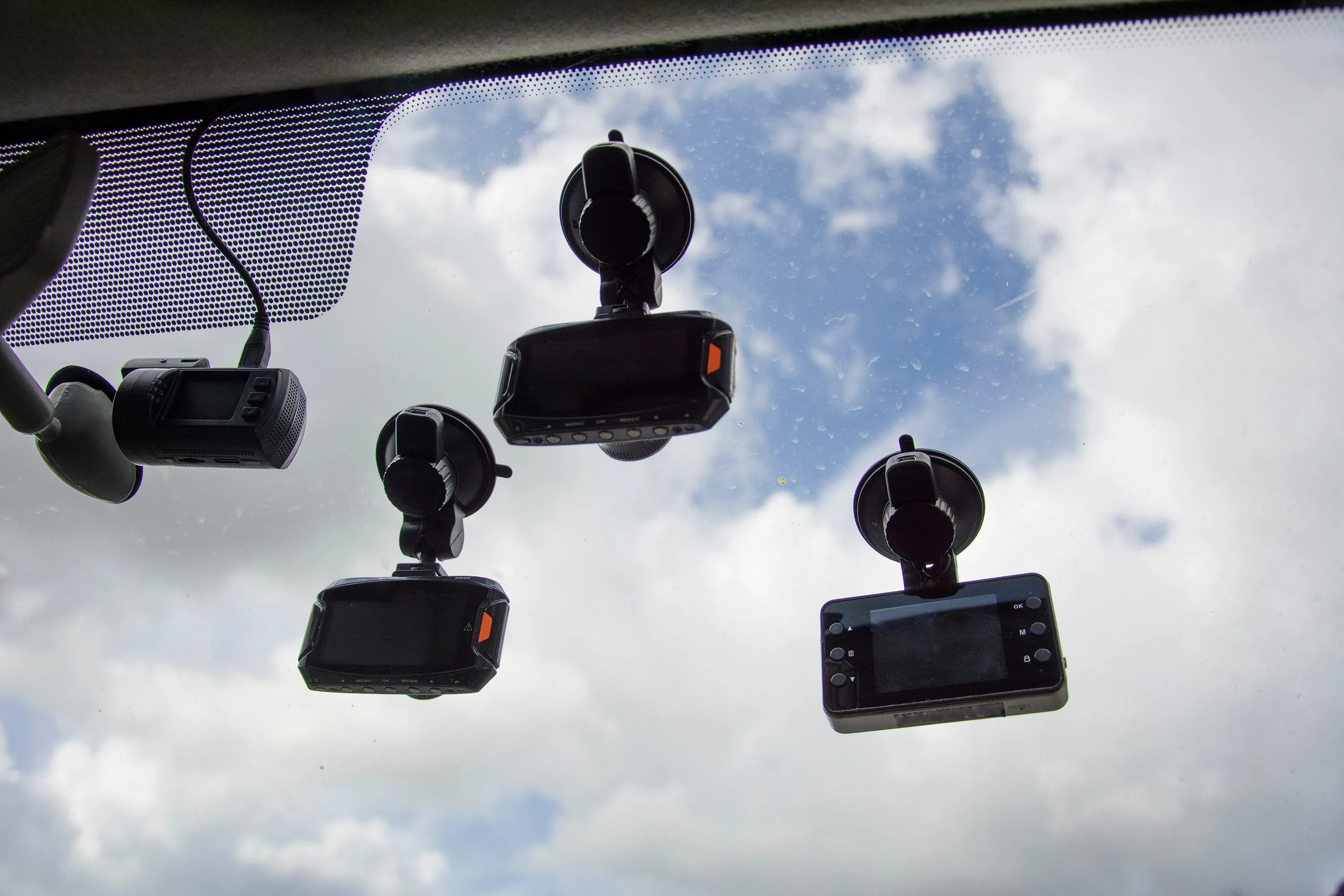
That objection did more than change a mounting bracket. LightMetrics, founded in Bengaluru in 2015 by six former Nokia Research colleagues, began with a RideView software kit that made a smartphone act like an AI dashcam. By 2017 it had launched RideCam in the United States, moving the lens into a separate unit. Later it broadened the software to work with different dash cameras. The pattern is unusually clear: the product changed when a real vehicle cab disagreed with the lab.
A camera is the beginning of the bill
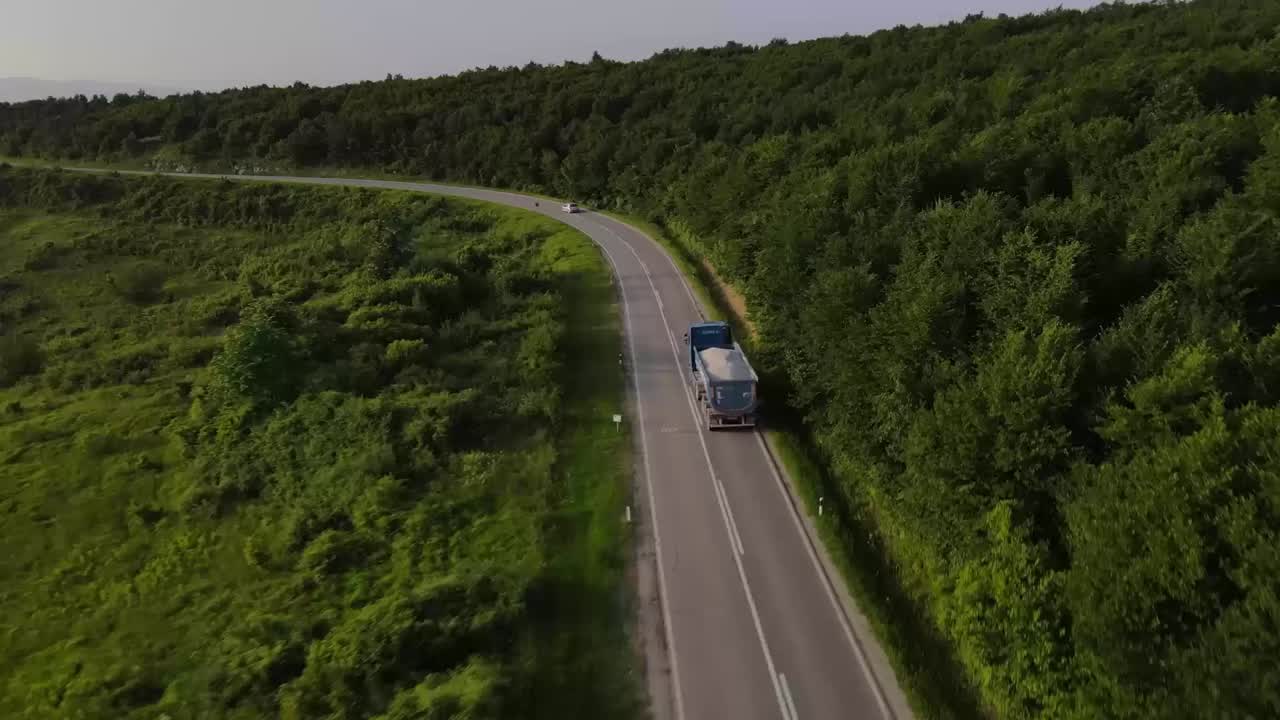
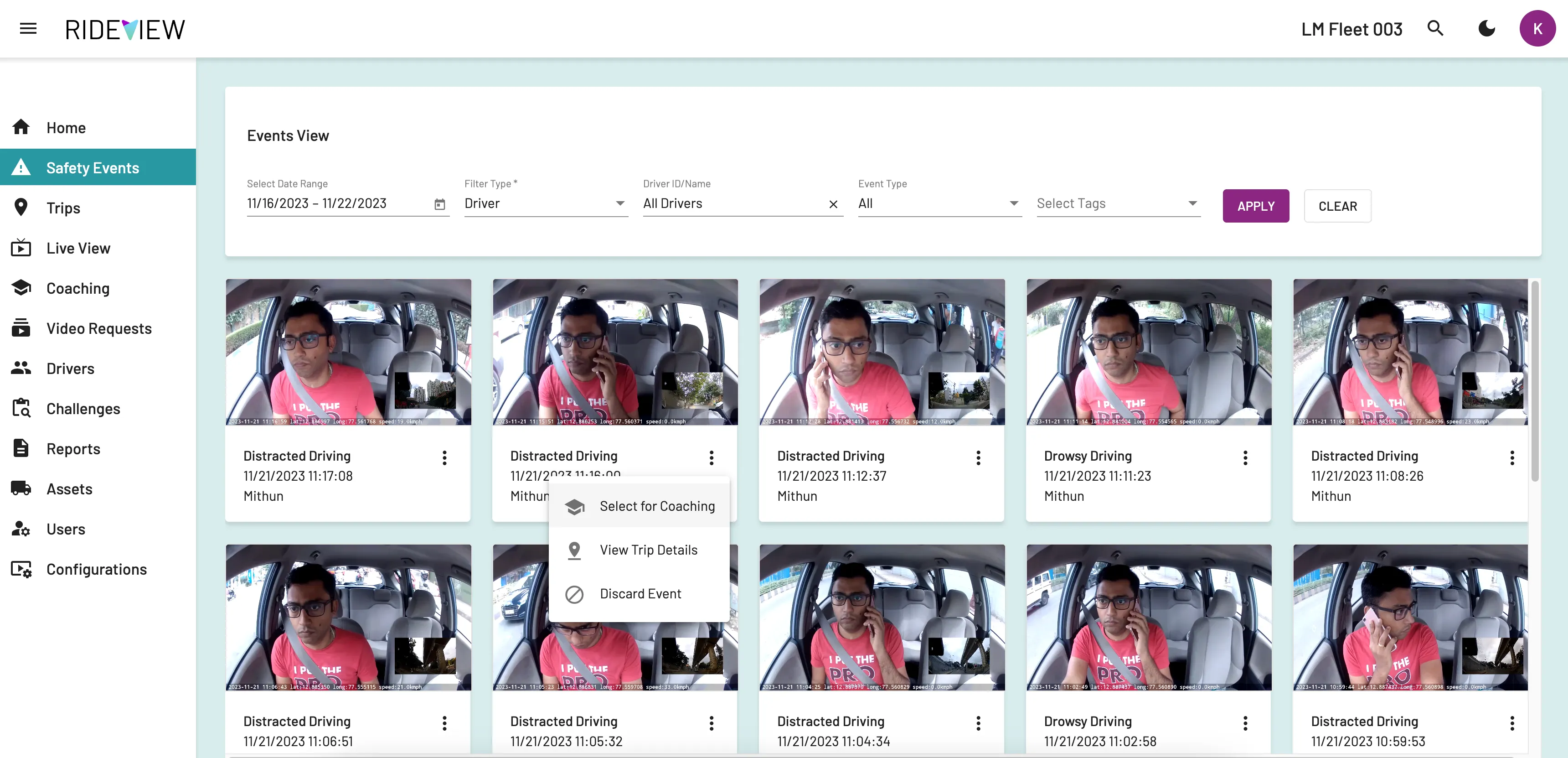
Today RideView watches the road and, where a fleet chooses, the cabin. It can flag speed limit violations, lane drift, tailgating, distraction, phone use and signs of drowsiness. Some alerts can reach the driver in the cab while the system records short event videos for later review. Fleet managers can retrieve footage after an incident, sort safety events, inspect trips and hold coaching sessions. This is useful both before an accident, when an alert might change behavior, and after one, when video may show what actually happened.
LightMetrics' customers are often the companies that already sell location tracking, electronic logs or other fleet software. They can add RideView to their own offering through APIs, a rebranded dashboard, mobile apps and a choice of supported cameras. A fleet then sees video safety alongside its existing telematics data. LightMetrics gets distribution without having to win each truck depot one at a time; the partner keeps the direct fleet relationship.
Those 2023 figures came from co-founder and CEO Soumik Ukil. They are a snapshot, not a live counter. They explain the attraction of the channel model. One agreement with a telematics provider can reach fleets in several markets; by 2022 LightMetrics listed deployments in Australia, Brazil, Mexico and India as well as its US business. It also explains the difference from an integrated camera vendor such as Samsara, Motive or Lytx. LightMetrics mainly sells the software layer that another company can put into its own fleet product.
“We wanted to do the Android model where we would provide the software that could be used across different hardware.”Soumik Ukil, explaining the hardware strategy in 2023
The unglamorous part of intelligence
The AI makes the brochure. Deployment makes the business. A camera that reports a collision is of little use if its lens has slipped, its storage card has failed or a manager has no time to find the relevant clip. LightMetrics has written at length about automatic camera calibration, over-the-air software updates, device provisioning and camera-health checks. Its 2024 review described an installer app intended to get a camera in place in under 20 minutes. The company also added diagnostics for problems such as mounting errors, obstructions and SD card faults.
Consider a 1,000-vehicle fleet. If each vehicle generates four flagged events in a day, somebody could face 4,000 clips by evening. That example comes from LightMetrics' own account of why video overload matters. The practical question is not whether a neural network can notice a risky moment. It is whether a safety manager can identify the few moments worth discussing, and whether the driver sees the discussion as fair. RideView's filtering, event severity and coaching workflow are answers to that clerical problem.
The last step matters. LightMetrics' coaching design lets a manager bookmark events for discussion and a driver review them through a companion app, including when the driver is away from the yard. The company has also described driver feedback that can challenge a flagged event. That can improve the software, but it also acknowledges a social fact: a camera in the cab is a colleague only if the person being watched has some say in the conversation.
Who pays, and what it costs
The business model is a recurring subscription charged to channel partners per vehicle. LightMetrics does not publish a standard per-vehicle rate; its contact page invites buyers to request custom pricing. The bill for a real deployment also depends on the selected cameras, connectivity, installation and the work required to review and coach. The company consciously avoided tying its software to a single proprietary camera, which gives partners room to serve fleets with different budgets.
The company itself raised an $8.5 million Series A led by Sequoia Capital India, now Peak XV Partners, in April 2023. Ukil said the money would support engineering hires and marketing to telematics providers. Earlier backing included BEENEXT. Those figures describe LightMetrics' financing, not what a fleet pays. They do show the cost of building a system that must run on vehicle hardware, in mobile apps and in the cloud, across countries and customer brands.
The clearest lesson to copy is the sequence. Test an idea in the setting where it must live. Listen when users reject the form factor. Then make the replacement easy for the buyer to install, manage and explain to the next person. LightMetrics did not stop at detecting bad driving; it built the plumbing around detection because a risk score without a usable workflow is only another notification.
There are limits. Automatic calibration, by the company's own account, needs suitable visible lane markings, good visibility and driving above 30 mph for a few minutes. Any video system also depends on functioning cameras and a fleet willing to act on the information. Cabin monitoring can provoke resistance, so LightMetrics offers options such as drowsiness alerts without recording cabin footage and configurable face or plate blurring. These are choices a fleet must make openly. A subscription cannot buy driver trust on its own.
A phone on a windshield was a clever start. A platform that lets fleets choose cameras, lets partners keep their brands and lets managers use the footage is the more interesting result. The first version saw the road. The later one saw the work.